

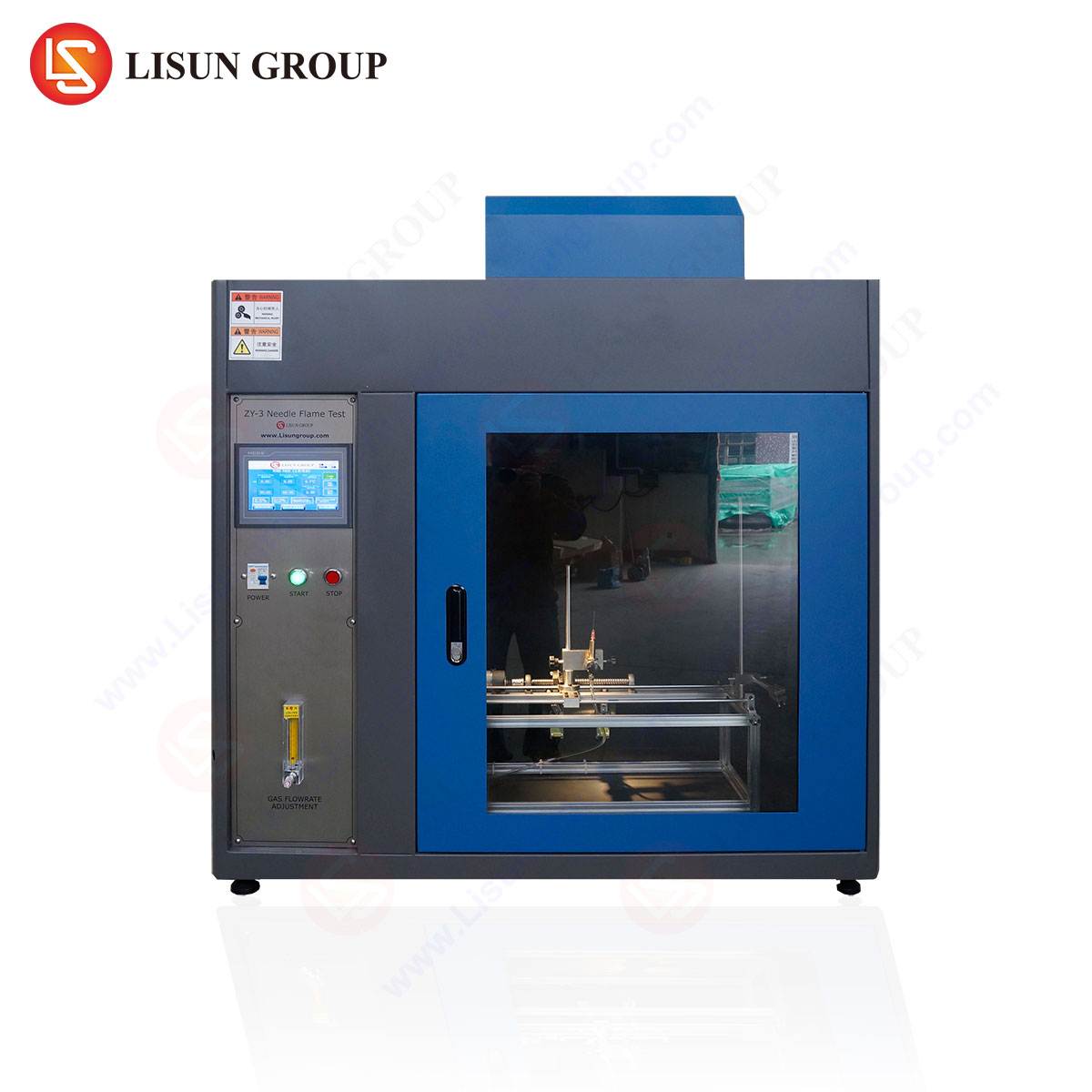



Technical Analysis of Accelerated Corrosion Testing: Principles and Operation of the Salt Spray Chamber
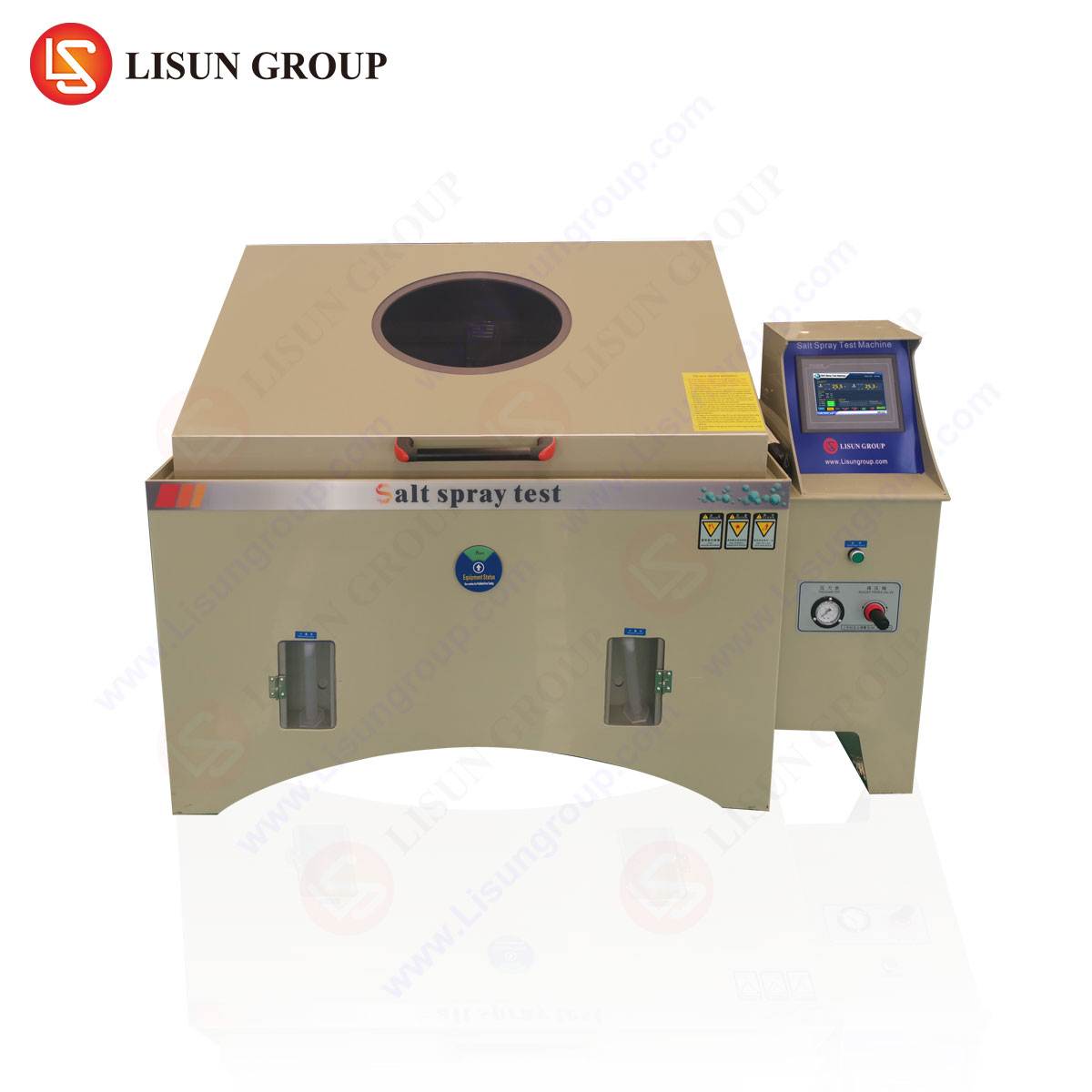
Corrosion represents a pervasive and economically debilitating phenomenon, impacting material integrity, product lifespan, and operational safety across virtually every manufacturing sector. To predict and mitigate corrosion-related failures, industry relies on standardized, accelerated laboratory tests that simulate harsh environmental conditions. Among these, the salt spray (fog) test, standardized under methods such as ASTM B117, ISO 9227, and JIS Z 2371, remains a cornerstone for evaluating the corrosion resistance of materials and protective coatings. This article provides a detailed technical examination of the operational principles, mechanical systems, and application protocols of modern salt spray chambers, with specific reference to the implementation found in the LISUN YWX/Q-010X Salt Spray Test Chamber.
Fundamental Principles of Accelerated Atmospheric Corrosion Simulation
The underlying premise of salt spray testing is not to replicate the precise kinetics of real-world corrosion, which occurs through complex, variable mechanisms, but to provide a controlled, reproducible, and severely aggressive environment. This environment accelerates the corrosion process, allowing for comparative evaluation of materials and coatings within a practical timeframe. The primary corrosive agent is a fine, settled mist of a sodium chloride (NaCl) solution, typically at a concentration of 5% ± 1% by mass, prepared using water of specified purity (e.g., conductivity < 20 µS/cm). The chamber creates a saturated, humid environment maintained at an elevated temperature, commonly 35°C ± 2°C. This constant condition of warmth, moisture, and chloride ions drives several key electrochemical processes: the breakdown of passive oxide layers, the initiation of pitting corrosion, and the propagation of anodic and cathodic reactions on metallic surfaces. The test does not yield a direct correlation to service life in years but serves as a critical quality control tool for detecting porosity, discontinuities, and relative performance differences between batches or formulations.
Architectural Overview and Critical Subsystem Components
A contemporary salt spray chamber, such as the LISUN YWX/Q-010X, is an integrated electromechanical system comprising several interdependent subsystems. The external housing is typically constructed from corrosion-resistant materials like reinforced PVC or fiberglass. Internally, the test workspace is lined with inert materials, such as polypropylene or glass-reinforced plastic, to prevent contamination of the test atmosphere and withstand constant exposure to the corrosive saline mist.
The chamber’s core functionality is governed by several key systems:
- Reservoir and Solution Delivery System: A large-capacity, corrosion-resistant tank holds the prepared NaCl solution. A pneumatic or peristaltic pump delivers the solution to the spray nozzle assembly. The YWX/Q-010X, for instance, incorporates a precision pneumatic atomizer system, which ensures consistent droplet size and distribution.
- Atomization and Fog Generation System: This is the heart of the chamber. Compressed air, filtered and humidified to prevent premature evaporation of the droplets, is mixed with the salt solution at a precisely controlled nozzle. The nozzle design creates a fine, dense fog that is dispersed evenly throughout the test volume. The atomization pressure and nozzle geometry are critical to compliance with standards, which often specify a collection rate of 1.0 to 2.0 ml of solution per hour per 80 cm² in designated collectors.
- Thermal Regulation and Air Circulation System: Uniform temperature is maintained by an electric heating element coupled with a forced-air circulation system. A PID (Proportional-Integral-Derivative) controller, often with digital interface as seen in the YWX/Q-010X, manages heating cycles to maintain the stipulated temperature tolerance. Baffles or ducts ensure even air and fog distribution, eliminating temperature gradients and “dead zones” within the workspace.
- Humidification and Saturation Tower: Prior to entering the spray nozzle, compressed air is bubbled through a heated water column—the saturation tower. This raises the air to near 100% relative humidity at the chamber temperature, preventing evaporative cooling at the nozzle and ensuring the sprayed droplets are of consistent size and concentration.
- Exhaust and Condensate Management: The chamber operates under slight positive pressure. An exhaust vent, often fitted with a hydrophobic filter or condensate trap, allows for the controlled release of mist while preventing room contamination. Condensate from the chamber walls is channeled away to avoid dripping onto test specimens.
Operational Protocol and Specimen Management
The validity of test results is contingent upon rigorous adherence to procedural protocols. Specimen preparation is paramount; surfaces must be clean, free of contaminants, and handled with care to avoid inadvertent damage. Coated specimens typically have a scribe or cross-cut applied through to the substrate at a defined location to evaluate creepage from the cut edge—a critical metric for automotive electronics housings or aerospace component coatings.
Specimens are placed within the chamber on non-conductive, inert supports at an angle between 15° and 30° from vertical, as per standard requirements. This orientation ensures the fog settles uniformly on the exposed surfaces and allows runoff, simulating natural rainfall or condensation exposure. Critical electronic components, such as printed circuit board assemblies (PCBAs) for telecommunications equipment or industrial control systems, must be positioned to represent their typical service orientation. The chamber is then sealed, and the test cycle is initiated. Testing durations are predefined, ranging from 24 hours for rapid quality checks to 1000 hours or more for stringent qualification of medical device enclosures or aerospace aviation components.
Industry-Specific Applications and Use Cases
The salt spray test is ubiquitously applied across industries where corrosion can lead to functional failure, safety hazards, or significant economic loss.
- Automotive Electronics & Electrical Components: Testing connector housings, sensor bodies, switchgear, and control unit enclosures to ensure resilience against road salt and underbody exposure.
- Electrical & Electronic Equipment / Industrial Control Systems: Evaluating the protective coatings on cabinet enclosures, terminal blocks, and heat sinks used in factory automation and power distribution environments.
- Telecommunications Equipment & Cable Systems: Assessing the corrosion resistance of outdoor housings for antennas, junction boxes, and cable connectors, which are exposed to marine or industrial atmospheres.
- Lighting Fixtures: Particularly for outdoor, automotive, or marine lighting, testing the integrity of aluminum housings, reflector coatings, and lens seals.
- Aerospace and Aviation Components: Qualifying coatings on fasteners, landing gear components, and ancillary parts exposed to de-icing salts and high-altitude conditions.
- Medical Devices & Household Appliances: Ensuring the durability of metallic surfaces and coatings on devices that may be subjected to frequent cleaning with disinfectants or in humid environments like kitchens and bathrooms.
Analysis of the LISUN YWX/Q-010X Implementation
The LISUN YWX/Q-010X Salt Spray Test Chamber embodies the engineering principles detailed above, designed for compliance with major international standards. Its architecture offers several defined operational advantages for laboratory and quality assurance environments.
Key Specifications:
- Chamber Volume: 108 Liters (Standard model)
- Temperature Range: Ambient +10°C to 55°C
- Temperature Uniformity: ≤ ±2°C
- Temperature Fluctuation: ≤ ±0.5°C
- Spray Method: Pneumatic atomization via precision nozzle
- Collection Rate: 1.0 ~ 2.0 ml / 80cm² / Hour (adjustable for standard compliance)
- Controller: Digital PID controller with LED display for temperature and timer settings
- Construction: Fibreglass reinforced plastic (FRP) interior chamber, corrosion-resistant PVC outer casing.
Technical Advantages in Application:
- Controlled Atomization: The pneumatic atomization system, paired with a saturated tower, generates a consistent and reproducible salt fog. This consistency is critical for obtaining comparable data when testing, for example, multiple batches of electrical sockets or consumer electronics chassis.
- Thermal Stability: The high-precision PID controller and efficient air circulation design minimize thermal gradients. This ensures that all specimens, whether they are office equipment panels or intricate automotive electronic modules, experience identical environmental stress.
- Material Integrity: The use of FRP for the inner chamber provides superior long-term resistance to the corrosive saline environment compared to some metallic liners, eliminating a potential source of contamination and maintenance over the chamber’s lifespan.
- Operational Transparency: The digital interface allows for precise setting and monitoring of test parameters, facilitating strict adherence to standardized protocols required for certifying components in regulated industries like medical devices or aerospace.
Standards Compliance and Methodological Rigor
Operational parameters are not arbitrary but are strictly dictated by published standards. The settings of the YWX/Q-010X are calibrated to meet the requirements of:
- ASTM B117 – Standard Practice for Operating Salt Spray (Fog) Apparatus
- ISO 9227 – Corrosion tests in artificial atmospheres – Salt spray tests
- JIS Z 2371 – Methods of salt spray testing
- IEC 60068-2-11 (Test Ka: Salt mist) – Particularly relevant for electrical and electronic equipment.
Adherence to these standards ensures that test results are not only reproducible within a single laboratory but are also comparable across different testing facilities globally. This is essential for supply chain quality assurance, where a manufacturer of industrial control systems may need to qualify components from multiple international suppliers against a common benchmark.
Data Interpretation and Post-Test Evaluation
Upon test completion, specimens undergo a meticulous evaluation process. This typically involves careful rinsing to remove salt deposits, gentle drying, and visual inspection under controlled lighting. Assessment criteria are defined by the relevant product specification or standard and may include:
- Time to first appearance of white rust (zinc or aluminum coatings) or red rust (steel substrates).
- Extent of corrosion creepage from a scribe line, measured in millimeters.
- Density and distribution of corrosion pits.
- Blistering, peeling, or delamination of organic coatings.
For quantitative analysis, mass loss measurements or electrochemical techniques may be employed after the salt spray exposure. The findings are documented in a formal test report, which forms a critical part of a product’s technical file, especially for components in safety-critical applications like automotive electronics or medical devices.
Frequently Asked Questions (FAQ)
Q1: Can the salt spray test predict the exact service life of a coating in a real-world environment?
A1: No. The salt spray test is an accelerated, comparative corrosion test conducted under constant, severe conditions. It is highly effective for quality control, detecting processing flaws, and ranking the relative performance of materials or coatings. However, real-world corrosion involves cyclic conditions (wet/dry, UV exposure, pollution variations) that are not simulated. The test results indicate potential weaknesses and allow for comparative assessment, not a direct extrapolation to years of service.
Q2: How is the corrosive aggressiveness of the chamber atmosphere verified during a test?
A2: Compliance is verified through the “collection rate” test. At least two clean, graduated collectors with an 80 cm² funnel area are placed within the test zone, near the specimens. They collect the settled fog for a minimum of 16 hours. The average collected volume per hour must fall within the range specified by the applied standard (e.g., 1.0 to 2.0 ml/hour for ASTM B117). This confirms the chamber is generating the correct density of corrosive mist.
Q3: What are the critical maintenance requirements for a chamber like the YWX/Q-010X to ensure consistent results?
A3: Key maintenance tasks include: regular cleaning of the reservoir and saturation tower to prevent salt buildup and biological growth; inspection and cleaning of the spray nozzle to ensure unobstructed, uniform atomization; calibration of the temperature sensor and controller at periodic intervals; and checking the integrity of seals and gaskets on the chamber door to prevent fog leakage and maintain internal conditions.
Q4: Is it permissible to test dissimilar metals or components together in the same chamber run?
A4: Caution is advised. Testing dissimilar metals in close proximity can lead to galvanic corrosion, which is an artifact of the test setup and not representative of the component’s individual performance. Standards generally recommend testing similar materials together. If dissimilar materials must be tested concurrently, they should be electrically isolated from each other and positioned to avoid cross-contamination from runoff.
Q5: How does testing for electronic components differ from testing simple metallic panels?
A5: Testing electronic assemblies, such as PCBAs for telecommunications equipment, requires additional considerations. The test evaluates the corrosion resistance of conformal coatings, connector platings, and enclosures. Specimens are usually non-operational during testing. Post-test evaluation is more complex, involving not only visual inspection but also electrical functional testing to detect corrosion-induced short circuits, increased leakage currents, or open connections, which are failure modes critical to the component’s application.