




A Comprehensive Methodology for Performing Cyclic Corrosion Testing
Introduction to Accelerated Corrosion Evaluation
The long-term reliability and functional integrity of materials and components across diverse industrial sectors are critically dependent on their resistance to environmental degradation. Among these threats, corrosion induced by atmospheric salts, humidity, and pollutants represents a predominant failure mode. Traditional steady-state salt spray tests, such as those defined by ASTM B117, provide a foundational assessment but often fail to replicate the complex, cyclic nature of real-world environments. Cyclic Corrosion Testing (CCT) has consequently emerged as the advanced methodology of choice, simulating more accurate sequences of wet, dry, and humidity phases to precipitate failure mechanisms observed in service. This procedural article delineates a formalized methodology for executing a Cyclic Corrosion Test, with particular emphasis on the instrumental role of advanced testing apparatus such as the LISUN YWX/Q-010X Cyclic Corrosion Test Chamber.
Defining Test Objectives and Applicable Standards
Prior to initiating any test protocol, a precise definition of objectives is paramount. The purpose may range from comparative material ranking, coating qualification, and validation of protective designs to failure analysis and service life prediction. This objective directly governs the selection of the test standard, which prescribes the specific environmental cycles, durations, and evaluation criteria. Widely referenced international standards include:
- ISO 16701: Corrosion of metals and alloys – Corrosion in artificial atmosphere – Accelerated corrosion test involving exposure under controlled conditions of humidity cycling and intermittent spraying of a salt solution.
- ASTM G85: Standard Practice for Modified Salt Spray (Fog) Testing, with Annexes detailing various cyclic profiles (e.g., Annex A5 for Prohesion testing).
- SAE J2334: Cosmetic Corrosion Lab Test, a widely adopted cycle for automotive materials.
- DIN 50017: Condensation water test atmosphere (often incorporated into cycles).
- IEC 60068-2-52: Environmental testing – Part 2-52: Tests – Test Kb: Salt mist, cyclic (sodium chloride solution), critical for electrical and electronic equipment.
The chosen standard dictates the fundamental test parameters, forming the basis for chamber programming.
Selection and Preparation of Test Specimens
Specimen selection and preparation are critical to ensuring reproducible and meaningful results. Representative samples from the target industries—such as coated metal coupons, assembled automotive brackets, printed circuit board assemblies (PCBAs), connector housings, or finished lighting enclosures—must be used. Preparation involves thorough cleaning to remove contaminants (oils, fingerprints) using specified solvents per standards like ASTM D609. Edges may require specific protection or left exposed based on the test focus. Each specimen must be uniquely identified using inert markings. Crucially, specimens should be mounted on inert racks (e.g., plastic or properly coated) at an angle typically between 15° and 30° from vertical, as defined by the standard, to ensure uniform droplet runoff and prevent pooling.
Configuration of the Cyclic Corrosion Test Chamber
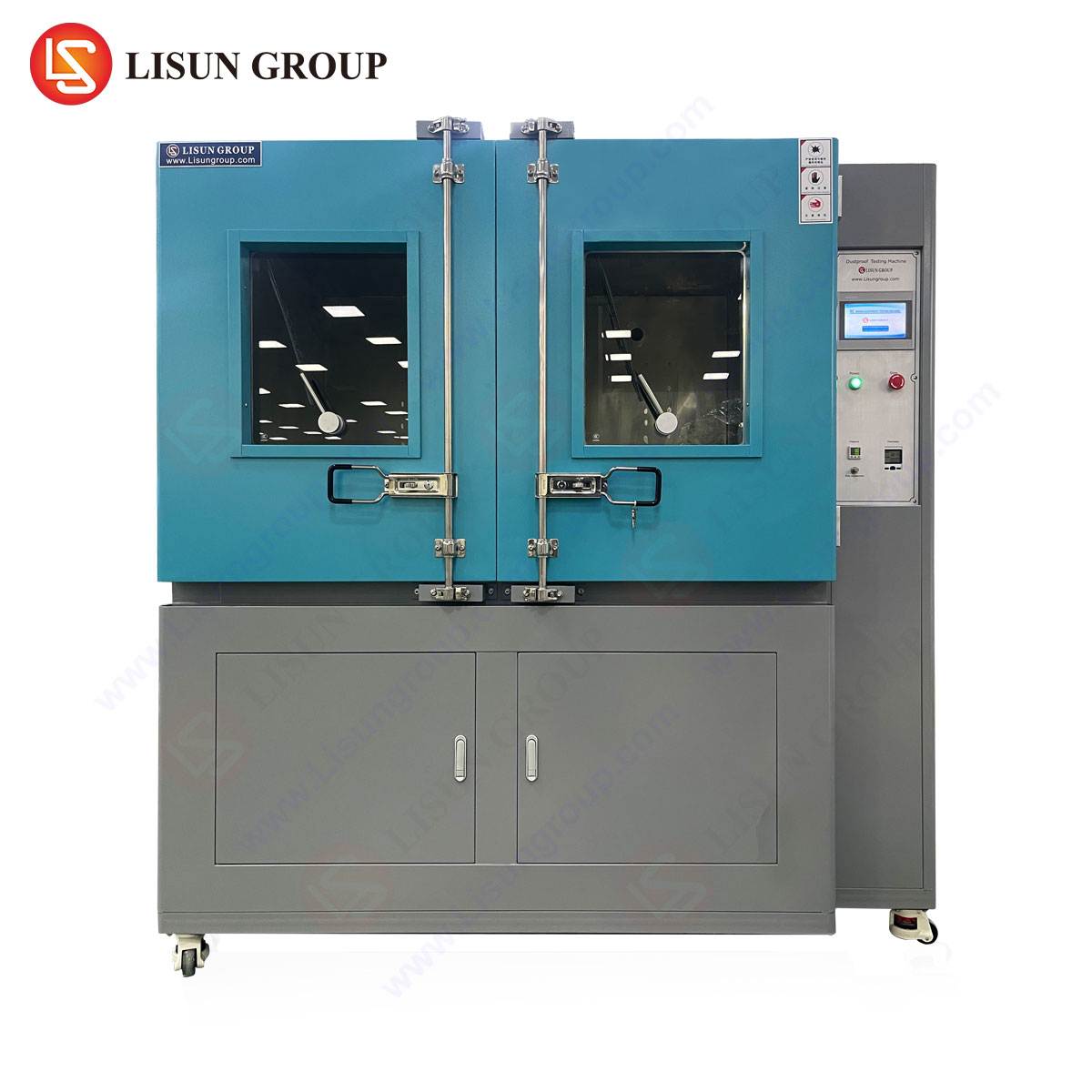
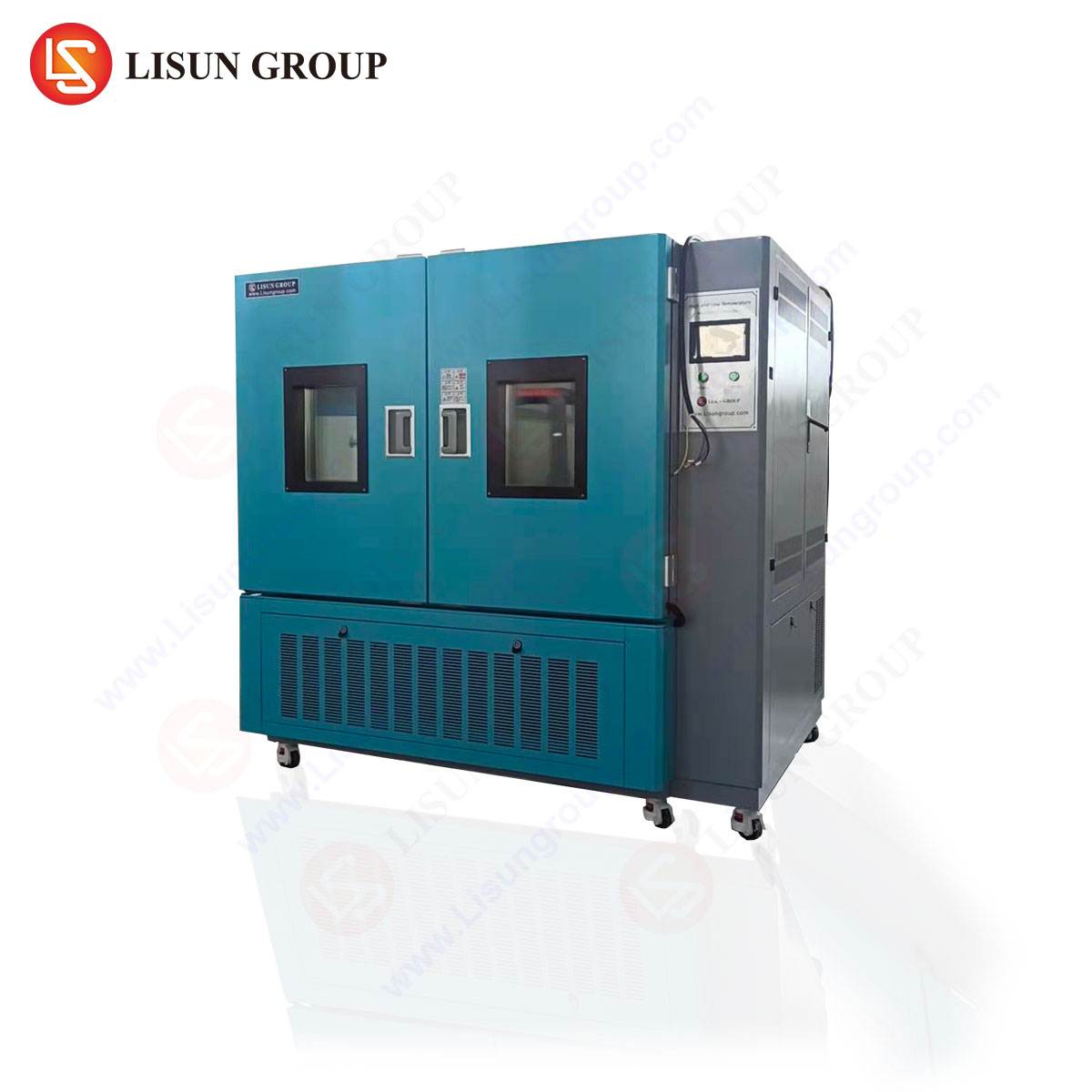
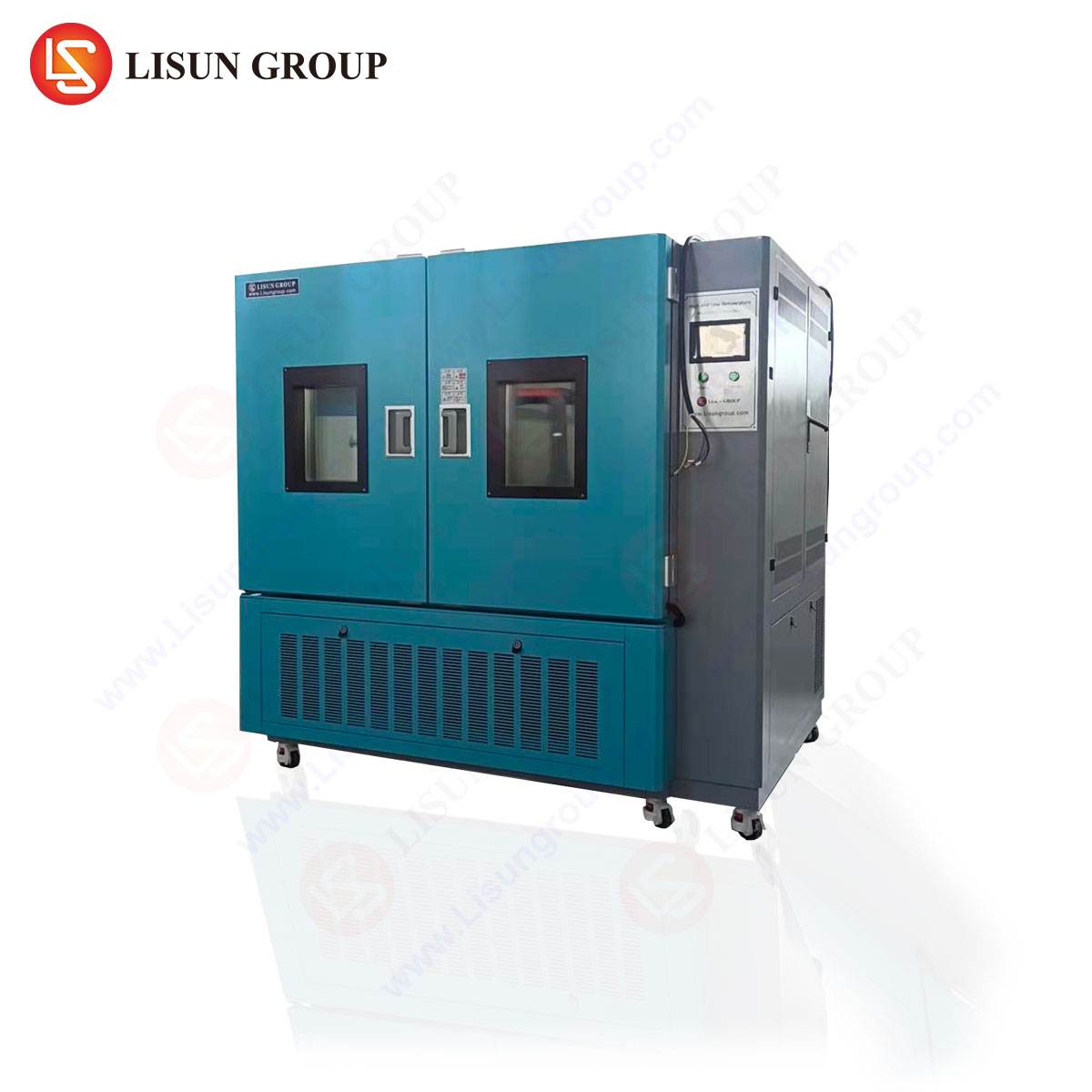
Modern CCT requires a chamber capable of precise, automated transitions between multiple environmental states. The LISUN YWX/Q-010X Cyclic Corrosion Test Chamber exemplifies the requisite technology. Its operational principle involves the independent and sequential control of salt fog generation, temperature, humidity, and dry-air purging functions within an insulated test workspace.
Core Specifications and Functional Principles of the LISUN YWX/Q-010X
The YWX/Q-010X is engineered to execute complex cyclic profiles defined by the aforementioned standards. Key specifications include:
- Temperature Range: Typically ambient +5°C to +55°C, with uniformity of ±2°C.
- Humidity Range: 30% to 98% RH, controllable via a heated water reservoir and atomization system.
- Salt Spray System: Utilizes a compressed-air atomizing nozzle with adjustable spray volume, fed from a temperature-controlled brine reservoir. The solution is prepared per standard formulae (e.g., 5% NaCl pH-adjusted).
- Dry Air Function: Incorporates an internal air circulation system with heating elements to rapidly transition the chamber to a low-humidity, elevated-temperature drying phase.
- Control System: A programmable logic controller (PLC) with a touch-screen Human Machine Interface (HMI) allows for the creation of multi-step test profiles, specifying duration, temperature, humidity, and spray functions for each step.
The competitive advantage of such a system lies in its precision and reproducibility. Unlike basic salt spray cabinets, the YWX/Q-010X’s integrated humidity control and rapid transition capability allow for accurate simulation of overnight condensation, daytime drying, and periodic salt deposition—a cycle highly representative of coastal or road-salt environments. This is particularly vital for industries like Automotive Electronics and Aerospace, where components face daily thermal-humidity cycles alongside corrosive agents.
Preparation and Introduction of Test Solutions
The corrosive medium must be meticulously prepared. Sodium chloride (NaCl) of specified purity (commonly ≥99%) is dissolved in deionized or distilled water to achieve a (5 ± 1)% mass concentration. The pH must be adjusted to a narrow range (e.g., 6.5 to 7.2 for neutral salt spray tests) at 25°C. For modified tests, acids like acetic acid (ASS test) or copper chloride (CASS test) may be added. The solution is filtered and placed in the chamber’s reservoir. It is imperative that the solution is not reused between tests to avoid contamination from corrosion products, which would invalidate results.
Programming and Initiating the Test Cycle
With specimens mounted and solutions prepared, the predefined cyclic profile is programmed into the chamber’s controller. A typical SAE J2334 cycle, for instance, involves:
- Humidity Phase: 6 hours at 50°C, 100% RH.
- Salt Application Phase: 15-minute ambient temperature salt spray.
- Dry Phase: 17.75 hours at 60°C, 50% RH.
This 24-hour cycle repeats for the test duration, which may be 30, 60, 90 cycles or more. The operator initiates the test, after which the chamber should operate unattended except for routine monitoring. Data logging functions, a feature of advanced chambers like the YWX/Q-010X, provide a continuous record of environmental parameters for audit and troubleshooting purposes.
In-Process Monitoring and Control Verification
While automated, the test requires systematic monitoring to ensure parameter compliance. Daily checks should include:
- Verification of chamber temperature and humidity via independent sensors if possible.
- Inspection of salt spray nozzles for clogging and confirmation of spray settlement rate in collection funnels (typically 1.0 to 2.0 ml/80cm²/hour).
- Top-up of test solution and reservoir water levels.
- Inspection of chamber seals and interior for excessive corrosion or contamination.
Deviations must be documented, and significant excursions may necessitate test extension or invalidation.
Post-Test Specimen Handling and Evaluation
Upon test completion, specimens must be handled with care to preserve corrosion products for assessment. The standard typically prescribes a gentle rinsing under running lukewarm water (< 38°C) to remove residual salt, followed by careful drying with compressed air or at ambient temperature. Evaluation is both quantitative and qualitative, employing techniques such as:
- Visual Inspection: Against photographic standards (e.g., ASTM D610 for rust grade, ASTM D714 for blistering).
- Metrological Analysis: Measurement of creepage from a scribe (e.g., ISO 4628-8), pit depth gauging, or weight loss measurement after chemical stripping of corrosion products.
- Functional Testing: For electronic components (connectors, switches, PCBA), this is critical. Resistance checks, dielectric withstand tests, and operational validation are performed to ascertain if corrosion has impaired function.
Results are compiled into a formal test report, referencing the standard, chamber used (e.g., LISUN YWX/Q-010X), test parameters, monitoring data, and detailed evaluation findings.
Industry-Specific Applications and Failure Mode Correlation
The value of CCT is demonstrated through its targeted application across sectors. In Automotive Electronics and Electrical Components, it assesses the corrosion resistance of sensor housings, connector terminals, and control unit casings, where failure leads to signal drift or short circuits. For Lighting Fixtures and Outdoor Telecommunications Equipment, it validates the seal integrity and coating performance of aluminum housings against salt-laden fog. Aerospace and Aviation Components use stringent cycles to test everything from alloy fasteners to composite assemblies with dissimilar metals. In Medical Devices and Household Appliances, CCT evaluates the durability of stainless steel surfaces and internal components exposed to cleaning agents or humid environments. The cyclic nature of the YWX/Q-010X test is essential to induce galvanic corrosion, filiform corrosion under coatings, and stress-corrosion cracking—failures rarely seen in constant spray tests.
Conclusion: The Imperative of Cyclic Methodology
Performing a Cyclic Corrosion Test is a sophisticated but standardized process that bridges the gap between accelerated laboratory aging and real-world performance. The methodology’s efficacy is wholly dependent on precise environmental control, reproducible cycling, and rigorous specimen evaluation. The adoption of capable instrumentation, such as the LISUN YWX/Q-010X Cyclic Corrosion Test Chamber, provides the necessary technological foundation to execute these complex profiles with the precision required for defensible engineering decisions, material selection, and product qualification across the breadth of modern manufacturing.
Frequently Asked Questions (FAQ)
Q1: How does the cyclic test in the LISUN YWX/Q-010X differ from a traditional salt spray test for an automotive electronic control unit (ECU)?
A traditional constant salt spray (ASTM B117) subjects the ECU to a continuous, saturated salt fog. This can produce unrealistic, uniform corrosion. The YWX/Q-010X executes cyclic profiles (e.g., SAE J2334) that introduce humidity, salt spray, and dry-off phases. This better simulates daily vehicle use (overnight condensation, road spray, engine-bay heating), accelerating more relevant failure modes like creep corrosion on circuit boards, connector fretting, and coating delamination due to thermal cycling.
Q2: What is the significance of controlling humidity so precisely during the “dry” phase of a cycle?
The relative humidity during the so-called “dry” phase is not merely an absence of spray. It is a controlled low-humidity, elevated-temperature environment. This phase drives the evaporation of electrolyte films, concentrating corrosive salts and initiating different corrosion kinetics. Precise control, as offered by chambers with dedicated humidity systems, ensures that this critical drying and salt concentration process is reproducible from test to test, which is essential for correlating results with field performance in industries like Aerospace or Telecommunications.
Q3: Can the YWX/Q-010X chamber test for gases like SO2, as required by some standards for industrial atmosphere simulation?
The standard YWX/Q-010X model is designed for salt spray, humidity, and drying cycles. It is not equipped for the introduction or monitoring of gaseous pollutants like sulfur dioxide (SO2). Tests requiring mixed gases, such as those defined in IEC 60068-2-60 (KF), would necessitate a dedicated mixed gas corrosion test chamber, a separate category of equipment also available from manufacturers like LISUN for applications in Industrial Control Systems and components exposed to industrial atmospheres.
Q4: For a lighting fixture manufacturer, what is the primary advantage of using a cyclic test over a simple spray test for a coated aluminum housing?
A simple spray test primarily assesses coating porosity and uniform resistance. A cyclic test in a chamber like the YWX/Q-010X exposes the housing to repeated wet/dry stress. This is critical for evaluating coating adhesion, the propensity for filiform corrosion (thread-like underfilm corrosion), and the performance of seams or gaskets over thermal cycles. It more accurately predicts failures seen in outdoor fixtures exposed to daily dew cycles, rain, and sun, leading to more robust sealing and coating specifications.