




A Comprehensive Methodology for Validating Ingress Protection (IP) Ratings in Electronic Enclosures
Introduction to Ingress Protection Rating Validation
The Ingress Protection (IP) rating system, codified under international standard IEC 60529, provides a systematic and universally recognized classification for the degree of protection offered by mechanical casings and electrical enclosures against the intrusion of solid foreign objects and liquids. This alphanumeric designation, such as IP67 or IP54, is not merely a marketing claim but a quantifiable performance metric derived from rigorous laboratory testing. The integrity of this system hinges upon the accuracy, repeatability, and traceability of the test methodologies employed. As electronic systems proliferate into increasingly harsh environments—from automotive underbodies to sterile medical suites and offshore wind turbines—the demand for reliable, verifiable IP testing has become paramount. This article delineates the formal test methods for IP validation, with a specific examination of advanced testing instrumentation that ensures compliance and product durability.
Deciphering the IP Code: A Two-Digit Specification
An IP code is structured as “IP” followed by two characteristic numerals. The first numeral, ranging from 0 to 6, denotes protection against solid particle ingress. The second numeral, from 0 to 9K, specifies protection against liquid ingress. It is critical to note that these ratings are sequential and non-cumulative; an IP67 rating confirms successful testing for dust-tightness (6) and temporary immersion (7), but does not automatically validate performance against high-pressure water jets (IPX5/6) unless explicitly tested. The “X” placeholder is used when a characteristic is not specified or not tested. A supplementary letter may follow (e.g., IP66M) to denote protection against access to hazardous parts, though this is less commonly referenced in general specifications.
Methodological Framework for Solid Particle Ingress (First Characteristic Numeral)
Testing for solid object protection evaluates two primary threats: the access of body parts (like fingers or tools) to hazardous live parts, and the penetration of harmful dust. The methodology is stratified by the first digit.
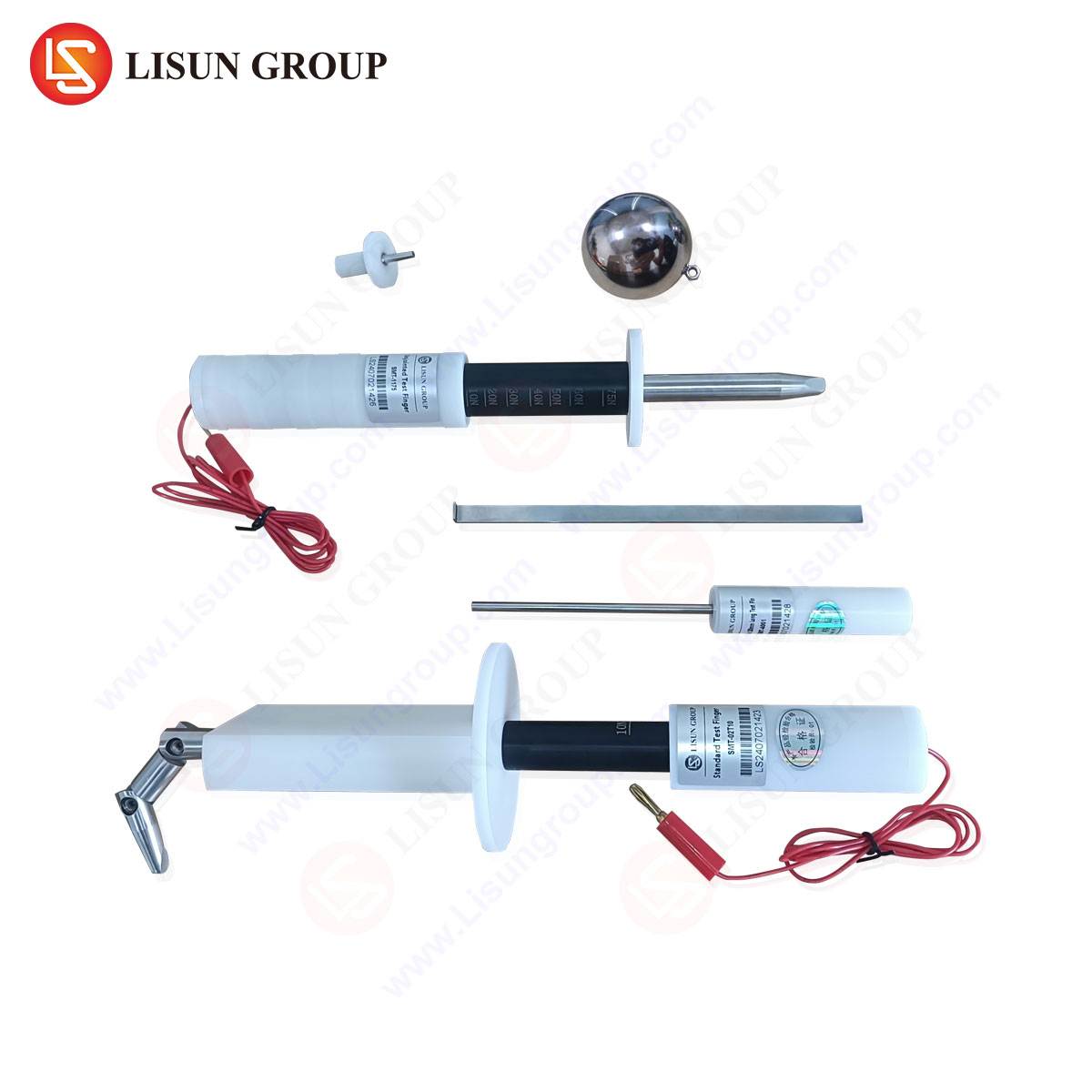
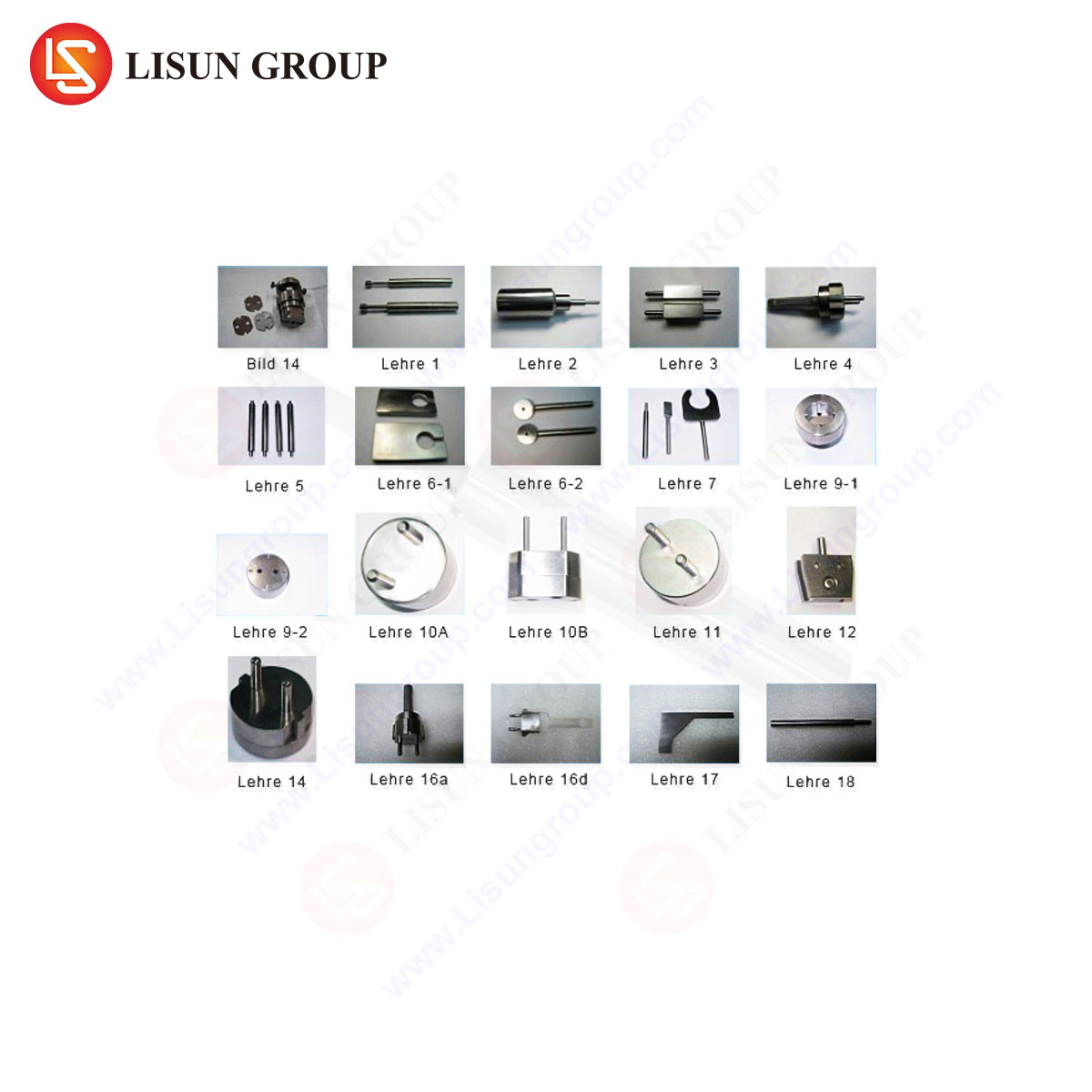
For lower levels (1-4), test probes—standardized “jointed test fingers,” steel wires, and steel rods of specified diameters—are applied with a defined force to assess accessibility. The test is deemed failed if the probe contacts live or moving parts. For higher levels (5 and 6), the focus shifts to dust ingress. The test apparatus involves a dust chamber, typically using talcum powder with a prescribed particle size distribution. The enclosure under test is subjected to a partial vacuum or pressure differential to induce airflow from the outside in, simulating operational thermal cycles. For IP5X (“Dust Protected”), the test duration is 8 hours, and the allowable dust ingress is insufficient to interfere with normal operation or impair safety. For IP6X (“Dust Tight”), the test is more severe, often with a longer duration or greater pressure differential, and requires that no dust enters the enclosure in a quantity that would cause harm.
Standardized Procedures for Liquid Ingress Protection (Second Characteristic Numeral)
Liquid ingress testing is markedly more complex due to the variety of water threats: dripping, spraying, splashing, jetting, and immersion. Each second-digit rating corresponds to a specific, reproducible test condition.
IPX1 & IPX2 (Dripping Water): The enclosure is subjected to vertically falling (IPX1) or tilted (15° for IPX2) droplets from a calibrated drip box or oscillating tube. The test duration is 10 minutes per relevant orientation.
IPX3 & IPX4 (Spraying Water): A spray nozzle or oscillating tube delivers water at a defined flow rate and pressure. IPX3 testing uses a oscillating tube or spray nozzle covering a 60° (vertical) or 180° (horizontal) arc. IPX4 employs a spray nozzle from all directions, simulating splashing. The test duration is typically 5-10 minutes per square meter of surface area, with a minimum of 5 minutes.
IPX5 & IPX6 (Water Jets): These tests involve direct, high-pressure water jets. An IPX5 test uses a 6.3mm nozzle delivering 12.5 L/min at 30 kPa from a distance of 3 meters. IPX6 is more severe, with a 12.5mm nozzle delivering 100 L/min at 100 kPa from 3 meters. The test duration is 1 minute per square meter, minimum 3 minutes.
IPX7 & IPX8 (Temporary & Continuous Immersion): IPX7 specifies immersion in 1 meter of water for 30 minutes. IPX8 is defined by the manufacturer and user, but involves continuous immersion under conditions more severe than IPX7 (e.g., deeper depth, longer duration, or with pressure).
IPX9K (High-Pressure, High-Temperature Spray): This is a specialized test, often for road vehicles and industrial cleaning environments. It uses a high-pressure (8-10 MPa), high-temperature (80°C) water jet from four specific angles (0°, 30°, 60°, 90°) for 30 seconds each.
Instrumentation for Precision: The LISUN JL-XC Series Waterproof Test Chamber
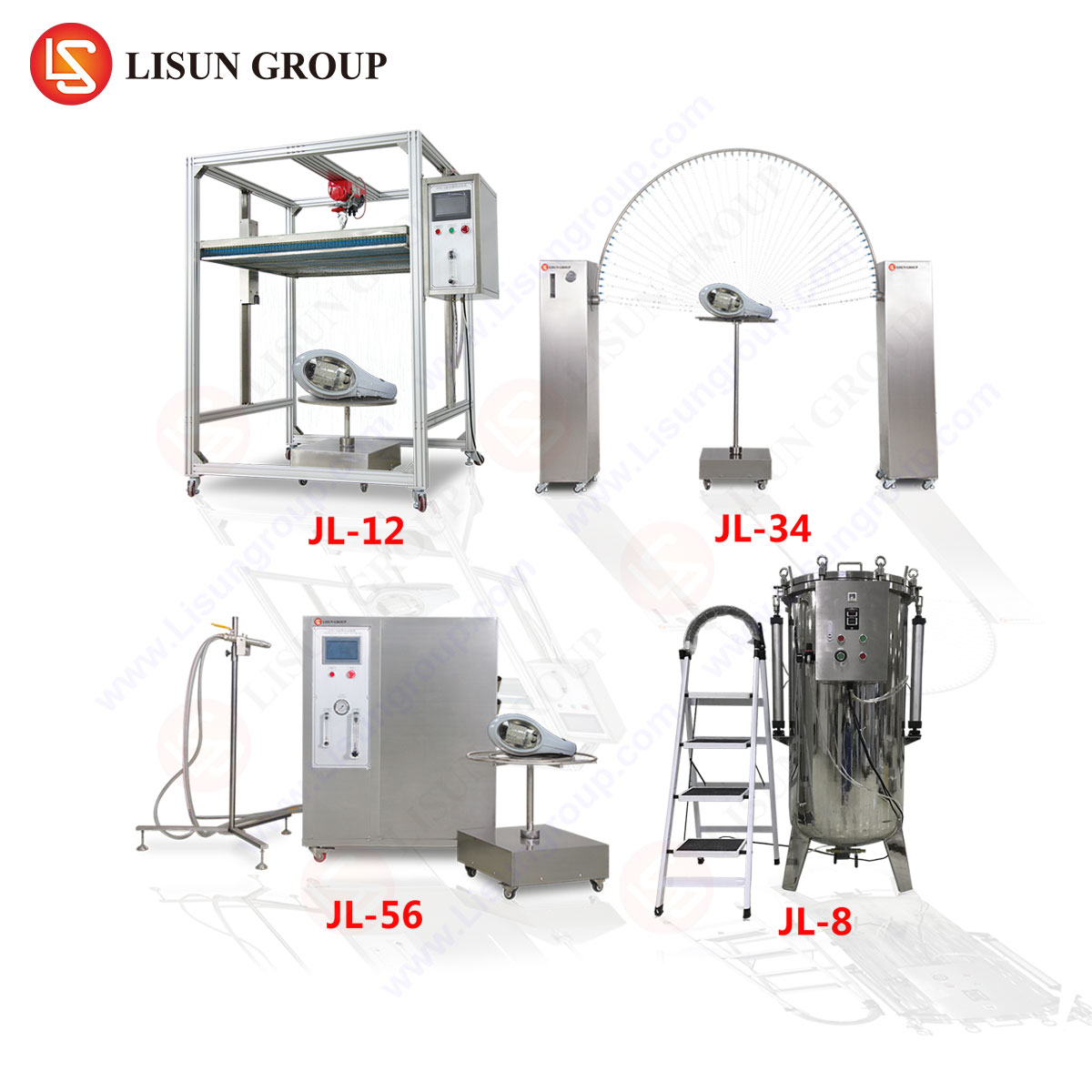
Accurate and repeatable IP testing necessitates instrumentation that can precisely replicate the conditions stipulated in IEC 60529. The LISUN JL-XC Series Waterproof Test Chamber represents a sophisticated platform engineered for this exact purpose. This integrated system is designed to execute a comprehensive range of IPX1 through IPX9K tests within a single, controlled unit, eliminating the need for multiple disparate test setups and enhancing laboratory efficiency.
Specifications and Testing Principles: The JL-XC chamber typically features a stainless-steel test chamber, a precision rotary table for sample rotation during spray tests, and a high-capacity water tank with temperature control for IPX7/8 immersion tests. Its core principle is the integration of multiple test systems: a drip system with adjustable flow, a spray system with calibrated nozzles and pressure gauges, a high-pressure pump for IPX5/6/9K, and an immersion tank. The system is governed by a programmable logic controller (PLC) and human-machine interface (HMI), allowing operators to select pre-programmed test standards or define custom parameters. For IPX9K testing, it integrates a water heating system and a high-pressure piston pump capable of delivering the required 80°C water at 8-10 MPa through a standardized fan nozzle.
Industry Use Cases: The versatility of the JL-XC Series makes it indispensable across sectors. In Automotive Electronics, it validates control units (ECUs) for IP67 (dust and temporary immersion) and IP69K (resistance to high-pressure washdown in engine bays). Lighting Fixture manufacturers use it to test outdoor and industrial luminaires for IP65/66 against rain and jets. For Medical Devices, it ensures the integrity of handheld diagnostic tools (IP22 against dripping) or surgical lights (IP44 against splashing). Telecommunications Equipment for 5G infrastructure requires IP65/67 validation for outdoor cabinets. The chamber can also test Electrical Components like connectors and Industrial Control Systems panels destined for harsh factory environments.
Competitive Advantages: The JL-XC Series distinguishes itself through several key attributes. Its all-in-one integration reduces capital expenditure and laboratory footprint. The programmable rotary table ensures uniform exposure during spray tests, critical for repeatability. Advanced water filtration and circulation systems maintain water purity, preventing nozzle clogging and test contamination. Furthermore, its compliance is traceable, with calibration ports for pressure and flow verification, ensuring test results are auditable and meet the stringent requirements of certification bodies like TÜV, UL, and Intertek.
Considerations for Test Execution and Result Interpretation
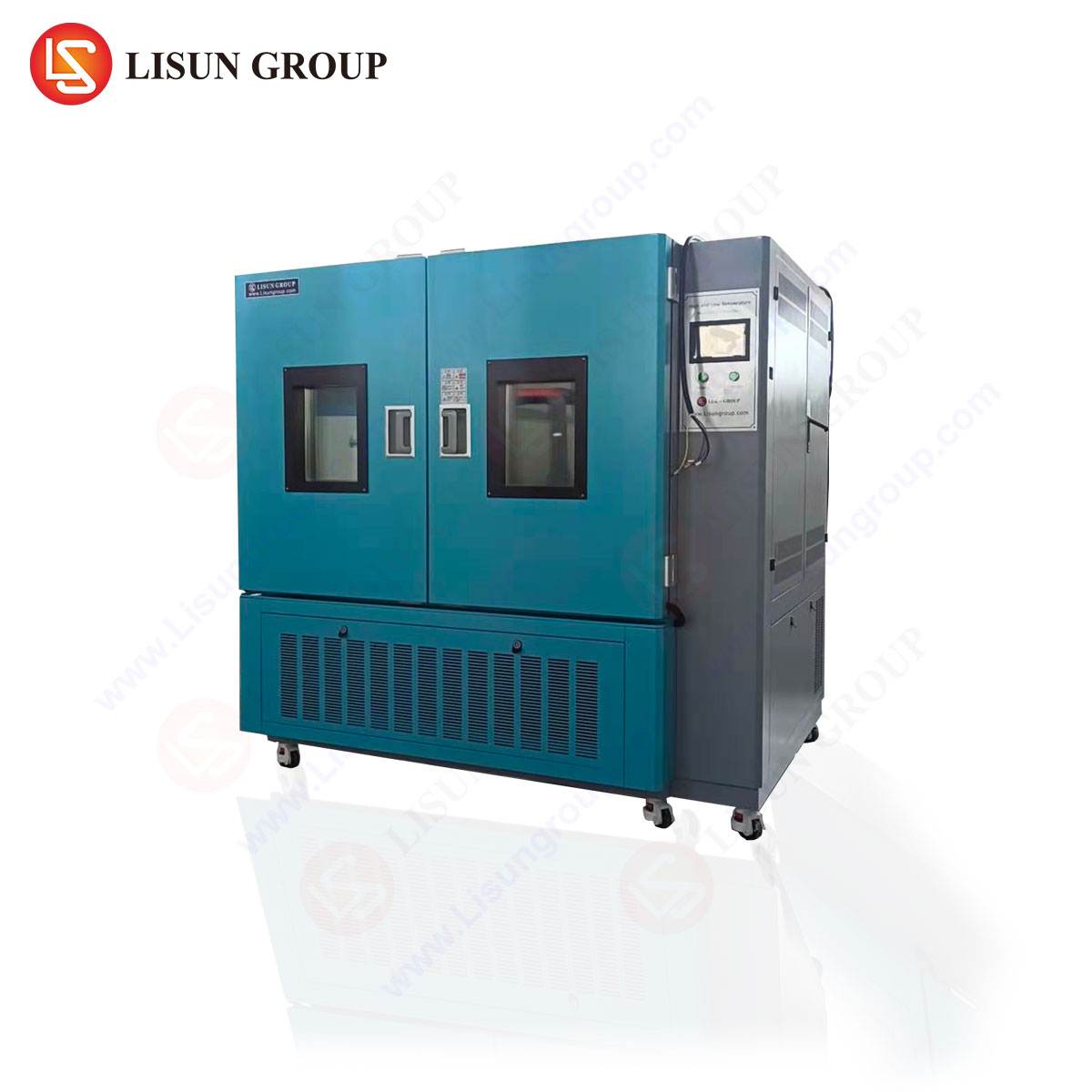
Executing an IP test is not a simple “pass/fail” checkbox. Pre-test conditioning is often required, such as bringing the enclosure to thermal equilibrium. The sample must be tested in its operational state—with seals fitted and glands tightened to specified torques. For liquid tests, the enclosure interior is often examined for traces of water ingress using indicators like blotting paper, visual inspection, or a functional check of internal electronics. It is vital to understand that IP ratings are assigned based on tests performed on new, undamaged samples under laboratory conditions; they do not account for long-term degradation of seals, mechanical wear, or corrosion.
Cross-Industry Implications of IP Rating Assurance
The ramifications of robust IP testing extend beyond product specification sheets. In Aerospace and Aviation, a failed IP test on a cabin pressure sensor could lead to erroneous readings. For Household Appliances, such as a food processor or outdoor speaker, inadequate splash protection (IPX4) poses both a safety hazard and a reliability issue. In Office Equipment, projectors or network switches in server rooms may require specific IP ratings to guard against accidental liquid spills from maintenance activities. The entire ecosystem of Cable and Wiring Systems, including junction boxes and conduit seals, relies on IP testing to ensure system-level protection. Therefore, rigorous IP validation is a cornerstone of product safety (preventing electric shock and fire), functional reliability (ensuring operational longevity), and ultimately, brand reputation.
Frequently Asked Questions (FAQ)
Q1: Can a product rated IP68 also be assumed to meet the requirements for IP65?
No. Ratings are not cumulative. IP68 defines continuous immersion under conditions agreed upon by the manufacturer, which may not involve high-pressure water jets. A product must be separately tested and certified to IP65 to claim resistance to water jets. Many products undergo sequential testing (e.g., IP6X, then IPX5, then IPX7/8) to achieve a composite rating like IP68, but this must be explicitly validated.
Q2: How does the LISUN JL-XC Series handle the transition between different test types, such as from IPX6 to IPX7?
The JL-XC Series is designed with modular functionality. The test chamber serves as the spray area for IPX1-6 and IPX9K tests. For IPX7/8 immersion tests, the same chamber or an integrated secondary tank is filled with water. The PLC-controlled system allows the operator to drain the chamber, configure the appropriate test head (nozzle, drip arm, etc.), and initiate the next test sequence, all with minimal manual intervention, ensuring efficient workflow and reducing cross-test contamination.
Q3: What is the significance of the “K” in IPX9K, and is it a common requirement?
The “K” in IPX9K was added in DIN 40050-9, a German standard later incorporated into IEC 60529, to distinguish it from the older IPX9 test. It specifically denotes high-pressure, high-temperature spray cleaning. It is most common in industries where equipment must withstand aggressive cleaning processes, such as automotive (vehicle washdown), food and beverage processing, and pharmaceutical manufacturing. It is not a general-purpose rating.
Q4: For IPX7/8 immersion testing, does the test sample need to be powered and operational during the test?
The standard does not universally require the sample to be operational during immersion. The primary criterion is the absence of harmful ingress. However, many manufacturers perform a functional test immediately after immersion to verify that no water has penetrated in a way that compromises operation. Some product-specific standards may mandate operational testing during immersion. The test conditions should always reflect the product’s real-world use case.
Q5: How often should a testing instrument like the JL-XC Series be calibrated to maintain accreditation?
To maintain ISO/IEC 17025 accreditation for a testing laboratory, all critical measuring instruments must be part of a documented calibration schedule. For the JL-XC, this typically includes annual calibration of pressure transducers, flow meters, temperature sensors, and timer functions. The high-pressure pump and nozzle alignment should also undergo periodic verification. Regular intermediate checks (e.g., using a graduated cylinder for flow verification) are recommended to ensure ongoing test validity between formal calibrations.