




A Technical Exposition on Ingress Protection (IP) Ratings: Standards, Testing Methodologies, and Industrial Applications
Introduction to Ingress Protection Classifications
The Ingress Protection (IP) rating system, codified under the international standard IEC 60529, provides a systematic and universally recognized classification for the degree of protection offered by mechanical casings and electrical enclosures against the intrusion of solid foreign objects, dust, accidental contact, and water. This alphanumeric designation serves as a critical technical specification, enabling engineers, procurement specialists, and regulatory bodies to accurately assess the environmental resilience of a device without reliance on ambiguous marketing terminology. The IP code’s primary function is to delineate precise testing parameters, thereby establishing a common technical language across diverse industries including Electrical and Electronic Equipment, Automotive Electronics, and Medical Devices. Its correct interpretation is fundamental to ensuring product reliability, safety compliance, and operational longevity in specified operating environments.
Deconstructing the IP Code: Numeric Significance and Interpretation
An IP code is structured as “IP” followed by two characteristic numerals, with the potential addition of optional supplemental letters. The first numeral, ranging from 0 to 6, specifies the level of protection against solid particle ingress. The second numeral, ranging from 0 to 9K, defines the level of protection against harmful ingress of water. It is imperative to note that these digits are independent; a high rating for water protection does not imply a correspondingly high rating for solids, and vice-versa.
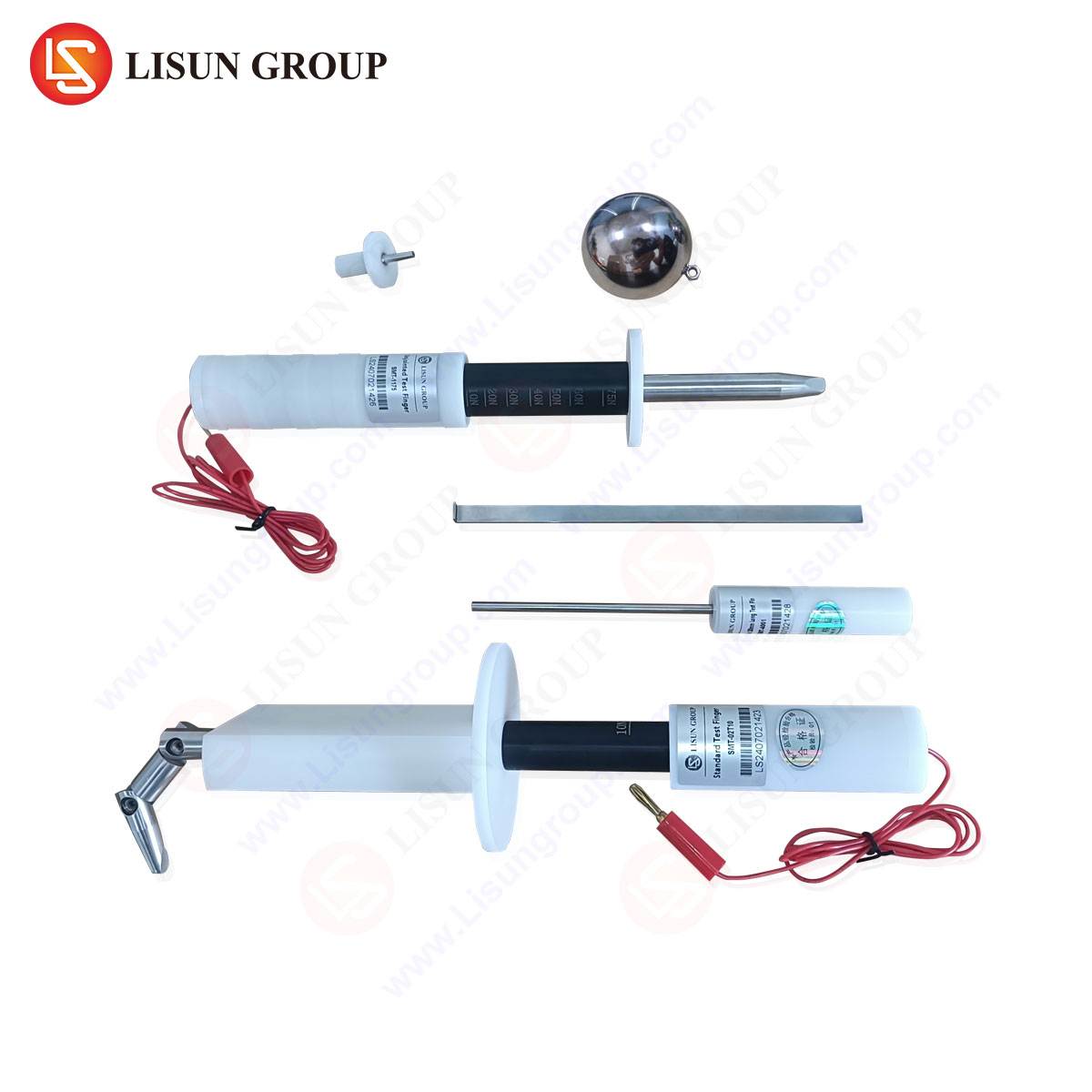
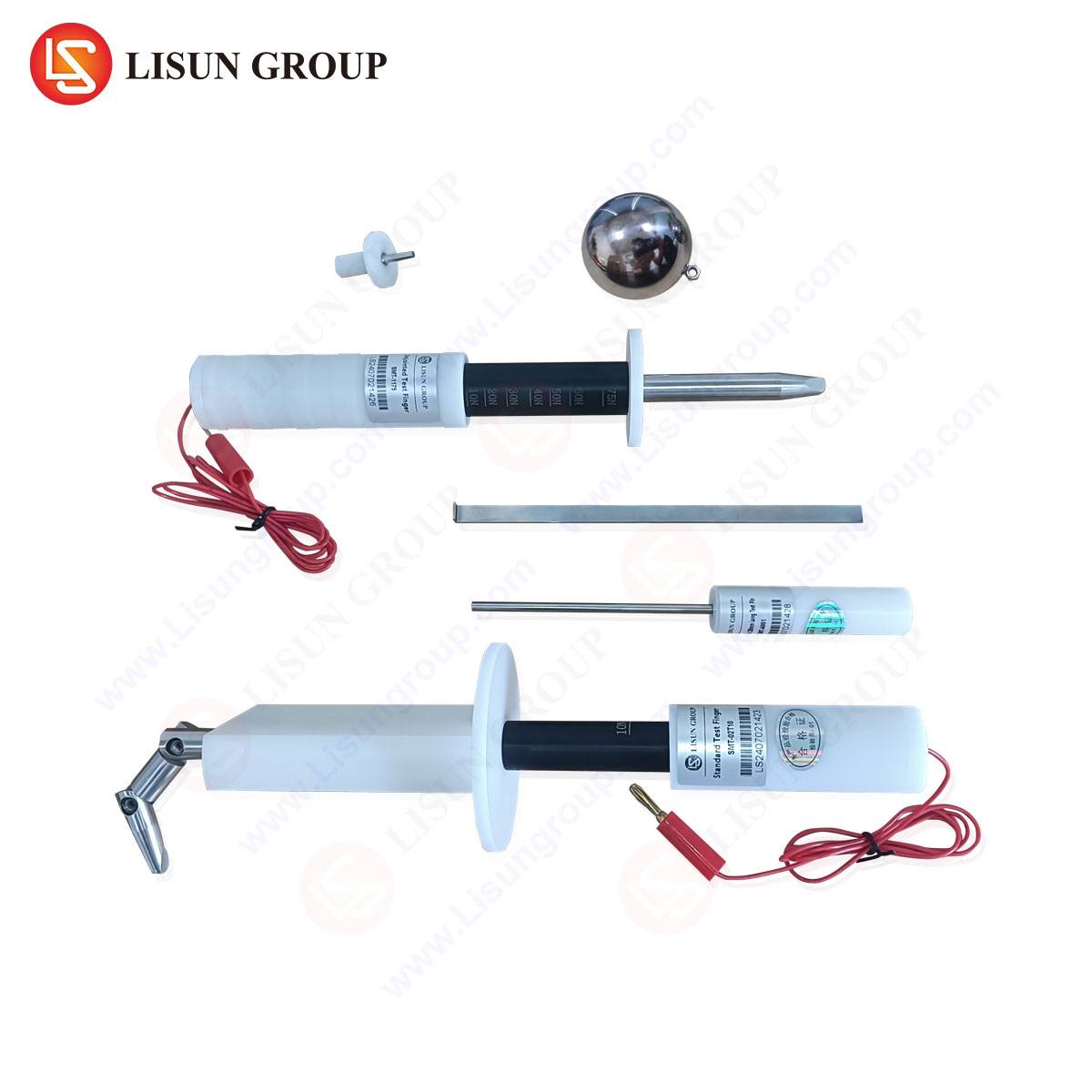
The first digit’s scale progresses from no specific protection (0) to complete dust-tightness (6). Intermediate levels define protection against objects like hands (1), fingers (2), tools and wires (3 & 4), and finally, dust-protected (5), where limited dust ingress is permissible provided it does not interfere with normal operation. The second digit’s scale is more complex, encompassing protection from vertically falling drops (1, 2) to spraying (3, 4), jetting (5, 6), temporary immersion (7), continuous immersion (8), and powerful high-temperature water jets (9K). The designation “X” may be used for either digit when that characteristic is not specified or not tested, though this is distinct from a rating of zero.
The Critical Role of Standardized Testing Equipment
Achieving and verifying an IP rating necessitates rigorous laboratory testing under controlled conditions that precisely simulate the environmental stresses defined by the standard. The integrity of the rating is wholly dependent on the accuracy, repeatability, and calibration of the testing apparatus. Specialized equipment is required to generate standardized conditions for dust exposure, drip, spray, jet, and immersion tests. For instance, a dust test chamber must maintain a specified concentration of fine talcum powder circulated by controlled negative pressure differentials, while water spray nozzles must conform to exact dimensional tolerances to deliver water flow at stipulated pressures and angles. The use of non-compliant or poorly calibrated equipment invalidates the test results, potentially leading to product failures in the field, safety hazards, and significant liability.
LISUN JL-XC Series: Precision in Water Ingress Validation
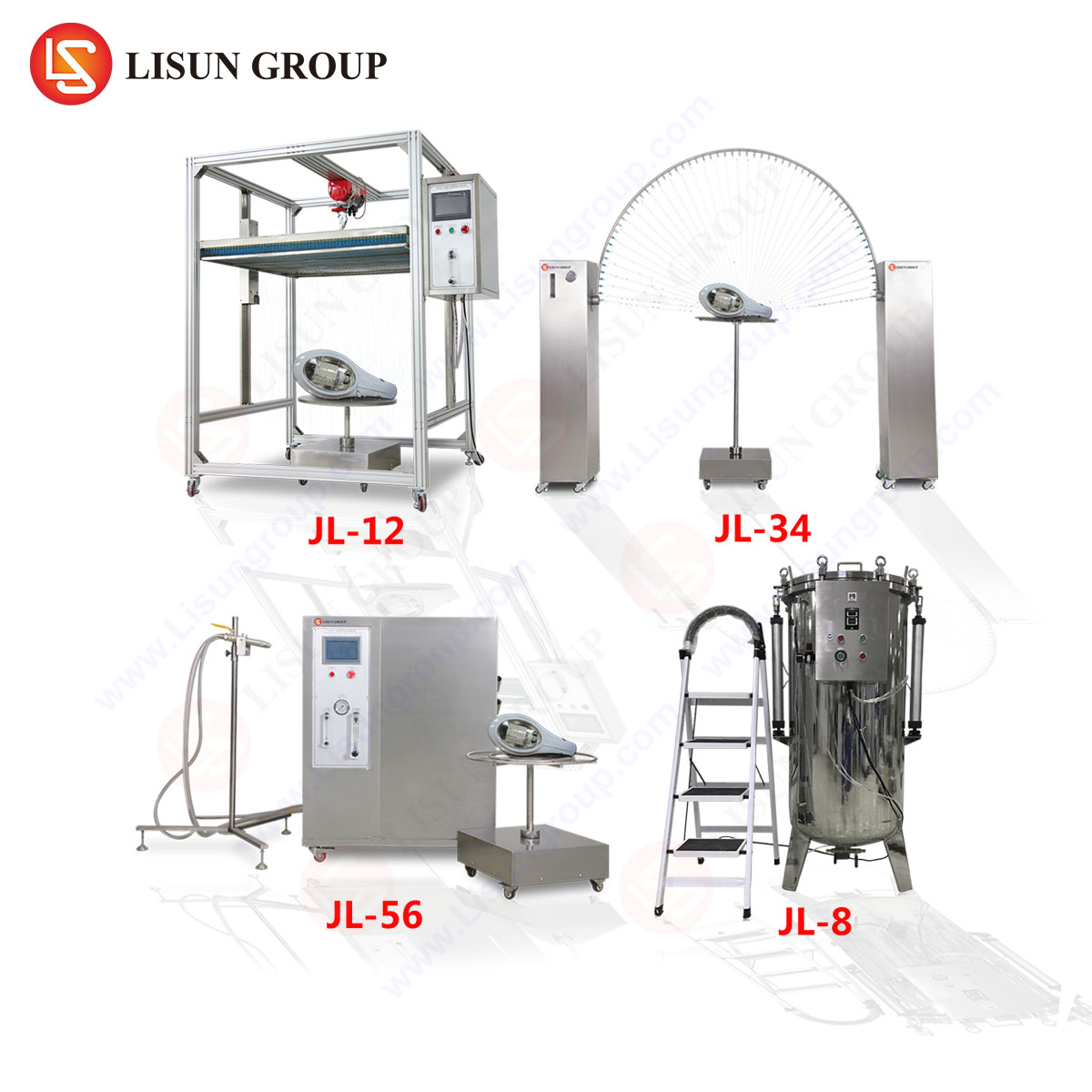
The LISUN JL-XC Series Waterproof Test Equipment represents a state-of-the-art solution for the comprehensive verification of IP ratings pertaining to liquid ingress (the second characteristic numeral). This series is engineered to deliver precise, reliable, and repeatable testing in accordance with IEC 60529, ISO 20653, and other related standards such as GB 4208. Its design philosophy centers on modular flexibility and rigorous control, accommodating the full spectrum of tests from IPX1 and IPX2 (drip) through IPX3 and IPX4 (spray) to IPX5 and IPX6 (powerful jetting), with configurations available for IPX7 (immersion) and IPX8 (high-pressure immersion) testing.
The core operational principle of the JL-XC Series involves the precise mechanical articulation of spray nozzles or the controlled manipulation of the test sample. For oscillating tube tests (IPX3/IPX4), the equipment automates a sweeping motion within a defined arc, ensuring uniform exposure of the test specimen to water spray from all protected directions. For jet tests (IPX5/IPX6), the apparatus employs nozzles of strict dimensional specification, fed by a pump system that maintains water pressure and flow rate within tight tolerances. The test duration, water temperature, and sample positioning are all programmable via an intuitive human-machine interface (HMI), which also logs all test parameters for audit trails and quality documentation.
Specifications and Competitive Advantages:
- Modular Test Chamber Design: Allows laboratories to configure a system tailored to their specific testing range (e.g., X3/X4/X5/X6), optimizing footprint and cost without compromising capability.
- High-Precision Components: Utilizes standardized test nozzles, calibrated pressure gauges, and flow meters to ensure strict adherence to the geometric and kinetic requirements of the IEC standard.
- Advanced Control System: The PLC-based controller with touchscreen HMI enables pre-programming of complex test sequences, including variable oscillation angles, test durations, and dwell times, enhancing testing throughput and consistency.
- Robust Construction and Safety: The chamber is fabricated from corrosion-resistant stainless steel and features comprehensive electrical safety isolation, drainage systems, and viewing windows with internal illumination for safe observation.
- Broad Industry Applicability: The JL-XC Series is deployed across sectors for validating the waterproof integrity of automotive lighting and sensors, outdoor telecommunications cabinets, industrial control panels, street lighting fixtures, and consumer electronics such as smartwatches and portable speakers.
Industrial Applications and Compliance Imperatives
The application of IP ratings is pervasive across technology-driven industries, each with distinct environmental challenges. In Automotive Electronics, components like door control units, exterior-mounted cameras, and battery management systems for electric vehicles may require ratings from IPX4 (splash resistance) for interior zones to IP6K9K for underbody components exposed to high-pressure washing and road debris. Lighting Fixtures for outdoor, industrial, or marine use commonly demand IP65 (dust-tight and protected against water jets) or IP67 (dust-tight and immersible) to ensure performance in rain, humidity, or wash-down environments.
Medical Devices present a critical use case, where IP ratings safeguard both patient safety and device functionality. Surgical hand tools may require IPX7 or IPX8 for sterilization via immersion, while bedside monitors in ICUs might be rated IP22 to protect against accidental spills and finger contact. In Aerospace and Aviation, components within avionics bays or on aircraft exteriors are tested to rigorous environmental conditions, often exceeding standard IP codes with additional specifications for pressure cycling and temperature extremes. Electrical Components such as industrial switches, sockets, and junction boxes are routinely specified with IP44 (splash-proof) or IP65 ratings for installation in damp or dusty locations, directly impacting electrical safety.
Beyond the Basics: Supplementary Letters and Industry-Specific Extensions
While the core numeric digits are most prevalent, the IP code can be appended with optional supplementary letters providing further information. For example, the letter ‘K’ in the second digit position (as in 9K) specifies testing with high-pressure, high-temperature water jets, a requirement particularly relevant for road vehicles (ISO 20653). Supplemental letters placed after the digits can denote resistance to specific hazards: ‘H’ for high-voltage apparatus, ‘M’ for device motion during water testing, ‘S’ for device stationary during water testing, and ‘W’ for suitability under specified weather conditions.
Furthermore, industries often develop complementary or extended standards. The automotive sector’s ISO 20653 incorporates the IP scale but adds specific testing for chemical resistance. The NEMA (National Electrical Manufacturers Association) enclosure ratings used in North America are not directly equivalent to IP codes but share overlapping intent, requiring careful cross-referencing for global market compliance.
Methodological Considerations in IP Testing Protocols
A critical, often overlooked, aspect of IP validation is the condition of the device under test (DUT). Standards mandate that testing be performed on enclosures in their “as-used” state, with all seals, cable glands, and movable parts (like doors or covers) properly installed and secured. For electrical equipment, it is typically tested in a non-operational state, though some standards for specific products may require powered operation during or after exposure to verify functionality. The post-test examination is equally systematic, involving visual inspection for water or dust ingress, and functional checks. For lower IPX ratings, a test for water harmfulness may involve placing a tissue paper inside the enclosure; any trace of moisture indicates failure. For higher immersion ratings, verification often involves checking for continuity or insulation resistance post-test.
Conclusion: IP Ratings as a Foundation for Reliability Engineering
The IP rating system is far more than a simple product label; it is an integral component of reliability engineering and risk mitigation. It provides a quantifiable, repeatable framework for designing, specifying, and validating the environmental robustness of enclosures. As products become more interconnected and deployed in increasingly harsh or critical environments—from deep-sea sensors to desert-deployed telecommunications gear—the precision offered by certified testing equipment like the LISUN JL-XC Series becomes indispensable. Accurate IP classification, grounded in standardized testing, directly correlates with reduced field failure rates, enhanced user safety, lower total cost of ownership, and compliance with international regulatory and safety frameworks. It transforms environmental resilience from an ambiguous claim into a measurable, trustworthy engineering parameter.
Frequently Asked Questions (FAQ)
Q1: Can a product rated IP67 also be considered compliant with IP65 requirements?
Yes, a product that achieves an IP67 rating (dust-tight and protected against temporary immersion) inherently meets the requirements for all lower water ingress ratings, including IP65 (dust-tight and protected against water jets). The testing for IP7 (immersion) is more severe than that for IP5 (jetting). However, this “downward compatibility” is not always reciprocal; an IP65-rated product is not necessarily suitable for immersion.
Q2: What is the significance of water temperature in IPX9K testing, and how does the JL-XC Series manage this?
The IPX9K test, critical for automotive and heavy industrial components, specifies a water jet of 80±5°C at high pressure (8-10 MPa). The elevated temperature tests the thermal shock resistance of seals and materials. The LISUN JL-XC Series, when configured for IPX9K testing, integrates a precision water heating and temperature control system to maintain this stringent temperature requirement throughout the test duration, ensuring the validity of the results.
Q3: For a device with multiple cable entry points, how is the overall IP rating validated?
The IP rating applies to the complete enclosure as it is intended to be used. During testing, all cable glands, connectors, and conduit entries must be installed as per the manufacturer’s instructions, often using the specified torque values. The test evaluates the integrity of the entire sealed system. A common cause of test failure is improper installation of cable glands during the test setup, not a flaw in the enclosure itself.
Q4: How often should IP testing equipment, such as the JL-XC Series, be recalibrated?
Recalibration intervals depend on usage frequency, environmental conditions of the lab, and accreditation requirements (e.g., ISO/IEC 17025). As a general guideline, critical components like pressure gauges, flow meters, and timer functions should undergo annual calibration by an accredited body. Regular in-house verification checks using master gauges are also recommended to ensure ongoing accuracy between formal calibrations.
Q5: Does an IP rating imply any level of protection against corrosive chemicals or mechanical impact?
No. The IP rating system solely addresses ingress of solids and water. It does not cover resistance to corrosive substances, solvents, UV radiation, mechanical shock (e.g., IK code), or extreme temperatures. These characteristics must be specified separately, often referenced in other standards or material datasheets. An enclosure may be IP68 but constructed from a plastic that degrades rapidly in sunlight or certain chemical fumes.