

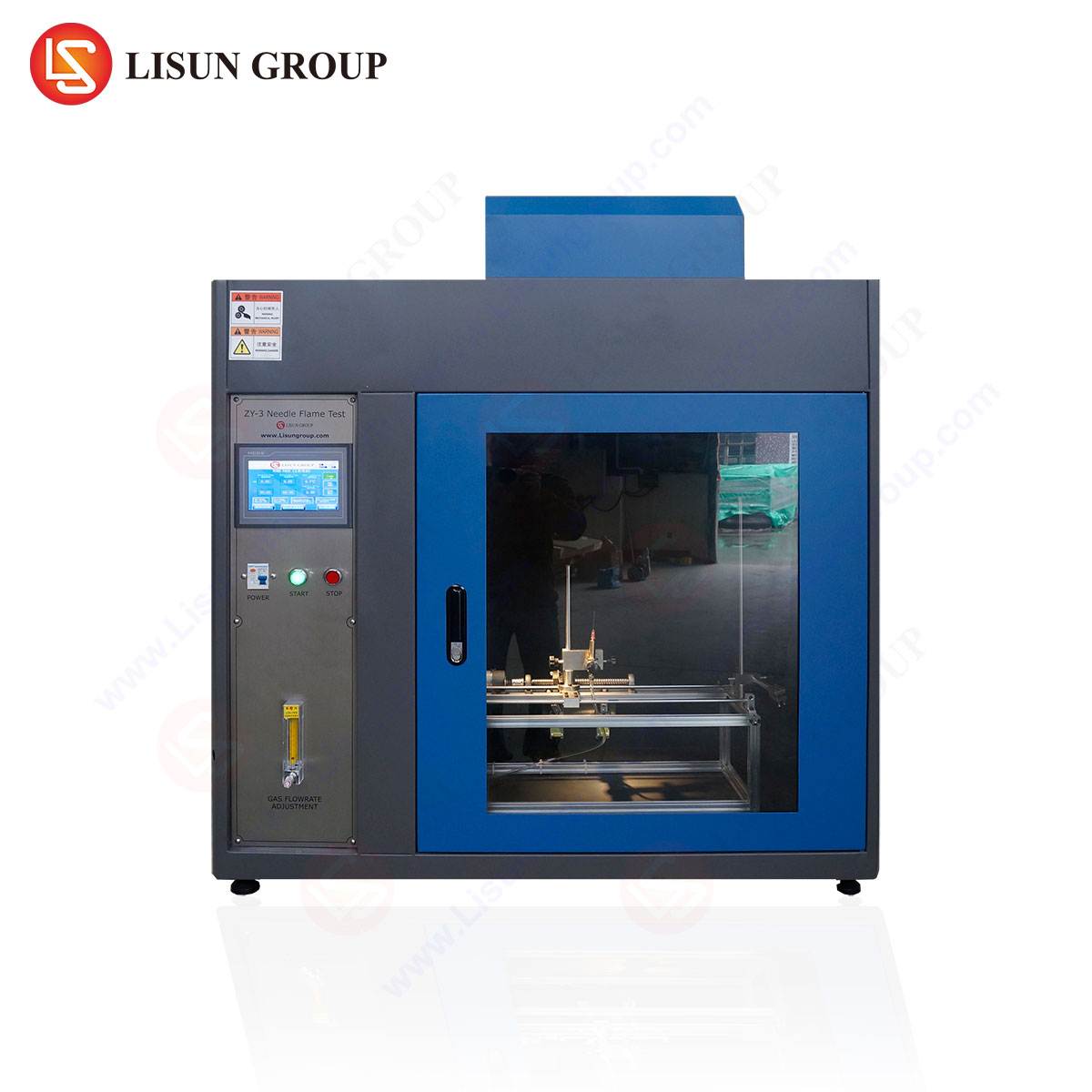



A Technical Examination of IP Rating Test Chambers: Design, Implementation, and Validation for Modern Electronic Enclosures
Introduction to Ingress Protection (IP) Testing and Its Critical Role in Product Reliability
The long-term operational integrity and safety of electrical and electronic equipment are fundamentally contingent upon the resilience of their enclosures against environmental ingress. The International Electrotechnical Commission (IEC) standard 60529, commonly referenced as the IP Code, provides a globally recognized classification system for the degrees of protection offered by enclosures against the intrusion of solid foreign objects (including dust) and water. Compliance with specified IP ratings is not merely a regulatory formality but a core engineering requirement across industries where product failure can result in safety hazards, significant financial loss, or operational downtime. To validate these ratings under controlled, repeatable, and severe conditions, specialized IP Rating Test Chambers are employed. These chambers simulate a spectrum of environmental challenges, from directed water jets to complete immersion, enabling manufacturers to empirically verify enclosure performance prior to market release. This article provides a detailed technical analysis of IP test chamber design principles, operational methodologies, and their application in validating products against the rigorous demands of contemporary use environments.
Fundamental Design Architecture of Modern IP Test Chambers
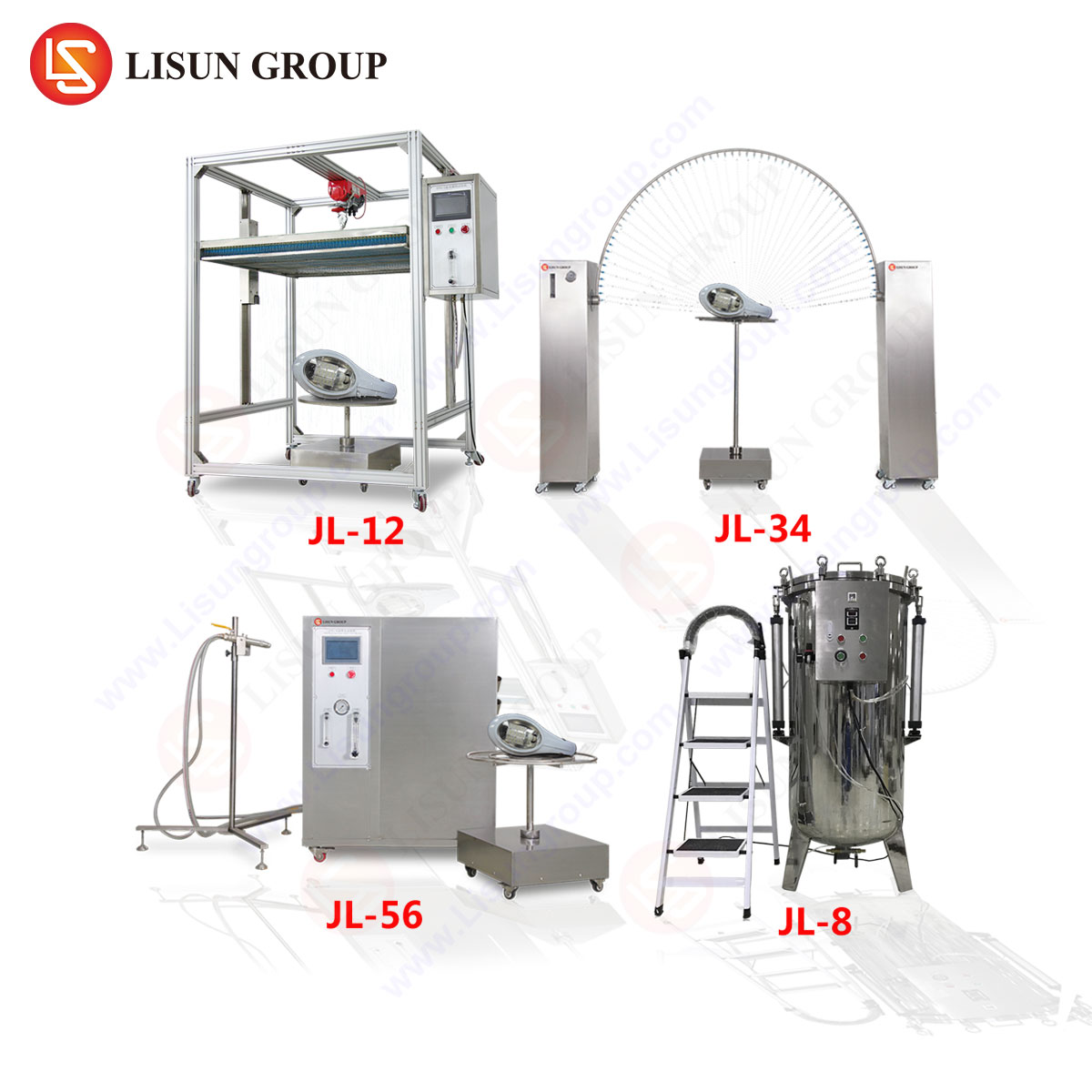
A sophisticated IP test chamber is an integrated electromechanical system engineered to deliver precise and reproducible test conditions. Its architecture typically comprises several key subsystems. The primary chamber structure is constructed from corrosion-resistant materials such as stainless steel (e.g., SUS304) to withstand constant exposure to water and, in some models, corrosive solutions. A transparent viewing window, made from high-strength polycarbonate or laminated glass, allows for real-time observation of the test specimen without interrupting the procedure. The water management system is paramount, consisting of a reservoir, filtration units, pumps for pressure generation, and precision nozzles or spray heads calibrated to specific IP code requirements (e.g., IPX3/4 oscillating tube or IPX5/6 nozzle). Temperature conditioning systems may be integrated to control water temperature per standards such as IEC 60068-2-18, which can influence seal performance. The specimen table is a critical component, often motorized to provide tilting or rotation, simulating product orientation during exposure. Advanced chambers incorporate programmable logic controllers (PLCs) and human-machine interfaces (HMIs) for automated test sequencing, parameter logging, and safety interlock management, ensuring adherence to standardized test durations, flow rates, and pressures.
The JL-XC Series: A Paradigm of Integrated Waterproof Testing Solutions
The LISUN JL-XC Series of IP waterproof test equipment exemplifies the integration of robust engineering with flexible, standards-compliant operation. Designed as a comprehensive solution for IPX1 to IPX6 testing, the series consolidates multiple test methodologies into a single, configurable platform. Its core design philosophy centers on modular adaptability, allowing the same base unit to be configured for drip, spray, or powerful jet testing through the interchange of standardized nozzle assemblies and control parameters.
The chamber’s construction utilizes SUS304 stainless steel for the main cabinet and water tank, ensuring longevity. A key operational feature is its dual-test capability: the integrated specimen table can perform both drip tests (IPX1/IPX2) by tilting at specified angles and spray/jet tests (IPX3-IPX6) via a motorized rotation, ensuring uniform exposure from all directions. The water circulation system employs a high-pressure stainless steel pump, with flow controlled by precision regulators and monitored by digital flowmeters, guaranteeing that the water output meets the exacting requirements for each IP grade—for instance, 12.5 L/min ±5% for IPX5 or 100 L/min ±5% for IPX6 from a distance of 2.5 to 3 meters.
The control system is centered on a Siemens PLC and a touch-screen HMI, providing an intuitive interface for setting test duration, rotation speed, water flow, and interval spraying cycles. This automation eliminates manual timing errors and ensures perfect repeatability between tests. The JL-XC Series is explicitly designed for compliance with IEC 60529, GB 4208, and other equivalent national standards, making it a versatile tool for global product certification.
Operational Principles and Standards Alignment for Key IP Ratings
The testing principles enforced by chambers like the JL-XC Series are dictated entirely by the linguistic specifications of IEC 60529. For the first characteristic numeral (solid particle protection), separate dust test chambers are used, employing talcum powder and vacuum-driven pressure differentials. For the second characteristic numeral (water protection), the methodologies are more varied and are the primary focus of waterproof test chambers.
IPX1 and IPX2 (Vertical and 15° Drip Tests): The specimen is placed on a tilting table. A calibrated “drip box” with a grid of nozzles simulates condensation or light rain, delivering 3-5 mm droplets at a rate of 1 mm/min for 10 minutes per specified orientation.
IPX3 and IPX4 (Oscillating Tube and Spray Tests): Here, a pendulum tube or a spray nozzle with a baffled aperture is used. For IPX3, the oscillating tube sprays water at an angle of up to 60° from vertical at a flow of 0.07 L/min per hole for 10 minutes. IPX4 utilizes a similar but more aggressive spray from all directions, simulating splashing water. The JL-XC’s rotating table ensures the specimen is exposed from every angle during the test cycle.
IPX5 and IPX6 (Water Jet and Powerful Water Jet Tests): These are high-pressure tests requiring significant pump capacity. A 6.3mm nozzle is used for IPX5 (12.5 L/min at 30 kPa from 2.5-3m), and a 12.5mm nozzle for IPX6 (100 L/min at 100 kPa from 2.5-3m). The chamber must maintain stable pressure and flow for the 3-minute test duration per square meter of the specimen, with the nozzle manually or automatically traversed.
IPX7 and IPX8 (Temporary and Continuous Immersion): These require separate immersion tanks. IPX7 specifies immersion for 30 minutes at a depth of 1 meter, while IPX8 is defined by a manufacturer-specified agreement, often involving greater depths and pressures, simulating prolonged submersion.
Industry-Specific Applications and Validation Imperatives
The demand for IP-rated validation spans virtually every sector employing electrical enclosures.
- Automotive Electronics: Components like electronic control units (ECUs), sensors, and lighting assemblies (headlamps, taillights) must withstand high-pressure jet washing (IPX6K/9K), road spray (IPX4), and humidity. The JL-XC Series can perform the critical IPX5/6 tests that validate resistance to undercarriage spray and pressure washing.
- Lighting Fixtures: Outdoor, industrial, and marine lighting must be impervious to rain, hose-directed water, and, for submerged applications, full immersion. Testing with chambers ensures gasket integrity and lens sealing.
- Consumer Electronics & Telecommunications: Smartphones, wearables, and outdoor telecom cabinets claim ratings like IP67 or IP68. Chambers provide the controlled environment to verify these claims against dust and water ingress before mass production.
- Medical Devices: Portable monitors, surgical tools, and imaging equipment may require splash resistance (IPX4) for cleaning or higher ratings for use in humid environments. Testing mitigates the risk of fluid ingress causing device failure or electrical safety issues.
- Industrial Control Systems & Electrical Components: Panel-mounted switches, PLCs, and motor drives in factories are exposed to washdowns and particulate. IP65/66/67 testing is common, ensuring operational reliability in harsh industrial settings.
- Aerospace and Aviation: Avionics bay components and external sensors require validation against condensation and pressurized fluid ingress, often following stringent DO-160 or MIL-STD standards that reference IP test principles.
Technical Advantages of Integrated Test Systems in Manufacturing and R&D
The implementation of a system like the JL-XC Series confers several distinct advantages over ad-hoc or manual testing setups. First is standardization and repeatability. Automated control of time, pressure, flow, and specimen motion removes operator variance, producing auditable test data that is defensible for certification bodies like TÜV, UL, or Intertek. Second is operational efficiency. Consolidating multiple IPX tests into one chamber reduces laboratory footprint, minimizes setup time between different test types, and streamlines the validation workflow from R&D prototyping to final quality assurance audits. Third is data integrity. Integrated sensors and digital logging capture the exact test parameters (flow rate, pressure, temperature, duration) for each test, creating a permanent, traceable record for compliance documentation and failure analysis. Finally, safety and containment are engineered into the design. Enclosed chambers with sealed viewing windows and proper drainage protect laboratory personnel and infrastructure from high-pressure water spray, while also safely containing any potential debris from a failing test specimen.
Considerations for Chamber Selection, Calibration, and Maintenance
Selecting an appropriate IP test chamber requires a detailed analysis of product specifications and testing volumes. Key selection criteria include the range of IP ratings required, maximum specimen dimensions and weight, available laboratory space and utilities (water supply, drainage, electrical power), and the desired level of automation. Crucially, the chamber must be capable of being calibrated. Regular calibration of flowmeters, pressure gauges, timer functions, and nozzle dimensions is essential to maintain compliance with IEC 60529. This typically involves traceable calibration equipment and may be performed annually or per the manufacturer’s quality schedule.
Preventive maintenance is equally vital for sustained accuracy. This includes periodic cleaning of filters and nozzles to prevent clogging from particulate matter in the water, inspection and lubrication of mechanical components like rotating tables and pump seals, and verification of the integrity of electrical safety interlocks. A well-maintained chamber ensures not only the validity of test results but also extends the operational lifespan of a significant capital investment.
Conclusion
IP Rating Test Chambers are indispensable instruments in the engineering and qualification lifecycle of modern electronic products. They provide the empirical bridge between theoretical enclosure design and proven field performance under adverse environmental conditions. As products continue to evolve for use in more demanding and varied environments—from smart home devices exposed to spills to ruggedized equipment for industrial IoT—the role of precise, reliable, and comprehensive testing equipment only grows in importance. Systems engineered with flexibility, automation, and strict standards compliance, such as the JL-XC Series, empower manufacturers across diverse industries to achieve and validate the ingress protection that is a cornerstone of product quality, safety, and market competitiveness.
Frequently Asked Questions (FAQ)
Q1: Can a single chamber like the JL-XC Series test for both dust (first digit) and water (second digit) IP ratings?
A1: No. The JL-XC Series is specifically designed for waterproof testing (the second characteristic numeral, IPX1 to IPX6). Testing for dust ingress (the first characteristic numeral, IP1X to IP6X) requires a separate, specialized dust test chamber. These chambers operate on a different principle, using talcum powder circulated in a controlled manner with a vacuum system to create a pressure differential across the specimen enclosure.
Q2: How does the chamber simulate real-world conditions like wave impacts or high-pressure steam cleaning?
A2: Standard IP testing (IPX5/IPX6) simulates hose-down and jet cleaning. For more severe conditions, specific standards apply. For example, IPX6K (defined in ISO 20653 and DIN 40050-9) uses a more powerful water jet for automotive applications. IPX9K simulates high-pressure, high-temperature washdowns often used in agriculture and heavy industry. These require specialized chambers with heating elements and even higher-pressure pumps, which are typically distinct from standard IPX5/6 equipment.
Q3: Our product requires IP68 testing for immersion at 2 meters depth. Can the JL-XC Series perform this test?
A3: The JL-XC Series covers IPX1 to IPX6. IPX7 and IPX8 (immersion tests) require a separate immersion tank or pressure vessel. IPX8 testing, in particular, involves a negotiated depth and pressure between the manufacturer and the user, often requiring a pressurized immersion tank capable of maintaining a specific pressure (e.g., corresponding to 2 meters depth or more) for an extended, agreed-upon duration.
Q4: What is the importance of water temperature control during testing?
A4: While not always specified in IEC 60529 for basic IPX1-X6 tests, controlling water temperature is critical for certain applications and more advanced standards. For example, testing to environmental standards like IEC 60068-2-18 may require water to be within a specific range (e.g., 5°C to 25°C differential from the specimen) to assess thermal shock effects on seals. Temperature-controlled chambers ensure tests are repeatable and account for material expansion/contraction.
Q5: How often should the nozzles and flowmeters on an IP test chamber be calibrated?
A5: Calibration frequency should be defined by the user’s quality management system, typically aligned with ISO/IEC 17025 guidelines if used for certified testing. A common practice is annual calibration of all critical measuring instruments (flowmeters, pressure gauges, timers) by an accredited laboratory. Nozzles should be inspected for wear and dimensional accuracy periodically, as even minor erosion can significantly alter spray patterns and flow rates, invalidating test results.