




Comprehensive Methodologies for Validating Ingress Protection (IP) Ratings in Electronic and Electrical Equipment
Introduction to Ingress Protection Rating Validation
The Ingress Protection (IP) rating system, codified under international standard IEC 60529, provides a definitive classification for the degree of protection offered by an enclosure against the intrusion of solid foreign objects and liquids. For manufacturers across a spectrum of industries, from automotive electronics to medical devices, achieving and verifying a specific IP rating is not merely a matter of compliance but a fundamental requirement for product reliability, safety, and market acceptance. The validation process demands precise, repeatable, and standardized testing methodologies executed with specialized equipment. This article delineates the technical principles, procedural frameworks, and advanced instrumentation essential for rigorous IP rating verification, with a particular focus on integrated testing solutions that ensure fidelity to international standards.
Foundational Principles of Solid Particle Ingress Testing
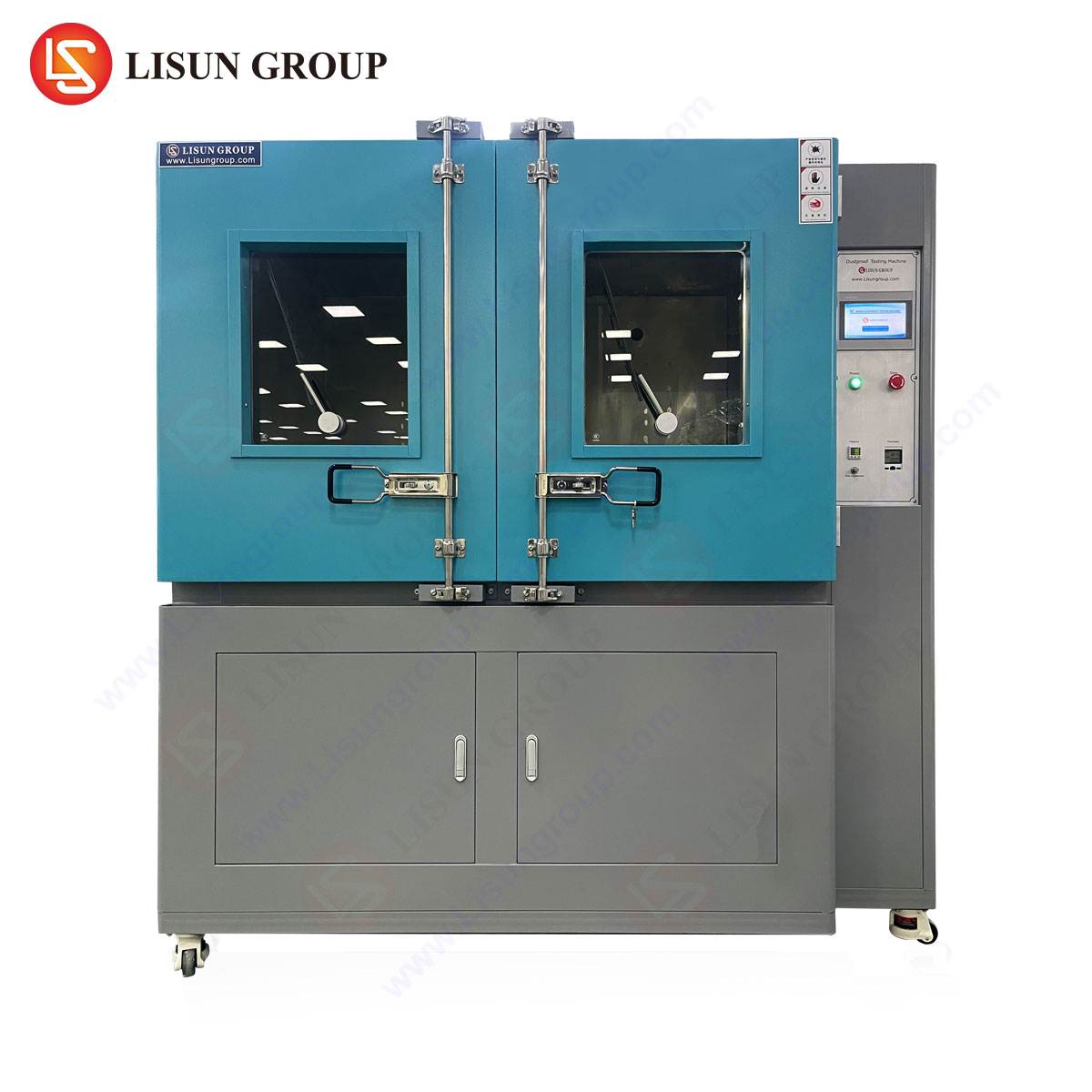
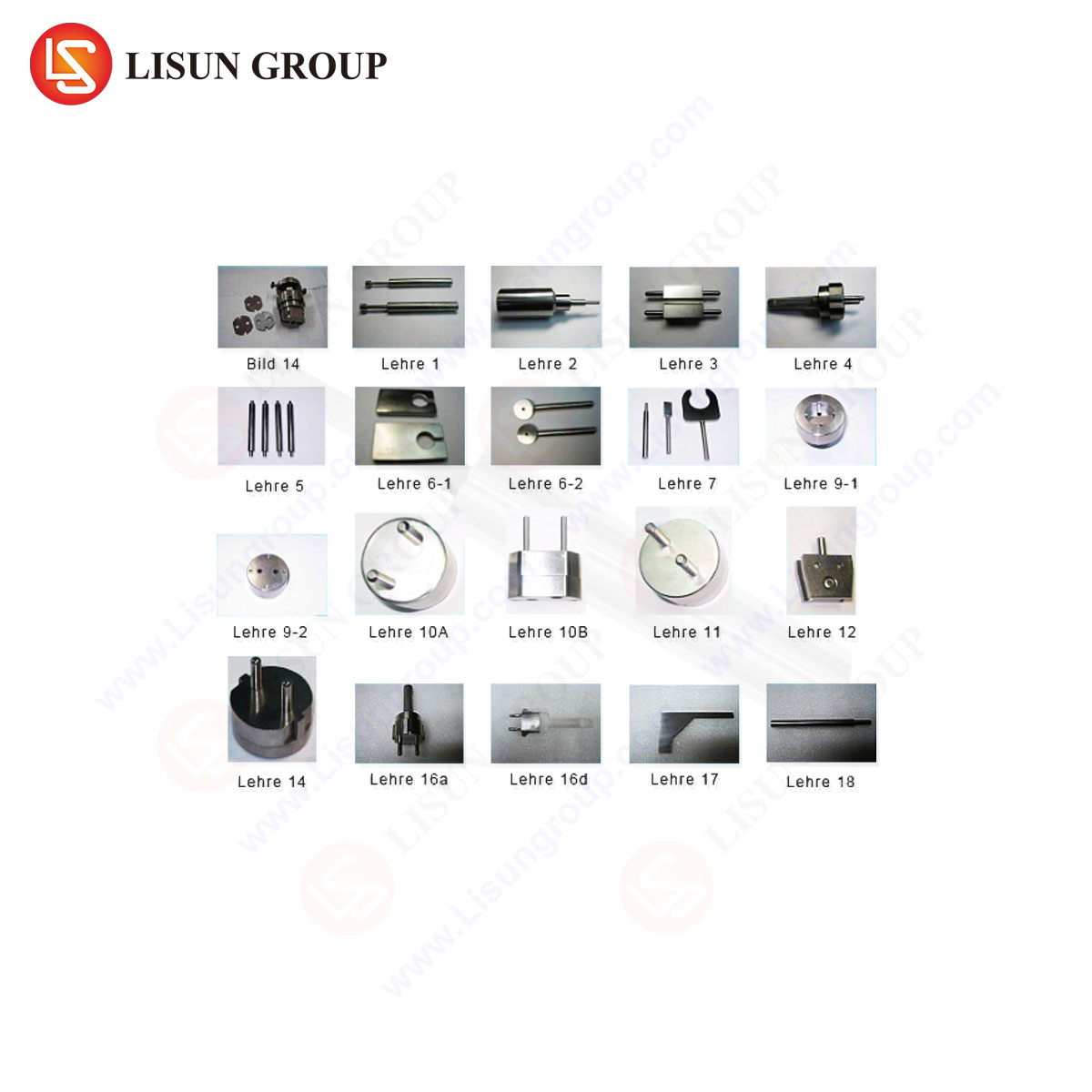
The first numeral in an IP code denotes protection against solid objects, ranging from large body parts (e.g., hands) to microscopic dust particles. Testing for these ratings involves calibrated tools and controlled environmental conditions. For lower levels (IP1X to IP4X), standardized test probes—such as the jointed test finger, the sphere, and the wire—are applied with specified forces to ensure no hazardous part is accessible. The transition to dust protection begins at IP5X, “dust protected,” which is tested using a vacuum-driven or pumped talcum powder circulation within a dust chamber. The definitive test, IP6X or “dust tight,” requires a more severe and sustained exposure. The enclosure is subjected to a fine talcum powder atmosphere under a partial vacuum, with the internal and external pressure differential maintained as per IEC 60529. The test assesses whether any dust penetrates in sufficient quantity to interfere with normal operation or impair safety. For components like industrial control systems or aerospace avionics, where conductive dust can cause short circuits, this test is critical.
Hydrodynamic Simulation in Liquid Ingress Testing
The second numeral of the IP code defines protection against moisture and water ingress, encompassing scenarios from dripping water to powerful jets and submersion. Each test level simulates a distinct environmental condition. IPX1 and IPX2 tests involve dripping water at defined angles, relevant for equipment like indoor lighting fixtures or office electronics exposed to condensation. IPX3 and IPX4 utilize oscillating tube or spray nozzle apparatuses to simulate splashing water from any direction, a common requirement for household appliances or outdoor electrical components. The IPX5 and IPX6 tests employ high-pressure water jets (12.5 mm and 6.3 mm nozzles respectively) at specified flow rates and distances, simulating conditions encountered by automotive electronics during wheel wash or telecommunications equipment in exposed sites. IPX7 and IPX8 involve temporary or continuous immersion under pressure, crucial for waterproof consumer electronics, submersible sensors, or medical devices requiring sterilization. The precision of these tests hinges on exacting control over water pressure, flow rate, nozzle distance, dwell time, and, for immersion, depth and duration.
Integrated Testing Systems for Comprehensive Compliance
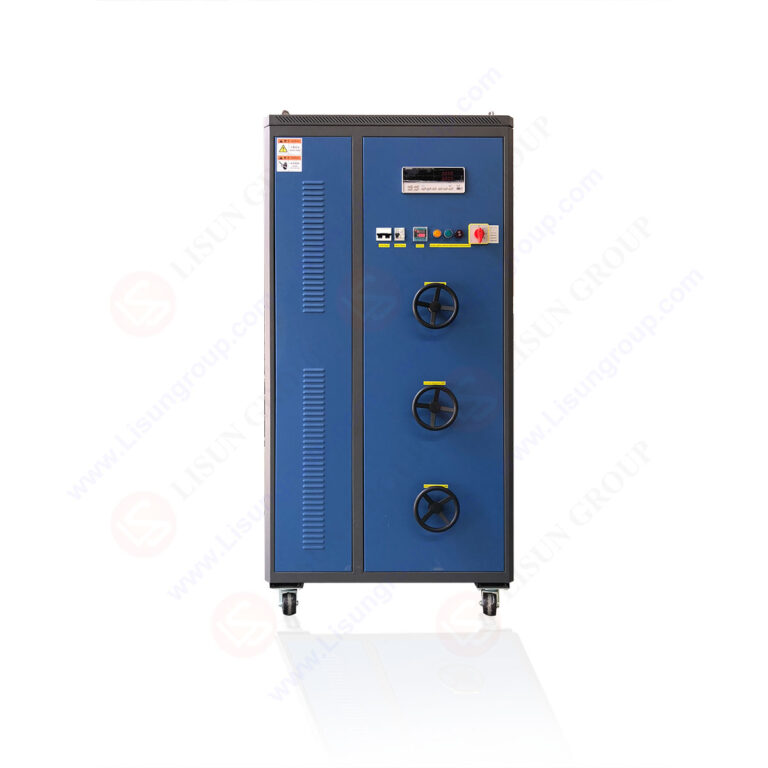
To achieve efficiency and reproducibility, modern testing laboratories and quality assurance departments employ integrated IP rating test systems. These systems consolidate multiple test capabilities—for dust, dripping water, spray, jet, and immersion—into unified platforms with programmable logic controller (PLC) automation. Such integration eliminates inconsistencies associated with manual setup transitions between test types, ensures strict adherence to timing and pressure parameters, and provides comprehensive data logging for audit trails. An advanced example of this integrated approach is the LISUN JL-XC Series Multi-Function Waterproof Test Chamber.
The JL-XC Series is engineered as a complete solution for verifying IP ratings from IPX1 to IPX8, and can be configured with complementary dust test chambers for full IP code validation. Its core design principle is the modular integration of test apparatuses within a single, robust stainless-steel chamber, controlled via a touch-screen human-machine interface (HMI). The system automates the execution of complex test sequences, such as cycling between spray angles or precisely controlling immersion tank elevation.
Key Specifications and Testing Principles:
- Test Range: Comprehensively covers IPX1 to IPX8.
- Chamber Construction: Fabricated from SUS304 stainless steel, ensuring corrosion resistance and long-term durability under constant water exposure.
- Water System: Incorporates a temperature-controlled water reservoir, high-precision pressure sensors, and variable-frequency drive pumps to maintain exacting pressure and flow rates as mandated by IEC 60529 for each test level.
- Immersion Mechanism: For IPX7/IPX8, an electrically controlled lift platform lowers the test specimen into a water tank to a programmable depth (up to 2 meters standard, with deeper configurations available), holding it for the required duration.
- Control and Monitoring: The PLC-based system allows for pre-programmed test profiles, real-time monitoring of pressure, flow, time, and temperature, and automatic shutdown upon test completion or fault detection. Data is recorded for certification purposes.
Industry-Specific Applications of IP Testing Protocols
The application of IP rating tests is dictated by the operational environment of the end product. In Automotive Electronics, components like electronic control units (ECUs), sensors, and connectors routinely require validation against IPX6 (high-pressure jets) and IPX7 (temporary immersion) to withstand underbody spray and accidental submersion. Lighting Fixtures for outdoor, industrial, or marine use must prove compliance with IP65 (dust tight and protected against water jets) or IP67. Medical Devices, particularly those used in surgical settings or requiring liquid chemical disinfection, often mandate IPX7 or IPX8 ratings to ensure functionality and patient safety. Telecommunications Equipment housed outdoors, such as 5G small cells or fiber optic terminal enclosures, are typically rated IP55 or higher to resist dust and rain. Aerospace and Aviation Components undergo severe IP testing to ensure operation in environments with high humidity, condensation, and potential fluid leaks. The integrated nature of the JL-XC Series allows a single testing station to serve these diverse industry needs, streamlining the R&D and quality control workflow for manufacturers producing a wide portfolio of products.
Advantages of Automated, Multi-Function Testing Platforms
Deploying an integrated system like the JL-XC Series confers several technical and operational advantages over disparate, manually operated test setups. First, it ensures standardization and repeatability. Automated control of every parameter removes operator-induced variables, yielding test results that are consistent and directly comparable across production batches and time. Second, it enhances testing efficiency. Complex multi-stage tests (e.g., a sequence of spray, jet, and immersion) can be programmed and run unattended, freeing technical staff for other tasks and accelerating product validation cycles. Third, it improves data integrity and traceability. The integrated digital logging provides an immutable record of test conditions and outcomes, which is invaluable for internal audits, third-party certification submissions, and potential defect investigations. Finally, it offers long-term cost-effectiveness. While the capital investment is significant, it consolidates multiple pieces of equipment into one, reduces labor costs, minimizes water and energy waste through recirculation systems, and lowers the risk of non-compliance and product recalls due to inadequate testing.
Calibration, Maintenance, and Standards Adherence
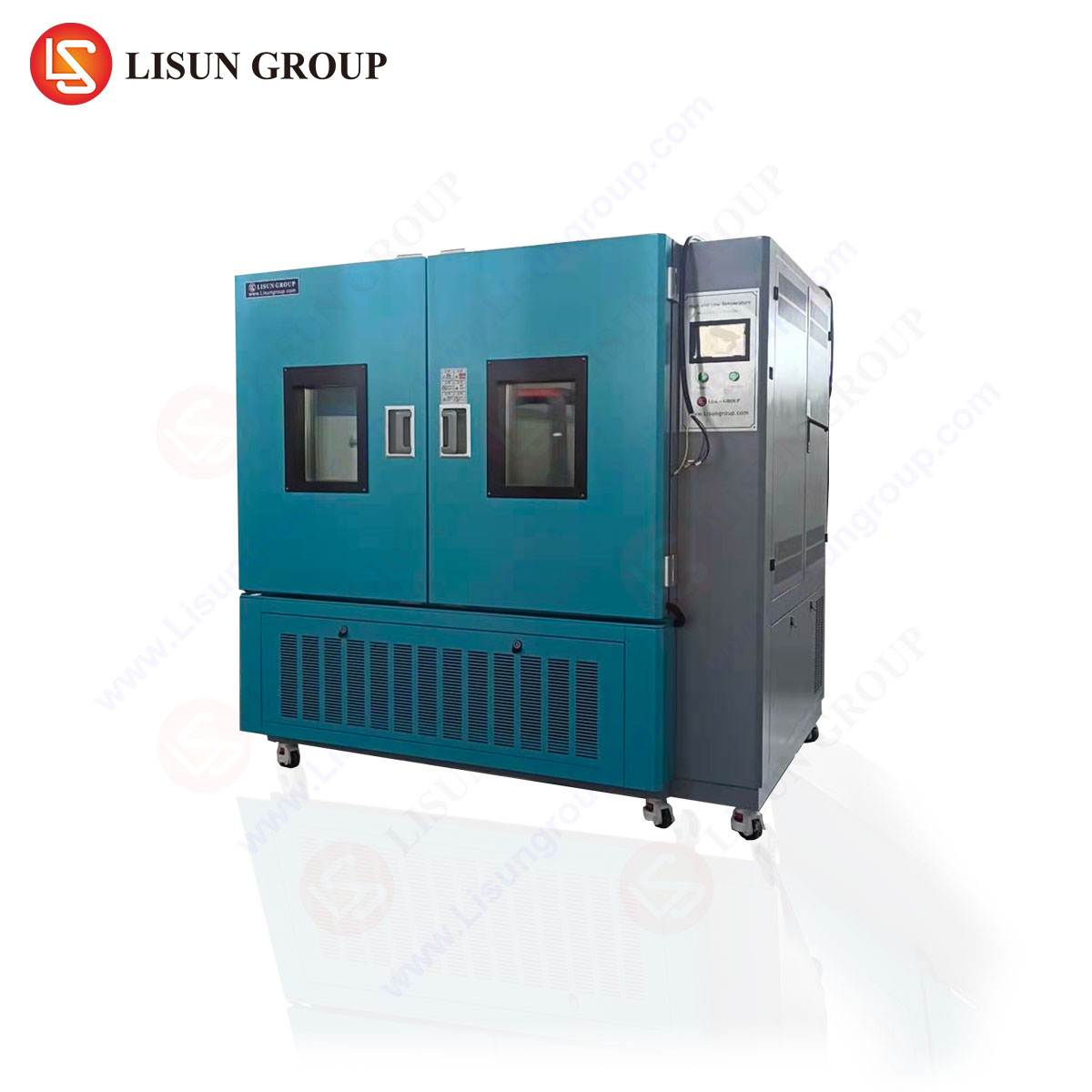
The validity of IP testing is contingent upon the calibrated accuracy of the equipment. Nozzle diameters, water pressure gauges, flow meters, and timing mechanisms require regular calibration traceable to national standards. Maintenance protocols, such as filter replacement for water systems and seal inspections, are essential to prevent drift in test conditions. Integrated systems simplify this regimen by centralizing critical components. Furthermore, testing must be conducted with explicit reference to the full suite of relevant standards, which extend beyond IEC 60529. These may include ISO 20653 (road vehicles), MIL-STD-810G (military), or specific industry appendices that define preconditioning (e.g., thermal cycling) prior to ingress testing. A sophisticated testing platform should offer the flexibility to accommodate these pre-conditioning requirements within its operational protocol.
Conclusion: Ensuring Reliability through Rigorous Verification
In an increasingly interconnected and demanding technological landscape, the resilience of electrical and electronic equipment to environmental ingress is a non-negotiable attribute. The process of IP rating validation is a sophisticated engineering discipline that translates abstract code numbers into proven product durability. By leveraging integrated, automated, and precise testing solutions such as multi-function waterproof test chambers, manufacturers can achieve a high degree of confidence in their product claims. This rigorous approach to verification not only fulfills regulatory and contractual obligations but also fundamentally underpins brand reputation, user safety, and the long-term reliability of products across every sector of modern industry.
Frequently Asked Questions (FAQ)
Q1: Can the JL-XC Series test chamber be used to perform testing according to standards other than IEC 60529?
A1: Yes. While its core design is optimized for IEC 60529, the programmability and parameter control (pressure, flow, time, immersion depth) of the JL-XC Series allow it to be configured for many analogous tests defined in other standards, such as ISO 20653 for automotive components or specific clauses of MIL-STD-810. However, the test specimen preparation, preconditioning, and pass/fail criteria must always be dictated by the target standard.
Q2: How is the water quality managed in a recirculating system for prolonged testing, especially for IPX7/IPX8 immersion?
A2: The JL-XC Series typically includes a water filtration and conditioning system. This involves particulate filters and often UV sterilization or chemical treatment to inhibit biological growth. Maintaining clean water is critical to prevent clogging of fine spray nozzles, avoid contaminating the test specimen, and ensure the long-term hygiene and operational reliability of the test equipment itself. Regular water quality checks and system maintenance are part of the recommended operational procedure.
Q3: For an IPX8 test, which requires continuous immersion under conditions specified by the manufacturer, how does the system accommodate varying depth and pressure requirements?
A3: The immersion mechanism of the JL-XC Series is designed for flexibility. The lift platform’s stopping depth is programmable via the HMI, allowing it to achieve immersion depths beyond the standard 2 meters if a deeper tank is installed. The key for IPX8 is that the test is agreed upon between manufacturer and user. The system provides the precise control over depth and duration to faithfully execute any such bilateral agreement, with the pressure at depth being a function of the hydrostatic head.
Q4: What are the critical preparatory steps for a test specimen before undergoing IPX5 or IPX6 high-pressure jet testing?
A4: Proper preparation is vital. The specimen should be mounted in its normal operating position on the test chamber’s turntable. All cable ports or openings that would be sealed in actual use must be sealed for the test unless the test is specifically evaluating those ports. The equipment is typically operated during the test (switched “on”) to detect ingress more readily. Any protective covers must be installed as per the manufacturer’s instructions. A preliminary visual inspection and functional check should be documented.
Q5: How does integrated testing improve the accuracy of tests like IPX3 and IPX4, which involve oscillating spray?
A5: Manual execution of oscillating tube tests requires precise timing of oscillations and can be prone to human error in maintaining the correct radius and spray pattern. An integrated system automates this entirely. The PLC controls the oscillating mechanism to ensure the exact angular range (e.g., ±60° for IPX3, ±180° for IPX4) and oscillation rate are maintained for the full test duration. This eliminates variance and guarantees the specimen is exposed to spray from all intended directions uniformly.