




A Comprehensive Technical Guide to IP Ratings: Standards, Testing Methodologies, and Industrial Applications
Introduction to Ingress Protection Classifications
The Ingress Protection (IP) rating system, codified under the International Electrotechnical Commission standard IEC 60529, provides a definitive and internationally recognized framework for classifying the degree of protection offered by mechanical casings and electrical enclosures against the intrusion of solid foreign objects and liquids. This classification serves as a critical technical specification for designers, engineers, and procurement specialists across a multitude of industries. An accurate IP rating is not merely a marketing claim but a quantifiable assurance of product durability, safety, and reliability in specified environmental conditions. Misinterpretation or misapplication of these ratings can lead to premature device failure, safety hazards, and significant financial liability. Consequently, a rigorous understanding of the IP code’s structure, the standardized testing procedures that validate it, and the equipment required to perform these tests is fundamental to modern product development and quality assurance.
Deconstructing the IP Code: A Two-Digit Numerical Designation
The IP code is expressed as “IP” followed by two characteristic numerals. The first digit indicates the level of protection against solid particle ingress, while the second digit defines protection against liquid ingress. It is imperative to note that if a characteristic is not specified or tested, it is denoted by the letter “X” (e.g., IPX7, where solid particle protection is not defined).
The first characteristic numeral, ranging from 0 to 6, defines protection against access to hazardous parts and the ingress of solid foreign objects. A rating of 0 offers no special protection, whereas a rating of 6 indicates complete protection against dust ingress under prolonged vacuum conditions, ensuring no harmful deposit of dust occurs. The second characteristic numeral, ranging from 0 to 9K, specifies protection against the harmful ingress of water. This scale is not linear; it encompasses specific test conditions from vertically falling drops (1) to powerful high-temperature water jets (9K). Notably, ratings for temporary or continuous immersion (7 and 8) are distinct from high-pressure, low-pressure, or jet spray tests. It is a common misconception that a higher second digit universally implies protection against all conditions covered by lower digits; the standard defines specific tests, and manufacturers must test for each condition claimed.
The Critical Role of Standardized Testing Apparatus
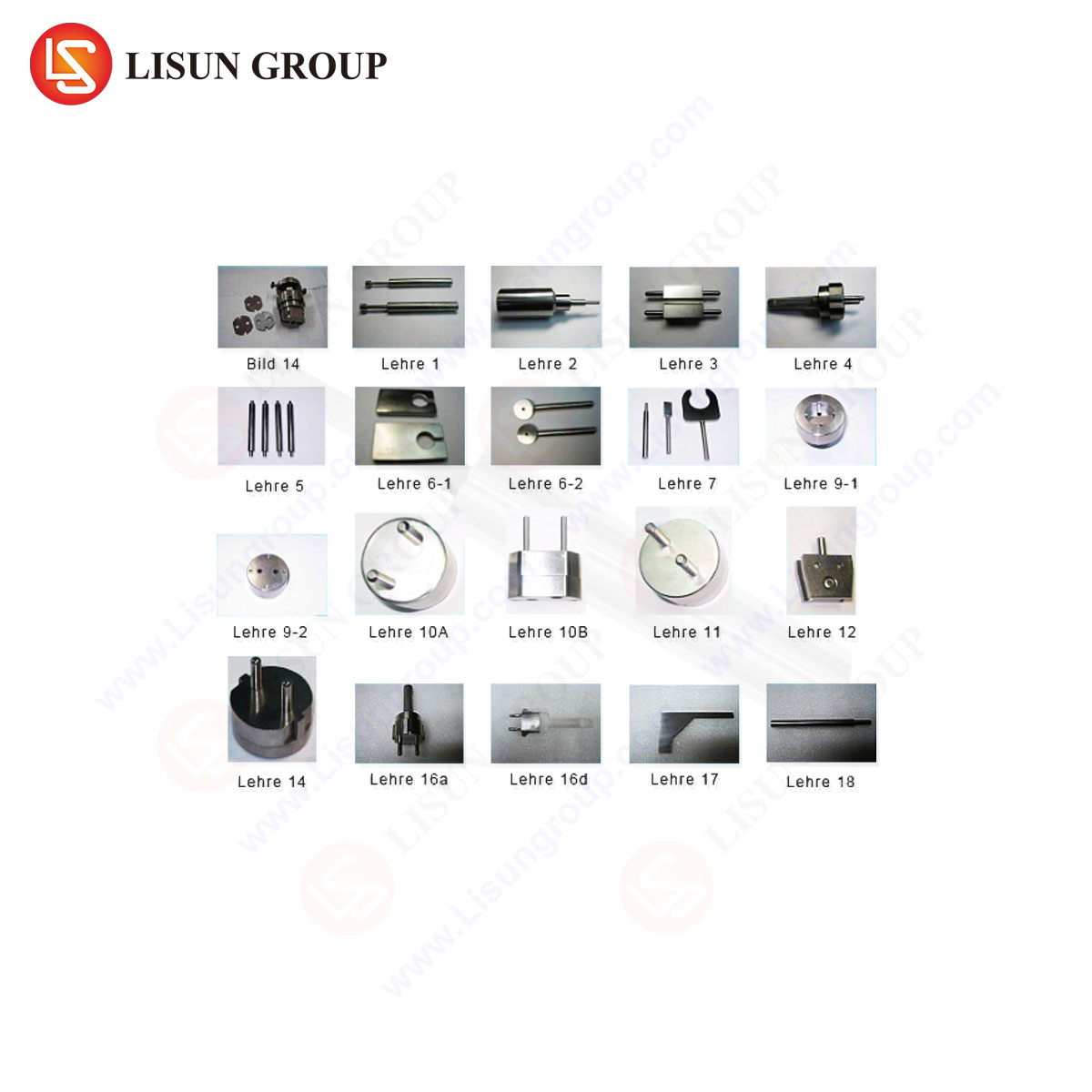
Verification of an IP rating claim necessitates the use of precisely calibrated testing equipment that replicates the conditions stipulated in IEC 60529 and related standards (e.g., ISO 20653 for automotive). The reliability of the test result is directly contingent upon the accuracy, repeatability, and controllability of this apparatus. Testing equipment must manage critical parameters including water pressure, flow rate, nozzle diameter, spray angle, sample distance, test duration, and for dust tests, talcum powder density and airflow. Manual or improvised testing setups introduce unacceptable variables, rendering results non-compliant and legally indefensible.
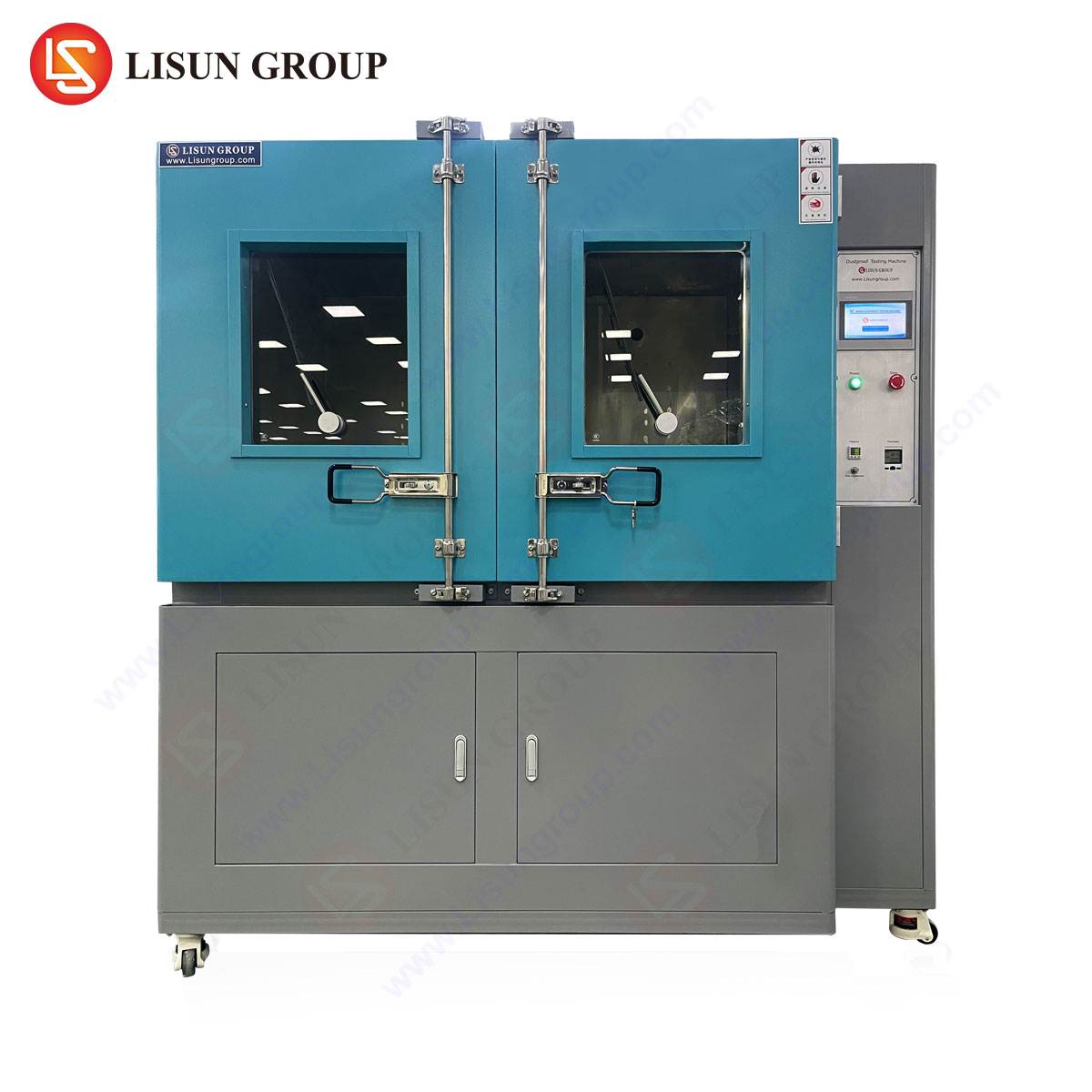
Specialized chambers and fixtures are employed for different ratings. Dust test chambers, for instance, create a controlled talcum powder atmosphere with regulated airflow and vacuum to simulate prolonged exposure. For water tests, equipment ranges from drip boxes for IPX1 and IPX2 to oscillating tube or spray nozzle apparatus for IPX3 and IPX4, and high-pressure jet nozzles for IPX5, IPX6, and IPX9K. The most demanding tests, IPX7 and IPX8 for immersion, require tanks capable of submerging enclosures to specified depths and durations, with precise control over the immersion medium.
The JL-XC Series: Engineered for Precision in Water Ingress Testing
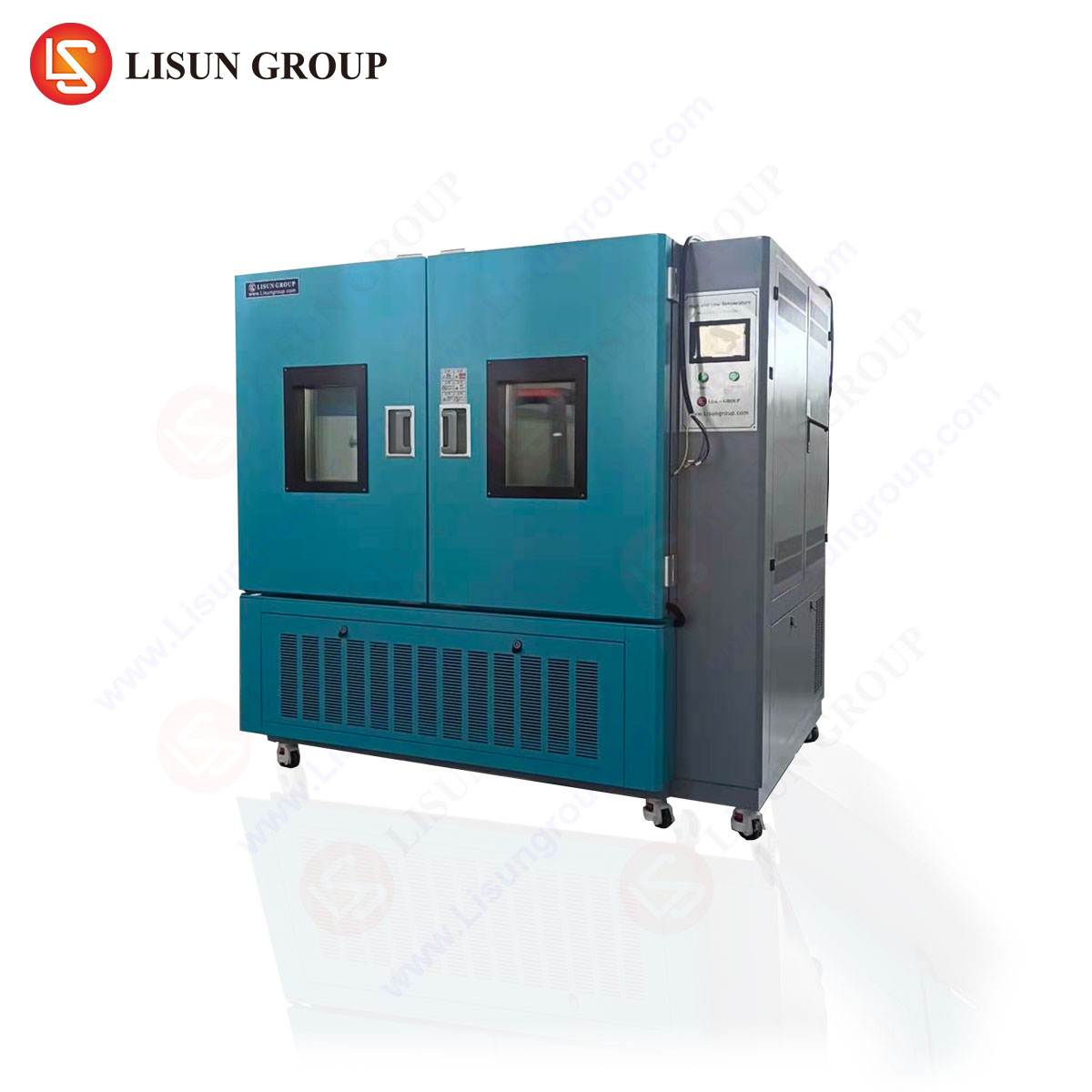
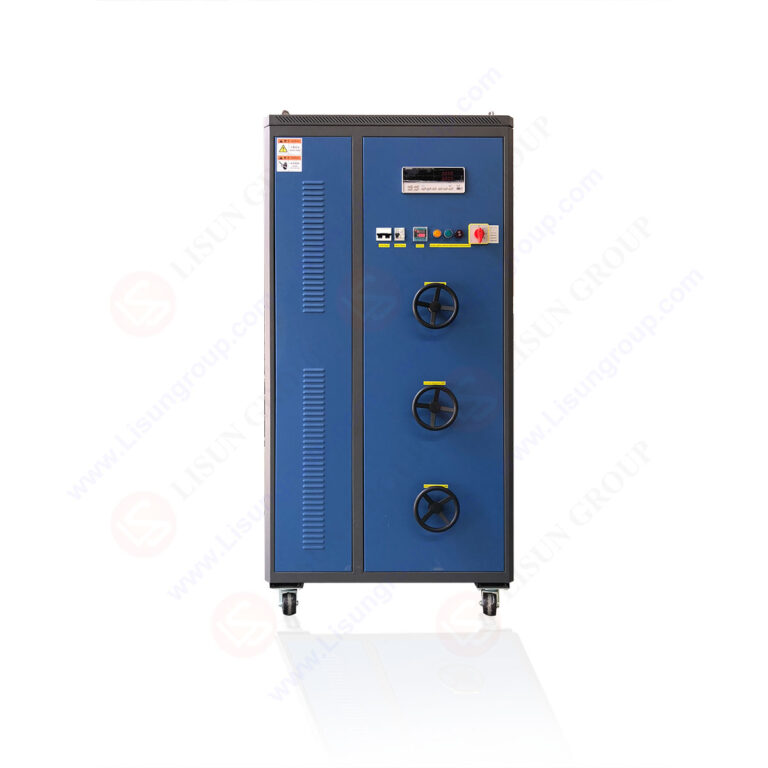
The LISUN JL-XC Series Waterproof Test Chamber represents a sophisticated, integrated solution for validating IPX1 through IPX6 and IPX9K ratings with laboratory-grade precision. This apparatus is engineered to meet the exacting requirements of IEC 60529, ISO 20653, and other equivalent national standards, providing a controlled environment for definitive compliance testing.
The core principle of the JL-XC Series involves a programmable rotary table upon which the device under test (DUT) is mounted. This table rotates at an adjustable speed, ensuring all surfaces of the DUT are exposed uniformly to the water spray. The system integrates multiple spray systems within a single stainless-steel chamber: a drip system, an oscillating tube system with precise spray hole arrays, and a high-pressure jet system with interchangeable nozzles. For IPX9K testing, a dedicated high-temperature, high-pressure spray system is incorporated, capable of delivering water at 80°C ±5°C and pressures of 8,000-10,000 kPa (80-100 bar) from four adjustable nozzles positioned at 0°, 30°, 60°, and 90° angles relative to the DUT.
Key Specifications and Competitive Advantages:
- Multi-Test Integration: Consolidates testing for IPX1 to IPX6 and IPX9K in one platform, eliminating the need for multiple discrete setups and reducing laboratory footprint.
- Precision Control: Features a PLC-based touchscreen interface for exact control of water pressure (0-100 bar adjustable), flow rate, test duration (0-999min), table rotation speed (1-5 rpm), and for IPX9K, water temperature.
- Compliant Design: Nozzle geometries, flow rates, and oscillation angles are manufactured to strict tolerances as per IEC 60529 diagrams, ensuring regulatory compliance.
- Enhanced Safety and Observation: Constructed from corrosion-resistant stainless steel with a large tempered glass viewing window, integrated water circulation and filtration system, and safety interlocks.
- Data Integrity: Facilitates repeatable and documentable test conditions, which is paramount for certification audits and quality control records.
Industry-Specific Applications and Testing Protocols
The application of IP ratings and the use of equipment like the JL-XC Series are pervasive in quality assurance labs across sectors where electronic or mechanical components face environmental exposure.
Automotive Electronics and Aerospace Components: Adherence to ISO 20653 is mandatory. Components like electronic control units (ECUs), sensors, lighting assemblies, and connectors are tested for exposure to road spray (IPX4, IPX6), high-pressure washdowns (IPX6, IPX9K), and dust (IP5K, IP6K). The JL-XC Series’s IPX9K capability is particularly critical for validating resistance to high-pressure cleaning in engine bays or undercarriage components.
Lighting Fixtures and Telecommunications Equipment: Outdoor luminaires, streetlights, and exterior telecom cabinets must withstand driving rain. They are routinely subjected to IPX3 (spraying) and IPX5 (jetting) tests. The oscillating tube mechanism in the JL-XC Series accurately simulates rainfall at varying angles.
Household Appliances and Consumer Electronics: Kitchen appliances (IPX4 for splashes), outdoor speakers, and ruggedized smartphones undergo water ingress testing. The drip (IPX1) and spray tests (IPX3/IPX4) are commonly applied, requiring the adjustable table and spray systems of an integrated chamber.
Medical Devices and Industrial Control Systems: Equipment used in sterile environments or industrial washdown areas, such as surgical tool interfaces or PLC enclosures, may require IPX6 or IPX7 ratings. The ability to conduct high-pressure jet tests followed by validated immersion tests (using complementary equipment) is part of a comprehensive testing regimen.
Correlating Test Results with Real-World Performance
A critical function of standardized testing is to establish a reliable correlation between a controlled laboratory test and expected field performance. An IPX5 rating, for example, does not guarantee functionality if a device is subjected to a water jet from a distance or at an angle not covered by the standard. The test defines a 6.3mm nozzle at a distance of 2.5-3 meters for a minimum of 1 minute per square meter. The JL-XC Series enforces these parameters, providing a benchmark. Engineers must then apply a safety factor based on the intended use case—a device rated IPX5 for occasional cleaning may be specified for a harsher environment than the test implies, necessitating a higher design margin or a higher IP rating like IPX6.
Navigating Certification and Compliance Documentation
When a product undergoes formal IP testing for certification, the test report is a legal document. It must detail the standard used, the specific test apparatus (including manufacturer and model, such as the LISUN JL-XC Series), calibration certificates for all measuring instruments, the precise test parameters applied, the condition of the DUT before and after testing, and the pass/fail criteria met. Using a recognized, compliant apparatus like the JL-XC Series provides auditors and certification bodies with immediate confidence in the procedural integrity of the test data. The system’s programmability ensures that the exact test sequence can be replicated for batch testing or failure analysis, which is invaluable for maintaining consistent production quality.
Frequently Asked Questions (FAQ)
Q1: Can a product rated IPX7 also be assumed to meet IPX5 or IPX6?
A1: No. IPX7 (immersion up to 1 meter) and IPX8 (continuous immersion) test for static water pressure at depth. IPX5 and IPX6 test for the impact and potential ingress from directed water jets. These are fundamentally different failure modes. A product must be separately tested and certified for each rating condition it claims. Some products are dual-rated (e.g., IP65/IP67), indicating they have passed both jet and immersion tests.
Q2: What is the significance of the “K” in IPX9K, and how does it differ from IPX6?
A2: The “K” denotes a test defined initially in ISO 20653 (and later incorporated into IEC 60529) for road vehicles, particularly for resistance to high-pressure, high-temperature washdowns in commercial settings. IPX9K uses water at 80°C and very high pressure (80-100 bar) from specific angled nozzles at close range. IPX6 uses water at ambient temperature at lower pressure (100 kPa) from a larger nozzle at a greater distance. IPX9K is a more severe test focused on cleaning intensity, not just weather protection.
Q3: When testing with equipment like the JL-XC Series, what is the standard pass/fail criterion after a water test?
A3: The fundamental criterion per IEC 60529 is that no harmful quantity of water shall have entered the enclosure. “Harmful” is typically defined by the product standard. For most electrical equipment, this means no water ingress that would interfere with normal operation or compromise safety (e.g., no water contacting live parts or internal circuitry). The test is followed by a verification of operational function and an internal inspection for moisture.