




A Comprehensive Technical Guide to IP5X Dust Ingress Protection Certification
Defining the Scope and Significance of IP5X Protection
The Ingress Protection (IP) rating system, codified by the International Electrotechnical Commission standard IEC 60529, provides a standardized classification for the degree of protection offered by an enclosure against the intrusion of foreign bodies and moisture. The IP5X designation specifically addresses protection against dust ingress. The “5” in the rating denotes a “Dust Protected” level, indicating that while some dust may enter the enclosure, it shall not penetrate in a quantity sufficient to interfere with the satisfactory operation of the equipment or impair safety. This is distinct from the higher IP6X (“Dust Tight”) rating, which requires a complete absence of dust ingress. The IP5X rating is a critical benchmark for a vast array of products operating in environments where airborne particulate matter is a persistent threat to reliability, longevity, and safety.
The necessity for IP5X compliance transcends mere product specification; it is a fundamental engineering requirement for operational integrity. Particulate matter, ranging from fine dust to abrasive sand, can induce catastrophic failures through multiple mechanisms. These include the obstruction of moving parts, the creation of conductive bridges across insulated terminals leading to short circuits, the abrasion of sensitive surfaces, and the interference with optical or sensory components. In sectors such as automotive electronics, where control units are mounted in engine bays or wheel wells, or in industrial control systems installed on factory floors, the accumulation of dust can precipitate unplanned downtime, costly repairs, and potential safety hazards. Consequently, IP5X testing is not an optional validation but a mandatory step in the product development lifecycle for equipment destined for non-clean environments.
Fundamental Principles of IP5X Dust Testing Methodology
The IP5X test is designed to simulate a severe, sustained exposure to fine dust under controlled laboratory conditions. The core objective is to assess the enclosure’s ability to prevent the ingress of talcum powder, a standardized test dust with a prescribed particle size distribution. According to IEC 60529, the test dust shall be able to pass through a square mesh with a nominal wire diameter of 50 µm and a nominal side length of 75 µm. This simulates a spectrum of fine particulates commonly encountered in industrial, commercial, and even domestic settings.
The testing apparatus, a dust test chamber, must create a consistent, turbulent cloud of this dust throughout the test volume. The specimen under test is placed inside this chamber, typically in its operational orientation, and may be subjected to a partial vacuum to simulate pressure differentials that occur in real-world use (e.g., due to thermal cycling). The standard test duration is 8 hours, unless otherwise specified in the relevant product family standard. Following the exposure period, the specimen is meticulously inspected. The pass/fail criterion for IP5X is explicit: dust accumulation inside the enclosure is permitted, provided it does not deposit in a location where it could lead to a degradation of performance, a breakdown of creepage/clearance distances, or a hindrance to moving parts. A visual inspection, often aided by magnification, is performed to determine compliance.
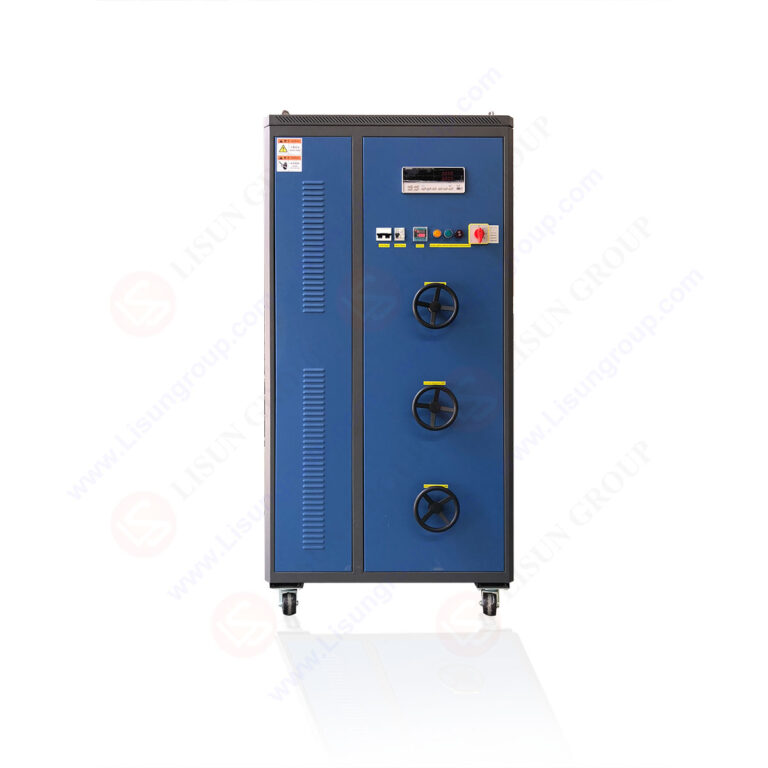
The LISUN SC-015 Dust Sand Test Chamber: Engineering for Precision Compliance
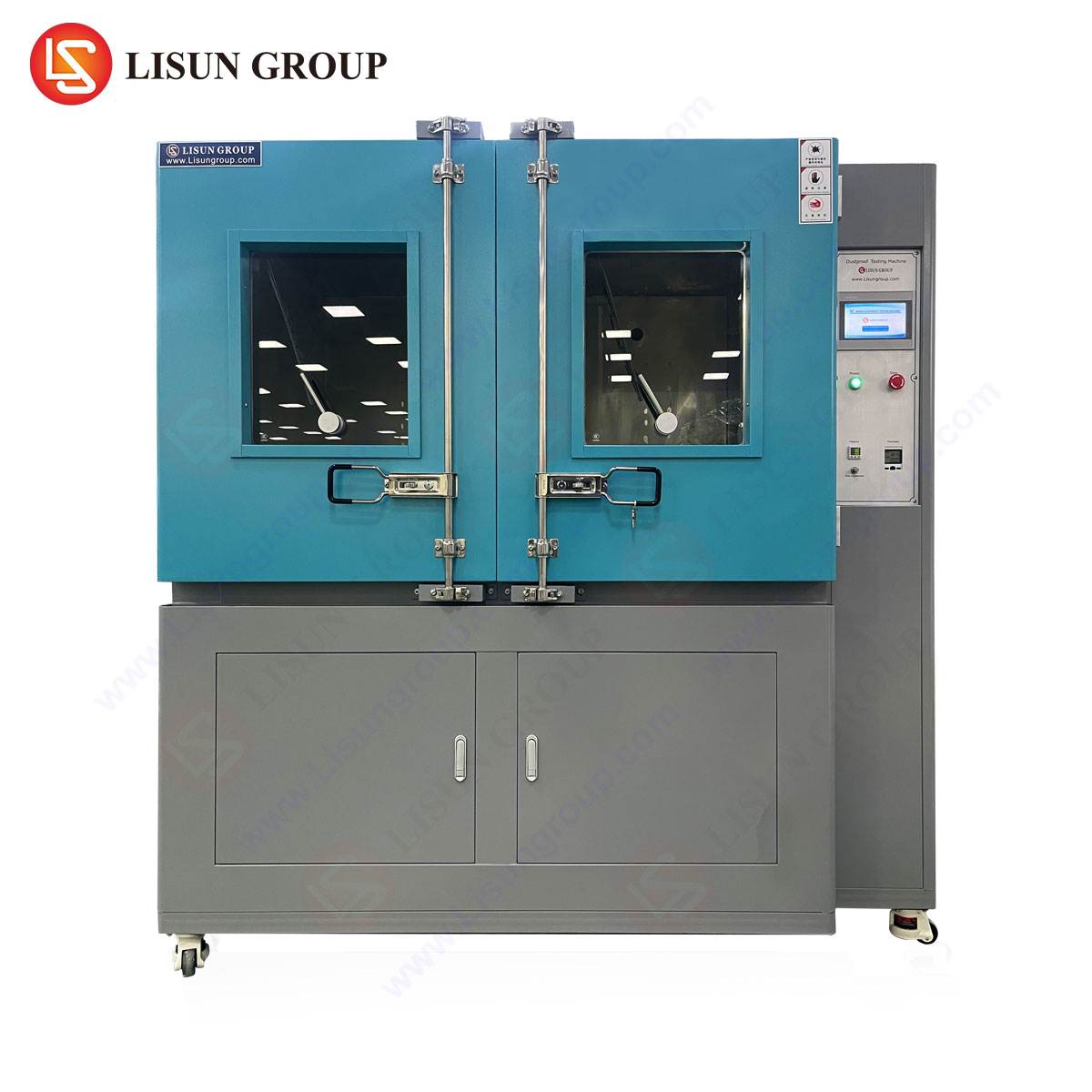
To execute IP5X testing with the repeatability and accuracy demanded by certification bodies, specialized equipment is required. The LISUN SC-015 Dust Sand Test Chamber is engineered to meet and exceed the stipulations of IEC 60529, as well as complementary standards such as GB/T 4208. Its design integrates precise control mechanisms to ensure the uniform distribution and concentration of test dust, which is paramount for generating reliable and reproducible results.
The chamber operates on a closed-loop principle. A controlled volume of standardized talcum powder is introduced into a mixing and fluidization chamber. A regulated flow of dry, compressed air agitates the powder, creating a homogeneous dust cloud. This cloud is then circulated into the main test chamber by a centrifugal blower, ensuring turbulent, omnidirectional exposure of the test specimen. The SC-015 features a transparent viewing window with internal wipers to maintain visibility during the test, and a specimen holder that can accommodate a range of product sizes. Upon test completion, a built-in dust recovery system separates the powder from the exhaust air, allowing for efficient reclamation and disposal, thereby maintaining a clean laboratory environment.
Key Specifications of the LISUN SC-015:
- Test Dust: Circulated talcum powder (meeting IEC 60529 specifications).
- Dust Concentration: Continuously monitored and adjustable within a range of 2 kg/m³ to 4 kg/m³, ensuring compliance with standard test conditions.
- Airflow Velocity: Maintained below 2 m/s to prevent unrepresentative particle impact forces.
- Test Chamber Volume: Designed to provide sufficient space for the dust cloud to fully envelop the test specimen.
- Vacuum System: Integrated vacuum pump and flowmeter to apply and monitor the specified partial vacuum (typically 1.97 kPa or 2 kPa, depending on the standard referenced) inside the specimen, if required by the test protocol.
- Control System: Programmable Logic Controller (PLC) with touch-screen HMI for setting test duration, dust concentration, vacuum level, and other parameters. Data logging capabilities are included for audit trails.
Industry-Specific Applications and Compliance Imperatives
The requirement for IP5X protection is ubiquitous across modern technology sectors. Each industry presents unique environmental challenges that make dust ingress protection a critical design parameter.
- Electrical and Electronic Equipment & Industrial Control Systems: Programmable Logic Controllers (PLCs), motor drives, and power supplies installed in manufacturing plants are perpetually exposed to airborne contaminants like carbon dust, metal filings, and textile fibers. IP5X enclosures prevent these particulates from causing internal shorts or fouling cooling fans, ensuring continuous process operation.
- Automotive Electronics: Electronic Control Units (ECUs) for engine management, braking, and suspension are located in harsh under-hood or underbody environments. Road dust, brake pad debris, and salt particles pose significant risks. IP5X protection is often a minimum requirement for components in these zones to guarantee vehicle safety and reliability over its lifespan.
- Lighting Fixtures: Industrial bay lighting, streetlights, and outdoor architectural fixtures must resist the accumulation of dust and insects on reflectors and lenses to maintain luminous efficacy. IP5X-rated fixtures ensure consistent light output and reduce maintenance intervals in warehouses, parking lots, and transportation hubs.
- Telecommunications Equipment: Outdoor base station units, fiber optic terminal enclosures, and network switches in industrial settings must be shielded from dust to prevent corrosion of connectors and overheating of components, which are primary causes of network downtime.
- Medical Devices: Equipment such as patient monitors, diagnostic imaging consoles, and surgical power tools used in clinical environments must be designed for easy cleaning and resistance to the ingress of particulate matter, which can harbor pathogens. While higher protection levels are often needed for liquid ingress, IP5X forms a foundational barrier.
- Aerospace and Aviation Components: Avionics bays and in-flight entertainment systems are subject to fine dust during ground operations and maintenance. Protection ensures functionality in low-pressure, vibration-intensive environments.
- Electrical Components: Switches, sockets, and circuit breakers, particularly those specified for outdoor or industrial use, require IP5X ratings to prevent arcing or contact failure caused by dust accumulation.
- Consumer Electronics and Office Equipment: High-end routers, network-attached storage devices, and professional printers benefit from IP5X design to improve longevity by preventing dust from clogging intricate internal mechanisms and heat sinks.
Strategic Advantages of the LISUN SC-015 in Certification Testing
Selecting an appropriate test apparatus is critical for generating data that certification bodies will accept. The LISUN SC-015 offers several distinct advantages that streamline the compliance process.
First, its precise control over dust concentration and airflow turbulence eliminates a key source of test variability. Inconsistent dust clouds can lead to false negatives or positives, resulting in costly design iterations or non-compliant products reaching the market. The SC-015’s closed-loop circulation and monitoring systems provide documented proof of consistent test conditions.
Second, the integrated vacuum system with digital flowmeter allows for accurate simulation of internal pressure differentials. Many product standards mandate testing under vacuum for enclosures with heat dissipation vents or those likely to experience thermal cycling. The SC-015’s system automates this process, ensuring the applied vacuum meets the precise requirements of IEC 60529.
Third, its robust construction and dust recovery mechanism enhance laboratory operational efficiency and safety. Containing the fine talcum powder within the system minimizes contamination of the lab environment, protects technicians, and reduces material waste. The programmability of the PLC reduces operator error and enables unattended testing for standard durations, optimizing laboratory throughput.
For manufacturers across the aforementioned industries, employing a chamber like the SC-015 during the design verification phase allows for iterative testing. Engineers can rapidly prototype gaskets, seals, and enclosure designs, validate their performance against IP5X criteria, and make data-driven improvements before finalizing tooling or submitting samples to an external test house. This proactive approach significantly reduces time-to-market and mitigates the risk of costly compliance failures.
Interpreting Test Results and Navigating Complementary Standards
A successful IP5X test concludes with a detailed examination. The inspector looks for any dust ingress paths. The acceptance criterion is performance-based, not aesthetic. Dust on internal surfaces is permissible if it is not located on live parts, insulating surfaces where it could become conductive in humid conditions, or in the path of moving components like gears or actuators. The judgment often requires engineering expertise to assess potential long-term failure modes.
It is imperative to understand that IP5X is frequently tested in conjunction with liquid ingress tests (the second digit in the IP code). Furthermore, many industry-specific standards reference or build upon IEC 60529. For example:
- Automotive: ISO 20653 (Road vehicles — Degrees of protection) is directly aligned with the IP code but includes additional testing specific to vehicle environments.
- Lighting: EN 60598-1 (Luminaires) specifies IP testing requirements for various classes of lighting equipment.
- Household Appliances: IEC 60335-1 (Household and similar electrical appliances – Safety) mandates ingress protection testing based on the appliance’s intended use.
A comprehensive compliance strategy involves mapping the product’s end-use environment to the correct IP rating and identifying all applicable overarching safety and performance standards. The data generated by a precise instrument like the LISUN SC-015 forms the empirical foundation for this compliance dossier.
Frequently Asked Questions (FAQ)
Q1: Can the LISUN SC-015 chamber be used for both IP5X and IP6X testing?
A1: Yes, the SC-015 is designed to conduct tests for both protection levels. The fundamental chamber and dust circulation system are used for both. The key difference lies in the test criteria and the possible use of a vacuum for IP6X. The chamber’s integrated vacuum system and controls are configured to meet the more stringent “no dust ingress” requirement of IP6X as per the standard protocol.
Q2: What is the recommended maintenance schedule for the chamber to ensure testing accuracy?
A2: Regular maintenance is crucial. Primary tasks include the thorough cleaning of the interior and circulation ducts after each test cycle to prevent cross-contamination, inspection and cleaning of the dust sieve to ensure proper particle size distribution, and calibration of the vacuum flowmeter and pressure sensors at intervals recommended by the manufacturer or the laboratory’s quality procedures (typically annually). The compressed air supply must also be kept clean and dry.
Q3: How do we determine if our product should be tested under vacuum for IP5X compliance?
A3: The decision is governed by the relevant product standard. IEC 60529 itself specifies that the vacuum test is applied to enclosures of type “first characteristic numeral 5 or 6” unless otherwise specified in the relevant product standard. Most derivative standards for electrical equipment (e.g., for industrial control gear, appliances) mandate the vacuum test to simulate thermal cycling effects. Always consult the specific safety standard applicable to your product category.
Q4: What sample preparation is required before placing a product in the SC-015 for testing?
A4: The specimen should be prepared in its operational state. Any cable glands or conduit entries should be sealed as they would be in service. If the device has a drain hole, it may be kept open or closed based on its intended function, as this can affect internal pressure. The device is typically placed in the chamber in its normal mounting position. It is not powered during the dust exposure, but it may be functionally tested before and after to assess any impact from ingress.
Q5: Is the talcum powder specified for the test hazardous, and how is it handled?
A5: The standard test dust (talcum powder) is not classified as a hazardous substance under normal conditions. However, as with any fine particulate, inhalation should be avoided. The SC-015’s closed-loop design and integrated dust recovery system significantly minimize airborne exposure during operation and cleanup. Standard laboratory personal protective equipment (PPE), such as dust masks and safety glasses, is recommended during chamber loading, unloading, and maintenance.