




IP67 Testing Procedures and Standards Explained
Introduction to Ingress Protection (IP) Ratings
The Ingress Protection (IP) rating system, codified in international standards such as IEC 60529, provides a standardized classification for the degree of protection offered by enclosures against the intrusion of solid foreign objects and liquids. This system is critical for manufacturers, specifiers, and end-users across a multitude of industries, ensuring reliability, safety, and compliance in diverse operating environments. The IP code, typically expressed as “IP” followed by two digits, conveys specific, test-validated information. The first digit (0-6) denotes protection against solids, while the second digit (0-9K) defines protection against liquids. An “X” is used when a characteristic is not specified or not tested.
The IP67 rating represents a particularly demanding and widely specified level of protection. It signifies complete protection against dust ingress (the “6”) and protection against the effects of temporary immersion in water (the “7”). Achieving and verifying this rating requires rigorous, repeatable laboratory testing that simulates extreme environmental conditions. This article delineates the precise testing methodologies, underlying standards, and practical applications of IP67 certification, with a focus on the specialized equipment required to perform these validations.
Deconstructing the IP67 Specification: A Two-Part Mandate
Understanding IP67 necessitates a separate examination of its constituent parts, as each digit corresponds to a distinct and non-interchangeable set of test protocols.
First Characteristic Numeral: 6 (Dust-tight)
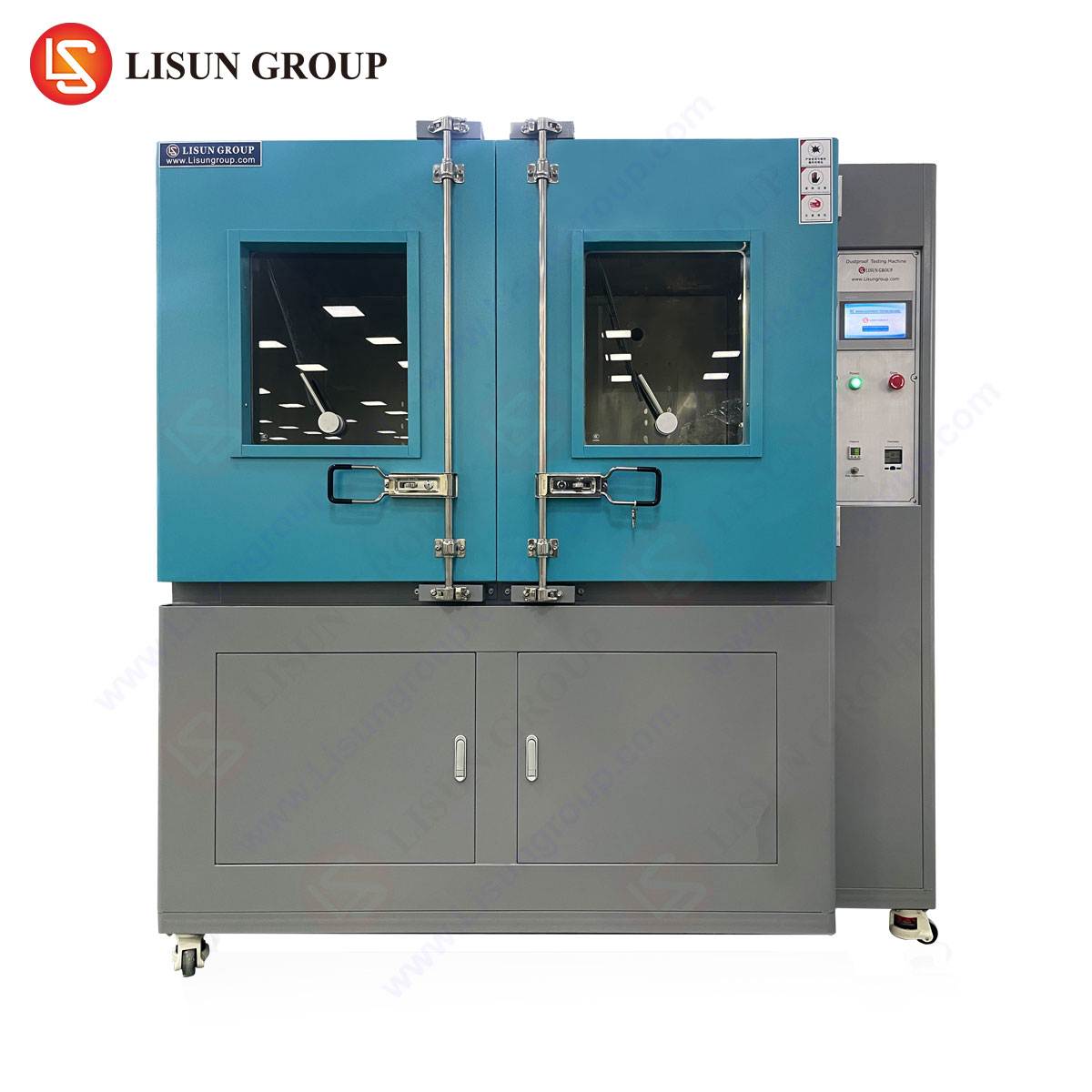
The numeral “6” represents the highest level of protection against solid particle ingress. It is defined as “Dust tight.” The enclosure must prevent the entry of dust under a vacuum-driven test. The test procedure, detailed in clause 13.4 of IEC 60529, involves placing the test specimen in a dust chamber containing fine talcum powder. A vacuum pump is used to maintain a pressure differential of up to 2 kPa (20 mbar) below atmospheric pressure inside the enclosure, drawing dust-laden air through any potential openings. The test duration is typically 8 hours. Following the test, the interior is inspected for any trace of dust. To achieve a “6” rating, no dust must have penetrated in a quantity that would interfere with the safe operation of the equipment or impair its dielectric strength.
Second Characteristic Numeral: 7 (Immersion up to 1 meter)
The numeral “7” defines protection against the effects of immersion in water under specified conditions of pressure and time. Specifically, an enclosure rated IP7X must withstand temporary immersion in 1 meter of fresh water for 30 minutes. The key principles are:
- Low-Pressure Immersion: The test simulates immersion at depth, where static water pressure is the driving force for potential ingress. It is not a high-pressure jet test.
- Defined Parameters: The standard specifies that the lowest point of the enclosure shall be 1 meter below the surface of the water, and the highest point shall be at least 0.15 meters below the surface. The test duration is 30 minutes.
- Acceptance Criteria: After immersion, the enclosure is opened and inspected. There shall be no ingress of water in a quantity that could cause harmful effects. This is assessed visually and, for electrical equipment, often supplemented by a dielectric strength test or functional check post-immersion.
It is crucial to note that IP67 is not cumulative with higher liquid ratings like IPX8 (continuous immersion). IPX7 testing uses static pressure at 1-meter depth, while IPX8 is defined by the manufacturer based on greater depths and durations. A product may be dual-rated (e.g., IP67/IP68) but must be tested separately for each condition.
Laboratory Apparatus for Validated IP67 Compliance
Accurate and standards-compliant IP67 testing cannot be performed with ad-hoc methods. It requires calibrated, controlled laboratory equipment capable of replicating the precise conditions mandated by IEC 60529 and its regional equivalents (e.g., EN 60529, ANSI 60529). The test apparatus typically consists of two main systems: a dust test chamber and an immersion tank, often integrated into a single, programmable testing instrument for efficiency and repeatability.
A representative example of such advanced, integrated test equipment is the LISUN JL-XC Series Programmable Waterproof Test Chamber. This apparatus is engineered to automate and precisely control both the IP5X/IP6X dust tests and the IPX7/IPX8 immersion tests, ensuring reliable and auditable results.
Specifications and Testing Principles of the JL-XC Series:
The JL-XC Series embodies the technical requirements for ingress protection testing. Its design incorporates several critical features:
- Integrated Test Chamber: A single stainless-steel chamber facilitates both dust and water immersion tests, reducing sample handling and cross-contamination.
- Programmable Logic Controller (PLC) & HMI: A touch-screen interface allows for the precise programming of test parameters—vacuum level, test duration, immersion depth, and dwell time—ensuring strict adherence to standard protocols. Automated test cycles enhance repeatability.
- Vacuum System: A regulated vacuum pump and solenoid valve system maintain the required pressure differential of 0 to -2 kPa for dust testing, with digital display and feedback control.
- Immersion Mechanism: A motorized elevator system smoothly lowers and raises the test sample into a water tank at a controlled speed, maintaining the specified 1-meter immersion depth for the exact 30-minute duration for IPX7 testing. The system can also be configured for deeper IPX8 tests per manufacturer specifications.
- Safety and Observability: The chamber includes safety interlocks, a transparent viewing window for monitoring, and drainage systems for efficient water removal.
Competitive Advantages in Industrial Application:
The JL-XC Series offers distinct advantages for quality assurance laboratories. Its programmability eliminates operator variance, creating a standardized, documentable test process essential for ISO 17025-accredited labs. The integration of dust and water testing into one platform saves valuable laboratory floor space and streamlines workflow. Furthermore, its robust construction and use of corrosion-resistant materials like stainless steel ensure long-term reliability and minimal maintenance, even under continuous use in demanding production or certification environments.
Industry-Specific Applications and Imperatives for IP67
The demand for IP67 protection is driven by operational realities across sectors where exposure to particulate matter and water is a constant or probable risk.
- Automotive Electronics: Components such as exterior sensors (LiDAR, radar, cameras), electronic control units (ECUs) mounted in wheel wells or underbody, and charging connectors for electric vehicles must withstand road spray, dust, and occasional flooding. IP67 validation is often a prerequisite in specifications like ISO 20653.
- Consumer Electronics & Telecommunications: Smartphones, wearables, and outdoor wireless access points are routinely subjected to rain, accidental drops in water, and dusty environments. IP67 provides a marketable assurance of durability.
- Lighting Fixtures: Outdoor, industrial, and marine lighting must be impervious to driving rain, humidity, and dust to ensure safe, long-term operation and prevent electrical shorts.
- Industrial Control Systems & Electrical Components: Panel-mounted switches, sockets, and control devices in manufacturing plants, food processing facilities, or wastewater treatment plants require protection against washdown procedures and airborne contaminants.
- Medical Devices: Portable diagnostic equipment and handheld tools used in clinical or field settings must be cleanable and resistant to fluid ingress to maintain sterility and functionality.
- Aerospace and Aviation Components: Avionics bay components and ground support equipment may be exposed to extreme humidity, condensation, and particulate matter, necessitating robust sealing.
In each case, failure of the IP67 seal can lead to catastrophic outcomes: electrical failure, data corruption, safety hazards, or non-compliance with regulatory mandates. Therefore, the testing is not merely a quality check but a critical verification of product integrity.
The Testing Protocol: A Step-by-Step Procedural Analysis
A formal IP67 test sequence, as enabled by equipment like the LISUN JL-XC Series, follows a meticulous protocol.
1. Pre-Test Conditioning and Sample Preparation:
The test specimen is typically conditioned to a defined temperature, often the ambient laboratory temperature. All functional parts (e.g., buttons, seals, covers) are installed as intended for end use. For the dust test, the specimen is often operated under vacuum (if applicable) to simulate the breathing effect of internal heating/cooling cycles.
2. IP6X Dust Ingress Test Execution:
The sample is placed in the sealed chamber of the tester. The chamber is filled with circulating talcum dust (particle size specified in the standard). A vacuum is drawn inside the test specimen to the prescribed level (-2 kPa). This test runs continuously for 8 hours. Post-test, the sample is carefully removed, and the interior is microscopically inspected for any dust presence.
3. IPX7 Temporary Immersion Test Execution:
Following dust testing (or as a standalone test), the same or a duplicate sample is prepared. It is mounted on the elevator fixture of the JL-XC Series. The chamber is filled with clean, fresh water. The automated cycle lowers the specimen until its highest point is at least 150mm below the water surface, and its lowest point is at a depth of 1 meter. It remains in this position for 30 (±5) minutes. The sample is then raised and allowed to drain.
4. Post-Immersion Examination and Evaluation:
After careful drying of exterior surfaces, the enclosure is opened. The acceptance criterion is strict: no trace of water ingress is permitted. For electrical devices, a post-test verification of dielectric strength or full functional operation is mandatory to confirm no harmful ingress occurred. All steps, parameters, and results are documented in a formal test report.
Beyond the Standard: Limitations and Complementary Testing
While IP67 is a robust indicator, it has defined limitations. It does not account for:
- Mechanical Stress: Resistance to impact (IK ratings) is a separate standard (IEC 62262).
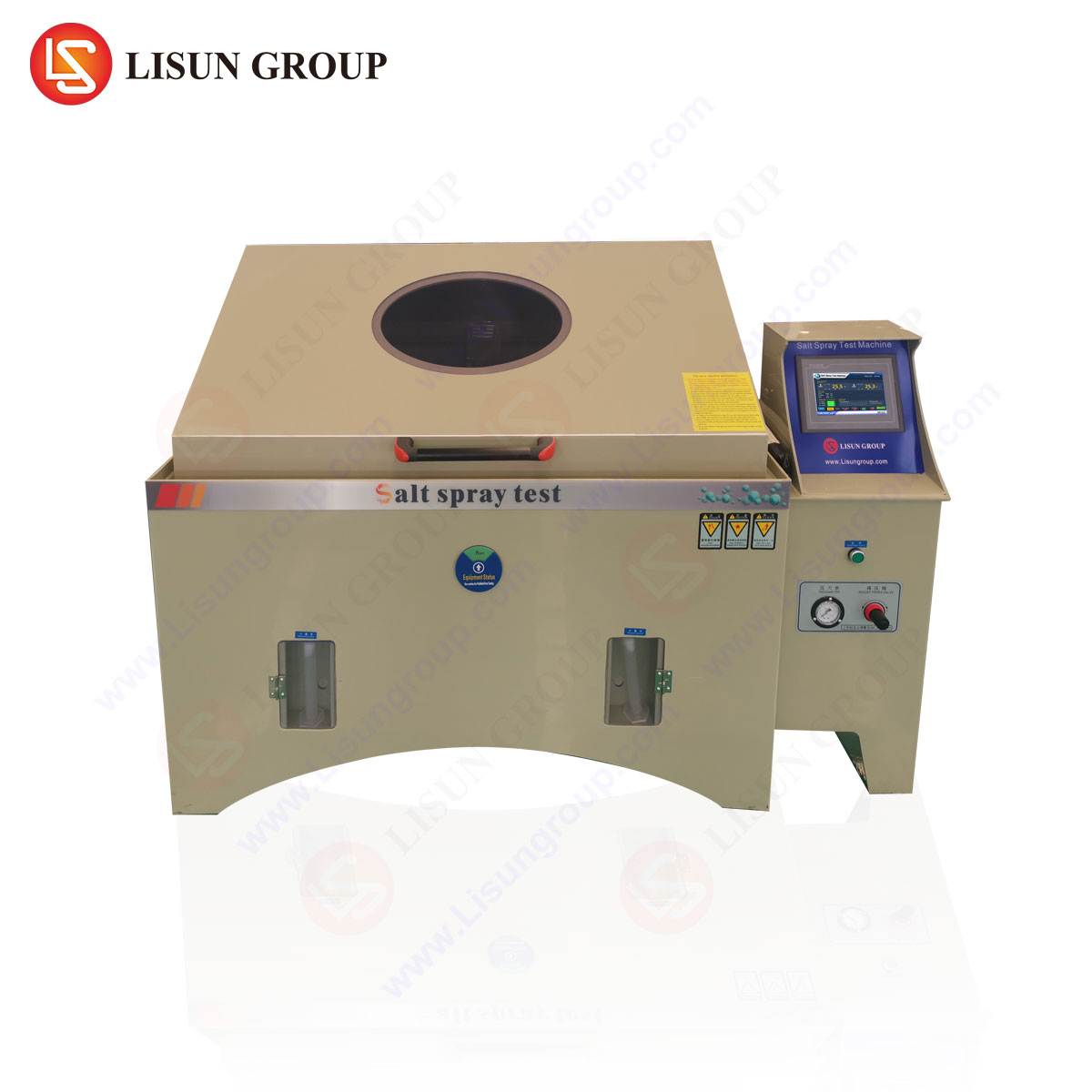
- Corrosive Media: The test uses fresh water; resistance to chemicals, salt water, or other liquids requires different testing (e.g., ISO 16750 for automotive).
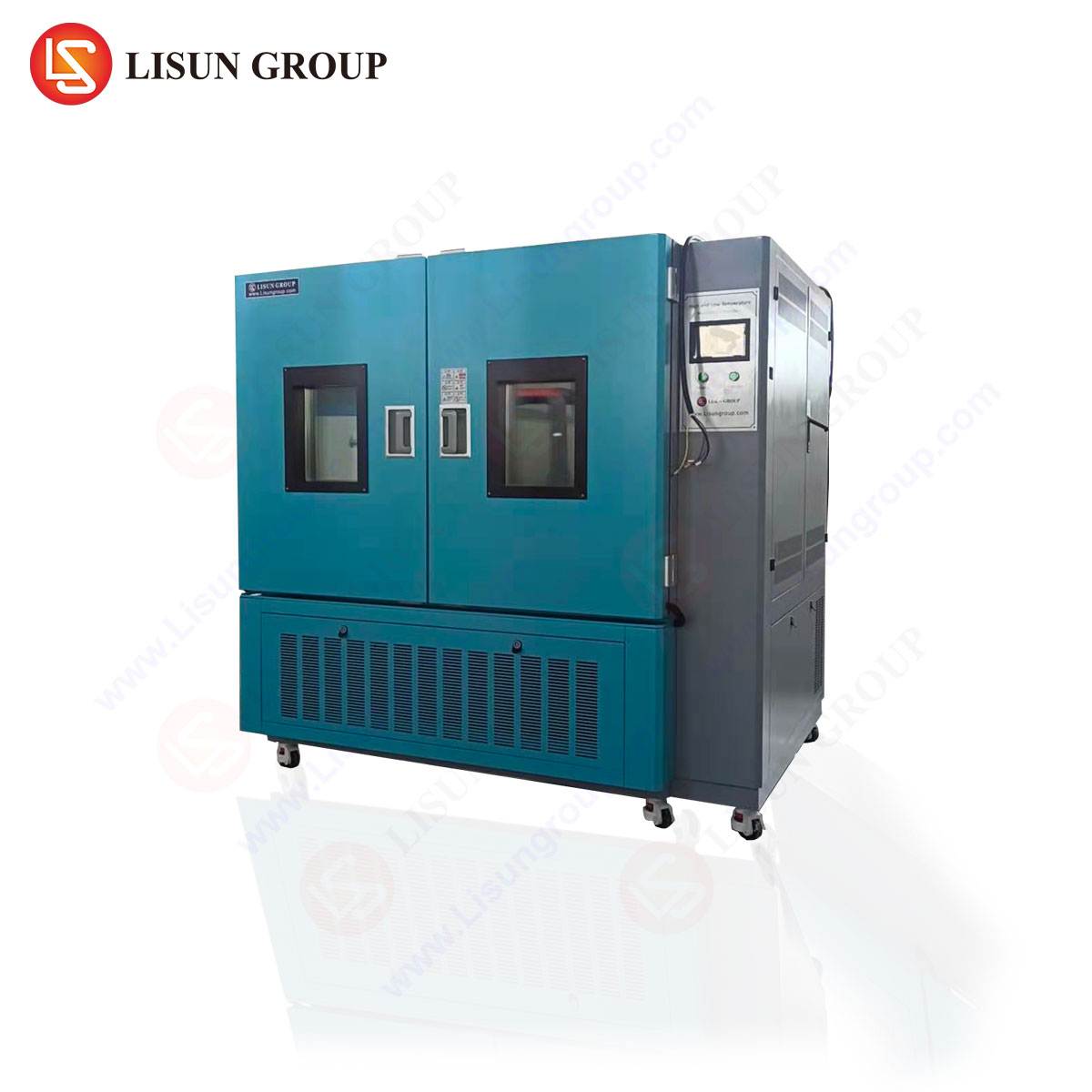
- Long-Term Aging: The test is a snapshot; long-term seal degradation from UV exposure, thermal cycling, or ozone requires environmental stress testing (e.g., IEC 60068-2 series).
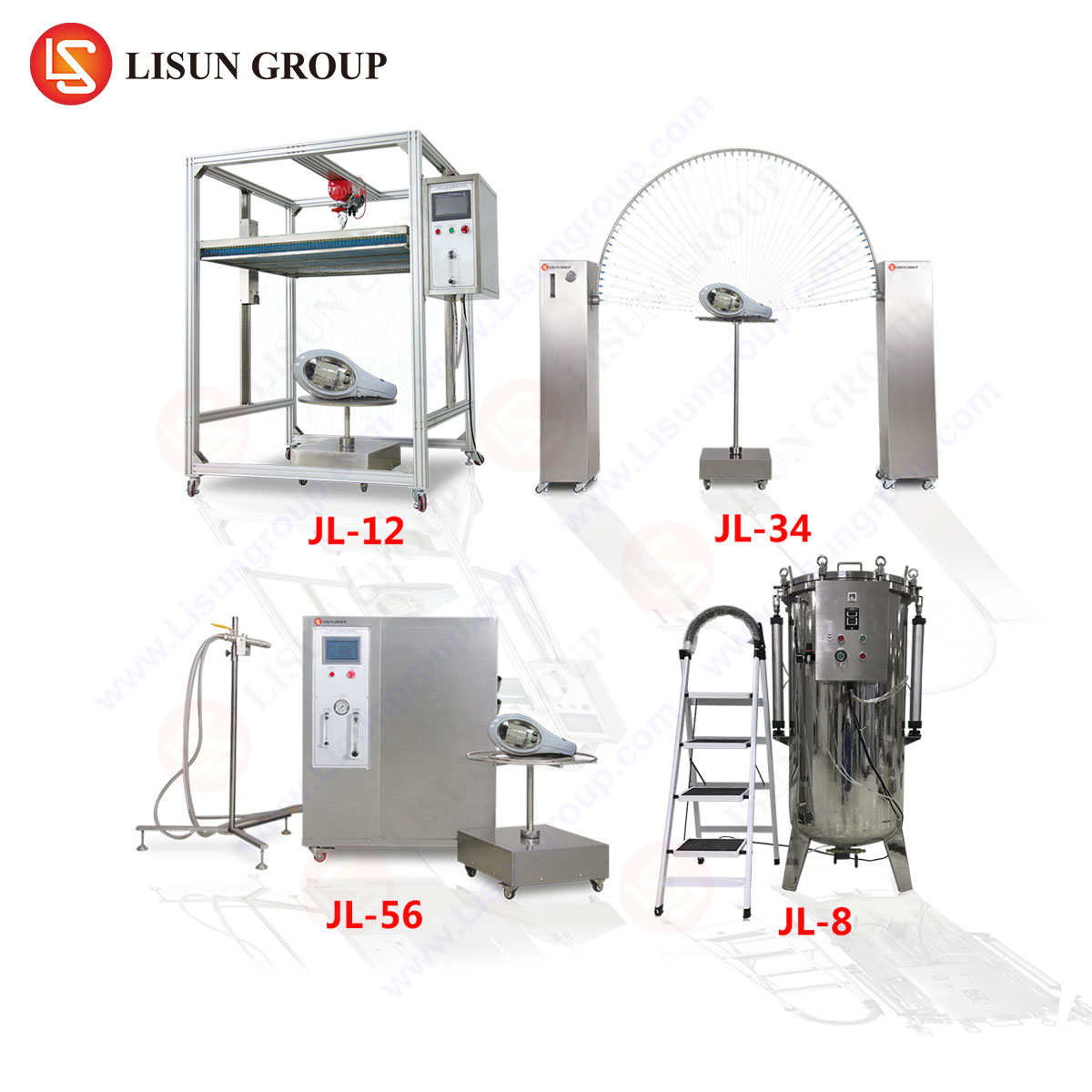
- High-Pressure/Temperature Jets: Protection against high-pressure, high-temperature washdowns (common in food & beverage) is covered by IPX9K (IEC 60529), which uses a distinct, aggressive spray test.
Therefore, a comprehensive environmental reliability assessment for a product may involve a test suite including IP67, thermal shock, vibration, and UV exposure, depending on its lifecycle profile.
Conclusion
The IP67 rating is a cornerstone of product durability specification, providing a clear, internationally recognized benchmark for dust and water immersion protection. Its value lies in the rigorous, standardized testing procedures that underpin it. As products continue to proliferate in harsh and demanding environments, the role of precise, automated test equipment—such as the LISUN JL-XC Series—becomes ever more critical. These systems ensure that the IP67 label is not merely a marketing claim but a verified guarantee of performance, supporting innovation and reliability across the spectrum of modern electrical and electronic engineering.
Frequently Asked Questions (FAQ)
Q1: Can a product that passes IPX7 testing automatically be assumed to also be protected against rain or water jets (e.g., IPX4 or IPX5)?
No. IP ratings are not cumulative. IPX7 tests for static immersion at 1m depth. Protection against sprayed or jetted water (IPX4-IPX6) involves dynamic pressure and impact forces on seals and gaskets from different angles. A product must be specifically tested and rated for each condition it claims to withstand.
Q2: How often should IP67 testing be performed on a production line?
Testing frequency is defined by a quality plan. Typically, first-article inspection requires full compliance testing. For ongoing production, statistical process control dictates periodic audits (e.g., batch testing). Any change in material, design, assembly process, or supplier of critical seals should trigger a re-validation test.
Q3: What is the significance of the vacuum applied during the IP6X dust test?
The vacuum simulates two real-world conditions. First, it replicates the pressure differential that can occur when an electronic device cools down after being powered off, drawing air (and dust) inward. Second, it creates a more severe test condition than natural diffusion, ensuring a margin of safety. It tests the integrity of seals under a slight negative pressure.
Q4: For the JL-XC Series or similar testers, what calibration and maintenance are required to ensure accurate results?
Regular calibration of the vacuum pressure gauge, timer, and depth measurement system is essential, typically on an annual basis for accredited laboratories. Maintenance includes ensuring the dust powder is not clumped or contaminated, replacing water filters to maintain purity, checking seals on the test chamber door, and verifying the function of solenoid valves and the elevator mechanism.
Q5: Can the JL-XC Series be used for IPX9K testing?
No. The JL-XC Series is designed for IP5X/6X dust tests and IPX7/X8 immersion tests. IPX9K testing requires a completely different apparatus capable of delivering high-pressure (80-100 bar), high-temperature (80°C) water jets from specific angles via a oscillating spray nozzle, as per IEC 60529. This is a separate, specialized test chamber.