




Defining the IPX5 Rating within the IEC 60529 Framework
The Ingress Protection (IP) rating system, codified by the international standard IEC 60529, provides a standardized classification for the degrees of protection offered by enclosures of electrical equipment against the intrusion of solid foreign objects and water. The “IP” code is followed by two characteristic numerals. The first digit signifies protection against solids, ranging from 0 (no protection) to 6 (dust-tight). The second digit, which is the focus of this analysis, denotes protection against moisture, ranging from 0 (no protection) to 9K (protection against high-pressure, high-temperature water jets). An “X” is used in place of a digit when a characteristic is not specified or not relevant, for instance, IPX5. The IPX5 rating is a specific and critical benchmark, indicating that an enclosure is protected against water jets from a nozzle.
Technical Parameters of the IPX5 Water Jet Test
The IPX5 test is a rigorous, quantifiable procedure with precisely defined parameters. It is designed to simulate conditions where an apparatus may be subjected to direct water jets from various angles, such as from a pressure washer or waves impacting marine equipment. The test mandates the use of a nozzle with an internal diameter of 6.3 mm. The water is projected from a distance of 2.5 to 3 meters against the enclosure from all practicable directions. The critical parameter is the flow rate, which must be 12.5 liters per minute (±5%). The test duration is a minimum of 1 minute per square meter of the surface area under consideration, with a mandatory minimum of 3 minutes. The water pressure at the nozzle is a dependent variable, typically reaching approximately 30 kPa, which is a direct result of the specified nozzle size and flow rate. The test is considered successful if no harmful quantity of water penetrates the enclosure in a manner that would interfere with the safe operation of the internal components or impair insulation.
Methodological Execution of an IPX5 Compliance Test
Executing a compliant IPX5 test requires a controlled laboratory environment and specialized apparatus. The equipment under test (EUT) is mounted on a turntable or otherwise positioned to ensure all seals, joints, and potential ingress points are exposed to the water jet. The standardized nozzle is connected to a water supply system capable of maintaining the consistent 12.5 L/min flow rate. The test begins with the EUT in its operational state, as many standards require the device to be functioning to detect any immediate failure. The operator or automated system directs the jet at all vulnerable surfaces from a distance of 3 meters. For each test position, the spray is sustained for at least 1 minute. Following the test, the EUT undergoes a thorough visual inspection for water ingress. This is often supplemented by a functional check and, in some cases, a dielectric strength test or insulation resistance measurement to verify that no moisture has compromised electrical safety.
The JL-8 Waterproof Test Equipment: A System for IPX5 Verification
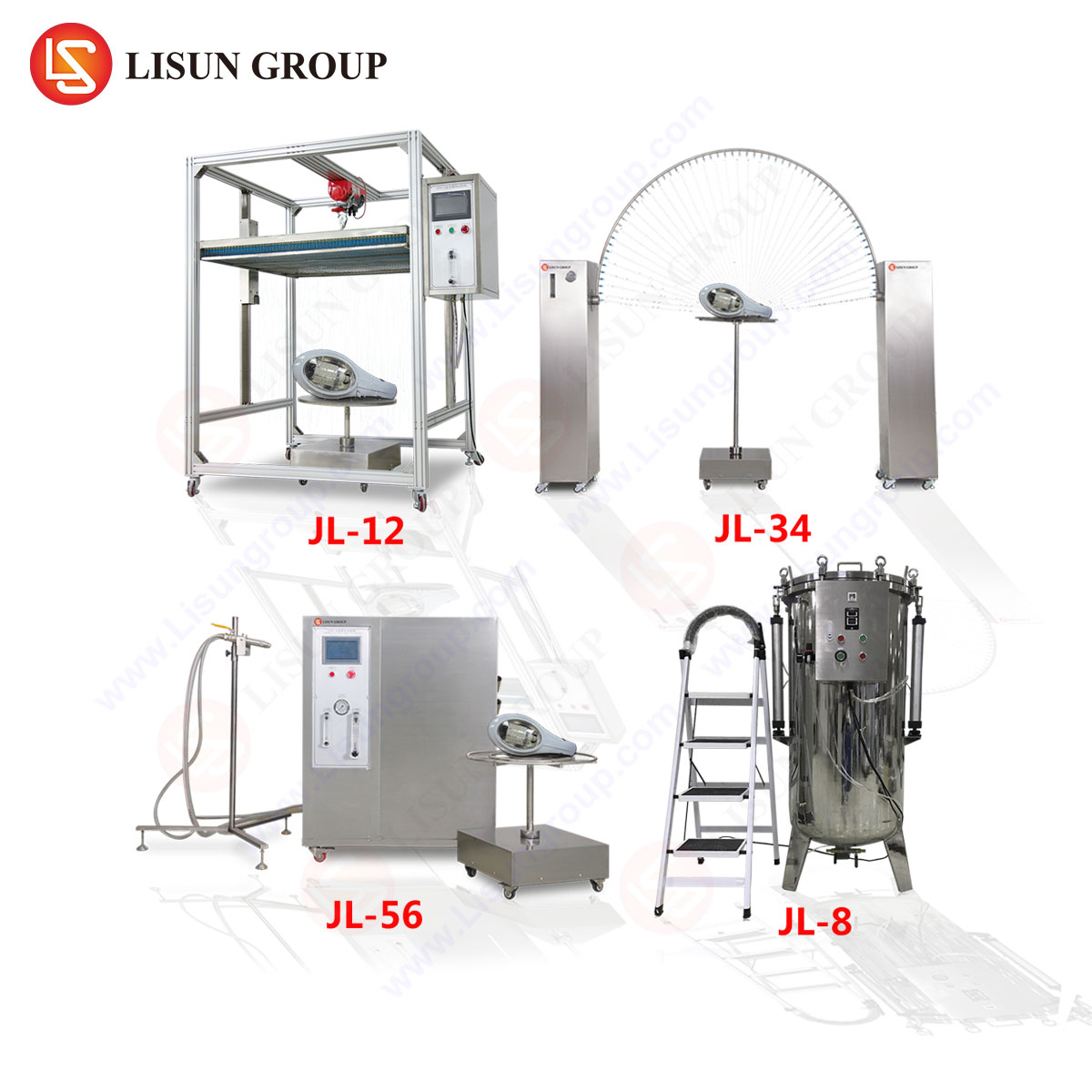
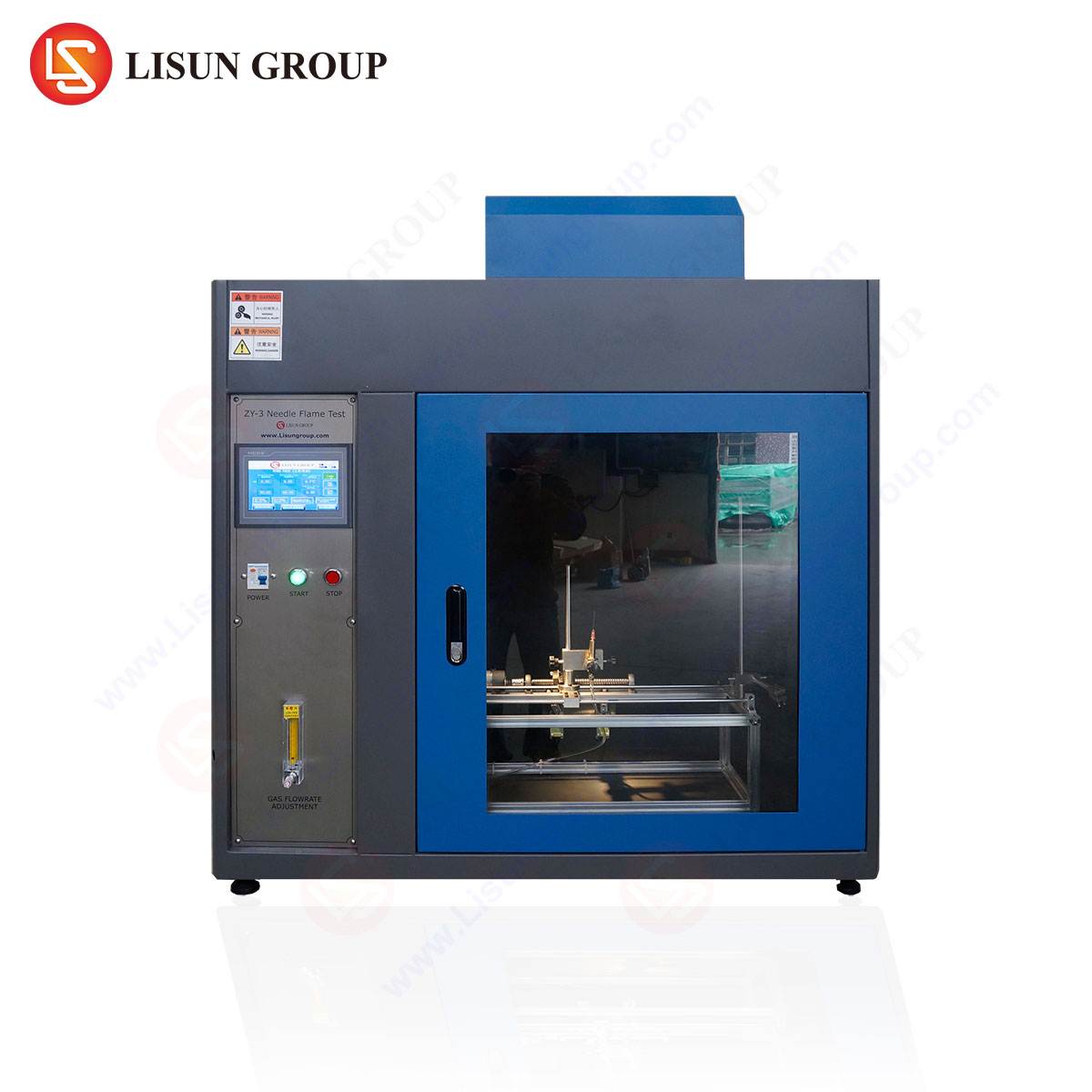
The LISUN JL-8 Waterproof Test Equipment is an engineered system designed specifically for the verification of IPX5 and IPX6 ratings. Its design principle centers on delivering a highly accurate and repeatable water jet that strictly adheres to the dimensional and flow-rate stipulations of IEC 60529. The core of the JL-8 system is its nozzle assembly, which is precision-machined to the 6.3 mm diameter specification. The system integrates a high-pressure pump and a flow control valve that is calibrated to maintain the required 12.5 L/min flow rate for IPX5 testing, with a tolerance well within the ±5% allowance. The test chamber is constructed from stainless steel and acrylic to resist corrosion and allow for clear observation of the test specimen. The JL-8 features an adjustable test platform and an electric control system that can manage the test duration and nozzle movement, ensuring consistent application of the standard across multiple test cycles.
Comparative Analysis of Water Jet Testing: IPX5 vs. IPX6
While both IPX5 and IPX6 tests employ water jets, they represent significantly different severity levels. A clear understanding of the distinction is vital for correct product classification. The IPX6 test, intended for protection against powerful water jets, uses a larger 12.5 mm nozzle and a substantially higher flow rate of 100 liters per minute from a distance of 2.5 to 3 meters. This results in a much more intense hydraulic force impacting the enclosure. The key differentiator is not merely the flow rate but the resultant pressure and kinetic energy of the water stream. An enclosure that passes an IPX6 test is inherently robust enough to withstand an IPX5 condition, but the converse is not true. Selecting the appropriate test level is a critical design decision based on the intended operating environment of the product.
Industry-Specific Applications for IPX5 Rated Enclosures
The IPX5 rating finds application across a diverse spectrum of industries where equipment must endure direct water spray without failure. In the automotive electronics sector, IPX5 is relevant for external sensors, lighting control units mounted in wheel wells, and connectors within the engine bay that may be subjected to spray from the road or during cleaning. For telecommunications equipment, outdoor base station components and junction boxes require this level of protection against rain and weather. In consumer electronics, high-end portable speakers, action cameras, and certain ruggedized smartphones are often designed to meet IPX5. Industrial control systems located in environments where equipment is routinely washed down, such as food and beverage processing plants, frequently mandate IPX5 or higher enclosures for programmable logic controllers and human-machine interfaces. Lighting fixtures used in outdoor architectural applications or in industrial settings where they may be hosed down also commonly carry an IPX5 rating.
Limitations and Misconceptions of the IPX5 Specification
A critical aspect of the IPX5 rating is understanding its limitations. It is not a universal waterproof certification. Crucially, IPX5 does not imply protection against immersion or even low-pressure water projected from below. An IPX5-rated device may fail catastrophically if partially or fully submerged. Another common misconception is the permanence of the rating; the integrity of seals and gaskets can degrade over time due to UV exposure, thermal cycling, or mechanical wear, meaning a product that passed the test during certification may not remain compliant throughout its service life. The test is also a type test, typically performed on a sample unit under ideal laboratory conditions, and does not guarantee that every unit from a production line will perform identically. Therefore, robust design and quality-controlled manufacturing are essential to maintain consistent performance.
Integrating IPX5 Testing into Product Development and Quality Assurance
Integrating IPX5 validation into the product development lifecycle is a proactive strategy for mitigating field failures and warranty claims. During the design phase, engineers use the IPX5 parameters to inform decisions regarding seal selection, gasket geometry, fastener placement, and vent design. Prototypes are subjected to IPX5 testing to identify and rectify design flaws before mass production. In a quality assurance context, the LISUN JL-8 and similar systems are used for periodic batch testing or as part of a failure analysis process. This ongoing verification ensures that manufacturing processes, such as the torque applied to screws or the application of sealants, remain within specified tolerances. This data-driven approach provides objective evidence of compliance for regulatory submissions and customer documentation.
Calibration and Maintenance of IPX5 Testing Apparatus
The accuracy and reliability of IPX5 test results are wholly dependent on the proper calibration and maintenance of the testing equipment. The flow meter, which is critical for verifying the 12.5 L/min rate, must be calibrated at regular intervals against a traceable standard to ensure its readings are accurate. The nozzle itself must be inspected for wear or damage that could alter its internal diameter and, consequently, the spray pattern and pressure. The LISUN JL-8 system is designed with serviceability in mind, featuring accessible components for routine maintenance. A log should be maintained documenting all calibration activities, maintenance procedures, and any parts replacements. Without a rigorous calibration regimen, test results lack validity and cannot be used to substantiate an IPX5 claim.
Case Study: Validating Automotive LED Driver Resilience
A practical application involved a manufacturer of automotive LED headlamp drivers. The drivers were housed in a sealed unit mounted within the engine compartment. The design specification required an IPX5 rating to ensure functionality during high-pressure car washes and when driving in heavy rain. Using the LISUN JL-8 system, the initial prototype design failed the test, with water ingress detected at a cable gland entry point. The test was conducted for the mandated 3 minutes per square meter, with the jet directed specifically at the gland from multiple angles. The failure data, including video from the test chamber, allowed the engineering team to redesign the gland with a superior radial seal and a more robust strain relief. Subsequent testing with the JL-8 on the revised design confirmed no water ingress, allowing the product to proceed to production with a verified IPX5 rating, thereby reducing the risk of field failures and associated recalls.
Frequently Asked Questions
Q1: Can a product be certified as IPX5 based on in-house testing with equipment like the LISUN JL-8?
A1: In-house testing with a compliant apparatus like the JL-8 provides strong evidence of conformity and is essential for design validation and quality control. However, a formal certification mark from an accredited third-party laboratory is often required for market access and to satisfy major distributors or OEM customers. The data generated by the JL-8 is typically used as part of the submission package to such a lab.
Q2: How does the IPX5 test differ from a simple water spray or splash test?
A2: A simple splash test is qualitative and lacks defined parameters. The IPX5 test is a quantitative, standardized procedure with strict specifications for nozzle diameter, flow rate, distance, and duration. This ensures the test is repeatable and its results are comparable across different laboratories and testing events, providing a reliable benchmark for product performance.
Q3: If a product has an IPX5 rating, is it also protected against dust (e.g., IP65)?
A3: No, an IPX5 rating only specifies the level of water jet protection; the first digit for solids is unspecified (denoted by the ‘X’). A product would need to be tested and rated separately for solid particle protection. An IP65 rating means it is dust-tight (6) and protected against water jets (5).
Q4: What is the most common point of failure during an IPX5 test?
A4: The most frequent points of failure are at dynamic interfaces and penetrations. This includes membrane buttons, connector interfaces, seams between assembled housing parts, cable entry points, and poorly sealed mounting holes. The force of the water jet can exploit even microscopic gaps in these areas.
Q5: For how long is an IPX5 test result considered valid?
A5: There is no official expiration date for a type test result. However, the validity is contingent on the product’s design, materials, and manufacturing process remaining unchanged. Any modification to the enclosure, seals, or assembly process necessitates re-testing to verify that the IPX5 protection has not been compromised.