




A Technical Guide to IPX7 Waterproof Test Chambers: Principles, Implementation, and Validation
Defining the IPX7 Standard and Its Operational Demands
The ingress protection (IP) rating system, codified by the International Electrotechnical Commission standard IEC 60529, provides a definitive classification for the sealing effectiveness of electrical enclosures against foreign bodies and moisture. An IPX7 rating specifically denotes a device’s capability to withstand temporary immersion in water. The “X” indicates that protection against solid particles is not specified, while the “7” defines a precise test condition: the enclosure must tolerate immersion in 1 meter of water for a duration of 30 minutes without harmful ingress. It is critical to understand that this is a laboratory-controlled test, not an endorsement for continuous underwater operation. The test simulates accidental submersion scenarios, such as a portable speaker dropped into a pool or a handheld tool exposed to heavy flooding. Achieving consistent, certifiable results requires a controlled environment that precisely replicates these immersion parameters, eliminating variables like water turbulence, temperature fluctuation, and inconsistent depth. This is the fundamental role of a dedicated IPX7 waterproof test chamber.
Core Design Principles of Immersion Testing Apparatus
A purpose-built IPX7 test chamber is engineered to deliver repeatable and auditable compliance testing. Its design transcends a simple water tank, incorporating features that ensure scientific rigor. The primary operational principle involves submerging the test specimen in a water-filled chamber to a minimum depth of 1 meter, measured from the lowest point of the device to the water surface, with the highest point at least 0.15 meters below. The chamber must maintain this depth statically for the full 30-minute duration. Key design considerations include chamber material integrity (typically corrosion-resistant stainless steel or reinforced polymers), transparent viewing windows for observational monitoring, and secure sealing mechanisms to prevent leakage. Advanced systems integrate water quality management, including filtration and temperature control systems, as per some test specifications requiring water to be within 5°C of the specimen’s temperature prior to immersion to prevent internal condensation from being misinterpreted as ingress.
The LISUN JL-XC Series: A Modular Platform for Immersion Verification
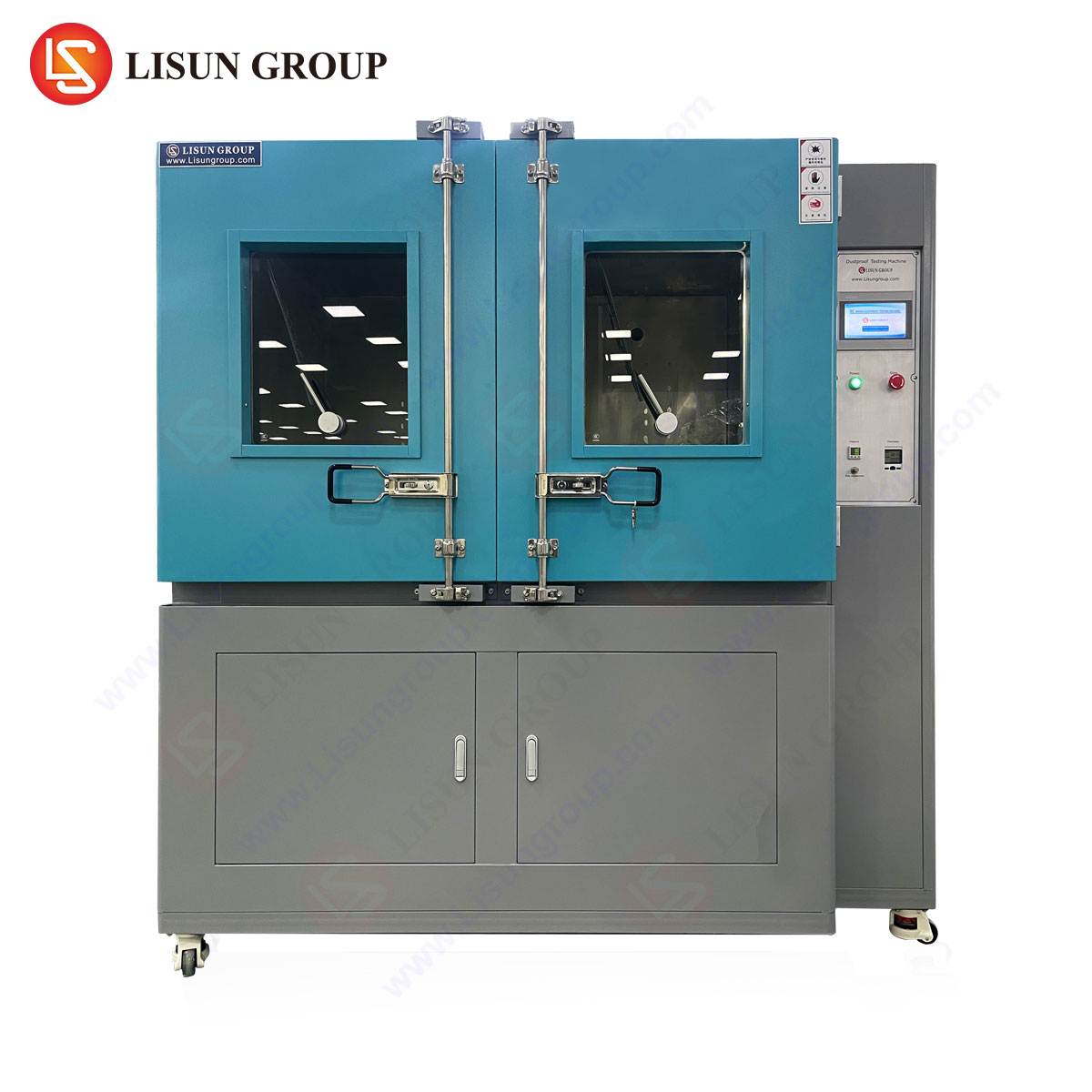
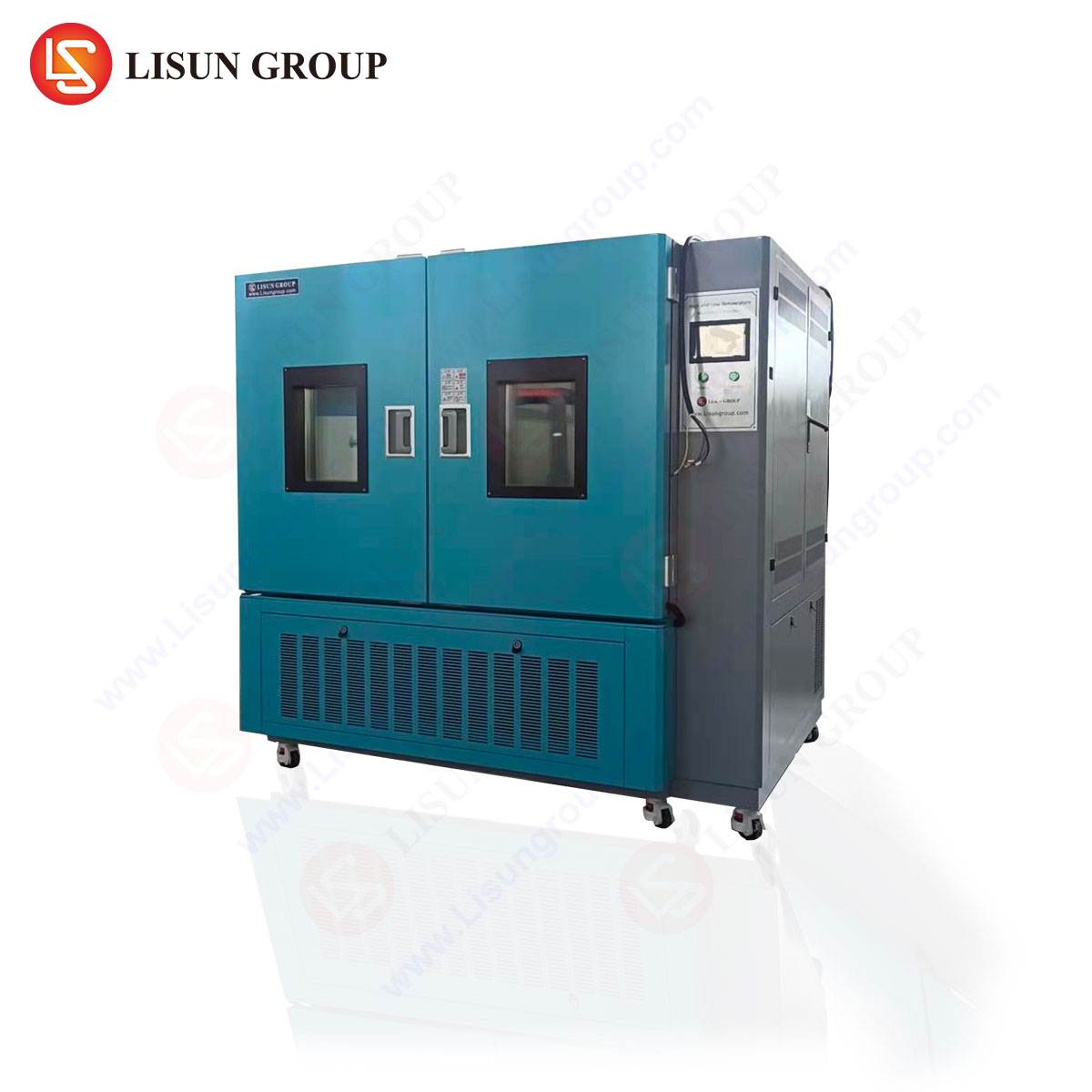
Within the landscape of compliance testing equipment, the LISUN JL-XC Series waterproof test chambers represent a sophisticated, modular solution designed for rigorous IPX7 and other related immersion tests. This series is engineered to accommodate a broad spectrum of product sizes and testing protocols across diverse industries. The JL-XC design philosophy emphasizes precision, user safety, and operational flexibility.
The chamber construction utilizes high-grade 304 stainless steel for the main tank, ensuring long-term resistance to corrosion and water damage. A critical feature is its motorized elevator system, which allows for the automated, controlled lowering and raising of the test sample. This eliminates manual handling inconsistencies, enhances operator safety by preventing strain or accidental dropping, and allows for precise control over immersion and emersion speeds—a factor that can influence pressure differentials and test outcomes. The chamber is equipped with a high-precision water level sensor and digital display, providing real-time feedback to guarantee the 1-meter immersion depth is maintained with an accuracy typically within ±2 mm.
For test traceability, the JL-XC Series integrates a programmable logic controller (PLC) and human-machine interface (HMI) touchscreen. Operators can pre-set test parameters, including immersion time, depth, and cycle count. The system automatically executes the test, logs data, and can be configured to trigger alarms or cease operation upon detection of a fault. This level of automation is crucial for laboratories conducting high-volume testing, ensuring each test is performed identically in accordance with IEC 60529 procedures.
Representative Specifications of the LISUN JL-XC Series:
- Test Capability: Compliant with IPX7, IPX8 (with pressure control accessory), and related immersion standards.
- Chamber Internal Dimensions: Available in multiple volumetric configurations (e.g., 600x600x800mm, 800x800x1000mm) to suit products from small components to larger assemblies.
- Depth Range: Adjustable immersion depth, typically up to 1.2 meters or more, exceeding the minimum IPX7 requirement.
- Control System: PLC with color touchscreen HMI for programmable operation.
- Sample Holder: Motorized elevator with adjustable fixture platform; load capacity varies by model.
- Water Management: Optional integrated temperature control and filtration systems.
- Safety Features: Over-travel protection, water leakage detection, and emergency stop.
Industry-Specific Applications and Testing Protocols
The requirement for IPX7 verification spans virtually every sector that produces electrical or electronic equipment potentially exposed to liquids.
Consumer Electronics and Telecommunications: For smartphones, tablets, smartwatches, Bluetooth speakers, and routers, IPX7 testing validates resistance to accidental drops in water. The test chamber must accommodate various shapes and sizes, and the non-conductive, clean water environment of the JL-XC chamber ensures no secondary damage occurs during testing.
Automotive Electronics: Components like sensors, control units (ECUs), infotainment systems, and exterior lighting fixtures are subjected to high-pressure washes and road spray. While many require higher-pressure IPX6K or IPX9K tests, internal components may specify IPX7 for flood resistance. Testing often involves thermal cycling before immersion to simulate real-world thermal stresses.
Lighting Fixtures: Outdoor luminaires, pool lights, and industrial work lights are prime candidates for IPX7 testing. The chamber must be large enough to fit bulky fixtures, and the test verifies that the sealant and gasket interfaces remain effective after immersion, preventing short circuits.
Medical Devices: Handheld diagnostic tools, wearable monitors, and certain surgical instrument handles may require IPX7 rating for sterilization via immersion or protection against bodily fluids. Here, test repeatability and documentation are paramount for regulatory submissions to bodies like the FDA or CE.
Electrical Components and Industrial Control Systems: Switches, sockets, connectors, and control panels installed in damp locations or outdoors undergo IPX7 testing. The test confirms that dielectric strength is maintained and that no tracking occurs across terminals post-immersion.
Aerospace and Aviation Components: While most aviation equipment demands more extreme environmental testing, certain portable ground support equipment or non-critical interior components may reference IPX7 for fluid exposure resistance. Testing in these fields often requires stringent calibration records and material compatibility checks, which are supported by the data logging features of advanced chambers.
Comparative Advantages in Precision Testing Methodology
The competitive advantage of a dedicated system like the LISUN JL-XC Series over ad-hoc testing setups is substantial. Manual testing using a simple tank and ruler introduces significant variables: inaccurate depth measurement, inconsistent immersion/emersion angles, lack of temperature stabilization, and no controlled lowering mechanism. These variables can lead to false passes or, more problematically, false failures, resulting in unnecessary design changes and increased costs.
The JL-XC’s motorized elevator ensures the specimen is lowered vertically and smoothly at a constant rate, preventing the creation of air bubbles that can become trapped and later collapse, creating a pressure differential that may compromise seals. The digital depth control guarantees the exact 1-meter requirement is met every time, a factor that is difficult to consistently achieve manually. Furthermore, the automated timing function removes human error from the critical 30-minute duration. For manufacturers seeking certification from third-party laboratories, the ability to provide calibrated, machine-generated test reports from a recognized platform like the JL-XC series adds credibility and streamlines the approval process.
Integrating Test Chamber Data into Quality Assurance Frameworks
Modern quality assurance and reliability engineering frameworks demand more than a simple pass/fail result. Data-driven insights are essential for continuous improvement. The logging capabilities of an automated IPX7 chamber feed directly into these frameworks. By recording parameters for every test—including date/time, operator ID, specimen ID, water temperature, exact depth, and immersion duration—a complete audit trail is established. This is indispensable for production batch testing, where statistical process control can be applied. If a spike in failures occurs, the data can be cross-referenced with production variables to identify root causes, such as a faulty gasket batch or an assembly torque deviation.
In research and development, the chamber can be used for design validation. Engineers can test prototype iterations under identical conditions, quantitatively comparing the performance of different sealing geometries or materials. The ability to program complex cycles (e.g., multiple immersions with drying periods in between) allows for accelerated life testing, providing predictive data on long-term seal durability before market release.
FAQ: Common Inquiries on IPX7 Testing and Equipment
Q1: Can an IPX7-rated chamber be used to test for IPX8 standards?
A1: The core immersion functionality is similar, but IPX8 testing involves immersion at depths greater than 1 meter, as specified by the manufacturer, and often includes pressure parameters. The LISUN JL-XC Series can serve as a base for IPX8 testing, but it typically requires an additional pressure control and monitoring accessory to precisely regulate and maintain the specified water pressure during the test, which is a key differentiator from the static immersion of IPX7.
Q2: How is a “pass” or “fail” determined after the IPX7 test?
A2: The determination is made via a post-test examination. The specimen is carefully removed and dried externally. It is then inspected for visual ingress of water. Subsequently, functional testing is performed. For many standards, the device must operate normally. A critical check involves disassembly to inspect for any moisture that has penetrated the primary enclosure, which would constitute a failure. Some test specifications also include a dielectric withstand test (hipot test) post-immersion to verify electrical insulation integrity.
Q3: What is the importance of water temperature during testing?
A3: Water temperature is a controlled variable in many test specifications to prevent a false failure. If a cold device is immersed in significantly warmer water (or vice versa), the temperature differential can cause internal air to contract or expand, drawing water past seals through “breathing” action, or cause condensation inside the enclosure that is not due to ingress. Standards often stipulate a temperature differential of less than 5°C to mitigate this.
Q4: Our products have vents for pressure equalization. Can they be IPX7 tested?
A4: This presents a complex scenario. A true vent open to the environment would likely allow immediate water ingress. However, many “vents” are actually protected by hydrophobic membranes that allow air passage but block liquid water. Products with such membranes can be tested for IPX7, but the test validates the entire system—the membrane’s performance under immersion pressure is part of the assessment. The test chamber does not differentiate; it tests the final assembled product as specified.
Q5: How often should the test chamber itself be calibrated or maintained?
A5: For compliance with ISO/IEC 17025 laboratory standards, key parameters of the chamber must be regularly calibrated. This includes verification of the water level sensor accuracy, timer accuracy, and elevator speed (if used). Maintenance typically involves regular cleaning to prevent biofilm or sediment buildup, inspection of seals and gaskets on the chamber itself, and functional checks of the control system. An annual calibration and maintenance schedule is a common industry practice for accredited testing facilities.