

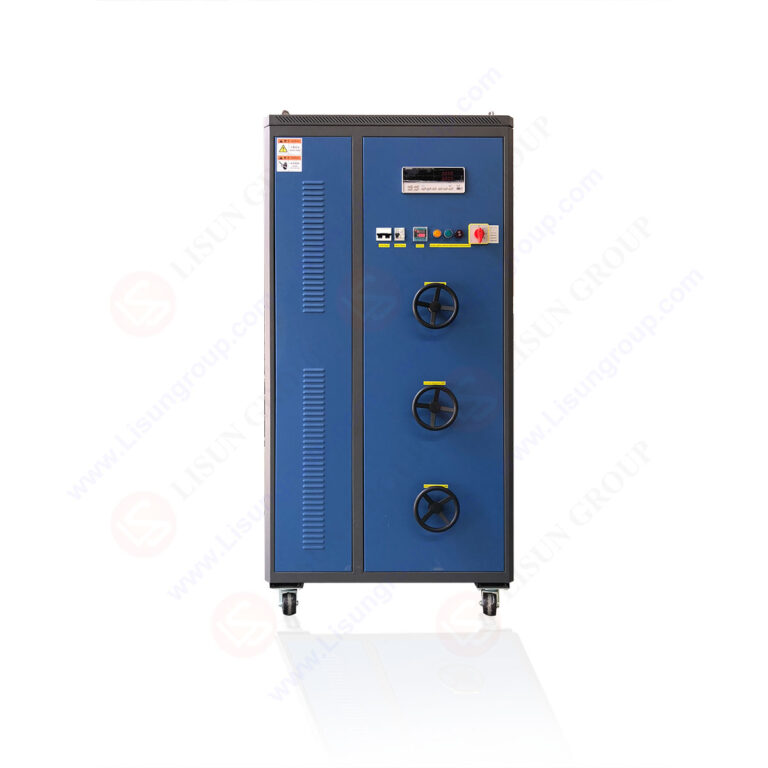



Advancements in Material Flammability Assessment: A Technical Examination of Needle Flame Test Standards and Instrumentation
Introduction to Flammability Hazard Evaluation in Modern Industries
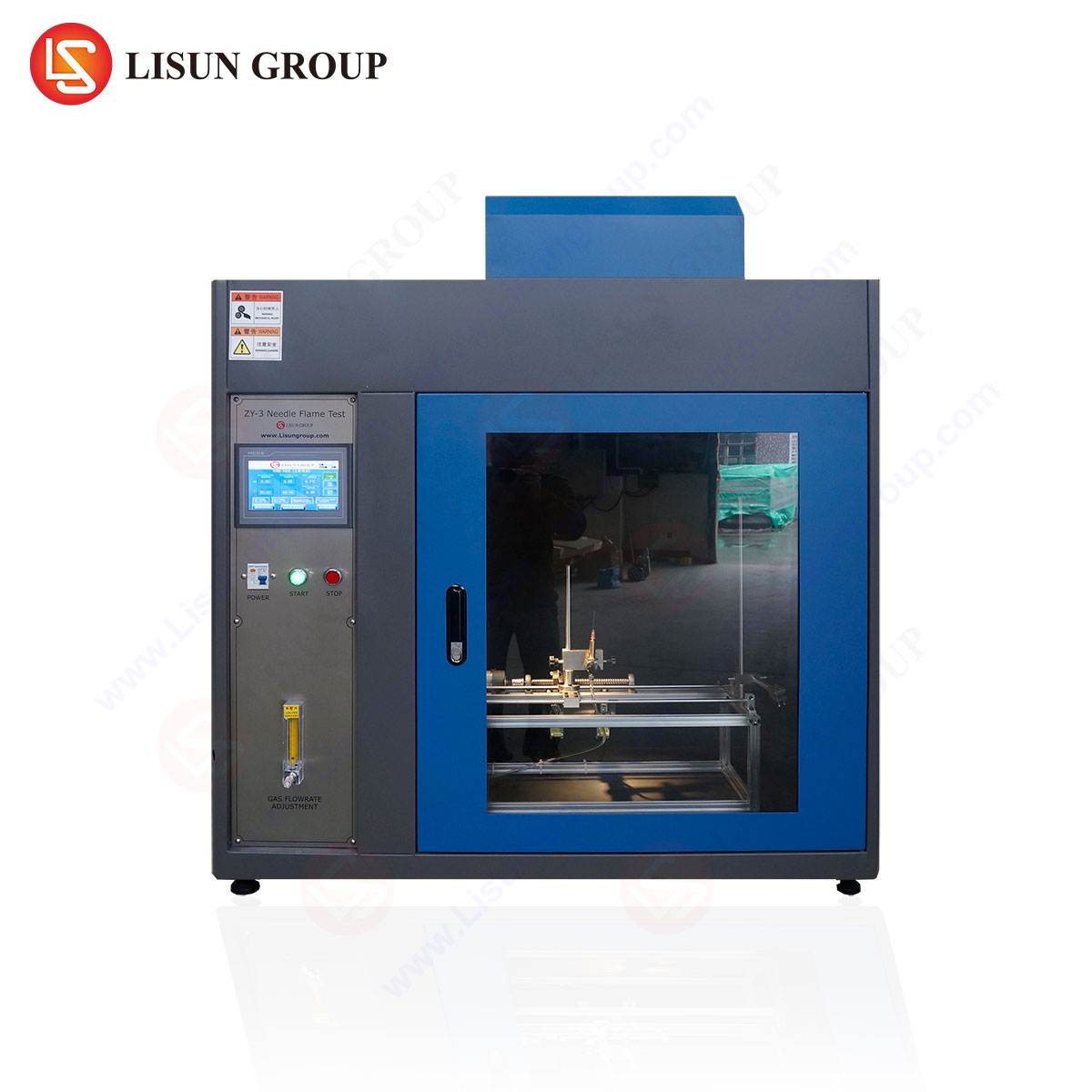
The proliferation of complex electrical and electronic equipment across diverse sectors has precipitated an intensified focus on fire safety engineering. Within the enclosures of devices ranging from miniature automotive control units to expansive industrial server racks, potential ignition sources—such as overheated components, faulty connections, or arcing—are omnipresent. Consequently, evaluating the resistance of insulating materials, enclosures, and sub-assemblies to small, localized flames is a critical component of product safety validation. The needle flame test, a standardized simulation of such a fault condition, provides a reproducible and severe assessment of a material’s ability to resist ignition and limit flame propagation. This technical analysis delineates the principles, standards, and application of needle flame testing, with particular emphasis on the implementation facilitated by modern apparatus such as the LISUN ZY-3 Needle Flame Test Apparatus.
Fundamental Principles of the Needle Flame Simulation
The needle flame test is predicated on simulating a low-energy ignition source, analogous to a fault-induced flame from an overheated or burning component. Unlike larger-scale flammability tests, its objective is not to measure gross burning characteristics but to assess the reaction of a material or product to a small, targeted flame and its propensity to ignite or contribute to fire growth. The core methodology involves applying a defined flame from a specified burner—typically fed by butane and producing a nominally 12mm high flame with a controlled thermal output—to a test specimen for a predetermined period. The test evaluates several key failure modes: the specimen’s ignition time, duration of subsequent flaming or glowing, the extent of material consumed, and crucially, the behavior of any drips that may fall and ignite a layer of surgical cotton (simulating adjacent flammable materials) positioned below. The test’s severity stems from its localized nature; it probes the weakest point in a design, such as thin-walled sections, joints, or material interfaces, which might not be revealed by bulk material testing.
Governing Standards and Their Sector-Specific Applications
Needle flame testing is codified within several international and regional standards, each tailored to specific product families and risk profiles. The most widely referenced is IEC 60695-11-5, “Fire hazard testing – Part 11-5: Test flames – Needle-flame test method – Apparatus, confirmatory test arrangement and guidance.” This standard provides the foundational test methodology. Its application is mandated or referenced by a multitude of derivative product standards across industries.
In the realm of Electrical and Electronic Equipment and Household Appliances, standards like IEC 60335-1 (safety of household appliances) frequently invoke needle flame testing for non-metallic parts that may be exposed to fault conditions. For Automotive Electronics, ISO 20653 (degrees of protection) and various OEM specifications require testing of components in passenger compartments and engine-adjacent areas to ensure they do not propagate small electrical fires. Lighting Fixtures, governed by standards such as IEC 60598-1, utilize the test for lampholders, wiring compartments, and insulating materials within luminaires.
Industrial Control Systems, Telecommunications Equipment, and Office Equipment (e.g., servers, routers, printers) are assessed under IEC 62368-1, the audio/video, information and communication technology equipment safety standard. This standard employs a hazard-based safety engineering approach, where needle flame testing is a critical tool for evaluating the fire hazard from insulating materials, enclosures, and printed circuit boards under fault conditions. In Medical Devices (IEC 60601-1), the test applies to non-metallic enclosures and parts that could be exposed to overheating. Even Aerospace and Aviation Components reference similar principles in materials qualification, ensuring components in confined spaces do not present an undue fire risk.
For Electrical Components such as switches, sockets, and connectors, standards like IEC 60884-1 (plugs and sockets) and IEC 61058-1 (switches) specify needle flame testing to verify that abnormal overheating does not cause the surrounding material to ignite. Cable and Wiring Systems may be tested per IEC 60332-1 series for small-diameter cables, where the test evaluates the flame retardancy of the cable insulation and jacketing when subjected to a small flame.
The LISUN ZY-3 Needle Flame Test Apparatus: Technical Specifications and Operational Fidelity
The reliable execution of needle flame tests demands instrumentation of high precision and repeatability. The LISUN ZY-3 Needle Flame Test Apparatus is engineered to meet the exacting requirements of IEC 60695-11-5 and related standards. Its design integrates critical features to ensure consistent flame application and accurate observation of test results.
Core Specifications and Design Features:
- Burner System: Utilizes a stainless-steel needle burner with a nominal orifice diameter of 0.5mm ±0.1mm, fed by high-purity butane (≥95% purity). The apparatus includes precise flow control valves and pressure gauges to maintain a stable flame height of 12mm ±1mm, a parameter critical for consistent thermal input.
- Flame Application and Timing: Incorporates an automated or precise manual positioning system to apply the flame at specified angles (typically 0°, 20°, or 45° as per the product standard). Digital timers with 0.1-second resolution control the application period (Te, typically 5s to 120s) and measure after-flame (Ti) and after-glow (Te) times.
- Test Chamber: Constructed from stainless steel with a tempered glass observation window, providing a draft-free environment of sufficient volume (≥0.5m³ recommended) to prevent oxygen depletion. The interior is finished in a dark, non-reflective color to enhance visibility of the flame.
- Specimen and Indicator Arrangement: Includes an adjustable specimen holder and a standardized platform for positioning the indicator layer (a 100mm x 100mm square of dry surgical cotton) 200mm ±5mm below the specimen. A calibrated ruler is integrated for measuring flame height and burn distance.
- Safety Systems: Encompasses gas leak detection, automatic gas shut-off, and exhaust ventilation interfaces to evacuate combustion products.
Testing Principle Implementation: The ZY-3 apparatus operationalizes the standard test sequence: calibration of the flame using a copper block calorimeter (confirming a temperature rise of 100K ±2K within 23.5s ±1.0s), precise mounting of the specimen, application of the flame for duration Te, removal of the burner, and subsequent observation and measurement of ignition, burning, dripping, and ignition of the cotton indicator. Its design minimizes operator variance, a common source of inter-laboratory discrepancy.
Comparative Advantages in Industrial Testing Regimens
The value of a testing apparatus is measured by its accuracy, reliability, and operational efficiency. The LISUN ZY-3 exhibits several competitive advantages in industrial laboratory settings.
Enhanced Repeatability and Reproducibility: The precision-engineered gas flow system and rigid burner mounting fixture ensure the flame characteristics remain constant across tests and between operators. This reduces statistical noise in data, yielding more reliable pass/fail determinations and material comparison data.
Operational Efficiency and User Safety: Integrated timers, clear calibration markings, and a logical control layout streamline the testing workflow. Comprehensive safety features, including chamber sealing and exhaust management, protect technicians from exposure to fumes and mitigate laboratory fire risks during extended testing of multiple specimens.
Adaptability to Diverse Specimen Geometries: The flexible specimen holding system accommodates a wide range of product types—from a small switch housing to a section of a large appliance control panel—without requiring custom fixtures for every test, thereby reducing setup time and cost for laboratories serving multiple industries.
Compliance and Audit Readiness: The apparatus is designed to facilitate full traceability of test parameters. Ease of calibration and adherence to standard geometries ensure that test reports generated using the ZY-3 withstand rigorous technical audits by certification bodies such as UL, TÜV, Intertek, and CSA.
Interpreting Test Results and Failure Criteria
A test is typically deemed a failure if one or more of the following conditions, as specified in the applicable end-product standard, are met:
- Persistent Flaming or Glowing: The specimen continues to flame (Ti) or glow (Te) for longer than a stipulated duration (often 30 seconds) after removal of the needle flame.
- Indicator Ignition: Any flaming or glowing particles (drips) from the specimen ignite the surgical cotton indicator layer placed beneath it. This is a critical failure mode, as it simulates fire spread to adjacent materials.
- Excessive Burn Distance: The extent of material consumed or charred exceeds defined limits, often measured from the point of flame application.
- Complete Consumption: The specimen is consumed entirely before the prescribed observation period ends.
The specific pass/fail criteria are not generic; they are meticulously defined in the vertical product standard (e.g., IEC 60335-1, IEC 62368-1) which references the needle flame test method. These criteria are risk-based, often varying with the material’s location within the equipment, its function, and its proximity to live parts or user-accessible areas.
Strategic Integration in Product Development and Quality Assurance
Proactive integration of needle flame testing into the product development lifecycle is a hallmark of robust safety engineering. During the Design and Material Selection phase, comparative testing of candidate polymers or composites informs choices, balancing flammability performance with cost, mechanical properties, and manufacturability. In Prototype Validation, testing critical sub-assemblies—such as a power supply unit in a server or a control module in a washing machine—identifies design vulnerabilities like inadequate creepage distances, thermally weak joints, or drip paths before full-scale production.
For Incoming Quality Control (IQC), manufacturers of high-risk components can use the test to batch-test raw material pellets or finished parts from suppliers, ensuring consistency in flame-retardant formulations. Finally, in Type Testing for Certification, the generation of compliant test reports using apparatus like the LISUN ZY-3 is a mandatory step in obtaining safety marks (CE, UL, CCC, etc.) required for global market access. The data generated provides objective evidence to notified bodies and certifiers that the product mitigates fire hazard from small ignition sources.
Conclusion
The needle flame test remains an indispensable, severity-stratified tool in the panoply of fire hazard assessments for electrotechnical products. Its simulation of a realistic, low-energy fault condition provides essential data that bulk material tests cannot replicate. As product miniaturization and functional integration continue, the density of potential ignition sources increases, rendering such targeted evaluations ever more critical. The implementation of this test through precise, reliable, and standards-compliant instrumentation, such as the LISUN ZY-3 Needle Flame Test Apparatus, underpins the integrity of the safety certification ecosystem. It empowers manufacturers across the electrical, electronic, automotive, and appliance industries to design with greater confidence, validate with empirical rigor, and ultimately deliver products that enhance public safety by mitigating the risk of fire initiation and propagation.
Frequently Asked Questions (FAQ)
Q1: How often should the LISUN ZY-3 apparatus be calibrated, and what does calibration entail?
A: Calibration should be performed at regular intervals, typically annually, or as required by a laboratory’s quality management system (e.g., ISO/IEC 17025). The key calibration activity is the confirmatory test of the flame’s thermal output using a standardized copper block calorimeter, as detailed in IEC 60695-11-5. This verifies that the temperature rise of the block meets the 100K ±2K in 23.5s ±1.0s criterion. Additionally, flow meters, pressure gauges, and timers should be calibrated against traceable standards.
Q2: Can the needle flame test be used to rank materials for flammability performance?
A: While primarily a pass/fail test against product-specific criteria, the needle flame test can provide comparative data for material selection. Metrics such as time to ignition, duration of after-flame, and burn length can be used to rank candidate materials under identical test conditions. However, it is crucial to note that performance in this test does not directly correlate with performance in other flammability tests (e.g., UL 94, glow-wire). Material selection should be based on the battery of tests required by the applicable end-product standard.
Q3: What is the significance of the surgical cotton indicator, and can it be substituted?
A: The surgical cotton (conforming to specified purity and density) serves as a highly sensitive, standardized indicator for assessing whether burning drops from the test specimen can ignite adjacent, typically flammable, materials. Its use is mandated by the standard to ensure test severity and reproducibility. Substitution with other materials is not permitted, as it would invalidate the test’s standardized severity and compromise inter-laboratory comparison of results.
Q4: For a complex assembled product, how is the test point selected?
A: Test point selection is not arbitrary; it is a risk-based analysis guided by the applicable product standard and engineering judgment. Points are chosen at locations deemed most vulnerable to a small flame arising from an internal fault. This often includes: areas closest to overloaded components or connectors, thin sections of enclosures, material seams or joints, ventilation openings, and locations where dripping molten material could fall onto internal parts or escape the enclosure. The product standard may provide explicit guidance or examples.