

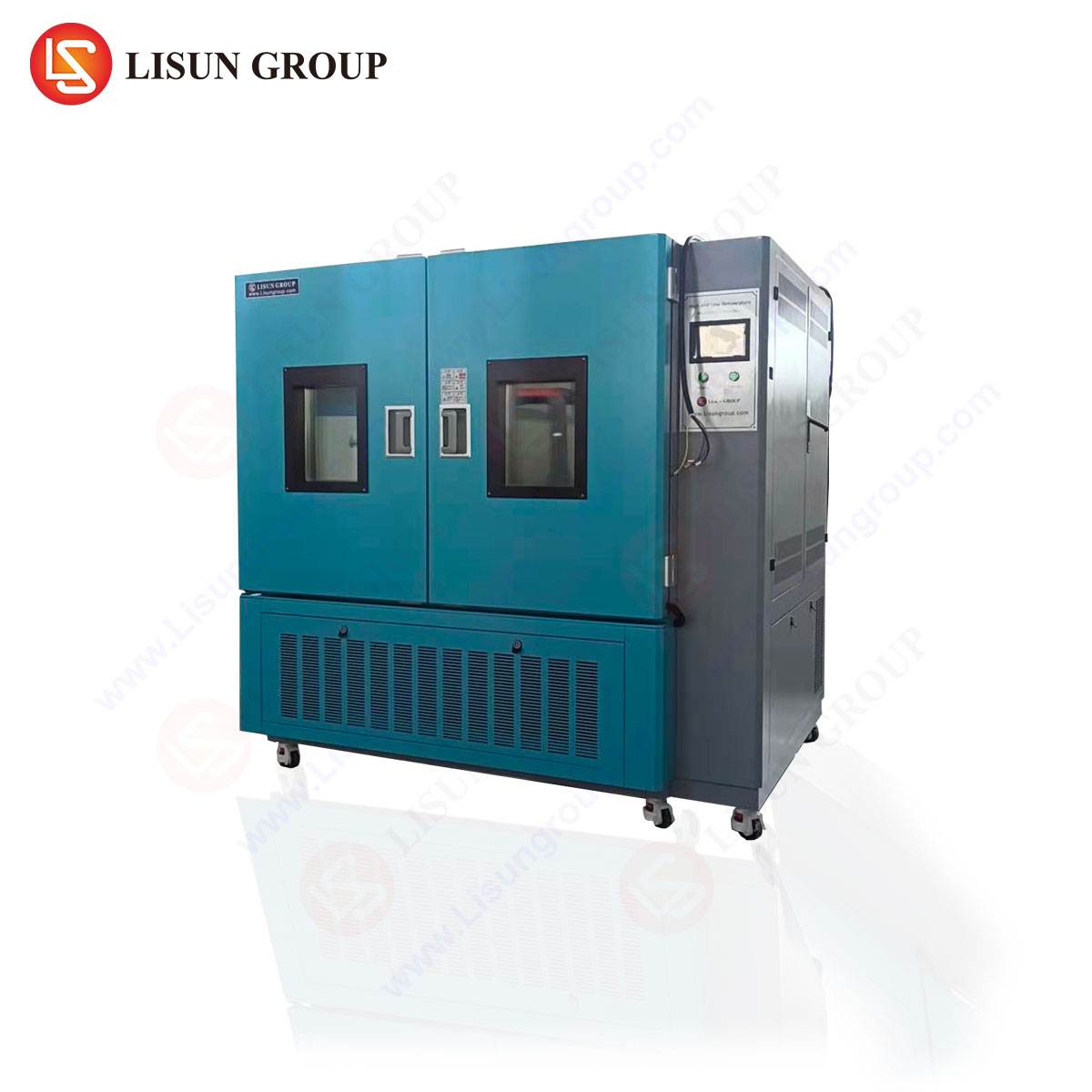



Optimizing Environmental Testing with LISUN Temperature Humidity Chambers
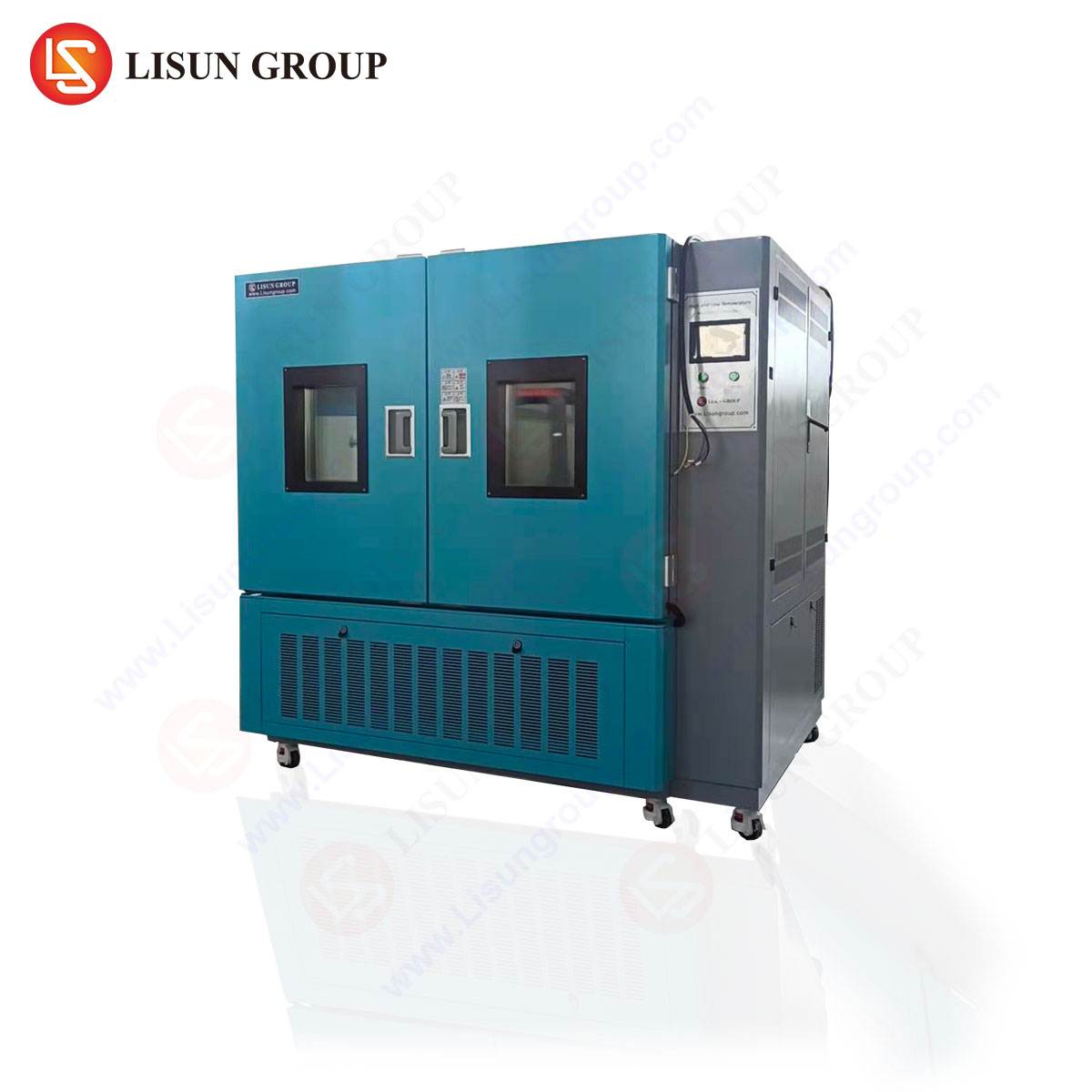
Environmental simulation testing represents a cornerstone of modern product validation, providing critical data on the reliability, safety, and longevity of components and assemblies. The ability to accurately replicate and accelerate the effects of temperature and humidity extremes is paramount across industries where failure is not an option. This technical article examines the methodologies and instrumentation essential for optimizing such testing protocols, with a detailed focus on the application and technical architecture of advanced climatic chambers, exemplified by the LISUN GDJS-015B Temperature Humidity Test Chamber.
Foundational Principles of Climatic Stress Testing
The core objective of environmental stress testing is not merely to observe a product under static conditions but to understand its performance and failure modes under dynamic, controlled stress. Temperature and humidity, both independently and synergistically, induce a range of physical and chemical degradation mechanisms. Thermal cycling induces expansion and contraction, leading to solder joint fatigue, delamination of composite materials, and micro-cracking in semiconductors. Humidity, particularly when combined with temperature, accelerates corrosion, promotes dendritic growth on printed circuit boards (PCBs), and can cause swelling or hydrolysis in polymers and insulating materials.
The testing philosophy moves beyond simple pass/fail criteria. It is a diagnostic tool for identifying design weaknesses, validating material selections, and predicting mean time between failures (MTBF). By subjecting a device to conditions exceeding its expected operational envelope, engineers can uncover latent defects and implement corrective actions prior to mass production, thereby reducing field failure rates and associated warranty costs. The fidelity of this simulation is entirely dependent on the precision, uniformity, and controllability of the test chamber employed.
Architectural Overview of the GDJS-015B Test Chamber
The LISUN GDJS-015B is a benchtop temperature and humidity test chamber designed for rigorous reliability testing. Its architecture integrates several subsystems to achieve precise environmental control within a 150-liter workspace. The chamber’s operation is governed by a cascade refrigeration system for temperature control and a steam-generation humidification system, managed by a programmable logic controller (PLC) with a touch-screen human-machine interface (HMI).
The refrigeration system utilizes a dual-compressor cascade configuration. A high-stage compressor handles moderate temperature ranges, while a low-stage compressor engages for sub-ambient cooling, enabling a broad temperature span. This design enhances efficiency and stability when maintaining low-temperature setpoints. For humidification, a resistive-heating element boils deionized water to produce pure steam, which is introduced into the air stream. Dehumidification is achieved by directing moist chamber air over a cold evaporator coil, causing condensation, with the resultant water drained away. Air circulation is maintained by a centrifugal blower and ducted system to ensure minimal deviation (±0.5°C to ±2.0°C depending on range) from the setpoint throughout the workspace.
Key Technical Specifications of the GDJS-015B:
- Internal Volume: 150 Liters
- Temperature Range: -70°C to +150°C
- Humidity Range: 20% to 98% Relative Humidity
- Temperature Fluctuation: ≤±0.5°C
- Temperature Uniformity: ≤±2.0°C
- Humidity Deviation: ±2.0% RH (for conditions >75% RH; ±3.0% RH for conditions ≤75% RH)
- Rate of Change: Approximately 1.0°C to 3.0°C per minute (typical, load dependent)
- Controller: Programmable Touch-Screen PLC
- Refrigeration: Cascade Compressor System (R404A / R23)
- Inner Chamber Material: Stainless Steel (SUS304)
Integration into Industry-Specific Validation Protocols
The utility of a chamber like the GDJS-015B is realized through its application within standardized and custom test profiles across diverse sectors. Compliance with international standards such as IEC 60068-2-1 (cold), IEC 60068-2-2 (dry heat), IEC 60068-2-30 (damp heat, cyclic), and MIL-STD-810 is a fundamental requirement. The chamber’s programmability allows for the creation of complex, multi-segment profiles that mimic real-world conditions or accelerated stress sequences.
In Automotive Electronics, components like engine control units (ECUs), sensors, and infotainment systems undergo tests simulating diurnal cycles, cold starts, and under-hood environments. A profile may cycle between -40°C and 125°C with humidity ramps to condense moisture, testing for connector integrity, PCB corrosion resistance, and display functionality.
For Medical Devices, reliability is synonymous with patient safety. Devices such as portable diagnostic monitors or implantable device programmers are tested for stability under storage and transport conditions (e.g., IEC 60601-1) and operational robustness. Damp heat tests at 40°C/93% RH for 21 days are common for assessing packaging seals and material stability.
Telecommunications Equipment, including 5G base station components and fiber-optic transceivers, must operate in uncontrolled outdoor cabinets. Testing involves prolonged damp heat (85°C/85% RH) for thousands of hours to accelerate electrochemical migration and identify susceptible circuit geometries, ensuring a high mean time between failures in the field.
Aerospace and Aviation Components face rapid pressure and temperature changes. While dedicated thermal shock chambers like the LISUN HLST-500D are used for extreme transition tests, the GDJS-015B is employed for steady-state altitude simulation (low temperature and low humidity) and condensation tests to validate avionics and in-flight entertainment systems.
Lighting Fixtures, particularly outdoor LED luminaires, are tested for resistance to thermal cycling-induced stress on solder joints and humidity ingress that can lead to driver failure. Profiles often combine high-temperature operation (70-85°C) with high-humidity soak periods.
Analytical Advantages in Test Optimization
The competitive advantage of a precision instrument like the GDJS-015B lies in the quality and repeatability of the data it generates. Optimization of environmental testing is achieved through several key chamber characteristics.
First, gradient and fluctuation control is critical. A large temperature gradient across the workspace means different parts of a test specimen experience different stress levels, invalidating comparative data. The GDJS-015B’s specified uniformity of ≤±2.0°C ensures that a batch of electrical components (switches, sockets) or cable assemblies are all subjected to nearly identical conditions, allowing for statistically significant sample testing.
Second, control algorithm sophistication directly impacts test accuracy. Simple on/off control leads to significant overshoot and undershoot at setpoints. Advanced PID (Proportional-Integral-Derivative) control, as implemented in the chamber’s PLC, allows for smooth asymptotic approach to targets. This is vital when conducting tests on battery cells within consumer electronics or industrial control systems, where a temperature overshoot could itself be a stress event not called for in the standard.
Third, humidification methodology matters. Steam-generation systems, as used in the GDJS-015B, introduce clean, hot water vapor. This avoids the mineral dust contamination associated with atomizing humidifiers, which can settle on sensitive semiconductor wafers or optical components within test items. Pure steam ensures that the only variable being tested is humidity itself.
Finally, data integrity and programmability enable complex, unattended testing. The ability to create profiles with dozens of segments, insert dwells, and set conditional loops allows for the simulation of real-world yearly cycles in a matter of days or weeks. This accelerates time-to-market for household appliances and office equipment undergoing design validation.
Mitigating Common Pitfalls in Chamber Utilization
Optimal results require more than just capable hardware; they demand informed operational practices. A common pitfall is excessive loading. Filling the workspace beyond recommended capacity impedes airflow, destroying temperature and humidity uniformity. Test items should be arranged to allow free air passage on all sides. Similarly, the thermal mass and power dissipation of the unit under test (UUT) must be considered. A powered telecommunications router dissipating 500W creates a significant heat load that the chamber’s refrigeration system must counteract; test profiles may need adjustment to account for this.
Sensor placement for chamber validation and monitoring is another critical factor. Validation sensors should be placed at the geometric corners and center of the workspace, not on or inside the UUT. For monitoring the UUT’s response, thermocouples or RTDs should be attached to critical points—such as a power IC’s case, a battery terminal, or a plastic housing’s interior surface—using appropriate thermally conductive adhesives and ensuring minimal thermal shunt.
Proper maintenance of the humidification system is non-negotiable. Use of deionized or distilled water prevents scale buildup on the boiler and sensors, which degrades performance and can lead to catastrophic failure. Regular chamber calibration, typically on an annual basis traceable to national standards, is essential to maintain the validity of all test data for audit and certification purposes.
Conclusion: The Role of Precision in Predictive Reliability
In the rigorous domains of product development and qualification, environmental testing transforms from a qualitative check-box exercise into a quantitative predictive science. The precision, reliability, and programmability of the test instrumentation directly correlate to the actionable insights gained. A chamber such as the LISUN GDJS-015B, with its broad ranges, tight uniformity, and robust construction, serves as a foundational tool for this science. By enabling accurate simulation of climatic stresses, it allows engineers across the electrical, electronic, automotive, and aerospace industries to proactively design for reliability, optimize material choices, and ultimately deliver products capable of enduring the demanding environments of real-world operation. The data derived forms the empirical backbone of reliability forecasts, warranty analyses, and continuous improvement cycles, making the environmental test chamber not merely a box that creates conditions, but a core analytical instrument in the modern engineering lifecycle.
Frequently Asked Questions (FAQ)
Q1: What is the primary difference between a temperature humidity chamber like the GDJS-015B and a thermal shock chamber like the HLST-500D?
A1: The fundamental difference lies in the rate and method of temperature transition. The GDJS-015B changes temperature within a single workspace at a controlled rate (typically 1-3°C/min), simulating gradual environmental changes or steady-state soaks. The HLST-500D Thermal Shock Chamber utilizes two or three independent temperature zones (e.g., -55°C, +150°C) and a moving basket to transfer test items between zones in less than 10 seconds, simulating extreme, rapid temperature shocks experienced during transport, power cycling, or aerospace applications.
Q2: How do I determine if my device under test (DUT) is too large or produces too much heat for a 150-liter chamber?
A2: Two calculations are essential. First, ensure the DUT’s volume does not exceed 20-30% of the chamber’s free workspace volume to avoid airflow blockage. Second, calculate the total thermal load: sum the DUT’s own power dissipation (in Watts) with the heat leakage from its surface area. Consult the chamber’s technical specifications for its maximum heat load capacity at your target temperature. Exceeding this will prevent the chamber from reaching or maintaining the setpoint.
Q3: Why is deionized water required for the humidification system, and what are the risks of using tap water?
A3: Deionized (DI) or distilled water has had mineral ions (calcium, magnesium) removed. Tap water contains these dissolved solids, which will precipitate out as scale or white dust when vaporized. Scale coats the humidifier boiler, heating elements, and humidity sensors, reducing efficiency, causing inaccurate readings, and leading to premature component failure. Mineral dust can also contaminate sensitive test samples.
Q4: For testing to a standard like IEC 60068-2-78 (Cabinet damp heat), what chamber parameters are most critical to monitor?
A4: For steady-state damp heat tests, the absolute critical parameters are temperature uniformity and humidity deviation over time. The standard specifies allowable tolerances (e.g., ±2°C, ±3% RH). Consistent deviation outside these tolerances can invalidate the test. Continuous data logging of the chamber’s control sensors and independent validation sensors is recommended to provide an audit trail.
Q5: Can the GDJS-015B be used for burn-in testing of electronic assemblies?
A5: Yes, it is well-suited for temperature-accelerated burn-in. A common profile involves elevating the chamber to a constant temperature (e.g., 40-60°C) while the assembled PCBs inside are powered on and functionally exercised. This process accelerates the “infant mortality” failure of weak components (a bathtub curve phenomenon) before the product leaves the factory. The chamber’s stability ensures consistent stress application across batches.