




Advancements in Portable Water Testing Equipment for On-Site Analysis: Integrating Robust Ingress Protection Verification
Introduction: The Imperative for Field-Based Environmental Resilience Testing
The proliferation of electronic and electrical equipment across diverse sectors has precipitated a critical need for reliable, on-site validation of environmental resilience. Among the most stringent challenges is verifying a product’s resistance to water and particulate ingress, as defined by the International Protection (IP) Code standards (IEC 60529). Traditionally, compliance testing for IP ratings, particularly those concerning pressurized water jets (IPX5, IPX6) and powerful water jets (IPX9K), has been confined to controlled laboratory settings. This paradigm presents significant logistical and economic constraints, including high costs for sample transportation, scheduling bottlenecks at certified labs, and an inability to conduct immediate quality assurance during manufacturing or post-installation audits. Consequently, the industry demand has shifted towards sophisticated, portable water testing equipment capable of delivering laboratory-grade accuracy in field conditions. This technical article examines the engineering principles, application methodologies, and sector-specific benefits of advanced portable water ingress testing systems, with a detailed focus on the implementation of the LISUN JL-9K1L Portable IPX9K Test Apparatus.
Fundamental Principles of Ingress Protection Testing for Water Resistance
Ingress Protection testing is a codified methodology designed to simulate real-world environmental exposures. The IP code’s second numeral specifically denotes protection against water. For high-pressure water tests, the standards prescribe precise parameters for nozzle orifice diameter, water pressure, flow rate, spray angle, and specimen distance. The IPX9K test, one of the most demanding, is intended to replicate high-pressure, high-temperature wash-down procedures common in industrial, automotive, and food service environments. According to IEC 60529, an IPX9K test requires spraying the test specimen with water at a pressure of 8,000 – 10,000 kPa (80-100 bar), a flow rate of 14-16 L/min, and a water temperature of 80°C ±5°C. The nozzle must be held at specific angles (0°, 30°, 60°, and 90° relative to the vertical) and at a distance of 100-150mm from the specimen, with a dwell time of 30 seconds per angle. Reproducing these conditions outside a fixed laboratory necessitates a self-contained apparatus integrating a high-pressure pump, a thermal control unit, a precision nozzle, and a robust frame—all within a portable form factor.
Architectural Design and Operational Specifications of the JL-9K1L System
The LISUN JL-9K1L Portable IPX9K Test Apparatus is engineered to meet the exacting requirements of IEC 60529 for IPX9K testing in a deployable configuration. Its design philosophy centers on achieving laboratory precision without geographical or infrastructural limitations.
- High-Pressure Pump System: At its core, the apparatus incorporates a positive displacement pump capable of generating a stable output pressure of 8,000 – 10,000 kPa. System stability is maintained through an integrated pressure regulator and a dampening accumulator, ensuring minimal pressure fluctuation (±5%) during testing, which is critical for repeatable results.
- Thermal Management Unit: A key differentiator for IPX9K compliance is the requirement for 80°C water. The JL-9K1L integrates an inline electric heating system with a closed-loop feedback control, typically using a PT100 sensor and a PID controller, to heat and maintain water temperature within the stipulated ±5°C tolerance. Thermal insulation on fluid lines minimizes heat loss.
- Mechanical and Control Systems: The apparatus features a manually or electrically operated traversing arm that holds the standardized test nozzle (0.8mm orifice). This arm allows the operator to maintain the precise 100-150mm distance while systematically applying the spray at the four mandated angles. The control panel houses a digital timer, pressure gauge, temperature display, and pump/heater controls. The entire system is mounted on a mobile cart with locking casters, and it includes an integrated water tank with a capacity sufficient for multiple test cycles.
- Key Specifications Table:
| Parameter | Specification | Compliance Standard |
|---|---|---|
| Test Standard | IEC 60529 IPX9K | – |
| Water Pressure | 8,000 – 10,000 kPa (adjustable) | Meets 80-100 bar requirement |
| Water Temperature | 80°C ±5°C (adjustable) | Meets IEC 60529 |
| Flow Rate | 14 – 16 L/min | Meets IEC 60529 |
| Nozzle Distance | 100 – 150mm (fixed via arm) | Meets IEC 60529 |
| Spray Angles | 0°, 30°, 60°, 90° (vertical ref.) | Meets IEC 60529 |
| Test Time per Angle | 0 – 99 min 59 sec (digital timer) | Standard test: 30 sec/angle |
| Power Supply | Typically 220V AC, 50/60Hz, 5-6 kW | Dependent on configuration |
| Portability | Integrated cart with wheels & tank | For field deployment |
Industry-Specific Use Cases for On-Site Water Ingress Validation
The portability of systems like the JL-9K1L enables transformative quality assurance workflows across multiple high-stakes industries.
- Automotive Electronics: Manufacturers of electronic control units (ECUs), sensors, lighting assemblies, and charging ports require validation against high-pressure car wash and underbody spray conditions. On-site testing at a Tier 1 supplier’s facility allows for immediate design verification of new housings or seals before full production ramp-up.
- Industrial Control Systems & Electrical Components: Panel builders, PLC manufacturers, and producers of industrial switches and sockets can perform acceptance testing on enclosures destined for food processing plants, chemical facilities, or outdoor installations. This prevents the costly failure of control systems exposed to aggressive wash-down protocols.
- Lighting Fixtures: LED luminaire producers for street lighting, stadiums, or marine applications use portable IPX9K testers to verify the integrity of housing seals and lens gaskets against driving rain and high-pressure cleaning, directly on the production floor.
- Telecommunications Equipment: With the rollout of 5G and edge computing, outdoor radio units and base station enclosures must withstand harsh weather. Field engineers can perform spot-check audits on installed units or newly delivered enclosures at deployment sites.
- Aerospace and Aviation Components: While subject to more extensive environmental testing suites, certain external or lavatory components can undergo supplementary verification for water resistance using portable equipment in hangars or receiving areas.
- Medical Devices: Equipment intended for operating rooms or sterilization areas, where high-temperature, high-pressure cleaning is routine, can be validated for ingress protection during the prototyping phase at the contract manufacturer’s location.
Competitive Advantages of Deployable High-Pressure Water Test Systems
The transition from fixed lab to portable testing confers several distinct technical and operational advantages.
- Accelerated Development Cycles: Engineering teams can obtain immediate feedback on design iterations for seals, gaskets, and drainage paths. The ability to “test, modify, and retest” within hours or days, rather than weeks waiting for external lab results, significantly compresses product development timelines.
- Enhanced Supply Chain Quality Control: Large OEMs can deploy portable test units to key supplier locations for incoming inspection or process validation audits. This ensures consistent quality from the source and reduces the risk of non-conforming batches entering the assembly line.
- Cost Efficiency: Eliminating recurring costs for shipping sensitive prototypes or production samples to distant laboratories, along with associated test fees, offers a strong return on investment. The cost of non-compliance discovered late in production or, worse, in the field, is vastly higher.
- Diagnostic Precision in Failure Analysis: When a field failure related to water ingress occurs, a portable tester allows investigators to recreate the exact test conditions on-site or on returned units. This facilitates precise root cause analysis, distinguishing between a manufacturing defect, a design flaw, or physical damage.
- Compliance and Certification Support: While final certification often requires an accredited laboratory, portable equipment provides robust pre-compliance data. This de-risks the formal certification process, ensuring a high probability of passing on the first attempt.
Integration with Broader Product Validation and Reliability Testing
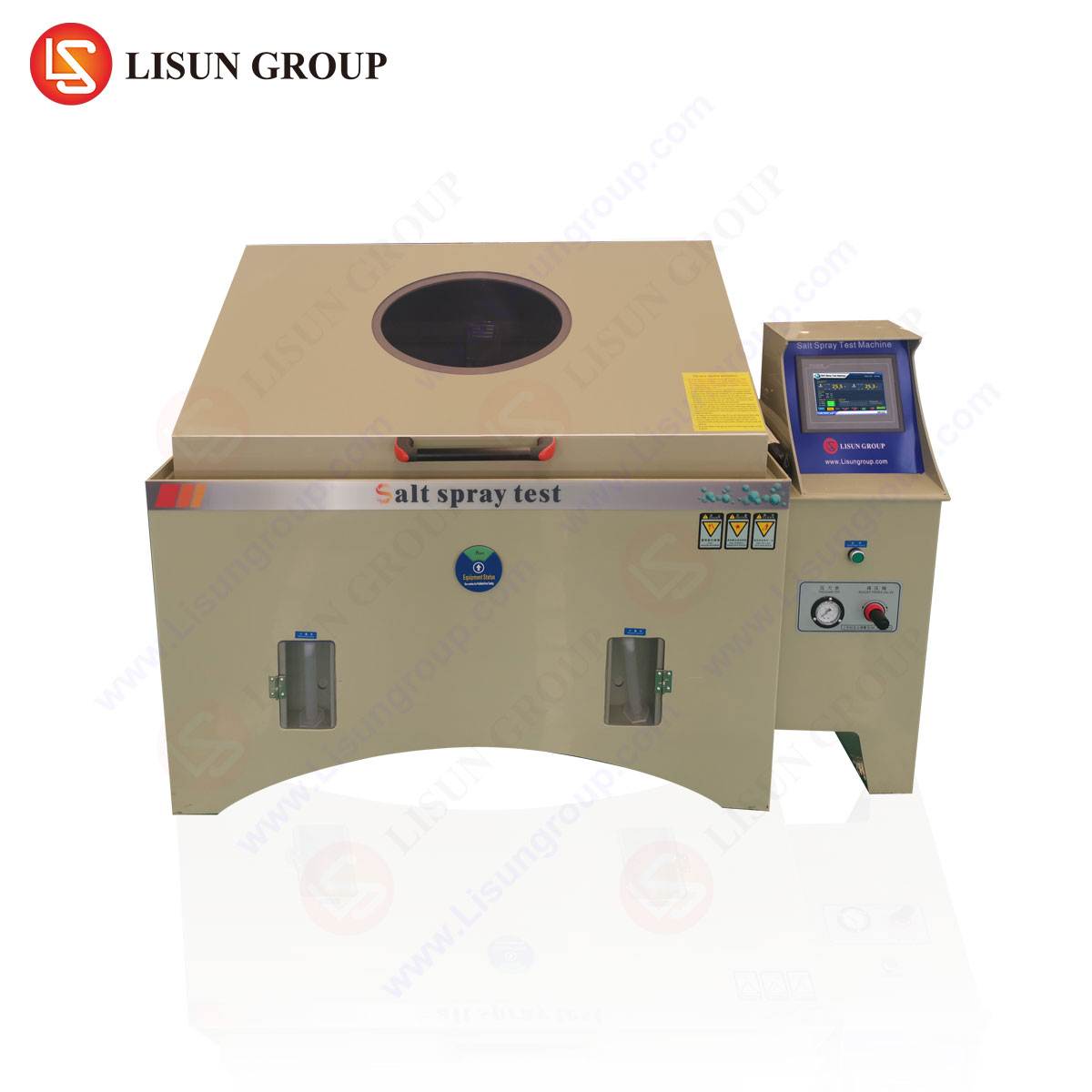
Portable water ingress testing does not exist in isolation. Its data is most powerful when correlated with other environmental stress tests. For instance, a housing that passes an IPX9K test should subsequently undergo, or be correlated with, thermal cycling tests to assess if seal integrity degrades with temperature fluctuations. Similarly, results from dust ingress testing (IP5X, IP6X) complement water test data to provide a complete picture of an enclosure’s environmental sealing performance. The portability of the tester allows it to be used in tandem with other on-site validation tools, such as portable salt spray chambers or temperature/humidity cabinets, creating a mobile validation suite for comprehensive reliability assessment.
Considerations for Implementation and Operational Best Practices
Successful deployment of portable high-pressure water test equipment requires careful planning. Facility requirements include access to a standard electrical outlet (with sufficient amperage), a drain for wastewater, and an operational area clear of other sensitive equipment. Operator training is paramount, focusing on safety procedures due to the extreme pressures and temperatures involved, as well as strict adherence to the standard’s geometric requirements (distance, angles). Regular calibration of pressure transducers, flow meters, and temperature sensors is essential to maintain traceability and data integrity. Furthermore, establishing a standardized test protocol—documenting pre-test conditioning, fixture methods, post-test inspection criteria, and drying procedures—ensures consistency and repeatability across different operators and locations.
Conclusion
The evolution of portable water testing equipment, exemplified by systems like the LISUN JL-9K1L, represents a significant technological advancement in quality assurance and reliability engineering. By bringing laboratory-grade IPX9K testing capabilities directly to manufacturing floors, supplier sites, and field installation points, these systems address critical industry pain points related to cost, time, and logistical complexity. The technical capability to accurately simulate high-pressure, high-temperature water ingress in a field-deployable package empowers engineers across the electrical, electronic, automotive, and industrial sectors to build more reliable products, ensure supply chain quality, and accelerate innovation with greater confidence. As global standards for environmental resilience continue to tighten, the role of precise, portable validation tools will only become more central to robust product development and lifecycle management.
FAQ Section
Q1: Can the JL-9K1L test other IP ratings besides IPX9K?
A1: The JL-9K1L is specifically designed to meet the parameters for IPX9K testing. For lower-pressure ratings like IPX5 and IPX6, different nozzles and pressure regimes are required, as per IEC 60529. Some portable test suites offer modular components or separate dedicated devices for these ratings. It is crucial to select equipment configured for the specific IP code you need to validate.
Q2: How is water quality managed in a portable system, and does it affect test validity?
A2: Water quality is a consideration. The use of deionized or demineralized water is often recommended to prevent nozzle clogging from mineral deposits and to avoid leaving residues on the test specimen. The integrated tank system allows for the use of prepared water. The test standard (IEC 60529) typically does not specify water purity for IPX9K, but maintaining clean water protects the equipment and ensures consistent flow characteristics.
Q3: What safety features are critical for operating a high-pressure, high-temperature portable tester?
A3: Essential safety features include: protective shrouds or shields around the nozzle and high-pressure connections, thermal insulation on heated lines, emergency stop buttons, pressure relief valves, and clear safety interlocks that prevent the pump or heater from operating if a guard is open. Comprehensive operator training on the hazards of high-pressure fluid injection and high-temperature surfaces is non-negotiable.
Q4: For a large enclosure, how is testing managed with a portable unit?
A4: The test standard requires that all relevant surfaces of the enclosure be subjected to the spray. For large enclosures that cannot be rotated on a table, the portable nozzle arm is used to methodically spray all external surfaces. The enclosure is typically placed in its installed orientation, and the operator moves the nozzle to cover the entire surface area, maintaining the correct distance and angles for the stipulated time per section. A test plan should define the spray pattern to ensure complete coverage.
Q5: How does on-site testing data relate to formal certification from an accredited lab?
A5: Data from a portable tester like the JL-9K1L is considered excellent for design verification, quality control, and pre-compliance screening. It provides high-confidence data that a product will pass formal certification. However, final certification for regulatory or contractual purposes usually requires testing by an accredited laboratory that can issue a formal report with its mark of accreditation. The portable unit ensures the product is “certification-ready,” minimizing the cost and risk of formal testing.