

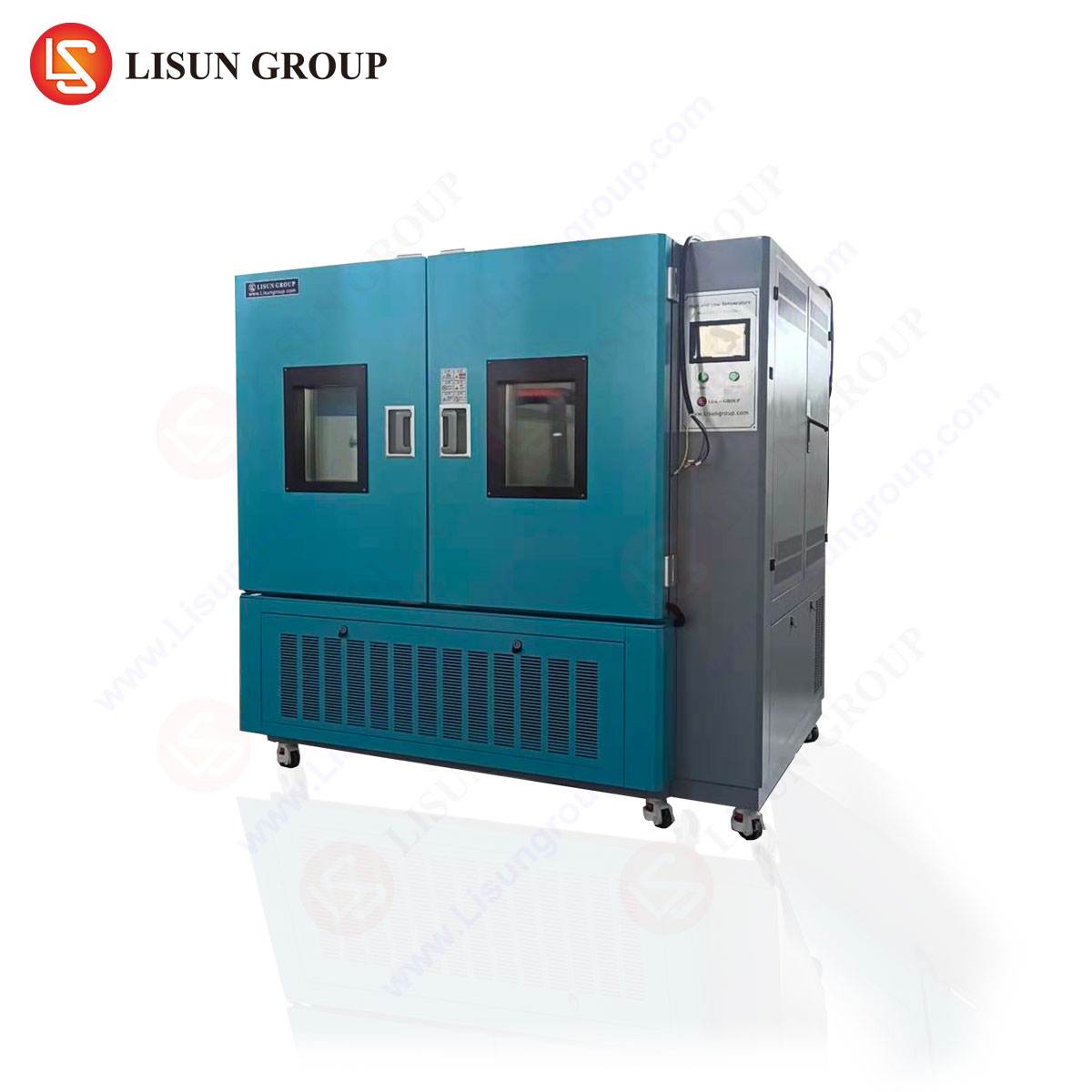



Corrosion Simulation and Accelerated Environmental Testing: A Technical Analysis of Salt Fog Chamber Applications
Introduction to Accelerated Corrosion Testing Methodologies
The relentless degradation of materials due to atmospheric corrosion represents a persistent and costly challenge across virtually every manufacturing sector. This electrochemical process, accelerated by the presence of chloride ions prevalent in coastal and de-icing environments, compromises structural integrity, electrical conductivity, and aesthetic appeal. To preemptively evaluate material performance and protective coating efficacy, industry relies on standardized, repeatable laboratory simulations. The salt fog (spray) test, governed by standards such as ASTM B117, ISO 9227, and JIS Z 2371, stands as the preeminent accelerated corrosion test method. By creating a controlled, corrosive atmosphere of atomized sodium chloride solution, these tests condense years of environmental exposure into days or weeks of laboratory analysis. This technical examination details the applications of salt fog chambers, with particular emphasis on the operational principles and deployment of the LISUN YWX/Q-010X model, a cyclic corrosion test chamber that extends beyond traditional steady-state testing.
Fundamental Operational Principles of Neutral Salt Spray (NSS) Testing
At its core, the salt fog test is an accelerated atmospheric corrosion simulation. The chamber generates a dense, settling fog by atomizing a prepared sodium chloride (NaCl) solution, typically at a concentration of 5% ± 1% by mass, using compressed, conditioned air. The pH of the collected solution is maintained within a neutral range (6.5 to 7.2) for standard Neutral Salt Spray (NSS) tests. Test specimens, prepared in accordance with relevant material specifications, are positioned within the chamber’s exposure zone at an angle between 15° and 25° from vertical to ensure uniform condensation and droplet runoff, mimicking natural deposition patterns.
The corrosive mechanism is primarily electrochemical. The salt solution film on the specimen’s surface acts as an electrolyte, facilitating anodic (metal dissolution) and cathodic (oxygen reduction) reactions. The presence of chloride ions is particularly aggressive, as they penetrate passive oxide layers and protective coatings, promoting pitting and underfilm corrosion. The constant replenishment of the electrolyte via the settling fog ensures the reactions proceed without interruption, thereby accelerating the degradation process. The YWX/Q-010X chamber precisely controls critical parameters: test temperature (typically maintained at 35°C ± 2°C), saturation tower temperature (to humidify and warm the compressed air), solution pH, fog collection rate (1.0 to 2.0 ml/80cm²/h), and chamber purity to prevent contamination that could skew results.
Expanded Testing Regimes: Cyclic Corrosion Testing (CCT)
While traditional constant-state salt spray provides valuable data, it has been recognized as an incomplete simulation of real-world environments, which involve wet/dry cycles, humidity fluctuations, and sometimes UV exposure. Cyclic Corrosion Testing (CCT) methodologies, such as those outlined in standards like SAE J2334 or GM 9540P, offer enhanced correlation to field performance. The LISUN YWX/Q-010X is engineered for such protocols, capable of automated programming of multi-stage cycles. A typical CCT cycle may include a salt spray phase, a humidity soak phase at high relative humidity (e.g., 95% RH at 49°C), a dry-off phase with controlled low humidity, and an ambient dwell phase. This cycling more accurately replicates the conditions that lead to corrosion creep, coating delamination, and galvanic effects, providing a more severe and representative assessment for industries like automotive electronics and aerospace components.
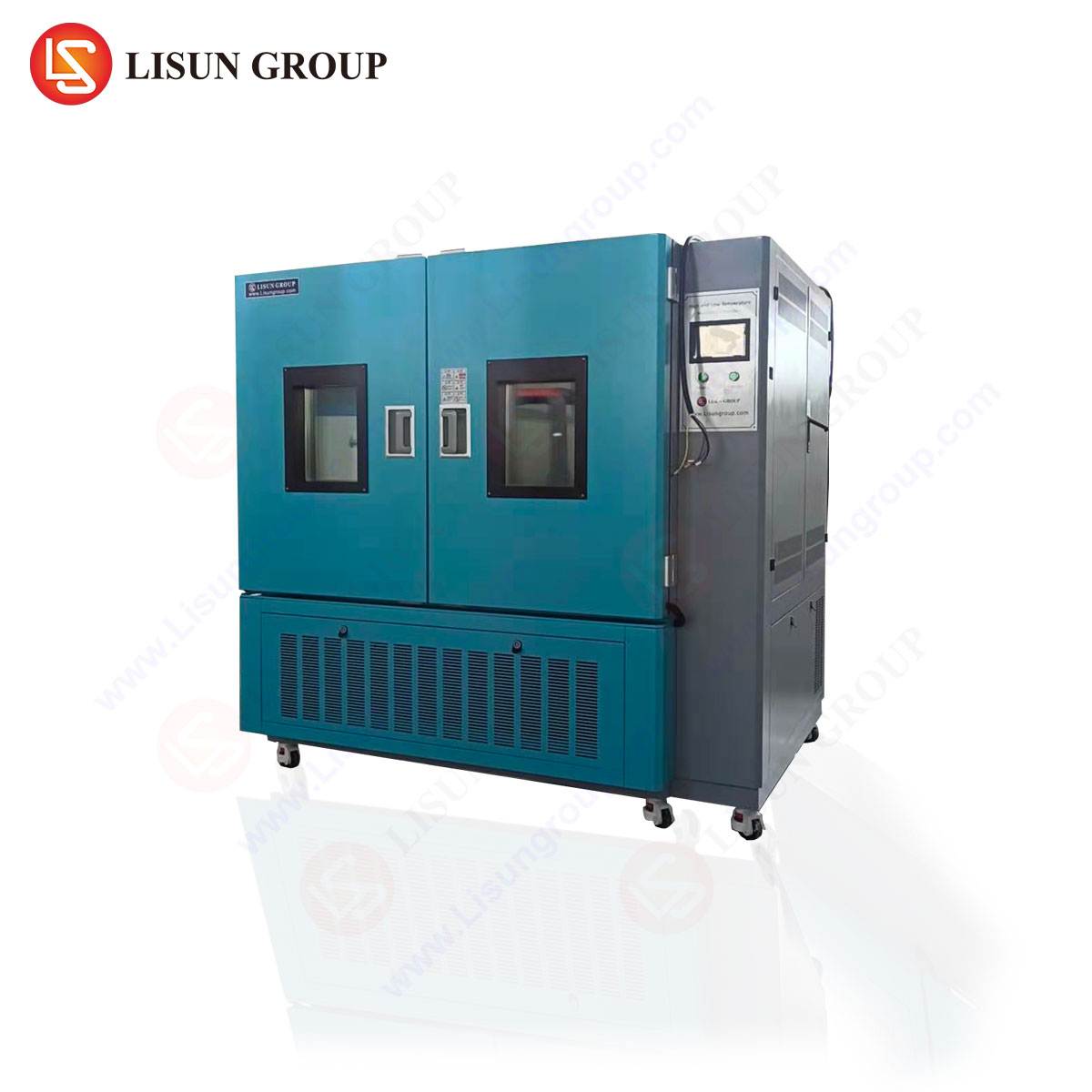
Specifications and Design of the LISUN YWX/Q-010X Cyclic Corrosion Test Chamber
The YWX/Q-010X model represents a sophisticated iteration of salt fog testing equipment, designed for precision and durability. Its construction utilizes advanced polymer materials for the chamber lining, ensuring exceptional resistance to the corrosive environment and thermal stability. Key technical specifications include:
| Parameter | Specification |
|---|---|
| Chamber Volume | Customizable, with standard models (e.g., 600L) suitable for diverse sample loads. |
| Temperature Range | Ambient +5°C to +55°C, with uniformity of ±2°C. |
| Humidity Range | 30% to 98% RH (for cyclic testing modes). |
| Test Solution | 5% NaCl, Acidified Salt Solution (ASS), or Copper-Accelerated Acetic Acid Salt Spray (CASS). |
| Fog Collection Rate | Adjustable to comply with 1.0-2.0 ml/80cm²/h per ASTM B117. |
| Control System | Programmable Logic Controller (PLC) with touch-screen HMI for complex cyclic profile creation and data logging. |
| Standards Compliance | ASTM B117, ISO 9227, JIS Z 2371, and other cyclic standards (e.g., ASTM D5894). |
A critical design feature is the air saturation system. Compressed air is cleaned, pressurized, and bubbled through a heated water saturator tower before atomization. This process ensures the air is both warm and saturated with water vapor, preventing evaporation of the salt droplets during atomization and ensuring a consistent, settling fog. The chamber’s pneumatic lid seal and recessed, heated viewing window prevent fog leakage and condensation, respectively, maintaining test integrity.
Applications in Electrical and Electronic Equipment Validation
For electrical and electronic systems, corrosion poses a direct threat to functional reliability, leading to increased contact resistance, short circuits, and eventual failure. Salt fog testing is integral to validating components such as printed circuit board (PCB) finishes, connector systems, and enclosures. A common test involves subjecting PCBs with Immersion Silver (ImAg) or Electrolytic Nickel/Gold finishes to a 96-hour NSS test, followed by visual inspection for creep corrosion and electrical testing for continuity. The YWX/Q-010X’s precise control is vital here, as excessive variability in fog density or temperature can lead to non-representative dendritic growth or false pass/fail results. Telecommunications equipment, designed for outdoor or coastal deployment, undergoes rigorous CCT to ensure that RF connectors, base station housings, and cable entry seals can withstand decades of chloride exposure.
Assessing Automotive Electronics and Component Durability
The automotive environment is uniquely harsh, combining road salt, temperature extremes, and humidity. Automotive electronics, from engine control units (ECUs) to Advanced Driver-Assistance Systems (ADAS) sensors, must meet stringent OEM specifications. Tests like SAE J2334 are frequently mandated, involving repetitive cycles of salt spray, high humidity, and dry-off. The YWX/Q-010X automates these cycles to evaluate corrosion protection on wire harness terminals, solder joint integrity under conformal coating, and the performance of protective varnishes on motor windings for electric vehicle components. The chamber’s ability to reliably transition between phases ensures that the electrochemical processes during wet phases and the salt concentration during dry phases are accurately simulated, testing the limits of sealing technologies and material compatibility.
Verification of Protective Coatings in Industrial and Lighting Systems
Industrial control systems, lighting fixtures (particularly outdoor LED luminaires), and household appliances rely on coatings for both aesthetics and protection. Powder coatings, anodized layers, and paint systems are evaluated for their resistance to undercutting and blistering. A standard qualification test might involve scribing a coated panel to expose the substrate, subjecting it to 500-1000 hours of salt fog, and then measuring the extent of corrosion creep from the scribe line. The consistency of the fog deposition in the YWX/Q-010X is critical for obtaining comparable results across different batches of material. For aluminum heat sinks in lighting fixtures or the galvanized steel chassis of industrial programmable logic controllers, this testing validates that the chosen finish will prevent corrosive failure in challenging installations, such as food processing plants or maritime settings.
Critical Role in Aerospace, Medical, and High-Reliability Sectors
In aerospace and aviation, the stakes for material failure are exceptionally high. Components undergo salt fog testing per standards like MIL-STD-810, Method 509, often as a precursor to more complex stress-corrosion cracking tests. The testing validates everything from avionics chassis coatings to the corrosion-resistant alloys used in fasteners. The purity of the salt solution and the absence of chamber contamination are non-negotiable parameters, as impurities can catalyze atypical corrosion modes. Similarly, for medical devices, particularly those used in surgical environments or for implantable electronics housings, material compatibility and long-term stability are paramount. While biocompatibility is a separate test stream, assessing the corrosion resistance of external casings and internal shielded components to saline environments (simulating bodily fluids or sterilization processes) is a key application. The YWX/Q-010X’s use of high-grade, chemically resistant materials in its construction minimizes the risk of introducing test artifacts.
Advantages of Programmable Cyclic Chambers in Modern Compliance Testing
The transition from simple NSS chambers to programmable cyclic models like the YWX/Q-010X offers several distinct advantages. First, it provides improved correlation to real-world service life, yielding data that is more predictive of actual field performance. Second, it enables accelerated testing of a wider failure mode spectrum, including coating adhesion loss from thermal expansion/contraction during dry/wet transitions and galvanic corrosion in multi-material assemblies. Third, the automation and data-logging capabilities reduce operator error, enhance test repeatability and reproducibility, and provide an auditable trail for quality assurance and certification processes (e.g., ISO 17025). This is particularly valuable for manufacturers of cable systems, office equipment destined for global markets, and consumer electronics where brand reputation hinges on perceived durability.
Interpretation of Results and Correlation to Service Life
A critical aspect of salt fog testing is the disciplined interpretation of results. The test is primarily comparative, not absolute. It is most effectively used to rank materials, processes, or suppliers against a known control. Quantitative assessment methods include measuring the time to first red rust, the percentage of surface area corroded via image analysis, or changes in electrical properties. Correlation to actual service life remains an empirical science, often relying on acceleration factors derived from historical data comparing test hours to field performance in specific environments. For instance, 720 hours in an NSS test might correlate to 10 years of service in a mild inland industrial atmosphere, but only 3-5 years in a severe marine splash zone. The enhanced realism of CCT performed in a chamber like the YWX/Q-010X generally improves the accuracy of these extrapolations, though they should always be applied with engineering judgment.
Conclusion
Salt fog chamber testing remains an indispensable tool in the material scientist’s and quality engineer’s arsenal. Its evolution from simple constant-spray apparatus to sophisticated, programmable cyclic chambers reflects the industry’s demand for more accurate and predictive accelerated testing. Equipment such as the LISUN YWX/Q-010X, with its precise environmental control, compliance with international standards, and capability to execute complex cyclic profiles, meets the rigorous demands of modern manufacturing across electronics, automotive, aerospace, and beyond. By enabling early identification of material and design vulnerabilities, these chambers play a fundamental role in driving product reliability, ensuring regulatory compliance, and ultimately reducing life-cycle costs for end-users.
Frequently Asked Questions (FAQ)
Q1: What is the key difference between the standard YWX/Q-010 and the YWX/Q-010X model?
The primary distinction lies in testing capability. The standard YWX/Q-010 is designed for traditional, constant-state Neutral Salt Spray (NSS), Acid Salt Spray (ASS), and CASS tests. The YWX/Q-010X is a cyclic corrosion test chamber, which adds programmable control over relative humidity and temperature to execute complex multi-phase test profiles that include salt spray, humidity soak, dry-off, and ambient stages, providing a more realistic simulation of natural environments.
Q2: How often should the salt solution and chamber nozzles be maintained?
The test solution reservoir should be replenished with fresh, pH-adjusted 5% NaCl solution for each test to prevent contamination. Nozzles, which are critical for generating a consistent fog, should be inspected and cleaned regularly—typically every 100-200 hours of operation—to prevent clogging from salt crystallization. The specific maintenance interval depends on solution purity and usage frequency, and is detailed in the equipment manual.
Q3: Can the chamber test materials besides metals, such as plastics or coated composites?
Yes, extensively. While the test is designed to evaluate metallic corrosion, it is equally critical for assessing the protective quality of coatings, paints, platings, and sealants applied to any substrate. It is also used to test the inherent corrosion resistance of plastics, composites, and the effects of corrosion on underlying materials after intentional coating damage (scribe tests). The test conditions must be selected to be relevant to the material’s end-use environment.
Q4: Our product standard requires testing per ASTM B117. Is the YWX/Q-010X compliant?
Absolutely. The YWX/Q-010X fully complies with the requirements of ASTM B117 for creating the standardized salt spray environment. Its advanced control system allows it to not only meet but exceed this standard by maintaining tighter tolerances on temperature, fog collection rate, and pH stability. It can run a pure ASTM B117 test as one phase within a larger, user-defined cyclic program.
Q5: What is the purpose of the air saturator tower in the chamber design?
The air saturator tower heats and humidifies the compressed air before it atomizes the salt solution. This process is essential for two reasons: it ensures the atomized droplets are warm, preventing a cooling effect in the chamber that would alter the test temperature, and it saturates the air with moisture to prevent evaporation of the salt droplets between the nozzle and the specimen. This results in a consistent, settling fog with the correct droplet size and concentration, as mandated by testing standards.