

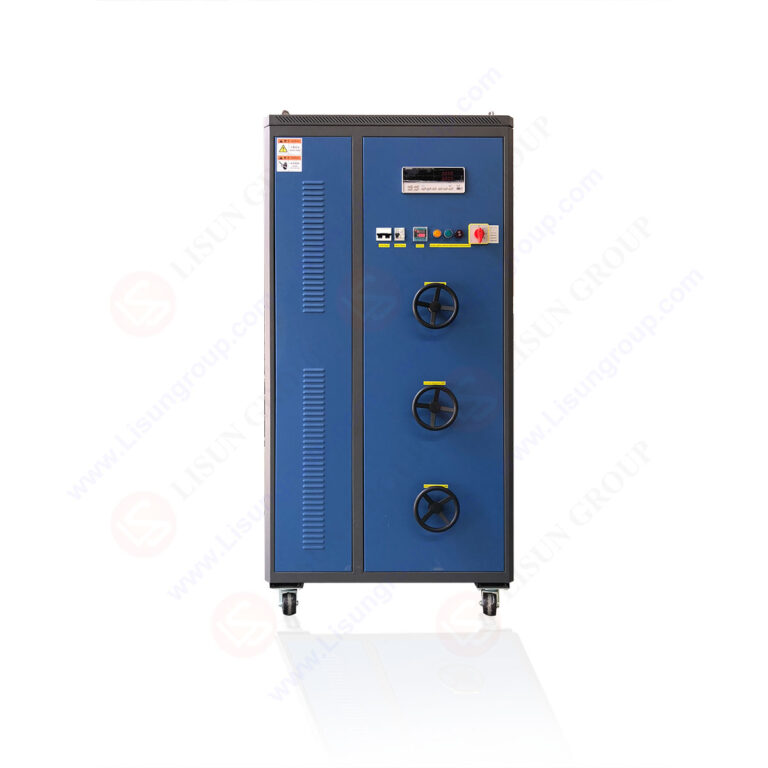



Evaluating Material Flammability: The UL 94 Horizontal Burning Test Protocol
Within the rigorous landscape of product safety engineering, the propensity of a material to support and propagate combustion under defined conditions constitutes a critical design parameter. Regulatory frameworks and international standards mandate specific flammability assessments to mitigate fire risks across diverse applications. Among these, the UL 94 Horizontal Burning Test, formally designated as UL 94 HB, serves as a foundational benchmark for evaluating the comparative burning behavior of polymeric materials. This test method provides a standardized, repeatable procedure to classify materials based on their burning rate when subjected to a small-scale flame ignition source in a horizontal orientation. The resultant HB classification is a prerequisite for many components used in low-stress, non-enclosure applications where superior flame retardancy (e.g., V-0, V-1, V-2) is not strictly required, yet a predictable and limited burn rate is essential for overall system safety.
The principle underpinning the HB test is one of controlled, observational science. A standardized bar specimen is clamped horizontally within a controlled-ventilation chamber. A defined methane flame of specific dimensions (20 mm nominal height) is applied to the free end of the specimen for a period of 30 seconds or until the flame front reaches a pre-marked reference point. Upon removal of the ignition source, the time for the flame to self-extinguish and the distance it traveled are meticulously recorded. The primary metric derived is the linear burning rate, calculated in millimeters per minute. To achieve an HB classification, a material must demonstrate either self-extinguishment before the 100 mm reference mark or exhibit a burning rate that does not exceed 40 mm per minute for thicknesses of 3 to 13 mm, or 75 mm per minute for thicknesses below 3 mm. This quantitative measure allows for direct comparison between material formulations and provides engineers with essential data for material selection in non-critical fire-risk scenarios.
Apparatus and Environmental Prerequisites for Compliant Testing
Conformance to the UL 94 HB standard is contingent upon strict adherence to prescribed apparatus specifications and ambient conditions. Deviations in equipment calibration or test environment can introduce significant variability, rendering results non-compliant and non-comparable. The test chamber must be constructed to minimize air drafts while providing sufficient ventilation to prevent oxygen depletion. A laboratory fume hood or dedicated enclosure meeting specified dimensions is typically employed. Crucially, the burner must deliver a chemically pure methane flame with a precise blue cone height, calibrated using a thermocouple-based verification gauge to ensure a consistent 1000°C ± 50°C temperature at a defined reference point.
Environmental preconditioning of specimens is equally mandated. Materials are required to be conditioned at 23°C ± 2°C and 50% ± 5% relative humidity for a minimum of 48 hours prior to testing. Furthermore, specimens must also be aged in a forced-air circulating oven at 70°C for 168 hours, followed by cooling in a desiccator, to assess the effects of thermal aging on flammability properties. This dual-conditioning protocol ensures the evaluation reflects both the material’s initial state and its performance after prolonged exposure to elevated temperatures, simulating long-term operational stress. The specimen geometry is precisely defined: 125 mm in length, 13.0 mm in width, with thickness as supplied or molded to specific values (e.g., 1.5 mm, 3.0 mm). A 25 mm and a 100 mm mark are inscribed from the end to be ignited to facilitate measurement.
Operational Procedure and Critical Data Acquisition
The execution of the test follows a meticulous sequence. The conditioned specimen is mounted horizontally, clamped 25 mm from the end to be ignited. The calibrated burner is positioned at a 45-degree angle beneath the specimen’s free end, ensuring the tip of the blue cone contacts the specimen corner. The flame is applied for 30 seconds. If the specimen does not ignite or ceases to burn before the 100 mm mark, the time and burned length are recorded. If it continues to burn past the mark, the flame is extinguished at the 125 mm mark, and the time to travel between the 25 mm and 100 mm marks is captured with a precision stopwatch.
The burning rate (V) is calculated using the formula: V = 60 * (L / t), where L is the burned length (in mm) between the two reference marks, and t is the corresponding burn time (in seconds). This calculation yields the rate in mm/min. The test is typically performed on five bar specimens. The classification is determined by the worst-performing specimen from the set. For instance, if any single specimen exhibits a burning rate exceeding the limit for its thickness, the material fails to achieve the HB rating. This statistical approach ensures a conservative safety assessment, accounting for potential material inhomogeneity.
Industry Applications and Material Selection Implications
The UL 94 HB rating finds application in a vast array of industries where materials are not intended as primary fire barriers but must exhibit a known, slow burn characteristic to prevent a small ignition event from escalating. In Electrical and Electronic Equipment, HB-rated plastics are commonly used for internal structural components, cable ties, connector housings, and low-current switches and sockets. For Household Appliances, external casings for devices like power adapters, internal motor housings, or control panel bezels may utilize HB materials. Automotive Electronics leverage HB-rated polymers for non-critical interior trim components, wire harness clips, and sensor housings located outside the engine compartment.
Within Lighting Fixtures, diffusers, reflectors, and non-ballast housing parts may specify HB materials. Industrial Control Systems employ them for enclosure accessories, terminal block bodies, and labeling strips. Telecommunications Equipment uses HB-rated materials for handset casings, router external shells, and internal mounting brackets. For Office Equipment and Consumer Electronics, such as printers, computer peripherals, and television rear covers, HB materials provide a cost-effective balance of safety and performance. In Cable and Wiring Systems, the insulation and jacketing of low-voltage internal wiring may be rated HB. Even in Medical Devices and Aerospace and Aviation Components, certain non-critical, non-enclosure internal parts subject to regulatory oversight may be specified as HB to meet overarching system-level safety protocols without the added cost and processing complexity of higher flame-retardant grades.
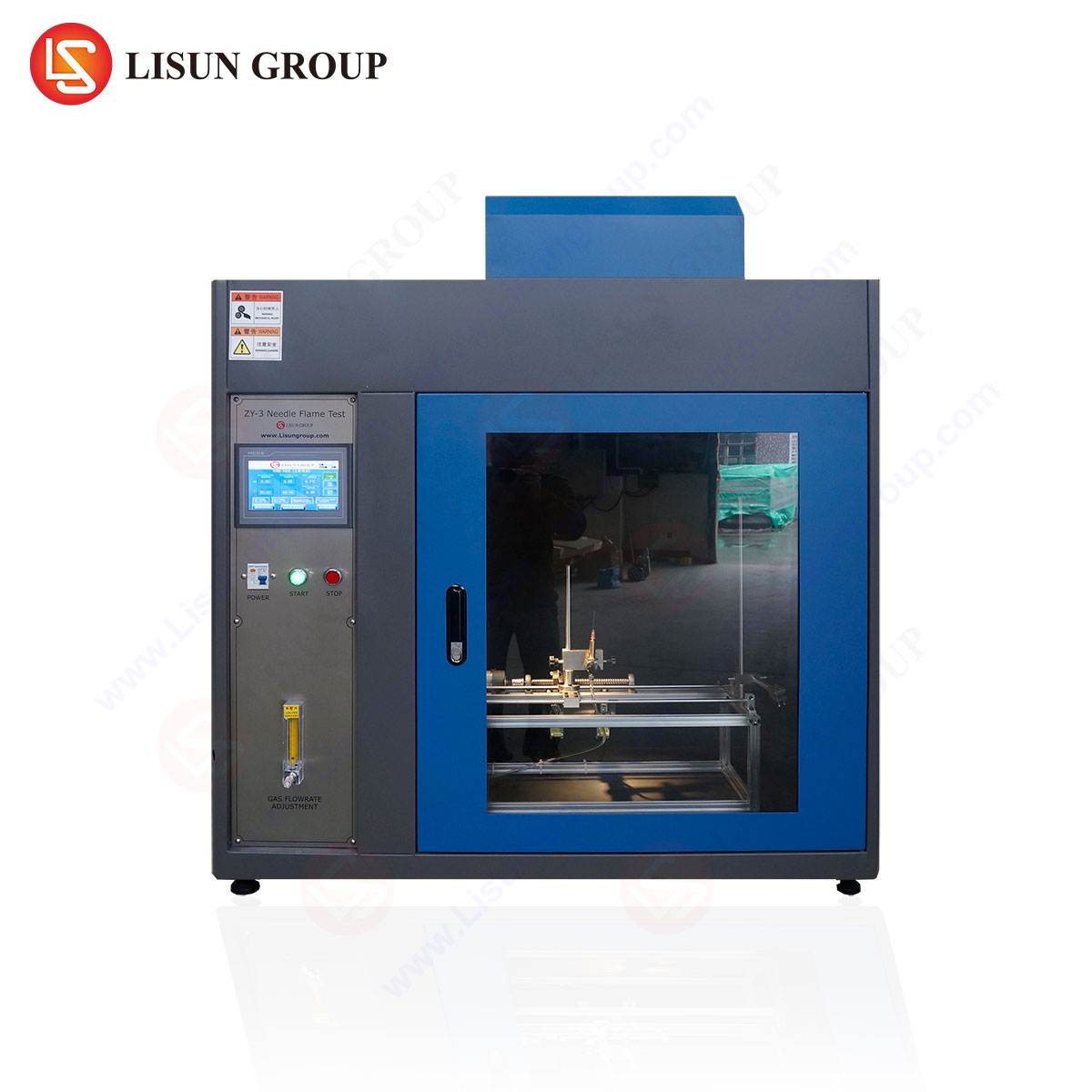
The LISUN ZY-3 Needle Flame Test Apparatus: Precision in Ignition Source Simulation
While the UL 94 HB test employs a methane diffusion flame, related and often complementary standards, such as IEC 60695-11-5, utilize a needle flame to simulate the effect of small, localized ignition sources like overheated or faulty electrical components. The LISUN ZY-3 Needle Flame Test Apparatus is engineered to meet the exacting requirements of these standards, providing a reliable and precise tool for evaluating the fire hazard presented by such small flames.
The ZY-3 apparatus generates a needle flame via a specified burner fed by butane gas, producing a flame with a nominal thermal power of approximately 45W. This simulates a small, intense ignition source that may contact equipment due to malfunction. The device is integral for testing the flammability of solid electrical insulating materials or other non-metallic materials, as well as the flame-retarding properties of finished products or sub-assemblies under fault conditions.
Key Specifications and Testing Principles of the LISUN ZY-3:
- Flame Source: Butane-fed needle burner, conforming to dimensional and thermal output specifications of relevant standards.
- Flame Application Time: Programmable timer with a range typically from 0 to 999.9 seconds, allowing for precise application durations as mandated by test protocols.
- Positioning Control: Micrometer-adjustable burner mount enables accurate and repeatable positioning of the flame relative to the test specimen, critical for reproducibility.
- Safety Features: Integrated flame-out detection and automatic gas shut-off valve enhance operational safety.
- Calibration: Includes tools for verifying flame height and temperature, ensuring consistent thermal input across tests.
The testing principle involves applying the calibrated needle flame to the test specimen or a product assembly for a predetermined period (e.g., 30 seconds). Observations are made regarding the duration of flaming and glowing combustion after flame removal, the extent of material consumed, and whether dripping particles ignite a surgical cotton indicator placed below. This provides a pass/fail assessment or a classification based on the material’s or assembly’s response.
Competitive Advantages of the LISUN ZY-3 in Compliance Testing
The LISUN ZY-3 apparatus offers distinct advantages for laboratories conducting flammability assessments. Its construction emphasizes durability and precision, with stainless steel and anodized aluminum components ensuring longevity in a testing environment. The programmable digital timer and fine-adjustment positioning mechanisms minimize operator-induced variability, a critical factor in achieving repeatable and auditable test results. Furthermore, its compliance with major international standards (IEC, GB, UL) makes it a versatile investment for manufacturers serving global markets, allowing them to validate product safety against multiple regulatory frameworks with a single, reliable instrument. For quality assurance departments within sectors like Consumer Electronics, Household Appliances, and Electrical Components, the ZY-3 provides a crucial in-house capability to screen materials and prototypes, accelerating development cycles and reducing reliance on external testing facilities.
Interpreting Results and Integrating Data into the Design Workflow
Data derived from the UL 94 HB test and complementary tests like the needle flame evaluation are not merely for compliance filing. They constitute actionable engineering intelligence. A material’s burning rate informs decisions on wall thickness, proximity to potential heat sources, and the necessity for additional physical barriers within an assembly. For example, an engineer designing an industrial control system enclosure might select an HB-rated polymer for the main chassis but specify a V-0 rated barrier for a compartment housing power terminals. In automotive electronics, knowing the precise burn rate of a connector housing material aids in performing system-level fire risk simulations, ensuring that a fault in one component does not lead to catastrophic failure.
The integration of this data is increasingly managed through material databases and product lifecycle management (PLM) software, where flammability ratings are linked to specific part numbers and formulations. This creates a traceable safety pedigree for the final product, which is indispensable during regulatory audits and certification processes by bodies such as UL, TÜV, or the CSA Group.
Frequently Asked Questions (FAQ)
Q1: Can a material that passes the UL 94 HB test be considered “fireproof”?
A1: Absolutely not. The HB rating indicates a slow burning rate under very specific laboratory conditions with a small ignition source. It does not imply resistance to larger or more intense fires. Materials rated HB can and will burn and are intended for applications where the fire risk is minimal and controlled.
Q2: How does the needle flame test performed by the LISUN ZY-3 differ from the UL 94 HB test?
A2: The tests simulate different ignition scenarios. The UL 94 HB uses a larger (20mm) methane flame applied to the edge of a horizontal bar to measure linear burn rate. The needle flame test uses a smaller, more intense butane flame (simulating an electrical fault) that can be applied to various points on a specimen or assembly to assess ignition susceptibility and flame spread from a localized hotspot. They are complementary evaluations.
Q3: Is specimen preconditioning really necessary for accurate UL 94 HB results?
A3: Yes, it is critical. Polymer properties, including flammability, can be significantly affected by moisture content and thermal history. The standard 48-hour humidity conditioning and 168-hour oven aging ensure results are consistent, reproducible, and account for potential performance degradation over the product’s service life.
Q4: Our product is sealed and contains no user-serviceable parts. Why would we need HB-rated internal materials?
A4: Internal faults, such as a short circuit, component failure, or overheating, can generate sufficient thermal energy to ignite adjacent materials. Using HB-rated materials internally slows the progression of any such internally-initiated fire, potentially allowing protective devices (like fuses) to operate or containing the event long enough to prevent breach of the enclosure, which could expose external materials or users to hazard.
Q5: What are the key calibration and maintenance requirements for the LISUN ZY-3 to ensure ongoing accuracy?
A5: Regular verification of the flame height using the supplied gauge and periodic checking of the gas flow rate are essential. The positioning mechanism should be checked for smooth operation and zero-point accuracy. Following the manufacturer’s recommended service schedule for cleaning the burner jet and inspecting gas lines is crucial to maintain consistent flame characteristics and ensure test validity.