




Understanding C4C and C4D Classifications: A Technical Framework for Plugs and Sockets Compliance
Introduction to Environmental Durability Classifications
Within the global regulatory and standards landscape for electrical accessories, the classification of a product’s resistance to environmental factors is a critical determinant of its permissible applications, longevity, and safety. Two classifications of particular significance in this domain are C4C and C4D, as defined within the framework of the International Electrotechnical Commission (IEC) standards, specifically IEC 60529 and its supplementary interpretations for industrial atmospheres. These classifications provide a codified, quantitative assessment of a product’s durability against corrosive elements, directly influencing specification decisions for plugs, sockets, connectors, and associated components. A precise understanding of these classifications is not merely academic; it is foundational to ensuring product reliability, preventing premature failure, and mitigating safety risks in demanding operational environments. This article delineates the technical parameters of C4C and C4D, explores their implications for product design and testing, and examines the instrumentation required for their empirical verification.
Deconstructing the C4 and Cx Classification Hierarchy
The “C” classification system originates from standards addressing corrosion protection, often referenced alongside the Ingress Protection (IP) code but serving a distinct purpose. While the IP code (e.g., IP67) defines protection against solid particle and liquid ingress, the “C” classification quantifies resistance to corrosive atmospheres. The designations C1, C2, C3, C4, C5-I, and C5-M represent increasing levels of corrosivity in the operational environment, from low (C1) to very high industrial (C5-M). The designations C4C and C4D are sub-classifications within the C4 category, which denotes a “High” corrosivity environment.
C4 environments are characterized by significant pollution and frequent condensation. The subdivision into “C” and “D” provides granularity regarding the dominant corrosive agent:
- C4C: The “C” suffix indicates an environment where the primary corrosive stress is from Chloride sources. This is typical of coastal or marine applications, road environments where de-icing salts are used, or chemical processing plants handling chlorides.
- C4D: The “D” suffix indicates an environment where the primary corrosive stress is from Sulfur Dioxide and other acidic sulfates. This is prevalent in industrial areas with fossil fuel combustion, wastewater treatment facilities, pulp and paper mills, and urban areas with high traffic density.
The differentiation is crucial because the corrosion mechanisms differ. Chloride-induced corrosion (C4C) often leads to pitting and crevice corrosion, particularly aggressive towards stainless steels and other passive metals. Sulfur dioxide-induced corrosion (C4D) typically results in uniform surface corrosion and the formation of non-protective sulfate scales.
Quantitative Corrosivity Criteria and Testing Regimens
The assignment of a C4C or C4D classification is not arbitrary but is governed by strict quantitative thresholds derived from standardized environmental monitoring or accelerated laboratory testing. Key corrosivity parameters include:
- Time of Wetness (TOW): The annual number of hours with relative humidity >80% and temperature >0°C, typically exceeding 2,500 hours for C4.
- Chloride Deposition Rate (for C4C): Must fall within the range of 30-300 mg/m²/day of chloride ions (Cl⁻).
- Sulfur Dioxide Deposition Rate (for C4D): Must fall within the range of 30-300 mg/m²/day of sulfur dioxide (SO₂).
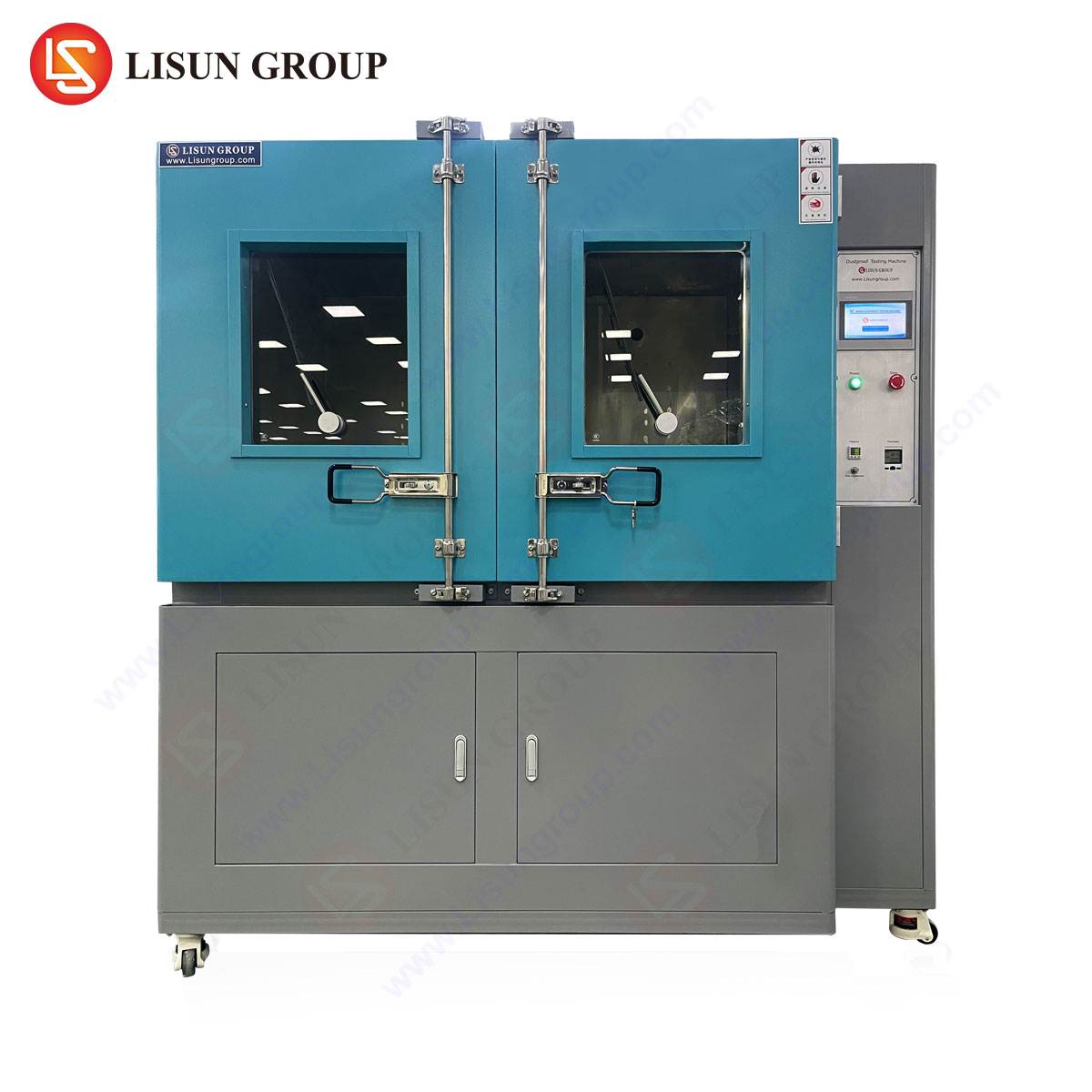
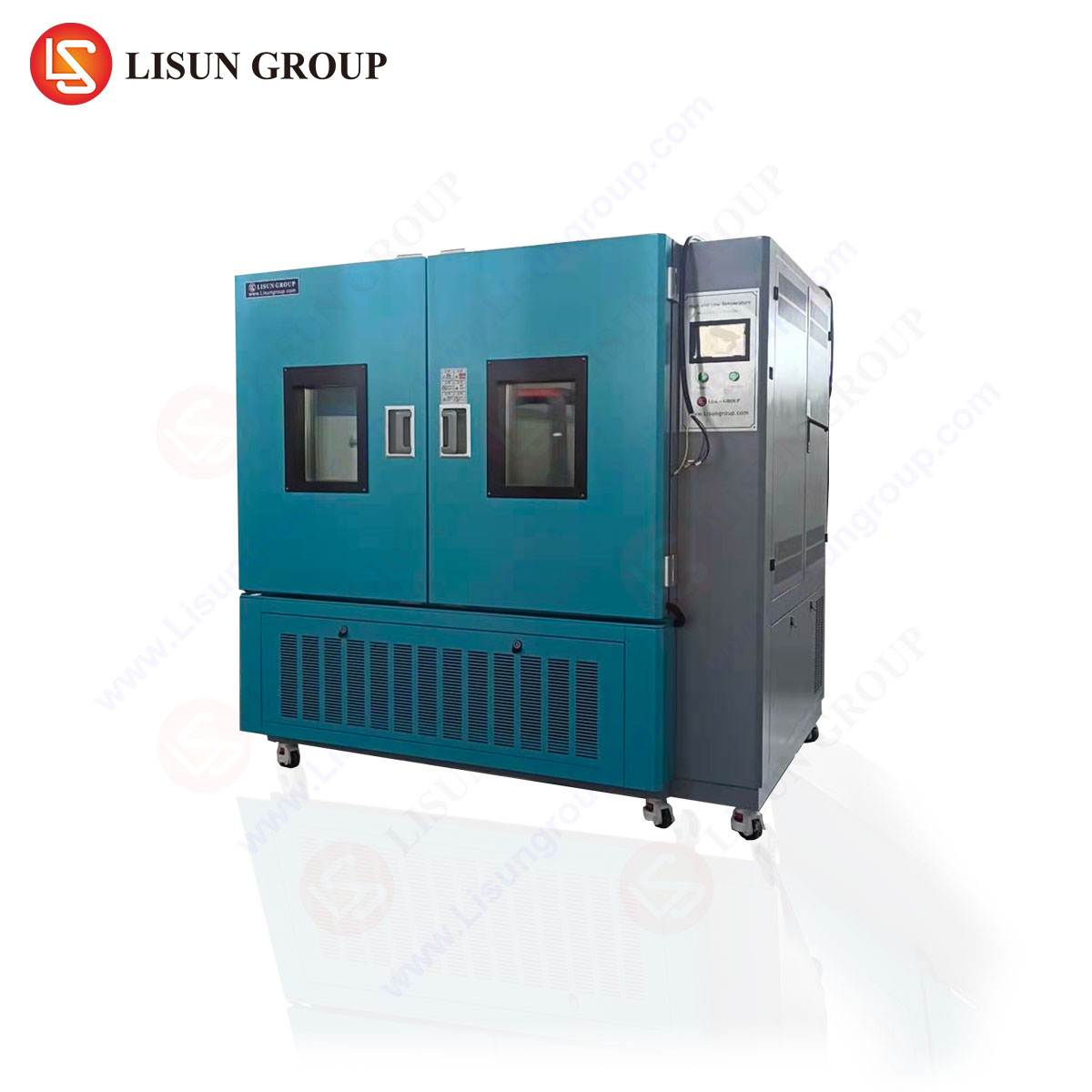
To certify that a product, such as an industrial plug or socket, meets C4C or C4D requirements, it must undergo accelerated corrosion testing that simulates years of exposure within a condensed timeframe. The most prevalent test is the salt spray test (for C4C), often following neutral salt spray (NSS) or cyclic corrosive tests per IEC 60068-2-52. For C4D, tests involving exposure to a humid atmosphere containing sulfur dioxide, per standards like IEC 60068-2-42, are employed. The product’s performance is then evaluated against failure criteria, which may include:
- Visual inspection for base metal corrosion.
- Assessment of functional integrity (e.g., insertion/withdrawal force of contacts must remain within specification).
- Electrical continuity and insulation resistance measurements post-testing.
Implications for Plugs, Sockets, and Connector Design
For manufacturers of plugs, sockets, and interconnection devices, achieving C4C or C4D compliance necessitates deliberate material selection, design engineering, and manufacturing process control. The electrical contact is a focal point of vulnerability.
Material Science Considerations:
- Contact Alloys: Standard brass or phosphor bronze contacts may require advanced plating systems. For C4C (chloride) environments, thick gold-over-nickel plating is often specified due to gold’s nobility and nickel’s role as a diffusion barrier. For C4D (sulfuric) environments, silver or silver-alloy platings may be considered, though their tendency to form non-conductive sulfide tarnish must be managed through design or additional protective layers.
- Housings and Insulation: Thermoplastic materials must exhibit high tracking resistance, UV stability, and resistance to hydrolysis. Polycarbonate blends, Polyamide (PA), and Polybutylene Terephthalate (PBT) are common, often with additive packages to enhance weatherability and resist degradation from acidic or saline deposition.
- Seals and Gaskets: Elastomeric seals must maintain elasticity and sealing force after prolonged exposure to corrosive atmospheres. Ethylene Propylene Diene Monomer (EPDM) and silicone are frequently selected for their stability.
Design for Durability:
- Sealed Interfaces: Multi-path sealing is critical to prevent the ingress of corrosive aerosols into the contact chamber. This includes primary pin/socket seals, cable gland seals, and interface seals between plug and socket housings.
- Corrosion Traps: Designs must eliminate pockets or crevices where moisture and contaminants can accumulate, creating localized corrosive cells.
- Galvanic Compatibility: The selection of adjacent metals must consider galvanic series to avoid accelerated bimetallic corrosion.
Instrumentation for Verification: The Role of Precision Test Equipment
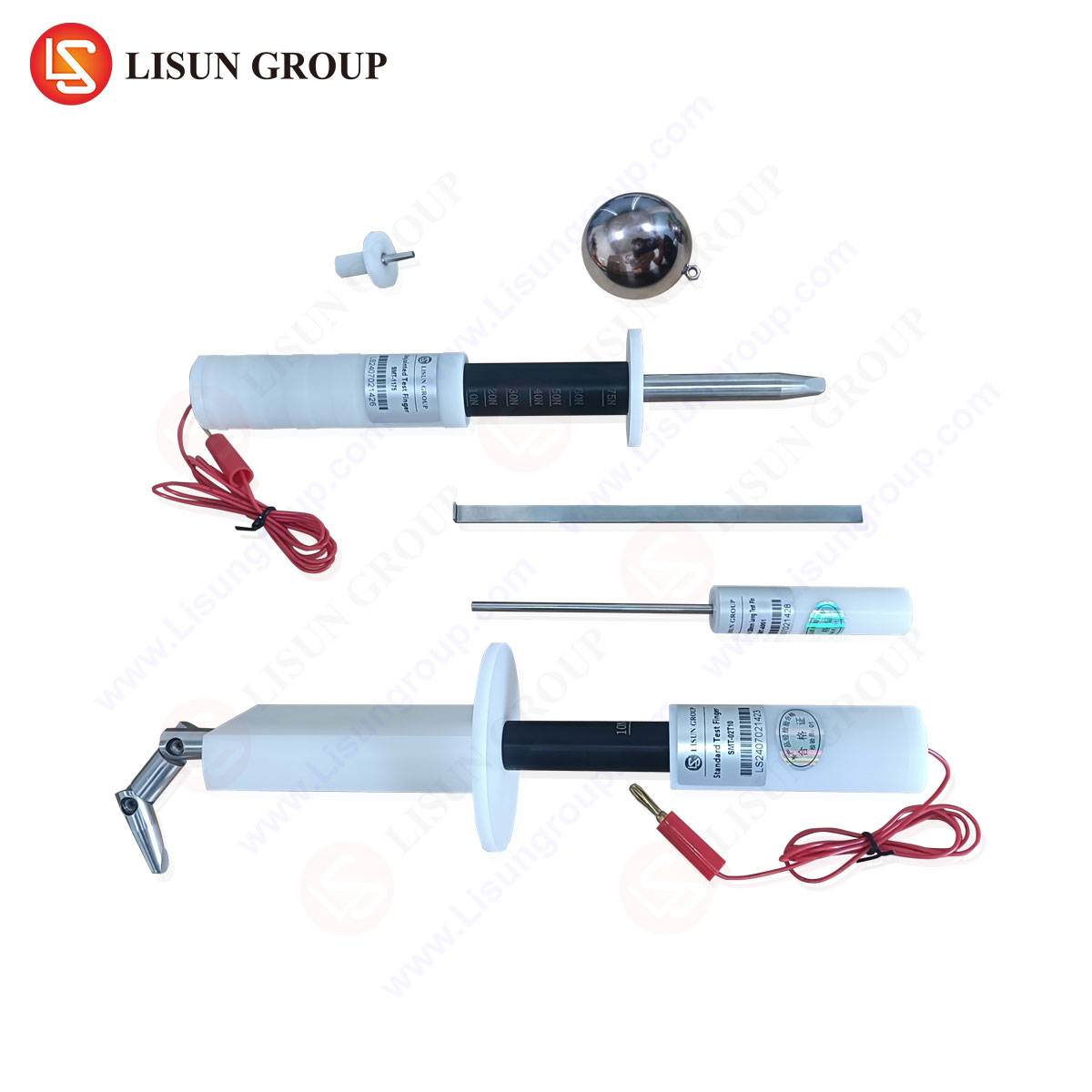
Empirical verification of C4C/C4D compliance is a non-negotiable step in the product development and quality assurance lifecycle. This requires sophisticated, calibrated test equipment capable of reproducing the precise environmental stresses defined by the standards. In this context, instruments like the LISUN Gauges for Plugs and Sockets become indispensable tools for manufacturers and independent testing laboratories.
The LISUN gauging system is engineered to provide quantitative, repeatable measurements of the critical dimensional and mechanical parameters of plugs and sockets before and after corrosive exposure. Corrosion can lead to contact deformation, insulating material swelling, or seal degradation, which may not cause immediate failure but will manifest as a deviation from specified tolerances. The LISUN system typically includes:
- Go/No-Go Gauges: For verifying pin and socket diameters, contact spacing, and overall outline dimensions per IEC 60309, IEC 60320, or other relevant standards.
- Force Gauges: For measuring insertion and withdrawal forces, which are directly correlated to contact normal force—a key indicator of electrical performance and long-term reliability.
- Torque Gauges: For assessing the mechanical integrity of coupling nuts, cable retention devices, and other threaded components, which can be compromised by corrosion.
Testing Principle: Post-corrosion testing, a plug that no longer accepts the “Go” gauge or exhibits insertion force outside the specified range has likely suffered functional degradation. The LISUN system transforms subjective visual assessments into objective, quantifiable data. For instance, a socket contact that has experienced corrosive buildup may still conduct electricity in a bench test, but an elevated insertion force measurement would predict accelerated wear and potential overheating in service.
Industry Use Cases: A manufacturer producing C4C-rated marine shore power connectors would employ LISUN gauges during Quality Control to ensure every batch maintains perfect dimensional conformity after salt spray testing. A certification body verifying a new line of C4D-rated industrial sockets for a wastewater plant would use the gauges to provide auditable proof of sustained mechanical compliance post-SO₂ exposure testing.
Competitive Advantages: The precision of LISUN Gauges, derived from hardened tool steel construction and meticulous calibration to international standards, offers several advantages:
- Objective Compliance Evidence: Generates numerical data for regulatory submissions and customer audits.
- Predictive Maintenance Insight: Identifies subtle degradation trends before catastrophic failure occurs.
- Process Control: Enables fine-tuning of manufacturing processes (e.g., plating thickness, molding parameters) based on hard metric feedback from corrosion testing.
- Reduced Liability: Provides a documented chain of verification that the product met all mechanical specifications after withstanding the prescribed environmental stresses.
Standards Integration and Market Specification
C4C and C4D classifications are increasingly referenced in sector-specific standards and end-user specifications. For example:
- Marine & Offshore (C4C): Standards for shipboard connectors and shore power inlets explicitly require C4-M or C4C levels of protection.
- Rail Transportation (C4C/C4D): Connectors for rolling stock, exposed to brake dust (containing metals) and atmospheric pollution, often specify these classifications.
- Industrial Automation (C4D): Connectors in chemical plants or near combustion processes are specified for C4D resistance.
- Infrastructure & EV Charging (C4C): Publicly accessible electric vehicle charging plugs and sockets in temperate coastal climates are prime candidates for C4C requirements.
Specification sheets for compliant products must therefore not only list an IP rating but also the relevant “C” classification, providing a complete picture of environmental durability. The integration of verification data from test equipment like dimensional gauges into the product’s technical file is a best practice that strengthens the manufacturer’s claim of compliance.
Conclusion
The C4C and C4D classifications represent a sophisticated, chemically-specific language for defining the corrosive resilience of electrical components. Moving beyond generic claims of “weatherproof” or “corrosion-resistant,” they offer a standardized, evidence-based framework for matching product capability to environmental reality. For the plugs and sockets industry, mastering these classifications is integral to product development, risk management, and market access. This mastery is underpinned by rigorous testing protocols, the results of which are rendered meaningful and actionable through precise measurement instrumentation. As global industries continue to operate in increasingly harsh and variable environments, the precision offered by classifications like C4C and C4D, validated by tools such as the LISUN gauging system, will remain a cornerstone of electrical safety, reliability, and performance.
FAQ: C4C/C4D Testing and Product Verification
Q1: Can a product be certified as both C4C and C4D simultaneously?
Yes, a product can be designed and tested to withstand both chloride-rich and sulfur dioxide-rich environments. This would require it to successfully pass both the salt spray (or cyclic corrosion) test sequence for C4C and the sulfur dioxide test for C4D without exhibiting functional or excessive cosmetic degradation. The product’s material stack, particularly the contact plating, must be compatible with both corrosive agents.
Q2: How often should gauges like the LISUN system be used in production for C4C/C4D rated components?
For critical safety components like power connectors, a sampling plan using gauges should be implemented for every production batch. A common practice is AQL (Acceptable Quality Level) sampling. Furthermore, 100% gauging of critical dimensions (like contact spacing) may be employed for high-reliability applications. Gauges should also be used on samples from every corrosion test validation run.
Q3: Is visual inspection after corrosion testing sufficient for compliance?
No. While visual inspection for red rust or base metal corrosion is a required failure criterion, it is insufficient alone. Functional and mechanical verification is mandatory. A connector may appear only lightly tarnished but could have compromised electrical performance due to increased contact resistance or altered mechanical mating forces. Dimensional and force gauging provides this essential quantitative data.
Q4: Does achieving a C4 classification imply a specific IP rating?
Not directly. The “C” classification and IP rating are separate axes of protection. However, they are often linked in practice. A product intended for a C4 outdoor environment would logically also require a high IP rating (e.g., IP44, IP67) to protect against water and dust ingress, which would contribute to corrosion. A product data sheet should declare both ratings independently.
Q5: How does accelerated laboratory testing correlate to real-world service life?
Accelerated tests like neutral salt spray are comparative, not absolute, predictors. They are designed to rank materials and finishes relative to each other under controlled, severe conditions. Correlations to real-world years are estimated using “acceleration factors” based on field data from similar environments. A 500-hour salt spray test might correlate to 5-10 years in a specific C4C coastal environment, but this must be validated by the manufacturer through field tracking or published industry correlations.