

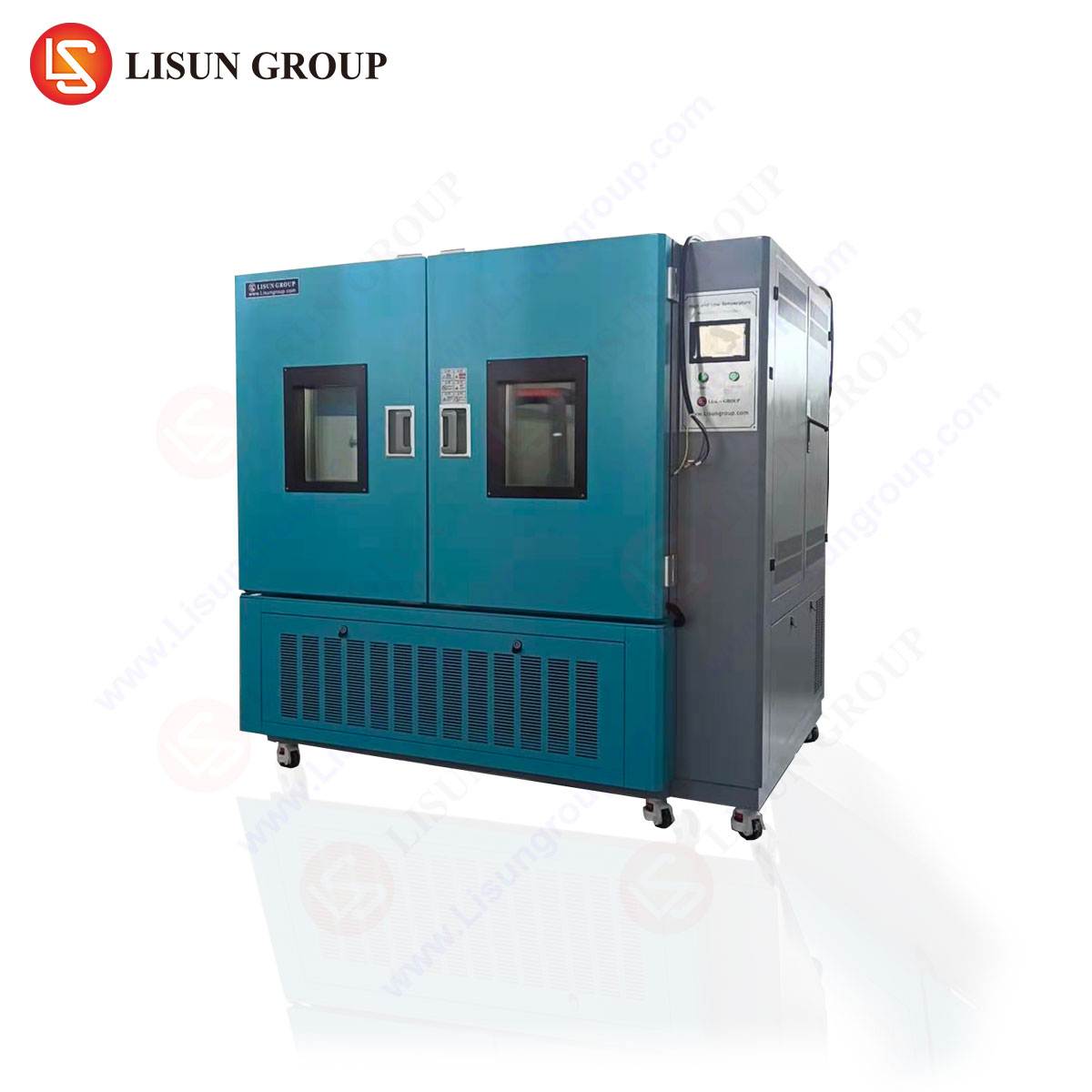



Understanding Cass Test Chambers for Reliable Product Testing
Introduction to Accelerated Corrosion Testing Methodologies
The relentless pursuit of product durability and reliability across industrial sectors necessitates rigorous environmental simulation. Among the most critical and standardized forms of such simulation is salt spray (fog) testing, a proven accelerated corrosion test method. Cass test chambers, more formally known as Salt Spray (Fog) Test Chambers, serve as the principal apparatus for conducting these evaluations. These chambers create a controlled, corrosive environment to assess the relative resistance of materials, surface coatings, and finished products to salt-laden atmospheres. The data derived from such testing is indispensable for predicting service life, validating material selection, qualifying manufacturing processes, and ensuring compliance with international standards. This technical examination delves into the operational principles, design considerations, and critical applications of cass test chambers, with a specific focus on implementing reliable and standardized testing protocols.
Fundamental Operating Principles of Salt Spray Chambers
At its core, a cass test chamber operates on the principle of creating a consistent, atomized saline mist within an enclosed, temperature-controlled workspace. The test solution, typically a 5% sodium chloride (NaCl) solution with a pH adjusted per relevant standards, is pressurized and forced through a nozzle, creating a fine fog. This fog is then dispersed evenly throughout the test chamber, settling on the specimens under evaluation. The chamber interior is maintained at a constant elevated temperature, usually 35°C ± 2°C for neutral salt spray (NSS) tests, which accelerates the electrochemical corrosion processes. The specimens are positioned on supports at an angle (often 15° to 30° from vertical) to ensure uniform droplet settlement and to prevent pooling that could lead to unrealistic corrosion patterns. The chamber’s construction from inert materials like polypropylene or glass-reinforced polyester ensures the corrosive environment acts solely on the test specimens, not the chamber itself, guaranteeing the integrity of the test conditions.
Design Architecture and Critical Subsystems
A modern cass chamber is an integration of several precision subsystems. The chamber body itself is a double-walled structure, often with an inner liner of corrosion-resistant polymer and an outer casing of steel, with thermal insulation sandwiched between to ensure temperature stability and energy efficiency. The mist generation system comprises a compressed air supply with precise pressure regulation, a saturated tower (or bubble tower) to humidify and warm the air to chamber temperature, a solution reservoir, and a specialized nozzle. Temperature control is achieved via a PID-controlled heating system, often using immersion heaters or air heaters, coupled with a high-sensitivity platinum resistance thermometer (PRT). A critical component is the condensation collection system, designed to channel the settled spray away from the test area to maintain consistent solution concentration. Advanced chambers incorporate features like automatic water leveling, digital programmable controllers for multi-stage test cycles (e.g., salt spray, dry-off, humidity), and real-time data logging of temperature, spray volume, and chamber saturation.
Adherence to International Test Standards and Protocols
The validity of test results is contingent upon strict adherence to published international standards. These standards, such as ASTM B117, ISO 9227, JIS Z 2371, and MIL-STD-810G Method 509.6, prescribe exhaustive details regarding chamber construction, test solution preparation, pH, collection rate, temperature tolerances, and specimen placement. For instance, ASTM B117 mandates that the collection rate for settled spray in an 80 cm² funnel must be between 1.0 and 2.0 ml per hour, a parameter critical for test severity and reproducibility. Compliance with these standards is not optional; it is the foundational requirement for test data to be recognized by quality assurance bodies, certification agencies, and clients across global supply chains. A chamber’s design is, therefore, a direct physical manifestation of these standard requirements, with every component engineered to meet or exceed the specified parameters.
The YWX/Q-010 Salt Spray Test Chamber: A Technical Specification Analysis
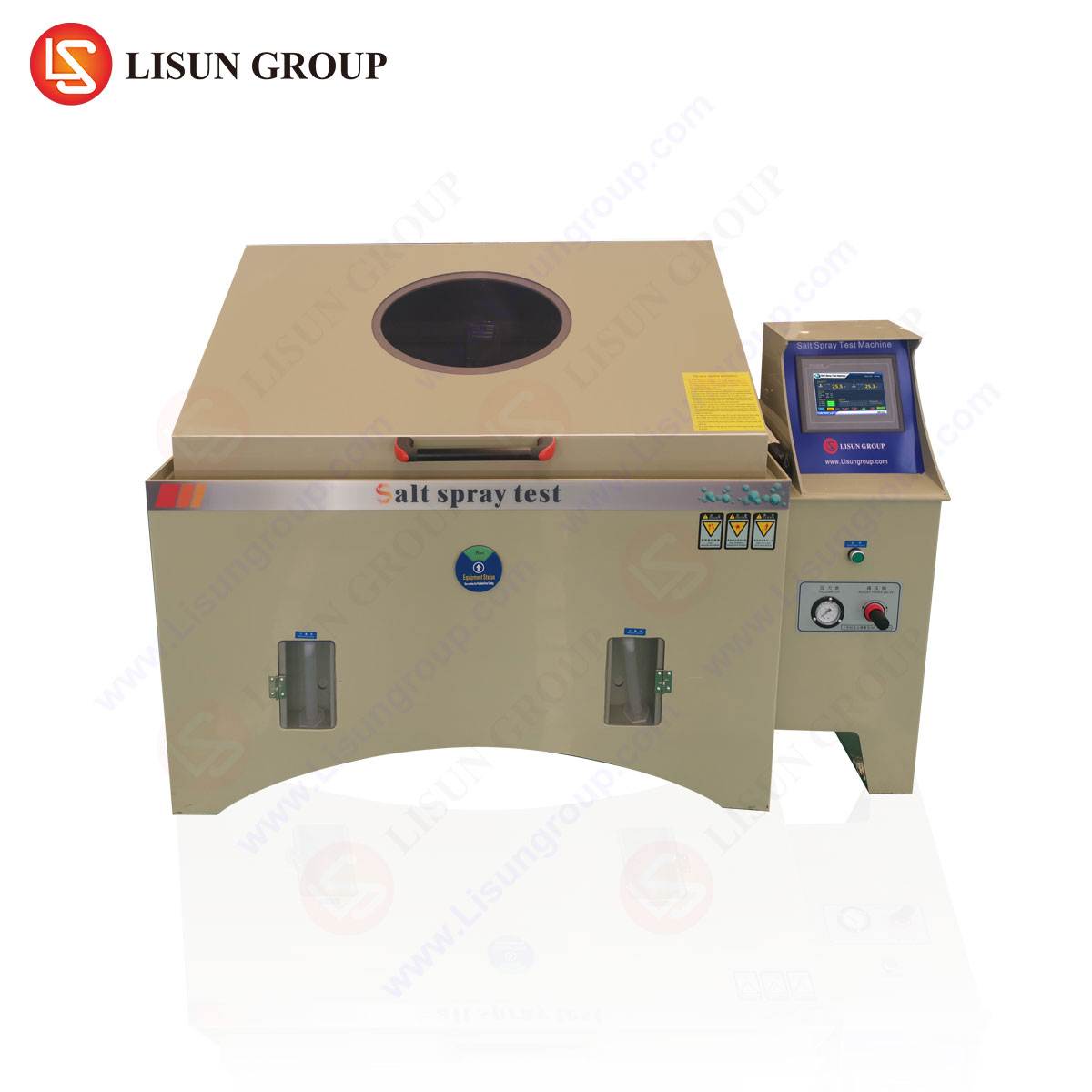
The LISUN YWX/Q-010 Salt Spray Test Chamber exemplifies the integration of robust design with precise control for standardized accelerated corrosion testing. This chamber is engineered to perform Neutral Salt Spray (NSS), Acetic Acid Salt Spray (AASS), and Copper-Accelerated Acetic Acid Salt Spray (CASS) tests, providing versatility for multiple testing protocols.
Key Specifications:
- Chamber Volume: 108 Liters (Interior Dimensions: 600 x 450 x 400 mm)
- Temperature Range: Ambient +5°C to 55°C.
- Temperature Uniformity: ≤ ±2°C.
- Temperature Fluctuation: ≤ ±0.5°C.
- Spray Method: Continuous or intermittent (programmable).
- Test Solution: 5% NaCl solution, with pH adjustment capability for AASS/CASS tests.
- Collection Rate: Adjustable to conform to 1.0~2.0ml/80cm²/h (standard).
- Controller: Digital PID programmable controller with LCD display.
- Construction: Inner chamber made of imported polypropylene (PP) plate, outer casing of powder-coated steel, with thermal insulation.
Testing Principle Implementation: The YWX/Q-010 utilizes a tower-type (Bernoulli Principle) nozzle for fog generation. Compressed air is humidified and heated in a saturated tower before being expelled through the nozzle, drawing the test solution from the reservoir and atomizing it into a fine, uniform fog. The PID controller and high-precision air pressure regulator work in concert to maintain the critical collection rate within the standardized range, ensuring test severity is consistent and repeatable.
Competitive Advantages: The chamber’s primary advantages lie in its material integrity and control stability. The use of thick, welded PP for the inner liner offers superior long-term resistance to acidic and saline environments compared to coated metal alternatives, preventing chamber degradation from influencing test results. The precision air pressure control system allows for fine-tuning of the mist output, directly impacting the consistency of the collection rate—a key metric for audit and certification purposes. Furthermore, its comprehensive compliance with major international standards makes it a suitable tool for R&D and quality control laboratories requiring globally recognized data.
Industry-Specific Applications and Use Cases
The application of cass testing spans industries where corrosion resistance is synonymous with safety, functionality, and longevity.
- Automotive Electronics & Components: Testing electronic control units (ECUs), connectors, sensor housings, and wiring harnesses to ensure functionality after exposure to road salt and harsh winter conditions.
- Aerospace and Aviation Components: Qualifying coatings and materials for fasteners, avionics casings, and structural components exposed to marine and atmospheric salinity at various altitudes.
- Electrical & Electronic Equipment / Industrial Control Systems: Evaluating the protective qualities of conformal coatings on printed circuit boards (PCBs), enclosures for industrial PCs, and housing for relays and switches used in coastal or industrial environments.
- Telecommunications Equipment: Assessing the durability of outdoor cabinets, antenna housings, and coaxial connectors against long-term environmental exposure.
- Lighting Fixtures (Indoor & Outdoor): Validating the corrosion resistance of fixture housings, heat sinks, and optical assemblies, particularly for street lights, marine lights, and industrial high-bay fixtures.
- Medical Devices: Testing the integrity of metallic components in portable devices, surgical tool coatings, and the housings of diagnostic equipment to ensure reliability and prevent contamination.
- Consumer Electronics & Household Appliances: Qualifying the finish on smartphone internal brackets, laptop chassis, and the coated steel drums of washing machines to prevent rust and cosmetic degradation.
- Cable and Wiring Systems: Determining the effectiveness of cable jacketing materials and metallic braiding when exposed to corrosive atmospheres.
Interpreting Test Results and Correlating to Real-World Performance
A critical challenge in accelerated testing is the correlation between chamber hours and real-world service years. While a direct, universal multiplier does not exist due to the vast variability of environmental conditions, salt spray testing provides a powerful comparative tool. It is most effectively used for:
- Qualitative Comparative Analysis: Ranking different material finishes or coating systems (e.g., comparing zinc plating to cadmium plating on a steel substrate).
- Process Control: Identifying inconsistencies in coating thickness, curing, or pretreatment processes by comparing batches of production parts.
- Specification Compliance: Verifying that a product meets a specific requirement (e.g., “72 hours of ASTM B117 NSS test with no red rust on significant surfaces”).
The appearance of white corrosion products (e.g., zinc carbonate), red rust, blistering of paint, or loss of adhesion are documented at predetermined intervals. The time to first failure for a set of specimens provides a quantitative metric for material or coating system evaluation.
Advanced Testing Modifications: CASS and Cyclic Corrosion Tests
While the neutral salt spray (NSS) test is ubiquitous, it is often criticized for its lack of correlation with certain natural environments, as it provides constant wetness. Two significant modifications address this:
- Copper-Accelerated Acetic Acid Salt Spray (CASS) Test: Used primarily for decorative copper-nickel-chromium or nickel-chromium platings on zinc die castings or steel. The addition of copper chloride and acetic acid greatly accelerates corrosion, providing rapid feedback on plating quality and pore density.
- Cyclic Corrosion Testing (CCT): A more sophisticated approach that better simulates real-world diurnal cycles. A chamber like the YWX/Q-010X variant can automate sequences involving salt spray, humidity, dry-off, and sometimes freezing. This wet-dry cycling is far more damaging and correlative to automotive and marine environments than continuous salt fog, as it allows for oxygen diffusion during dry periods, accelerating the corrosion rate.
Maintenance, Calibration, and Ensuring Long-Term Accuracy
The reliability of a cass chamber is a function of disciplined maintenance and calibration. Daily checks of the reservoir level, solution pH, and collection rate are mandatory. Nozzles are prone to crystallization and wear, requiring regular inspection and cleaning or replacement to maintain proper atomization. The saturated tower water must be changed weekly to prevent biological growth. Most critically, the chamber’s temperature sensor and the collection rate system require periodic calibration against traceable standards. An uncalibrated or poorly maintained chamber produces meaningless data, potentially leading to the shipment of substandard products or the unnecessary rejection of adequate ones. A formal schedule for preventive maintenance, including seal inspection, heater element check, and controller validation, is essential for laboratory accreditation under standards like ISO/IEC 17025.
Conclusion: The Integral Role in Product Qualification
Cass test chambers remain an indispensable tool in the material scientist’s and quality engineer’s arsenal. They provide a controlled, reproducible, and accelerated means of assessing one of the most pervasive threats to product integrity: corrosion. From the microcircuitry of a medical implant to the painted body of an automobile, the principles of salt spray testing underpin confidence in material performance. As products become more complex and global supply chains demand universally accepted quality data, the role of precisely engineered, standard-compliant equipment like the YWX/Q-010 series becomes ever more critical. The investment in such technology is fundamentally an investment in product reliability, brand reputation, and user safety.
Frequently Asked Questions (FAQ)
Q1: What is the primary difference between the NSS, AASS, and CASS tests, and how do I choose?
A1: The test type is defined by the test solution and its pH. Neutral Salt Spray (NSS, pH 6.5-7.2) is the most common general test for metals and organic coatings. Acetic Acid Salt Spray (AASS, pH ~3.1-3.3) is more aggressive, used for inorganic coatings (anodizing, phosphate) and some organic coatings. Copper-Accelerated Acetic Acid Salt Spray (CASS, pH ~3.1-3.3 with added CuCl₂) is the most aggressive, specifically designed for rapid testing of decorative nickel-chromium electroplates. The choice is dictated by the material system being tested and the relevant product or material specification.
Q2: Why is the collection rate of settled spray so critically specified in standards like ASTM B117?
A2: The collection rate directly controls the deposition density of salt on the specimens. A rate that is too low reduces the test’s severity and prolongs the time to failure unpredictably. A rate that is too high can cause excessive wetness and runoff, leading to unrealistic corrosion patterns and dilution of the solution. The specified range (1.0-2.0 ml/80cm²/h) ensures a consistent and reproducible corrosive load, allowing for meaningful comparison of results between different laboratories and test dates.
Q3: Can salt spray test hours be directly converted to years of expected service life?
A3: No, a direct arithmetic conversion is not scientifically valid. The acceleration factor is highly dependent on the specific material, coating, geographic environment (e.g., industrial vs. marine), and real-world exposure conditions (sheltered vs. unsheltered). The test is primarily used for comparative ranking, quality control, and specification compliance. Long-term correlation is established through historical data comparing test results with field performance for similar products in known environments.
Q4: Our products experience thermal cycles and dry periods in the field. Is a standard continuous salt spray test sufficient?
A4: For products exposed to such conditions, a continuous salt spray test may not be the most correlative method. In such cases, a Cyclic Corrosion Test (CCT) is strongly recommended. Chambers capable of CCT, such as the YWX/Q-010X, automate sequences of salt spray, high humidity, and dry-off. This wet-dry cycling is significantly more damaging and better replicates the electrochemical processes occurring in real-world atmospheric exposure, leading to more accurate lifetime predictions.
Q5: What are the most common causes of invalid test results from a salt spray chamber?
A5: Invalid results typically stem from: 1) Improper Calibration: Drift in temperature or incorrect collection rate. 2) Contaminated Test Solution: Use of impure water or NaCl, or bacterial growth in the reservoir. 3) Poor Chamber Maintenance: A clogged or worn nozzle leading to non-uniform fog, or salt buildup affecting insulation. 4) Incorrect Specimen Preparation or Placement: Failure to properly mask or rack specimens, leading to atypical exposure or runoff patterns. Adherence to a strict quality assurance protocol for both the chamber and the test operation is essential.