

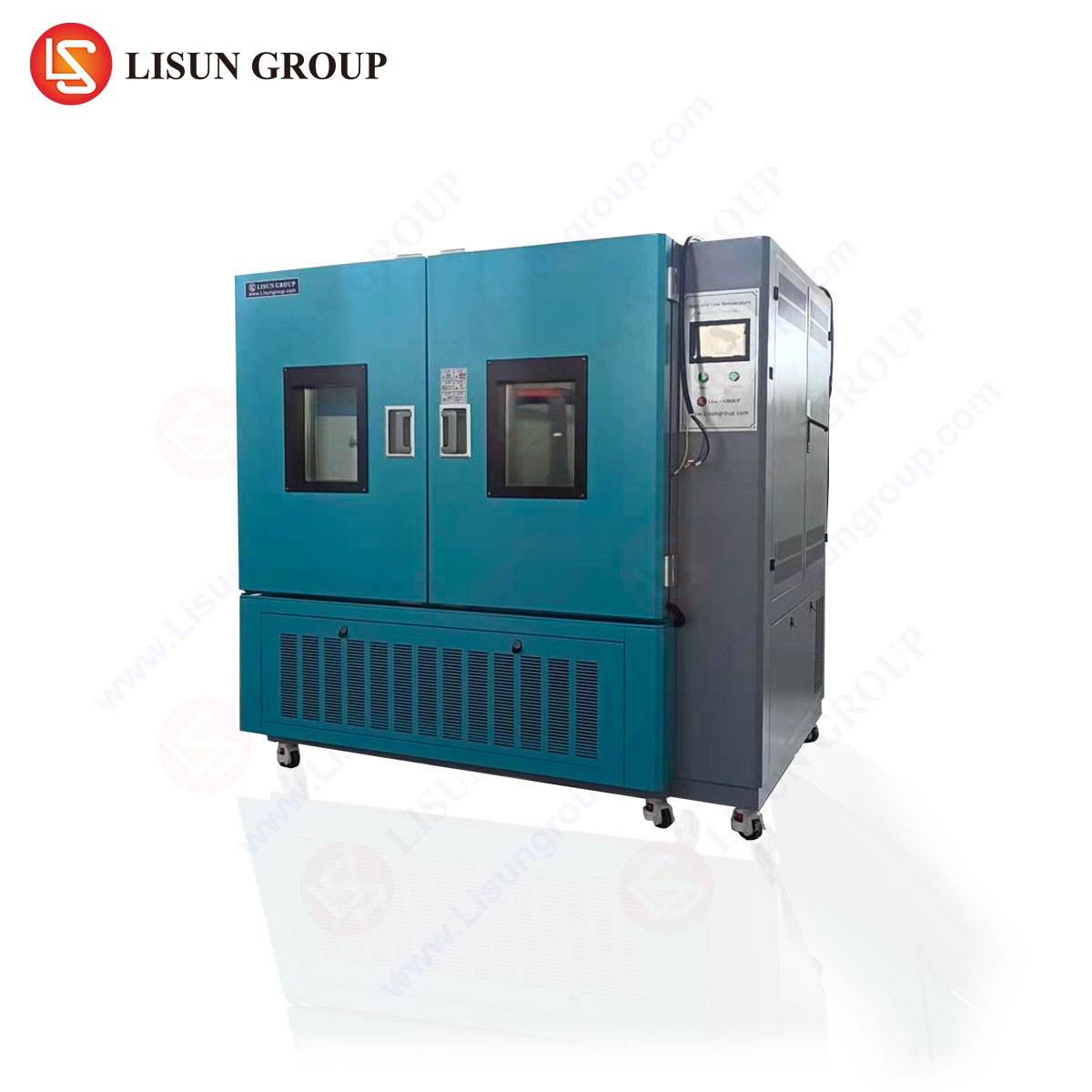



Understanding Environmental Test Chambers: Principles, Applications, and Technological Implementation
Environmental test chambers are indispensable instruments in the validation and qualification of materials, components, and finished products across a vast spectrum of industries. These sophisticated systems simulate a controlled, reproducible set of environmental conditions—often exceeding the extremes encountered in real-world operation—to assess product reliability, durability, and performance stability. The fundamental premise is not merely to test if a product functions under nominal conditions, but to rigorously evaluate its failure modes, operational limits, and long-term resilience. This proactive identification of weaknesses during the design and production phases mitigates field failures, reduces warranty costs, and ensures compliance with stringent international standards, thereby safeguarding brand reputation and user safety.
The Foundational Principles of Environmental Simulation
At its core, environmental testing operates on the principle of accelerated stress testing. By exposing a unit under test (UUT) to intensified but representative environmental stresses, engineers can precipitate latent defects and model aging processes within a condensed timeframe. This acceleration is governed by recognized physical models, such as the Arrhenius equation for temperature-induced failure rates or the Coffin-Manson relationship for thermal cycling fatigue. The chamber’s role is to provide precise, uniform, and repeatable application of these stresses.
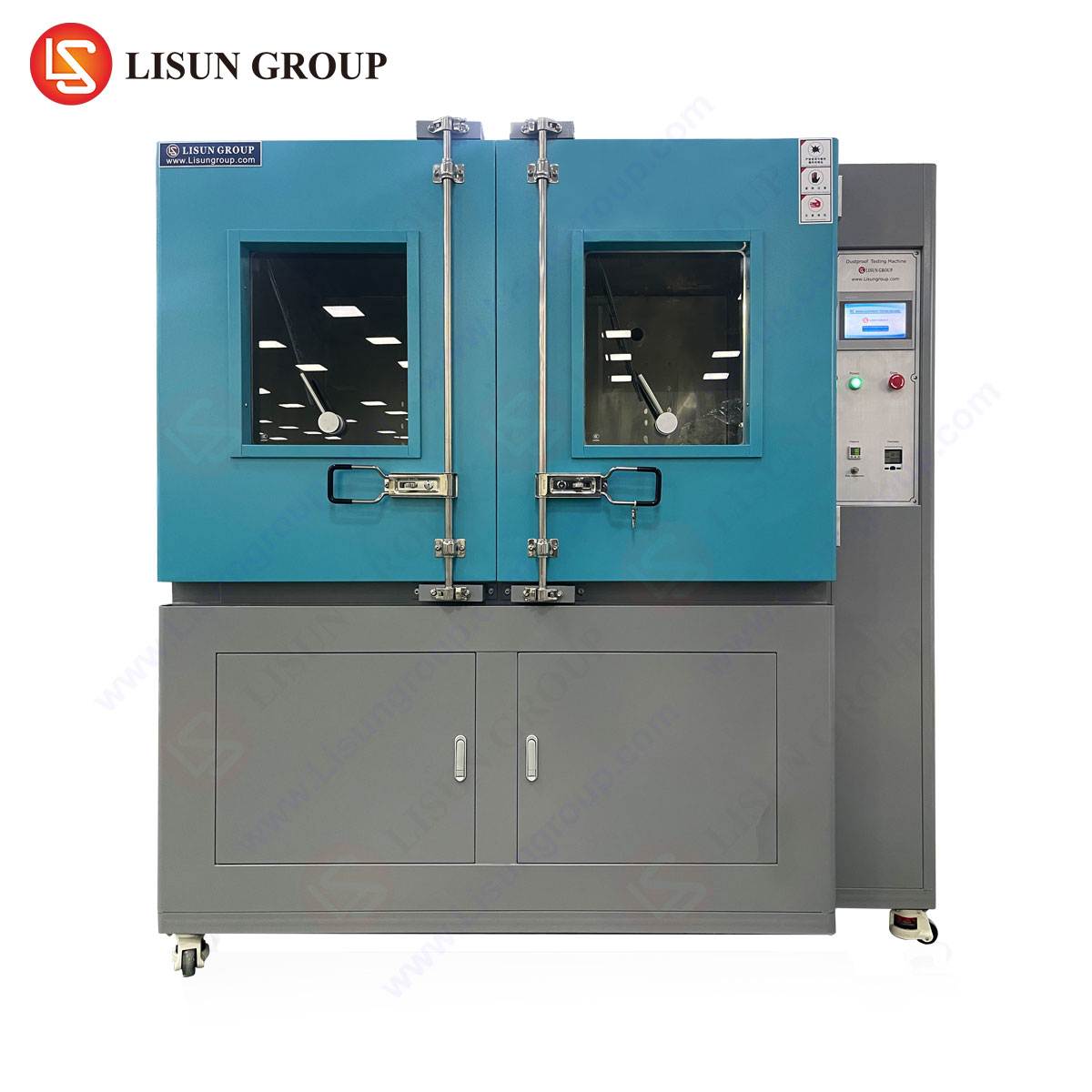
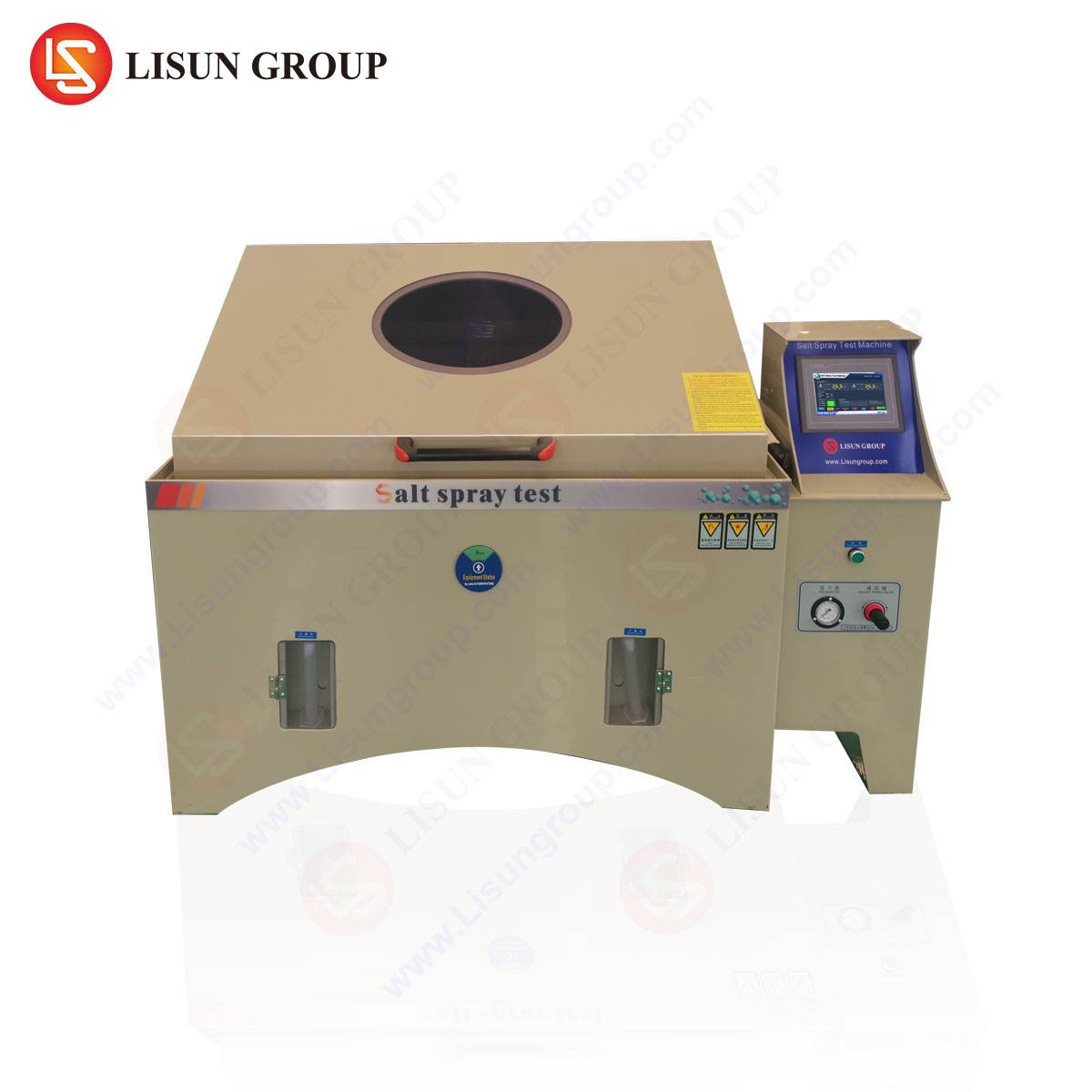
Key controlled parameters include temperature (spanning extreme cold to high heat), humidity (from desiccated conditions to saturated environments), and thermal shock (rapid transitions between temperature extremes). Advanced chambers may also integrate additional stress factors like vibration (combined environmental stress screening, or ESS), altitude (low pressure), corrosion (salt fog), or solar radiation (xenon arc). The fidelity of simulation—the chamber’s ability to maintain setpoints without spatial gradients or temporal fluctuations—is paramount. Inaccurate or non-uniform conditions yield unreliable data, potentially allowing flawed designs to proceed or condemning robust ones unnecessarily.
Deconstructing Chamber Architecture and Control Systems
A modern environmental test chamber is a complex integration of mechanical, refrigeration, electrical, and software subsystems. The primary workspace, or test volume, is constructed from materials like stainless steel, selected for corrosion resistance and thermal properties. Critical insulation, often using high-density mineral wool or polyurethane foam, minimizes thermal exchange with the ambient laboratory environment, enhancing efficiency and stability.
The thermal system typically employs a cascade refrigeration circuit for sub-ambient and ultra-low temperature attainment, coupled with electric heating elements for rapid temperature rise. Humidity generation is commonly achieved through a steam injection system (using deionized water to prevent scaling) or a water bath humidifier, while dehumidification is accomplished via a dedicated cooling coil that condenses moisture from the air. The heart of the chamber is its programmable controller, which receives feedback from platinum resistance temperature detectors (PT100) and capacitive humidity sensors. This controller executes Proportional-Integral-Derivative (PID) algorithms to dynamically adjust compressor output, heater power, and humidifier valves, achieving setpoint stability often within ±0.5°C and ±2.0% RH.
Air circulation, driven by a centrifugal blower and guided by strategically placed baffles, is critical for eliminating thermal stratification. Validation of chamber performance, known as mapping or profiling, is conducted per standards like IEST-RP-DTE012.1 or IEC 60068-3-5, using an array of sensors to verify spatial uniformity and temporal stability across the entire workspace.
The Critical Role of Standards in Test Methodology
Environmental testing is not an arbitrary exercise; it is fundamentally guided by a framework of international standards that define test severities, procedures, and acceptance criteria. These standards ensure consistency, repeatability, and mutual recognition of test results across global supply chains.
Prominent standards bodies include the International Electrotechnical Commission (IEC), which publishes the IEC 60068 series “Environmental Testing,” and the military-derived MIL-STD-810 series, widely adopted for ruggedized equipment. Industry-specific standards also prevail: automotive electronics frequently adhere to ISO 16750 “Road vehicles — Environmental conditions and testing for electrical and electronic equipment”; telecommunications equipment to Telcordia GR-63 CORE; and medical devices to IEC 60601-1 for general safety. A test specification will explicitly cite the relevant standard, the specific test clauses (e.g., IEC 60068-2-1 for cold, IEC 60068-2-2 for dry heat, IEC 60068-2-30 for damp heat, cyclic), and the tailored severity levels (temperature range, duration, cycle count) deemed appropriate for the product’s lifecycle environment.
Focus on Thermal Shock Testing: The HLST-500D Chamber
Among the most severe forms of environmental stress is thermal shock, which subjects a product to rapid transitions between extreme high and low temperatures. This test is particularly effective at revealing failures stemming from coefficient of thermal expansion (CTE) mismatches in assembled materials, solder joint integrity, and microcrack propagation in ceramics or polymers.
The LISUN HLST-500D Thermal Shock Test Chamber is engineered specifically for this demanding application. It employs a three-zone (high-temperature zone, low-temperature zone, and test basket) dual-station moving system. The UUT is placed in a basket that automatically transfers between separate hot and cold chambers, achieving a transition time of less than 10 seconds. This design ensures that the extreme temperatures of each zone (+60°C to +150°C for the high-temperature chamber, -10°C to -55°C for the low-temperature chamber) are not compromised by constant exposure to the opposite extreme, as can occur in two-zone systems.
Key Specifications of the HLST-500D:
- Test Volume: 500 Liters (interior dimensions customizable).
- Temperature Range: High Temp Zone: +60°C to +150°C; Low Temp Zone: -10°C to -55°C.
- Recovery Time: ≤5 minutes (from +150°C to -55°C or vice versa, after specimen load).
- Transition Time: <10 seconds (mechanical movement).
- Basket Load Capacity: Typically 30-40 kg.
- Control System: Programmable touch-screen controller with data logging and USB interface.
Testing Principle: The UUT undergoes a prescribed number of cycles. A typical cycle involves a dwell period (e.g., 30 minutes) at the high-temperature extreme to achieve thermal saturation, an automatic sub-10-second transfer to the low-temperature chamber, a dwell period at the cold extreme, and a rapid return to the high-temperature chamber. Electrical monitoring of the UUT during transitions and dwells can detect intermittent or permanent failures.
Industry Use Cases:
- Automotive Electronics: Testing engine control units (ECUs), sensors, and lighting modules for reliability when a car starts in Arctic cold after being parked in desert sun.
- Aerospace and Aviation Components: Qualifying avionics, navigation systems, and satellite components for rapid temperature changes during ascent/descent or orbital cycles.
- Telecommunications Equipment: Validating outdoor base station electronics, fiber optic transceivers, and 5G components.
- Electrical Components: Assessing the mechanical integrity of ceramic capacitors, semiconductor packages, and connector assemblies.
Competitive Advantages: The HLST-500D’s dual-station design offers superior temperature stability and recovery compared to lift-style single-chamber shock systems. Its robust mechanical transfer mechanism ensures high reliability for thousands of cycles. The precise programmability allows simulation of exact in-use stress profiles, from gradual to extreme shock, making it a versatile tool for both qualification testing and production batch screening.
Applications Across the Product Development Lifecycle
Environmental test chambers are utilized at multiple stages of product development. During Design & Validation, engineers use chambers like the HLST-500D to subject prototypes to beyond-specification stresses, identifying design flaws in PCB layout, material selection, or sealing. In Qualification & Type Testing, pre-production units undergo a full battery of standardized tests to certify the design for market release and to comply with regulatory requirements. Finally, in Production Screening, a sample of units from each manufacturing lot may undergo highly accelerated stress screening (HASS) to catch process-related defects, such as poor solder joints or contamination, before shipment.
The industries listed—from medical devices, where a defibrillator must operate after storage in a cold ambulance, to household appliances where a dishwasher’s control board must endure years of steam and heat—all share a common reliance on this data-driven assurance of quality. Lighting fixtures are tested for condensation resistance; industrial control systems for stable operation in unheated factories; and consumer electronics for survival in a child’s backpack or a car’s glovebox.
Interpreting Test Data and Failure Analysis
The endpoint of a chamber test is not simply a pass/fail verdict. The data collected—time to failure, failure mode, and the specific conditions at failure—constitute a rich diagnostic resource. A failure during a humidity test may point to inadequate conformal coating or seal integrity. A failure during thermal shock, as revealed by a chamber like the HLST-500D, often directs the failure analysis team towards microscopy (scanning electron microscope or SEM) of solder joints, or acoustic microscopy to detect delamination inside integrated circuit packages. Correlating failure data with finite element analysis (FEA) thermal stress models allows for targeted design improvements, closing the loop between simulation, physical testing, and design optimization.
Future Trajectories in Environmental Testing Technology
The evolution of environmental test chambers is marked by increasing integration, intelligence, and sustainability. The trend is toward combined environmental stress testing, where chambers synchronously apply temperature, humidity, vibration, and electrical power cycling to uncover failure mechanisms that only manifest under multi-stress conditions. IoT connectivity and data analytics are becoming standard, allowing for remote monitoring of tests, predictive maintenance of the chamber itself, and the aggregation of test data into corporate reliability databases for deeper trend analysis. Furthermore, energy efficiency is a growing concern, driving the adoption of variable-speed compressors, heat recovery systems, and the use of low-global-warming-potential (GWP) refrigerants in compliance with regulations like the EU F-Gas regulation.
Frequently Asked Questions (FAQ)
Q1: What is the difference between a thermal shock test and a temperature cycling test?
A: The key distinction is the rate of temperature change. Thermal shock tests, as performed in chambers like the HLST-500D, involve extremely rapid transitions (often >10°C per minute) between two extreme setpoints in separate chambers. Temperature cycling tests typically occur in a single chamber with a slower, controlled ramp rate (e.g., 1-3°C per minute) between extremes. Thermal shock is more aggressive and targets different failure mechanisms, primarily mechanical stresses from rapid expansion/contraction.
Q2: How do I determine the appropriate test conditions (temperature range, cycle count) for my product?
A: Test conditions should be derived from a product’s anticipated lifecycle environment profile. This involves analyzing field data, customer use cases, and relevant industry standards (e.g., IEC, ISO, MIL-STD). A common approach is to use the standard’s default severity levels for the product category and then tailor them based on reliability goals (e.g., Mean Time Between Failures target) and any known specific deployment environments (e.g., under-hood automotive vs. consumer desktop).
Q3: For the HLST-500D, what are the critical factors in preparing a test specimen?
A: Proper fixturing is paramount. The specimen must be securely mounted in the transfer basket to prevent movement during the rapid acceleration/deceleration of the transfer. The mass and thermal mass of the specimen must be considered, as an overly large or dense load can extend dwell times required for thermal saturation. All monitoring cables must be flexible and routed to allow unrestricted basket movement without wear or stress.
Q4: How often does a thermal shock chamber require calibration and maintenance?
A: Calibration of sensors (temperature) should be performed annually, traceable to national standards, to ensure measurement integrity. Preventive maintenance, including inspection of mechanical transfer mechanisms, lubrication of moving parts, checking refrigerant levels, cleaning filters, and verifying door seals, should be conducted quarterly or per the manufacturer’s recommended schedule, especially under high-utilization conditions.
Q5: Can a thermal shock test damage otherwise good products?
A: When applied correctly using specifications derived from legitimate standards and lifecycle profiles, the test is designed to reveal latent flaws, not induce failures in robust designs. However, over-testing—applying extremes or cycle counts far beyond any realistic field condition—can potentially introduce wear-out failure modes that would not occur in normal use. The test plan must be a rational amplification of real-world stresses.