




Understanding IEC Glow Wire Testing for Product Safety: A Technical Examination
Introduction to Fire Hazard Assessment in Electrotechnical Products
The proliferation of electrotechnical products across domestic, commercial, and industrial environments necessitates rigorous evaluation of fire safety risks. Among the most insidious hazards is the potential for ignition due to overheated components or faulty connections, which can simulate conditions far exceeding normal operational temperatures. To standardize the assessment of a product’s resistance to such thermal stresses, the International Electrotechnical Commission (IEC) developed the Glow-Wire Test methodology. This procedure, codified primarily within the IEC 60695-2 series, provides a reproducible means of evaluating the flammability and ignition resistance of materials and end-products when subjected to a heat source of defined severity. The test does not simulate a specific real-world fire scenario but rather establishes a comparative benchmark for a product’s ability to withstand thermal abuse without propagating fire. Compliance with these standards is a critical prerequisite for market access, product certification (such as CE, UL, and CCC), and, ultimately, user safety.
Fundamental Principles of the Glow-Wire Test Method
The core principle of the glow-wire test is elegantly straightforward yet scientifically robust. A standardized heating element, the “glow-wire,” constructed from a nickel/chromium (80/20) alloy with a specified diameter, is heated electrically to a predetermined temperature. This temperature, ranging from 550°C to 960°C depending on the test severity required by the end-product standard, is maintained within tight tolerances. The heated tip of this wire is then applied with a defined force (typically 1.0 N ± 0.2 N) to the test specimen for a set period, usually 30 seconds. The test apparatus must precisely control three interdependent variables: temperature, application force, and duration.
Following the application period, the test evaluates several key outcomes. The primary criteria are whether the specimen ignites and, if it does, the duration of any subsequent flames. Additionally, observations are made regarding the production of glowing or flaming particles that could ignite a specified tissue paper substrate placed below the specimen, simulating the ignition of nearby combustible materials. The pass/fail criteria are strictly defined within the relevant product family standard (e.g., IEC 60335-1 for household appliances, IEC 60950-1 for IT equipment, now superseded by IEC 62368-1 for audio/video and IT equipment). A typical requirement might stipulate that flames on the specimen extinguish within 30 seconds after removal of the glow-wire and that the tissue paper does not ignite from falling debris.
Apparatus Specifications and Critical Control Parameters
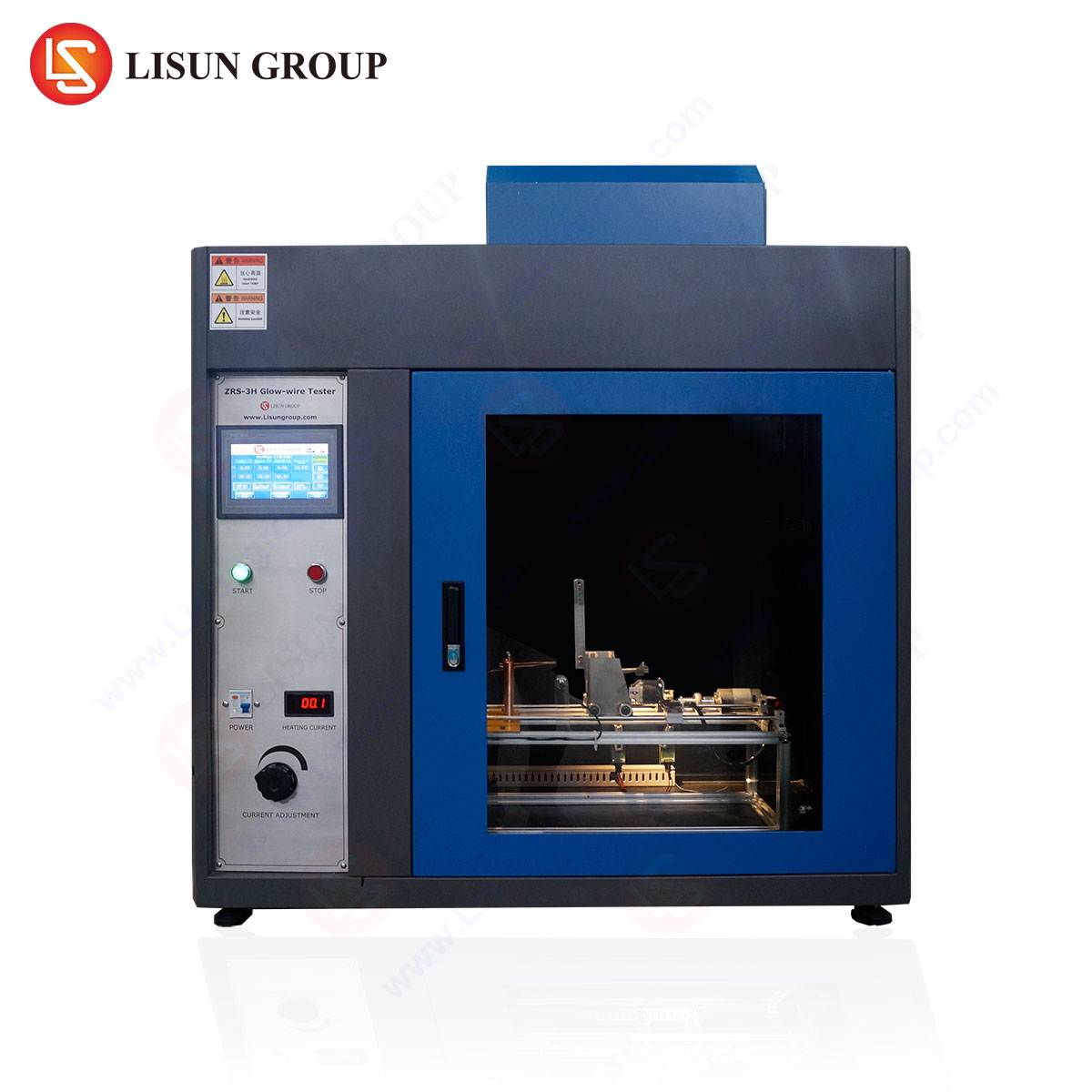
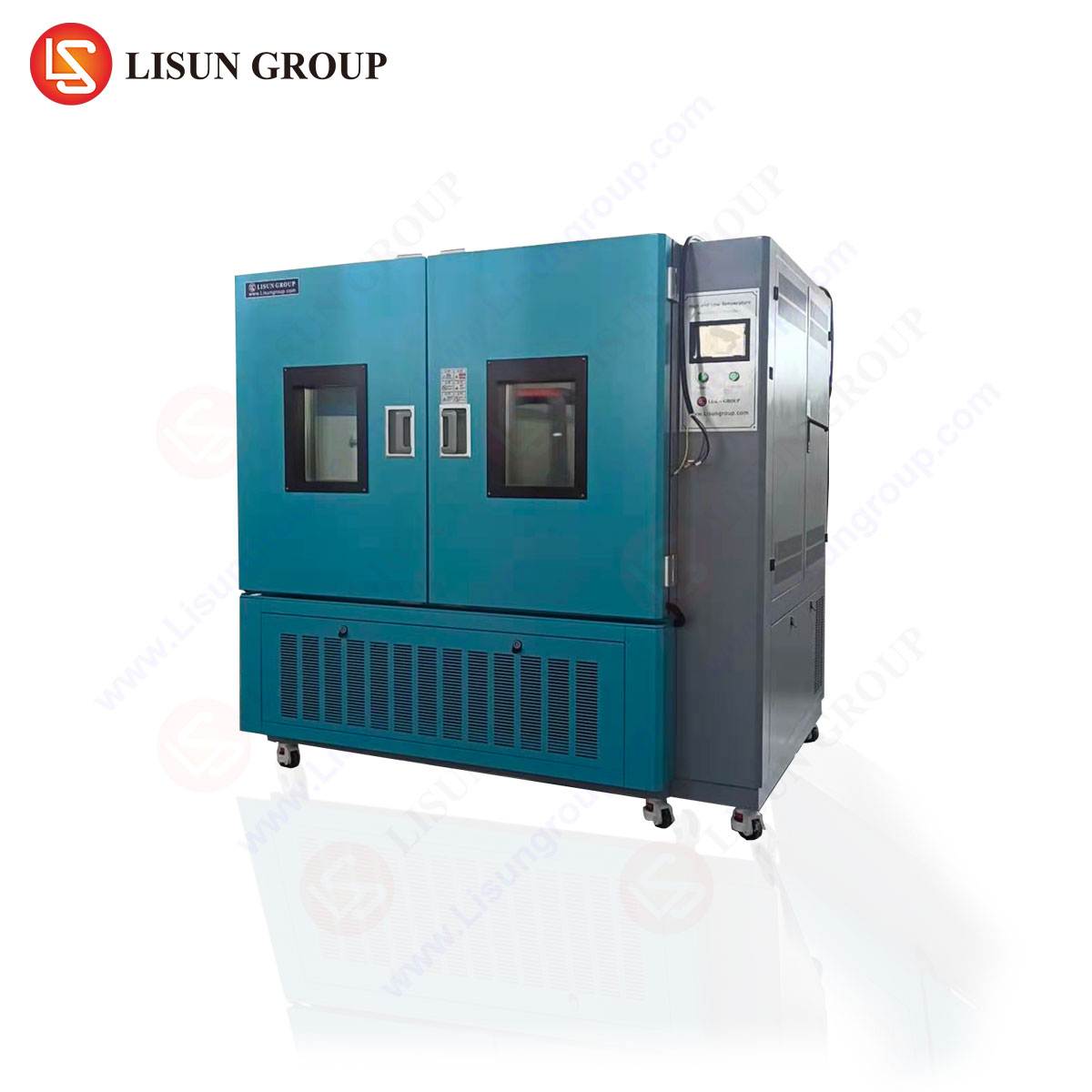
The integrity of the glow-wire test is wholly dependent on the precision and reliability of the apparatus used. A representative example of a fully compliant system is the LISUN ZRS-3H Glow-wire Test Apparatus. This instrument is engineered to meet the exacting specifications of IEC 60695-2-10, IEC 60695-2-11, IEC 60695-2-12, IEC 60695-2-13, and related GB/T 5169.10-13 standards. Its design incorporates the critical features necessary for reproducible and valid testing.
The LISUN ZRS-3H employs a closed-loop temperature control system. A proprietary alloy glow-wire is heated via a low-voltage, high-current transformer, with its temperature measured by a Type K (nickel-chromium/nickel-alumel) mineral-insulated thermocouple spot-welded into a drilled hole at the tip of the wire. This direct measurement method is mandated by the standard to ensure accuracy. The apparatus features a digital PID temperature controller, allowing the user to set the target temperature from 500°C to 1000°C with a stability of ± 2°C during the dwell period prior to application. The application of the wire is mechanized; a solenoid-controlled mechanism ensures the consistent application of the 1.0 N force for the precisely timed duration, eliminating operator-induced variability.
Key specifications of the LISUN ZRS-3H include:
- Temperature Range: 500°C ~ 1000°C (continuously adjustable)
- Temperature Control Accuracy: ± 2°C
- Test Duration Timer: 0 ~ 99.99 seconds (digital setting)
- Application Force: 1.0 N ± 0.2 N (mechanically adjustable and verified)
- Glow-wire Specification: Ni/Cr (80/20) wire, conforming to dimensional and material requirements of IEC 60695-2-10.
- Test Chamber Volume: Exceeds 0.5 m³, with internal dimensions (WxDxH) of approximately 1000 x 650 x 650 mm, constructed from flame-retardant and heat-resistant materials.
- Observation and Safety: The chamber is fitted with a transparent, heat-resistant viewing window and an internal exhaust system to safely remove combustion products.
The apparatus also includes a specimen holder and a standardized tray for the tissue paper, positioned 200 mm ± 5 mm below the point of application. The automated sequence—temperature ramp, dwell, application, retraction, and post-application timing—ensures each test is conducted under identical conditions, which is paramount for generating comparable data across different material batches or product designs.
Industry Applications and Material Evaluation Protocols
Glow-wire testing is applied at two fundamental levels: material qualification and end-product testing. Material testing, per IEC 60695-2-12 (Glow-Wire Flammability Index, GWFI) and IEC 60695-2-13 (Glow-Wire Ignition Temperature, GWIT), provides data for material selection during the design phase. The GWFI is the highest temperature at which a material specimen does not ignite or self-extinguishes within 30 seconds after removal of the glow-wire, and does not ignite the tissue paper. The GWIT is the temperature 25°C above the maximum test temperature at which the material does not ignite for a duration of more than 5 seconds during the application.
End-product testing, per IEC 60695-2-11, is performed on complete assemblies or critical sub-assemblies to simulate a fault condition within the product. The test point is chosen based on a fault assessment—typically where components like connectors, switches, or PCB traces could overheat. Industries mandating such testing include:
- Household Appliances & Electrical Equipment: Testing external enclosures, connector blocks, and insulating parts in devices like washing machines, air conditioners, and power strips to standards like IEC 60335-1.
- Automotive Electronics: Evaluating interior components, control modules, and wiring harness connectors for resistance to thermal faults, often referencing ISO 20653 and internal OEM specifications derived from IEC standards.
- Lighting Fixtures: Assessing the plastic housings, diffusers, and terminal blocks of LED drivers, luminaires, and control gear (IEC 60598-1).
- Industrial Control Systems & Telecommunications Equipment: Verifying that enclosures, circuit boards, and interface components in PLCs, servers, and routers will not propagate fire from an internal overload (IEC 62368-1, IEC 60947-1).
- Medical Devices: Ensuring the fire safety of plastic casings and internal assemblies for devices used in patient care environments (IEC 60601-1).
- Aerospace and Aviation Components: While often governed by more stringent specific standards (e.g., FAA regulations), glow-wire principles may be referenced for non-critical interior plastic components.
- Electrical Components: This is a primary application area. Switches, sockets, circuit breakers, and terminal blocks are directly tested, as their function involves electrical connections prone to overheating (IEC 60884-1, IEC 61058-1).
- Office Equipment & Consumer Electronics: Testing enclosures and internal supports for printers, power adapters, and television sets to prevent fire spread from a faulty power supply or motor.
Interpreting Test Results and Compliance Strategies
A failed glow-wire test manifests as sustained flaming after removal of the heat source, ignition of the tissue paper by droplets or particles, or excessive deformation that would lead to a safety hazard in an end-product. Interpretation is not merely binary; engineering analysis of the failure mode is crucial. Does the material melt and drip, carrying away heat (a potential pass if it doesn’t ignite the tissue), or does it form a stable, flaming pool? This analysis informs redesign strategies.
Compliance strategies are multi-tiered. The most effective is inherent safety by design: selecting materials with sufficiently high GWFI/GWIT ratings for the anticipated thermal stress of the application. Where cost or material properties constrain this, protective measures can be implemented. These include the use of metallic shields or barriers between heat-prone components and plastic parts, the addition of flame-retardant coatings, or the redesign of parts to increase mass and heat sink capacity at critical points. Furthermore, electronic protection—such as fuses, thermal cut-offs, or current-limiting circuits—can prevent the component from reaching the fault temperature in the first place, though the glow-wire test typically assumes these protections have failed.
The use of a precise apparatus like the LISUN ZRS-3H is central to a robust compliance strategy. Its automated operation eliminates one major source of data variability, while its accurate temperature and force control ensure the applied stress matches the severity prescribed by the standard. This allows R&D and quality assurance teams to generate reliable data for iterative design improvements and confident pre-compliance testing before submitting products to an external certification body.
Comparative Analysis of Testing Apparatus and Methodological Rigor
The choice of test apparatus significantly impacts the reliability and repeatability of glow-wire data. Manual or semi-automated systems introduce variables in application speed, force consistency, and timing accuracy. A fully automated apparatus, such as the LISUN ZRS-3H, standardizes these parameters. Its competitive advantages lie in several key areas:
- Measurement Fidelity: The integrated high-precision thermocouple and PID controller ensure the glow-wire tip temperature is not just inferred but directly measured and maintained, a fundamental requirement of the IEC standard that some lower-cost systems may compromise.
- Operational Consistency: The solenoid-driven application mechanism guarantees the 1.0 N force is applied perpendicularly and consistently for exactly the programmed duration, test after test.
- Enhanced Safety and Usability: The self-contained test chamber contains flames and fumes, protecting the operator and laboratory environment. The clear viewing window and internal lighting allow for accurate observation of ignition times and flame durations, which are critical recorded parameters.
- Data Integrity: By automating the process, the apparatus minimizes human error, producing audit-ready test records essential for certification audits and internal quality control protocols.
Methodological rigor extends beyond the machine. Proper specimen preparation, conditioning (often at 23°C ± 2°C and 50% ± 5% relative humidity for 48 hours), and mounting as they would be in the end-product are essential. The apparatus must be calibrated regularly, with verification of the thermocouple output, application force, and timer accuracy. The LISUN ZRS-3H is designed to facilitate such calibrations, featuring accessible adjustment points and a design that aligns with the calibration procedures outlined in the IEC standards.
Conclusion: Integrating Glow-Wire Testing into Product Development
IEC Glow-Wire Testing is a non-negotiable pillar of modern product safety engineering for electrotechnical goods. It provides a scientifically valid, standardized metric for assessing a critical fire hazard. Its integration into the product development lifecycle—from initial material screening with GWFI/GWIT tests to final validation of production units—is a hallmark of a mature safety culture. Employing a precise, reliable, and fully compliant test apparatus is not merely a regulatory checkbox but an engineering necessity. Instruments like the LISUN ZRS-3H Glow-wire Test Apparatus provide the controlled, repeatable environment required to generate trustworthy data, enabling engineers to make informed design choices that enhance product safety, ensure regulatory compliance, and protect brand reputation. As technology evolves and products become more compact and powerful, the thermal management and fire safety challenges will only intensify, reinforcing the enduring importance of this fundamental test.
Frequently Asked Questions (FAQ)
Q1: What is the difference between the Glow-Wire Flammability Index (GWFI) and the Glow-Wire Ignition Temperature (GWIT)?
A1: GWFI and GWIT are material-level tests. The GWFI (IEC 60695-2-12) reports the highest temperature at which a material specimen does not ignite or self-extinguishes within 30 seconds, and does not ignite a tissue paper below. The GWIT (IEC 60695-2-13) is defined as 25°C above the maximum test temperature at which the material does not ignite for longer than 5 seconds during the glow-wire application. GWIT is generally considered a more stringent requirement, as it penalizes any ignition during the heat application period itself.
Q2: Can the LISUN ZRS-3H be used for both material testing (GWFI/GWIT) and end-product testing?
A2: Yes, the LISUN ZRS-3H is designed to perform all common glow-wire procedures. Its adjustable temperature control, precise timing, and standardized specimen/tissue paper holders allow it to conduct tests in accordance with IEC 60695-2-11 (end-product), IEC 60695-2-12 (GWFI), and IEC 60695-2-13 (GWIT). The appropriate test fixture and procedural setup are selected based on the standard being followed.
Q3: How often does the glow-wire itself need to be replaced, and what are the signs of wear?
A3: The nickel-chromium glow-wire is a consumable item. It should be replaced when it becomes visibly pitted, corroded, or deformed, or if it can no longer maintain the set temperature stability. Frequent heating to high temperatures leads to gradual oxidation and changes in resistivity. Regular visual inspection is recommended, and replacement is typically needed after a few hundred tests, depending on the temperatures used. The wire must always conform to the dimensional and material specifications of the standard.
Q4: Our product standard requires a test temperature of 750°C ± 10°C. How does the apparatus ensure this tolerance is met?
A4: The LISUN ZRS-3H uses a closed-loop control system. The thermocouple embedded in the glow-wire tip provides real-time temperature feedback to a digital PID controller. The controller adjusts the current supplied to the wire to maintain the setpoint. The apparatus is calibrated to ensure that the temperature read by the thermocouple accurately represents the tip temperature. The stated control accuracy of ± 2°C for the ZRS-3H is well within the ± 10°C tolerance, provided the instrument is properly maintained and calibrated.
Q5: Is operator training required to conduct valid glow-wire tests?
A5: Absolutely. While automation reduces variability, operator competence is crucial. Training should cover understanding the relevant standards, proper specimen preparation and mounting, safe operation of the apparatus (including fume extraction), accurate observation and recording of test phenomena (ignition time, flame duration, dripping), and correct interpretation of pass/fail criteria. Improper specimen placement or misidentification of a flame can invalidate otherwise perfect machine operation.