




Understanding IP54 Standards and Testing Procedures: A Technical Analysis
Introduction to Ingress Protection (IP) Classifications
The Ingress Protection (IP) rating system, codified in international standards such as IEC 60529, provides a systematic and universally recognized method for classifying the degree of protection offered by enclosures for electrical equipment against the intrusion of solid foreign objects and water. This classification is not merely a descriptive label but a precise technical specification derived from rigorous laboratory testing. The alphanumeric code, typically expressed as “IP” followed by two digits, conveys specific, test-verified information. The first digit indicates protection against solids (e.g., dust, tools), while the second digit defines protection against liquids, primarily water. Understanding the exact meaning and testing methodology behind each rating is critical for engineers, specifiers, and quality assurance professionals across industries where environmental resilience is a non-negotiable design parameter.
Deciphering the IP54 Rating: A Precise Definition
An IP54 rating represents a defined, intermediate level of environmental protection. The “5” denotes protection against dust ingress. Crucially, it specifies that while dust may enter the enclosure, it cannot do so in a quantity sufficient to interfere with the satisfactory operation of the equipment or to impair safety. It is not a “dust-tight” rating (which is IP6X), but it is a significant safeguard against most particulate matter encountered in typical industrial, commercial, and outdoor settings. The “4” signifies protection against water splashed from any direction. The test for this rating involves water sprayed onto the enclosure from a standardized nozzle for a minimum of 10 minutes, with no harmful water ingress permitted. This makes IP54 suitable for applications where equipment is exposed to occasional splashing, such as from washing processes, rain, or incidental spillage, but not for direct, high-pressure jets or immersion.
Foundational Testing Principles for Solid Particle Ingress (First Digit: 5)
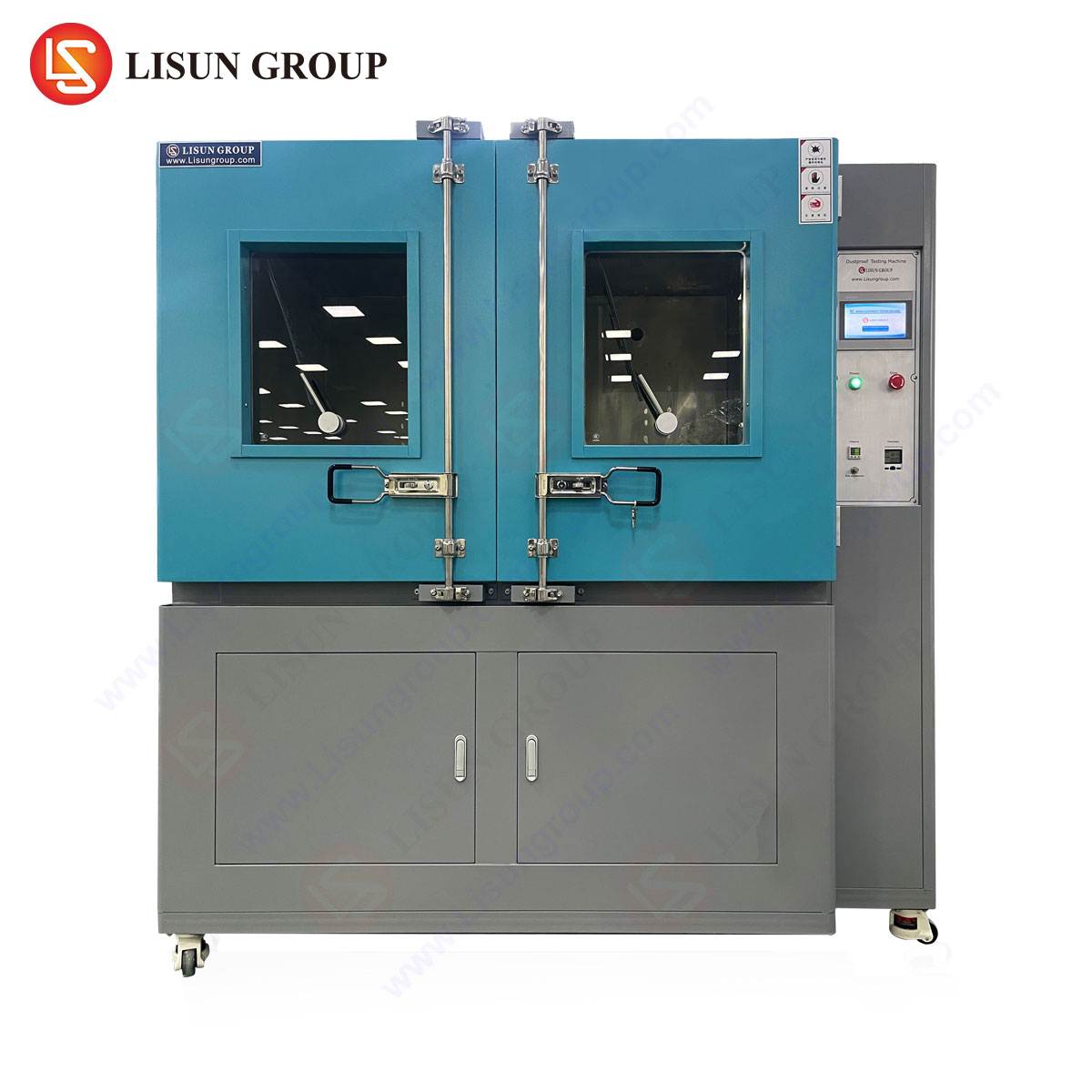
The verification of the first characteristic numeral “5” (dust-protected) follows a prescribed procedure. The test employs talcum powder, a fine dust with a prescribed particle size distribution, circulated within a dust test chamber. The equipment under test (EUT) is placed inside this chamber, which creates a partial vacuum relative to the external atmosphere. For the IP5X test, the internal vacuum is maintained at 0.2 kPa (20 mbar) below ambient pressure for a duration specified by the relevant product standard, typically 2 or 8 hours. This pressure differential encourages the inward flow of air, and any potential path for dust ingress is exploited. Following the test, the enclosure is inspected internally. The criterion for passing is that the amount of dust accumulated must not be sufficient to interfere with normal operation or compromise safety. This test is particularly relevant for components like industrial control system cabinets, automotive electronic control units (ECUs) in engine bays, and outdoor telecommunications equipment housings, where abrasive or conductive dust could cause short circuits, mechanical blockage, or accelerated wear.
Validating Protection Against Water Splash (Second Digit: 4)
The test for the second characteristic numeral “4” (water splash) is conducted using a oscillating tube or spray nozzle apparatus defined by the standard. The nozzle is designed to deliver water at a flow rate of 0.07 liters per minute per hole, at a pressure of approximately 80-100 kN/m². The test setup involves mounting the EUT on a turntable, which rotates at 1 revolution per 12 seconds. The oscillating spray head, or a series of fixed nozzles, directs water onto the enclosure from all conceivable directions for a minimum of 10 minutes. The total test duration is typically divided into periods to ensure comprehensive coverage. Post-test evaluation involves a thorough examination for water ingress. The standard allows for the ingress of water, but only under the strict condition that it produces no harmful effects. This means water may enter non-critical areas, but it must not reach live parts, accumulate in quantities that could interfere with insulation, or collect in positions that would lead to corrosion or other degradation. This level is ideal for household appliances near sinks, lighting fixtures in covered outdoor areas, and office equipment in environments where liquid spills are a possibility.
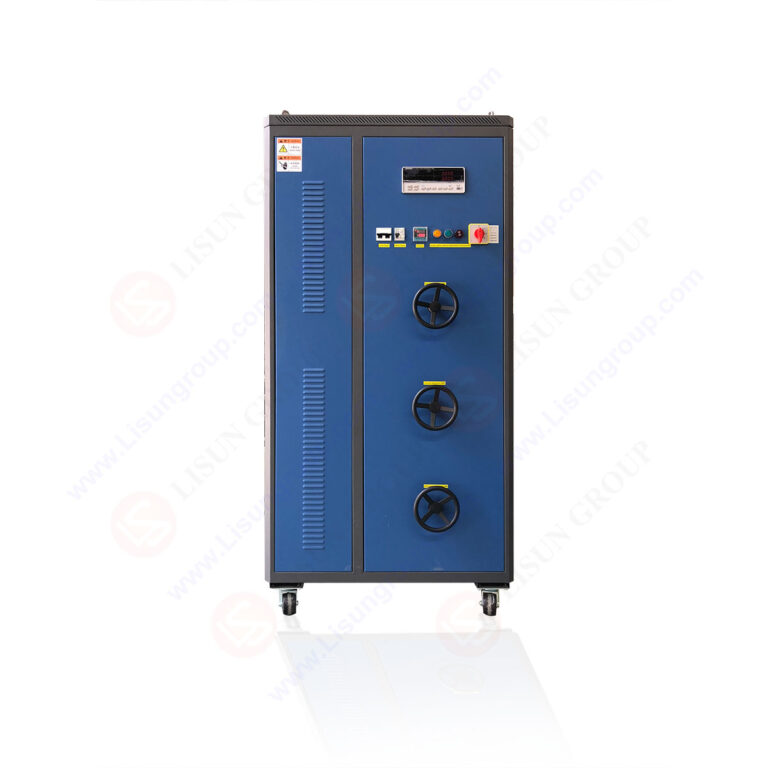
The Critical Role of Specialized Testing Equipment: The LISUN JL-XC Series
Accurate, repeatable, and standards-compliant IP testing cannot be achieved with ad-hoc methods. It requires precisely engineered instrumentation that replicates the conditions mandated by IEC 60529 and its derivative standards (e.g., GB 4208, ISO 20653). The LISUN JL-XC Series Waterproof Test Equipment represents a sophisticated solution engineered for this exact purpose. This series is designed to perform a comprehensive range of IP tests, from IPX1 to IPX9K, with modular configurations to suit specific testing requirements, including the IPX4 splash test critical for validating an IP54 rating.
The core principle of the JL-XC Series involves a closed-loop, precision-controlled system. A high-quality stainless steel water tank, pump, and pressure regulation system ensure a consistent and calibrated water flow and pressure to the test nozzles. For IPX4 testing, the equipment integrates the standardized oscillating tube assembly or a calibrated spray grid. The EUT is placed within a test chamber, and the apparatus administers the water spray according to the exact spatial and temporal parameters required. Advanced models feature programmable logic controller (PLC) systems with touch-screen human-machine interfaces (HMIs), allowing operators to pre-set test standards, durations, and motions, thereby eliminating human error and ensuring strict procedural adherence.
Specifications & Competitive Advantages: The JL-XC Series distinguishes itself through several key engineering features. Its construction from corrosion-resistant stainless steel ensures long-term durability and prevents contamination of the test water, which is vital for repeatable results. The precision-machined test nozzles are certified to deliver the exact spray pattern and droplet size distribution stipulated by the standards. Furthermore, its modular design allows laboratories to configure a single system for multiple IP ratings (e.g., from IPX4 to IPX6), optimizing capital expenditure and laboratory footprint. This flexibility, combined with rigorous calibration traceability to national standards, provides manufacturers in highly regulated fields—such as medical devices, automotive electronics, and aerospace components—with the defensible data required for product certification and liability mitigation.
Industry Applications and Compliance Imperatives
The IP54 rating finds application in a vast array of sectors where equipment must withstand non-harsh but present environmental challenges.
- Electrical & Electronic Equipment / Industrial Control Systems: Enclosures for programmable logic controllers (PLCs), motor drives, and sensor hubs on factory floors require protection from airborne dust generated by machining and from incidental water splash during cleaning operations.
- Automotive Electronics: Components mounted in vehicle door panels, under dashboards, or in non-pressurized areas of the engine compartment may be specified as IP54 to guard against road dust and water splash from puddles or wet roads.
- Lighting Fixtures: Luminaires installed in covered outdoor walkways, parking garages, or indoor pool areas benefit from IP54 protection against humid, dusty air and directional water splash.
- Telecommunications Equipment: Outdoor-mounted network interface devices, junction boxes, and some antenna enclosures use IP54 to ensure reliability against rain and dust.
- Medical Devices: Non-invasive patient monitoring equipment, mobile diagnostic carts, and devices used in clinical environments must be protected from accidental spills of liquids and general particulate contamination.
- Consumer Electronics & Office Equipment: High-end televisions, audio equipment, and professional printers in environments where dust control or minor liquid exposure is a concern may incorporate IP54-rated enclosures or internal assemblies.
Compliance is not merely a marketing exercise; it is often a contractual and regulatory necessity. Products destined for the European Union must demonstrate conformity with relevant directives, frequently requiring IP testing as part of the evidence suite. In aerospace, standards like DO-160 include water resistance tests analogous to IP ratings. Therefore, the data generated by equipment like the LISUN JL-XC Series forms an integral part of the technical documentation required for market access and liability insurance.
Methodological Considerations and Testing Limitations
It is paramount to recognize that an IP rating is awarded based on a specific test on a sample unit under controlled laboratory conditions. It does not constitute a guarantee of lifetime performance in the field. Factors such as material degradation (e.g., seal hardening, plastic embrittlement from UV exposure), mechanical wear from vibration, and damage during installation can compromise the rated protection over time. Furthermore, the IP code does not account for other environmental factors like corrosion, mechanical impact (IK code), or condensation resistance. For instance, an IP54-rated automotive switch may resist splash but could fail if exposed to constant high-pressure washdowns (IPX6) or corrosive de-icing fluids. Therefore, the rating should be applied as one critical parameter within a holistic environmental robustness strategy, informed by the expected lifecycle conditions of the product.
Conclusion: The Integral Role of Precise Verification
The IP54 standard provides a clear, quantifiable benchmark for a specific level of environmental protection. Its value is entirely dependent on the accuracy and integrity of the testing process used to verify it. As product complexity increases and industries demand higher reliability in diverse environments, the role of advanced, compliant test equipment becomes ever more central. Systems like the LISUN JL-XC Series enable manufacturers to move beyond assumption and into the realm of empirical validation, ensuring that the “54” marked on an enclosure is a statement of proven performance, not just an aspiration. This rigorous approach to verification underpins product quality, safety, and longevity across the global technological landscape.
Frequently Asked Questions (FAQ)
Q1: Can the LISUN JL-XC Series test for both IPX4 and higher ratings like IPX6 or IPX7 on the same unit?
A1: Yes, the modular design of the JL-XC Series is a key feature. It can be configured with interchangeable nozzle sets and chamber arrangements. A standard configuration might include the oscillating tube for IPX3/IPX4 and a separate, more powerful spray nozzle assembly for IPX5/IPX6 testing. Some configurations also allow for immersion testing (IPX7/IPX8) with a separate tank accessory, making it a comprehensive solution for a wide range of IP validation needs.
Q2: How often should the test nozzles on equipment like the JL-XC Series be calibrated, and what is the process?
A2: Calibration frequency depends on usage intensity and quality system requirements (e.g., ISO 17025), but an annual calibration is a common industry practice. The process involves using specialized flow meters and patternators to measure the water flow rate, pressure, and spray distribution from each nozzle against the tolerances specified in IEC 60529. LISUN provides calibration services and certification traceable to national standards to ensure ongoing compliance.
Q3: When testing a device for IP54, must the tests be performed in a specific order?
A3: The standards generally do not prescribe a mandatory sequence for the dust and water tests. However, a logical and commonly adopted practice is to perform the dust test (IP5X) first, followed by the water splash test (IPX4). This sequence can reveal if dust ingress during the first test creates pathways for water during the second, which is a more representative simulation of real-world conditions where dust accumulation precedes exposure to moisture.
Q4: For an IP54-rated medical device enclosure with a cooling fan vent, how is the test conducted?
A4: The device is tested in its operational state as intended by the manufacturer. If the cooling fan is active during normal use, it would be active during the test. The partial vacuum in the dust chamber and the water spray would be applied with the fan running. This tests the real-world efficacy of any labyrinth seals or filtered vents designed to allow airflow while blocking ingress. The test report must document the operational status of the unit during testing.
Q5: What constitutes “harmful effects” from water ingress in an IPX4 test?
A5: The term is deliberately broad to cover various failure modes. It includes water contact with live parts that could cause a short circuit or reduce creepage/clearance distances below safe limits, accumulation of water that could lead to corrosion of critical components, penetration of water into insulated windings, or any ingress that would cause the equipment to fail its post-test dielectric strength verification or functional check. The judgment is based on safety and operational integrity, not merely the presence of moisture.