




Understanding IPX3 Testing Standards: A Technical Analysis of Spray Water Protection for Electrical Enclosures
Introduction to Ingress Protection (IP) Codification
The International Electrotechnical Commission (IEC) standard 60529, “Degrees of protection provided by enclosures (IP Code),” establishes a globally recognized classification system for quantifying the effectiveness of enclosures in protecting electrical equipment against the intrusion of solid foreign objects and water. This codification provides a concise, standardized method for manufacturers to specify and for users to understand the environmental resilience of a product. The IP code consists of the letters “IP” followed by two characteristic numerals. The first numeral, ranging from 0 to 6, denotes protection against solid particle ingress. The second numeral, from 0 to 9K, defines the level of protection against harmful effects due to water ingress. It is this second digit that is the focus of the IPX3 classification, a critical benchmark for equipment designed to withstand water spray from specific angles.
Defining the IPX3 Classification: Scope and Limitations
The IPX3 rating is formally defined as protection against “spraying water.” The “X” placeholder for the first digit indicates that the standard is not specifying a level of protection against solids; it may be determined separately or be irrelevant for the test. The specific requirements for achieving an IPX3 rating are precisely delineated in IEC 60529. The enclosure must withstand water sprayed at an angle up to 60 degrees from the vertical from both sides, or from a swinging tube fixture, without the ingress of water resulting in harmful effects. The test duration is a minimum of 5 minutes per square meter of the test sample’s surface area, with a minimum total test time of 5 minutes. The water flow rate is calibrated to 10 liters per minute, and the water pressure is adjusted to achieve this flow. The oscillating tube method utilizes a spray nozzle with a 0.4mm diameter hole, oscillating through an angle of 60 degrees on each side of vertical, completing one full cycle (120 degrees) approximately every 4 seconds.
It is imperative to understand the limitations of the IPX3 rating. It is not equivalent to protection against direct, high-pressure jets (IPX5/IPX6) or immersion (IPX7/IPX8). Its domain is specifically low-pressure, oscillating sprays, simulating conditions such as rain falling at an angle driven by wind. For equipment like outdoor lighting fixtures, automotive exterior electronics, or certain types of industrial control panels installed in sheltered outdoor areas, an IPX3 rating provides a quantified assurance of resilience against typical weather-driven precipitation.
The Physics and Methodology of IPX3 Testing
The efficacy of IPX3 testing hinges on the controlled simulation of angled rainfall. The test apparatus, whether a handheld spray nozzle mounted on a fixture or a dedicated oscillating tube rig, must produce a consistent spray pattern. The droplet size and impact energy are critical, though less aggressive than those for higher IP ratings. The test is conducted with the equipment in its normal operating position, and for the oscillating tube method, the sample is placed on a turntable to ensure all relevant surfaces are exposed to the spray. The distance from the nozzle to the sample is typically 200 to 300 mm, depending on the specific test apparatus used.
Post-test evaluation is as crucial as the test itself. Following the exposure period, the enclosure is opened and inspected internally for traces of water ingress. The standard specifies that water which enters the enclosure shall have no harmful effect. Harmful effect is typically interpreted as water contacting live parts, insulating parts that could become electrically unsafe, or accumulation in areas that could impair functional operation, such as on printed circuit boards (PCBs) or optical components. A simple visual inspection for droplets is often insufficient; functional testing of the equipment is usually required to confirm no degradation in performance or safety.
Industry Applications and Compliance Imperatives
Compliance with IPX3 is a non-negotiable requirement across a diverse spectrum of industries where equipment is exposed to non-vertical precipitation. In the Automotive Electronics sector, components such as exterior door control units, under-hood sensors not directly in the spray path of wheels, and certain telematics control units may specify IPX3 to ensure reliability during driving rain. Lighting Fixtures for covered walkways, building facades, or outdoor canopies frequently target IPX3, as they are shielded from direct overhead rain but subject to wind-blown spray.
For Household Appliances like outdoor-rated audio equipment, certain kitchen appliance displays, or bathroom accessories not directly in a shower spray, IPX3 provides adequate protection. Telecommunications Equipment, including certain outdoor-mounted network interface devices or ventilated street cabinet electronics, rely on this rating. In Industrial Control Systems, panels located in semi-protected areas of a factory or on the periphery of processing plants may be specified as IPX3 to guard against ambient moisture and incidental spray from cleaning operations. Electrical Components such as switches and sockets designed for covered outdoor use, and Office Equipment like printers or scanners in environments with potential for accidental liquid spillage from a distance, also utilize this standard.
The Role of Precision Testing Equipment: LISUN JL-3C Series Waterproof Test Chamber
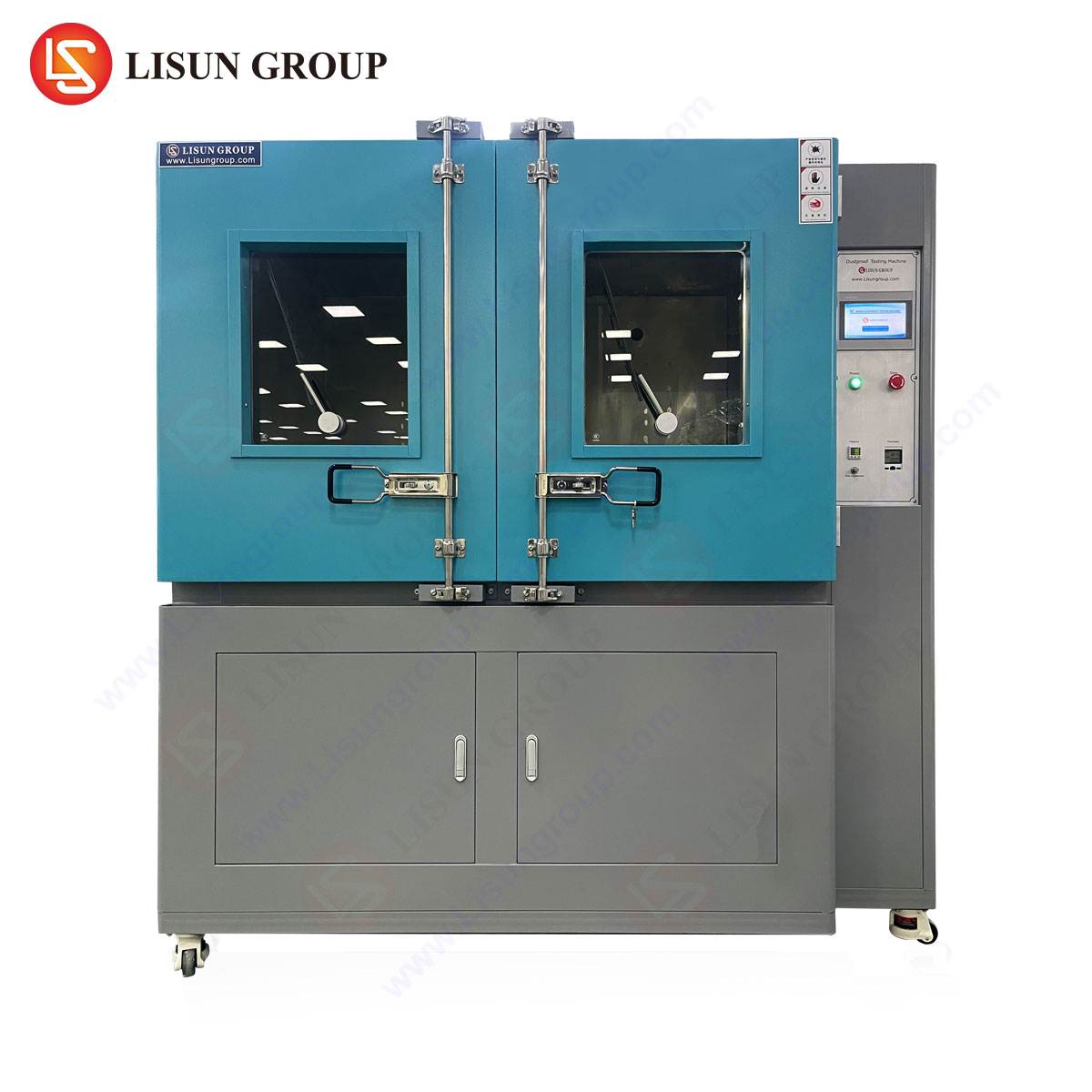
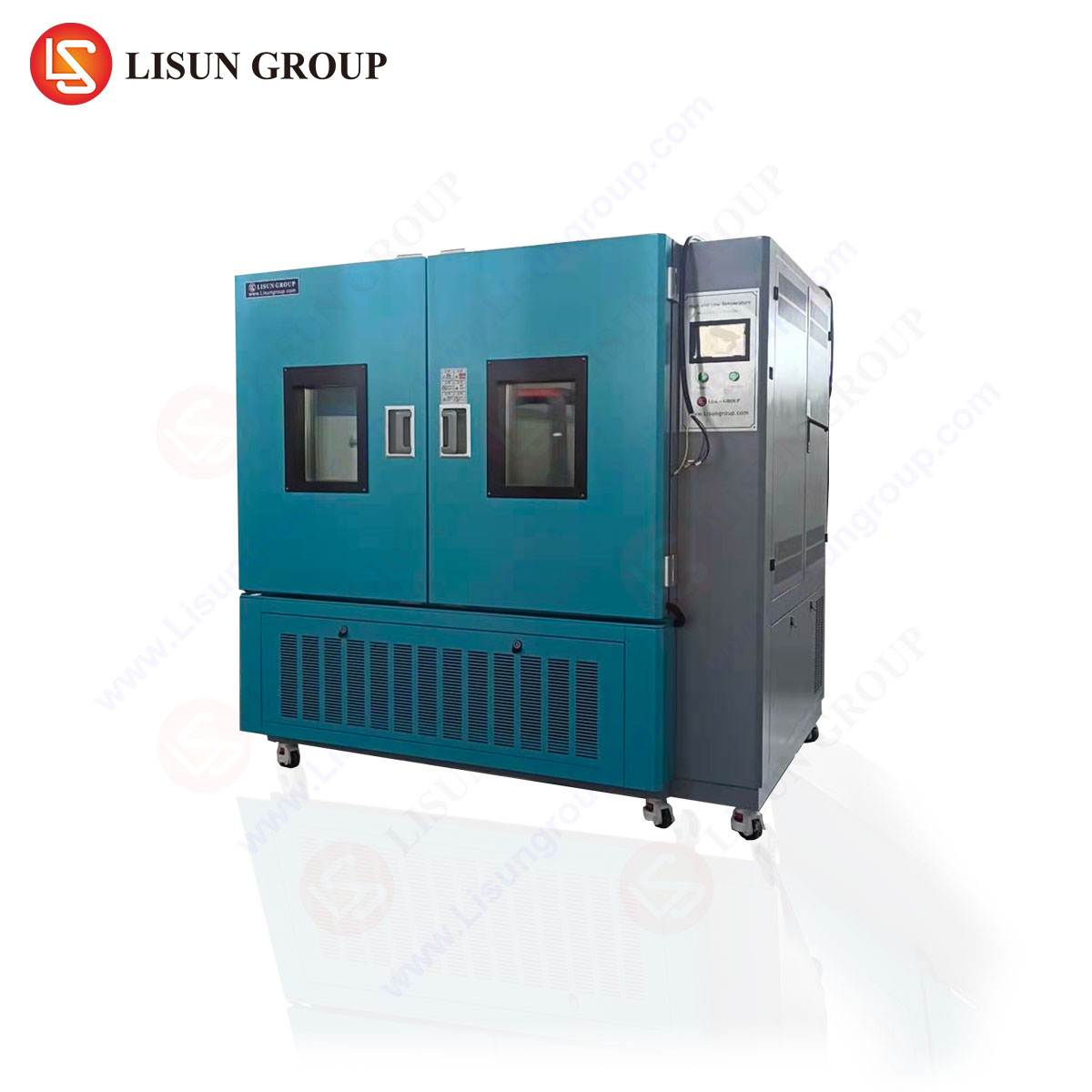
Achieving reliable, repeatable, and standards-compliant IPX3 verification necessitates specialized laboratory instrumentation. Manual testing with improvised setups introduces unacceptable variables in water pressure, flow rate, spray angle consistency, and test duration. Dedicated test chambers automate and calibrate these parameters. The LISUN JL-3C Series Waterproof Test Chamber is engineered specifically to address the rigorous demands of IEC 60529 for IPX3 through IPX6 testing.
The chamber’s core testing principle for IPX3 involves a precisely machined oscillating spray tube. A high-precision pump and pressure regulation system maintain the exact flow rate of 10 L/min at the required pressure. The spray tube, containing a pattern of 0.4mm holes, is driven by a servo motor to oscillate through the mandated 60° arc on either side of vertical at a controlled, repeatable speed. The test sample is mounted on a motorized turntable within the test chamber, which rotates at approximately 5 revolutions per minute to ensure uniform exposure from all horizontal directions. This dual-motion system—oscillating spray and rotating sample—guarantees comprehensive coverage as per the standard’s specifications.
Technical Specifications and Operational Advantages of the JL-3C
The LISUN JL-3C is defined by a set of robust technical specifications designed for laboratory durability and accuracy. Its internal test chamber is constructed from high-grade stainless steel (SUS304) to resist corrosion from constant water exposure. The clear acrylic viewing door allows for real-time observation of the test process. The control system is typically a programmable logic controller (PLC) with a touch-screen human-machine interface (HMI), allowing technicians to pre-set test parameters (IP rating, test duration) with ease. Critical specifications include:
- Oscillation Angle: Precisely adjustable to 60° (for IPX3) or 180° (for IPX4), with automatic locking.
- Turntable Speed: Adjustable, compliant with the standard’s recommended speed.
- Water Flow Control: Digital flow meter and precision valve for accurate calibration to 10 L/min (±5%).
- Test Duration: Programmable from 1 second to 999 hours, 59 minutes, with automatic termination.
The competitive advantages of such a system are multifold. First, it ensures standard compliance, eliminating human error in spray angle, distance, and flow rate. Second, it provides exceptional repeatability and reproducibility, essential for quality assurance audits and comparative product development testing. Third, its automated operation increases laboratory throughput and frees skilled technicians for analytical work. Finally, its modular design often allows for upgrade kits to perform higher IP rating tests (e.g., IPX5/6 jet tests), protecting capital investment.
Case Study: Validating Automotive Side-Mirror Assembly Resilience
Consider the development cycle of an integrated automotive side-mirror assembly housing a turn signal, puddle lamp, and blind-spot detection radar. The assembly is exposed to road spray and driving rain but is not subject to high-pressure car wash jets (which would require IPX5). The manufacturer must validate an IPX3 rating.
Using the LISUN JL-3C, the assembly is mounted on the turntable in its production-installed orientation. The IPX3 test program is selected. For 10 minutes (exceeding the minimum based on surface area calculation), the assembly is subjected to the oscillating spray while slowly rotating. Post-test, the unit is functionally tested: the lights are activated, and the radar’s signal integrity is verified via a diagnostic scan. A subsequent teardown reveals no moisture ingress on the internal PCB connectors. This data provides the empirical evidence required for the component’s datasheet and for submission to automotive OEM quality teams, de-risking the design and preventing field failures.
Beyond IPX3: The Testing Hierarchy and Correlated Standards
IPX3 exists within a hierarchy of liquid ingress tests. It is less severe than the IPX4 (splashing from all directions) test, which uses a similar oscillating tube but with a 180° arc, and significantly less severe than the IPX5/6 jet tests. It is distinct from drip tests (IPX1/2) and immersion tests. Correlated standards often reference IP ratings. For example, the IEC 60601-1 standard for Medical Devices may specify an IP rating for equipment used in environments where spills are possible. Similarly, aerospace standards (e.g., certain RTCA/DO-160 sections for Aerospace and Aviation Components) define water resistance tests that are conceptually aligned with, though not identical to, the IP code. Understanding where IPX3 fits within this continuum is vital for correct specification.
Conclusion
The IPX3 rating is a precisely defined, scientifically grounded benchmark for protection against sprayed water. Its value lies in its specificity, providing a common language for manufacturers, engineers, and procurement specialists across the electrical and electronic industries. Reliable certification to this standard, however, is contingent upon the use of calibrated, automated test equipment like the LISUN JL-3C Series Waterproof Test Chamber. Such instrumentation transforms the subjective assessment of “water resistance” into an objective, quantifiable, and repeatable engineering metric, thereby enhancing product reliability, ensuring user safety, and fulfilling regulatory and contractual obligations across global markets.
FAQ Section
Q1: Can the LISUN JL-3C test for both IPX3 and IPX4 ratings?
Yes, the JL-3C is designed for this specific range. The oscillating spray tube’s arc is adjustable. For IPX3, it is set to 60° from vertical. For IPX4 (“splashing water from all directions”), the arc is increased to 180°, or nearly a full half-circle oscillation, while maintaining the same flow rate fundamentals. The control system allows for pre-set programs for each standard test.
Q2: How is the test duration for a specific product determined in the JL-3C?
The IEC 60529 standard dictates the duration. It is a minimum of 5 minutes per square meter of the test sample’s calculated surface area, with an absolute minimum of 5 minutes. The technician inputs the total required test time into the JL-3C’s PLC controller. The chamber will automatically run the oscillating spray and turntable for precisely that duration.
Q3: What is the required water quality for testing, and how does the JL-3C manage water?
IEC 60529 specifies clean water. To prevent nozzle clogging and mineral deposit buildup on samples, deionized or demineralized water is strongly recommended. The JL-3C chamber includes a water reservoir and a filtration/re-circulation system. This system pumps water from the reservoir through a filter to the spray nozzle, and the runoff from the test is collected, filtered, and returned to the reservoir, ensuring efficient water use and consistent water quality throughout the test cycle.
Q4: For a product with multiple potential mounting orientations, how is the correct test position chosen?
The standard requires testing in the “normal use” position as intended by the manufacturer. If the product is designed to be used in multiple fixed orientations (e.g., a sensor that can be wall-mounted or ceiling-mounted), it should be tested in the position deemed most severe for water ingress. If it is intended to be used in any orientation during service, the manufacturer must define a test protocol, often involving testing in multiple fixed positions or a special fixture. The JL-3C’s turntable and adjustable sample mounting frame facilitate these complex setup requirements.