




Understanding IPX5 and IPX6 Water Spray Test Chambers: Principles, Applications, and Implementation
Defining the Ingress Protection (IP) Code for Water Jets
The Ingress Protection (IP) code, as defined by international standards such as IEC 60529, provides a systematic classification for the degrees of protection offered by enclosures against the intrusion of solid foreign objects and water. The designations IPX5 and IPX6 specifically address protection against water jets, a critical consideration for equipment exposed to harsh environmental conditions. The ‘X’ placeholder indicates that protection against solids is not specified in this context. An IPX5 rating certifies that an enclosure can withstand water jets from a nozzle with a 6.3mm diameter, delivering 12.5 liters per minute at a pressure of approximately 30 kPa from a distance of 3 meters for a minimum of 3 minutes. An IPX6 rating represents a more severe test, utilizing a 12.5mm nozzle to deliver 100 liters per minute at a pressure of 100 kPa from a distance of 3 meters for a minimum of 3 minutes. These tests simulate conditions such as heavy rain, water spray from cleaning processes, or waves impacting equipment on marine vessels.
The Operational Mechanics of a Spray Test Chamber
A dedicated IPX5/IPX6 water spray test chamber is engineered to create a controlled, reproducible, and standards-compliant testing environment. The core system comprises several integrated subsystems. A high-pressure pump and piping network generate and regulate the required water flow and pressure. Precision-calibrated nozzles, conforming to the exact dimensional specifications of the standard, are mounted on a oscillating mechanism or a fixed manifold to ensure comprehensive coverage of the test specimen. The test chamber itself is a sealed enclosure, typically constructed from stainless steel or corrosion-resistant polymers, featuring a transparent viewing window, internal lighting, and a specimen table that can often rotate to expose all surfaces to the spray. Sophisticated electronic controls govern test parameters—duration, water pressure, flow rate, and oscillation cycle—while sensors provide real-time monitoring and data logging for audit trails. Proper water filtration and conditioning are essential to prevent nozzle clogging and ensure test consistency.
Distinguishing Between IPX5 and IPX6 Test Parameters
While both tests evaluate resistance to powerful water jets, the quantitative differences in their parameters define distinct levels of severity. The key differential factor is the kinetic energy of the water jet, which is a function of both flow rate and pressure. The IPX6 test’s 100 L/min flow rate at 100 kPa imposes a significantly greater hydraulic load and mechanical force on an enclosure than the IPX5 test’s 12.5 L/min at 30 kPa. This distinction is not merely linear; the eightfold increase in flow rate combined with the tripling of pressure results in a substantially more punishing test. Consequently, a product passing IPX6 is inherently qualified for IPX5 conditions, but the converse is not true. Engineers must carefully assess the intended use environment—for instance, IPX5 may suffice for a household garden light exposed to sprinklers, while an IPX6-rated junction box is mandated for the wheel well of a commercial vehicle subjected to high-pressure road spray.
The Critical Role in Product Development and Validation
Integrating IPX5/IPX6 testing into the product development lifecycle is a proactive engineering imperative, not a final-stage compliance check. During the design phase, testing identifies vulnerabilities in sealing methodologies, gasket design, cable entry points, and housing seams. Early validation prevents costly redesigns post-tooling. In the production phase, periodic batch testing serves as a critical quality control measure, ensuring manufacturing consistency in assembly processes, such as screw torque on enclosures or the correct application of potting compounds. For safety-critical components in Automotive Electronics (e.g., battery management systems, sensor clusters) and Medical Devices (outdoor patient monitors, handheld diagnostics), this validation is non-negotiable. It provides empirical evidence that the product will perform reliably when exposed to real-world conditions, thereby reducing field failure rates, mitigating safety risks, and protecting brand reputation.
Industry-Specific Applications and Compliance Requirements
The application of IPX5/IPX6 testing spans virtually every sector where electronics interface with the environment. In Electrical and Electronic Equipment and Industrial Control Systems, panel-mounted devices and PLCs in food processing plants must withstand routine high-pressure washdowns. Telecommunications Equipment, such as 5G small cells and outdoor broadband units, require robust protection against driving rain. Lighting Fixtures for stadiums, architectural facades, and marine docks are prime candidates for this testing. Aerospace and Aviation Components on aircraft exteriors must endure jet blast and heavy precipitation during ground operations. Even Office Equipment and Consumer Electronics, like ruggedized laptops and outdoor smart speakers, leverage these ratings to guarantee durability. Compliance is often mandated by sector-specific standards that reference IEC 60529, such as certain sections of ISO 20653 for road vehicles or MIL-STD-810G for military equipment.
Introducing the LISUN JL-56 Waterproof Test Chamber
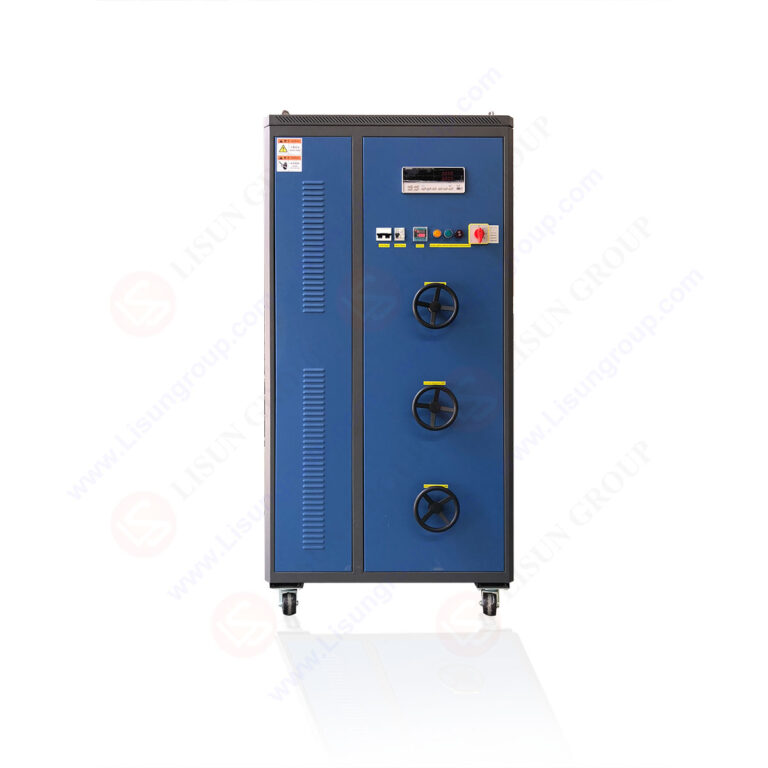
The LISUN JL-56 Waterproof Test Chamber represents a specialized apparatus engineered for precise and reliable execution of IPX5 and IPX6 tests, alongside other IP code water tests (IPX1 to IPX4). It is designed to meet the rigorous demands of certification laboratories and high-volume manufacturing QA departments.
Specifications and Testing Principles:
The JL-56 features a compact yet robust stainless steel chamber with a large tempered glass viewing window. Its core capability lies in its integrated nozzle system and precision pump control. For IPX5 testing, the unit employs a standard 6.3mm nozzle, with the pump modulating to maintain the required 12.5 L/min ±5% flow rate. For IPX6, it switches to a 12.5mm nozzle, achieving the 100 L/min ±5% flow at the specified pressure. The test sample is placed on a motorized rotary table, which rotates at an adjustable speed (typically 1-5 RPM) to ensure uniform exposure from all angles. The control system is a programmable logic controller (PLC) interface with a touchscreen HMI, allowing for pre-set test programs, real-time monitoring of pressure/flow/time, and automatic test termination.
Industry Use Cases:
The JL-56 is deployed across the previously mentioned industries. A Household Appliance manufacturer may use it to validate the seal of a new blender’s control panel against kitchen cleaning sprays. An Automotive Electronics supplier tests waterproof connectors and Electrical Components like switches for door modules. A producer of Lighting Fixtures for subway tunnels certifies their luminaires against IPX6 conditions simulating tunnel wash systems.
Competitive Advantages:
The JL-56 distinguishes itself through several key features. Its all-stainless-steel construction ensures long-term corrosion resistance. The precision-machined, calibrated nozzles guarantee compliance with the geometric tolerances of IEC 60529. The integrated design combines IPX1-IPX6 capabilities in a single footprint, offering laboratories exceptional versatility. Furthermore, its PLC-based control system provides superior stability and repeatability compared to simpler timer-based systems, and includes data logging functionality essential for audit compliance.
Interpreting Test Results and Failure Analysis
A successful test concludes with no observed ingress of water into the enclosure to a degree that would interfere with normal operation or impair safety. Following the test, the specimen is inspected internally for traces of moisture. Failure, indicated by the presence of water inside, necessitates a systematic root-cause analysis. Common failure points include compromised static seals (O-rings, gaskets), dynamic seals around buttons or actuators, inadequate sealing at cable glands or connectors, microscopic porosity in cast enclosures, or stress cracks induced by the water pressure’s mechanical force. Metallurgical analysis of welds or microscopic inspection of adhesive bonds may be required. The findings directly inform corrective actions, such as redesigning seal grooves, specifying higher-durometer elastomers, adding drainage paths, or modifying assembly procedures.
Integration with Broader Environmental Stress Screening
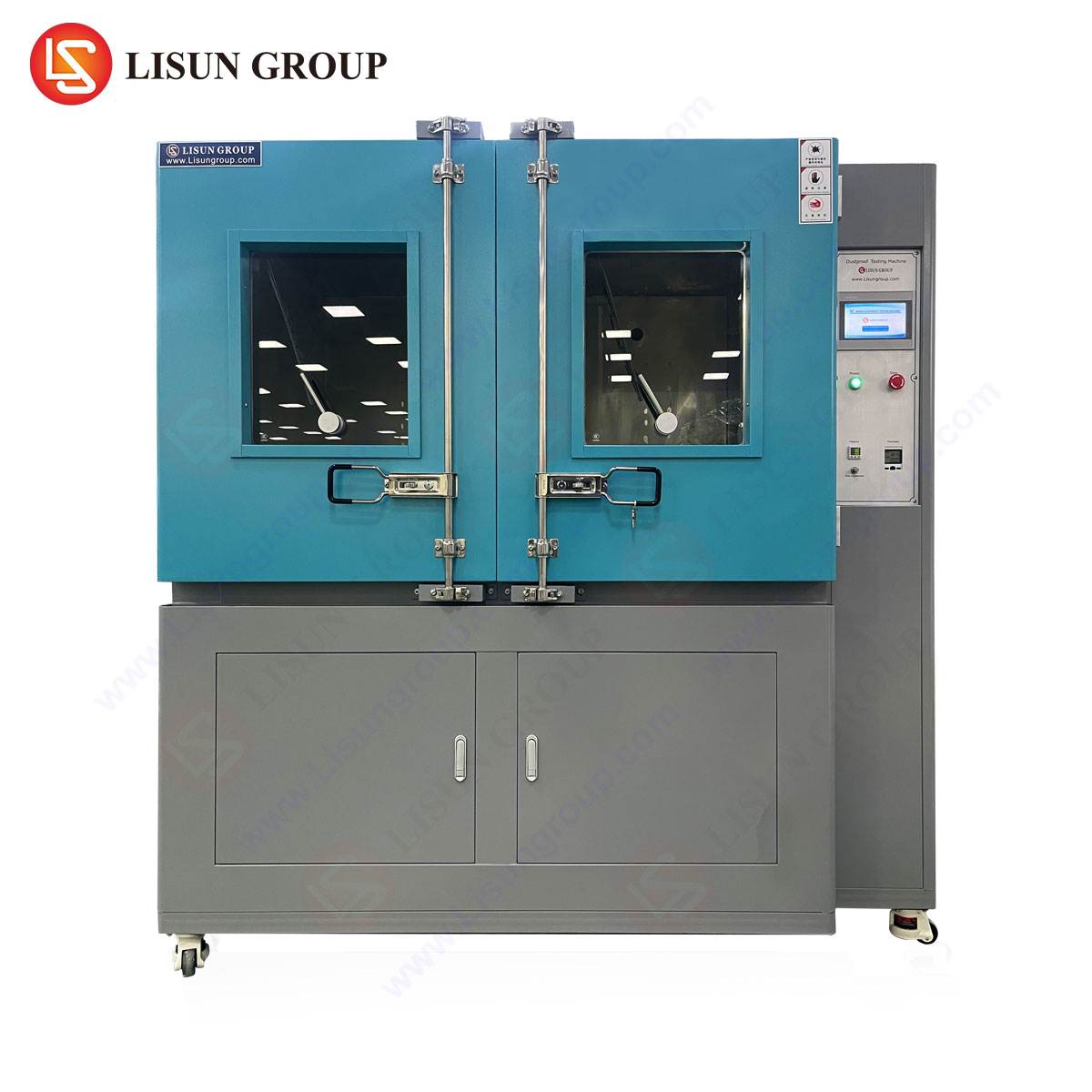
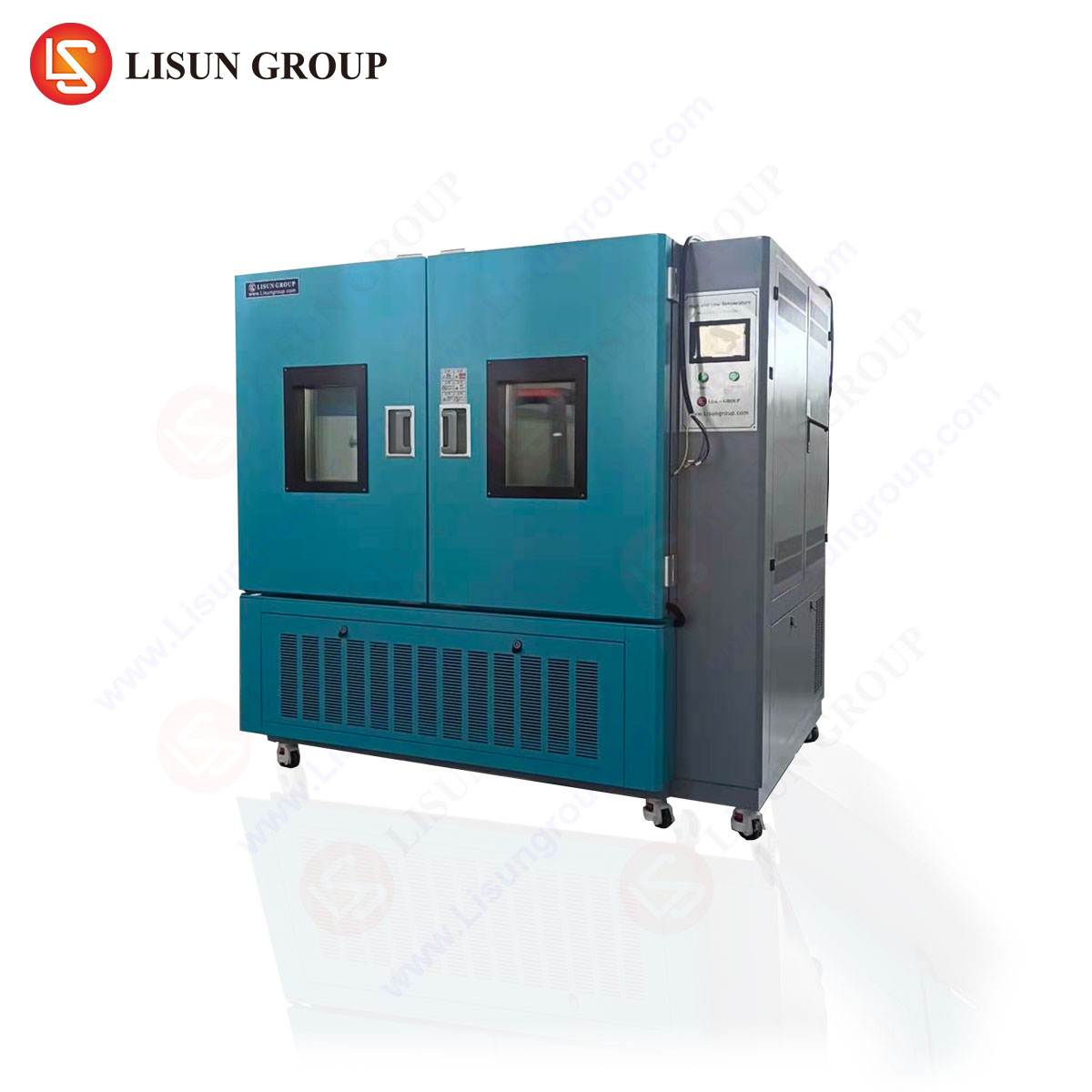
IPX5/IPX6 testing is rarely performed in isolation. It is frequently part of a sequential or combined environmental stress screening (ESS) regimen. A typical sequence might involve thermal cycling to stress seal materials, followed by vibration testing to simulate transport or operational stresses on mechanical joints, and culminating with the water spray test. This approach reveals failure modes that single-condition testing cannot. For example, a gasket may perform adequately when new but fail after thermal aging has reduced its elasticity. Combining dust (IP5X/IP6X) and water (IPX5/IPX6) tests in a chamber like the LISUN JL-56’s more advanced series counterparts can provide simultaneous or sequential testing for a complete IP65 or IP66 rating, offering a more efficient validation pathway.
Standards Evolution and Future Testing Considerations
The underlying principles of IEC 60529 remain stable, but application standards and testing methodologies continue to evolve. There is a growing emphasis on testing products under power and while operational, simulating real-use conditions more accurately. The rise of Consumer Electronics with liquid-detection circuits adds a layer of functional testing beyond mere physical ingress. Furthermore, the increasing complexity of products—such as Automotive Electronics with integrated cooling fins or vented battery enclosures that must balance ingress protection with thermal management—pushes the boundaries of traditional sealing strategies. Test chambers must correspondingly adapt, with capabilities for monitoring device functionality during the test and accommodating larger, more complex test specimens. The integration of automated pass/fail criteria based on internal humidity sensors or electrical continuity checks represents the next frontier in automated, high-throughput compliance testing.
Frequently Asked Questions (FAQ)
Q1: Can a single test session qualify a product for both IPX5 and IPX6 ratings?
Yes, but only if the IPX6 test is performed first and the product passes. The IPX6 test parameters are more severe than those for IPX5. According to IEC 60529, if a product is subjected to and passes the IPX6 test, it automatically meets the requirements for IPX5 and IPX4, provided the test conditions for the lower ratings are covered by the more severe test. A separate IPX5 test is unnecessary in this case.
Q2: What is the required water quality for testing in a chamber like the LISUN JL-56?
The standard specifies clean water. In practice, this means water should be filtered to remove particulates that could erode or clog the precision nozzles. Typically, a sediment filter is sufficient. For long-term chamber health and to prevent mineral buildup, using deionized or demineralized water is recommended, though not always explicitly required by the base standard. The chamber’s manual will provide specific guidance.
Q3: How is the test specimen prepared and evaluated after testing?
The specimen is typically set up in its normal operating orientation or as specified by the relevant product standard. After the test, external surfaces are gently wiped dry. The enclosure is then opened and inspected visually for any traces of water ingress. For a definitive pass, no water should have entered the interior in quantities that could cause harm. Some standards allow for incidental moisture that does not affect performance.
Q4: Does the LISUN JL-56 chamber require external water and drain connections?
Yes. The chamber requires a mains water supply connection, typically with a pressure regulator, to feed its internal pump system. It also must be connected to a suitable drain to handle the significant outflow of water during testing, especially for IPX6 (100 L/min). Proper drainage is crucial for safe and continuous operation.
Q5: For a product with multiple cable entries, are all required to be sealed during the test?
Generally, yes. The test evaluates the enclosure as it is intended to be used in the field. If the product is designed to have cables connected, the test should be performed with those cable entries properly sealed using the manufacturer’s specified cable glands or connectors. Blanking plugs are used for unused entries. The test validates the complete sealing solution as it will be installed.