




Understanding IPX6 Testing Standards: A Comprehensive Analysis of Methodology and Application
Introduction to Ingress Protection (IP) Ratings and the IPX6 Classification
The Ingress Protection (IP) rating system, codified under international standard IEC 60529, provides a systematic and universally recognized methodology for classifying the degree of protection offered by enclosures for electrical equipment against the intrusion of solid foreign objects and liquids. This classification is critical for product design, specification, and compliance across a multitude of industries. The alphanumeric code, typically expressed as “IP” followed by two characteristic numerals, conveys specific, test-validated information. The first digit (0-6) denotes protection against solids, while the second digit (0-9K) defines protection against liquids. An “X” is used when a characteristic is not specified or not tested.
The IPX6 rating occupies a significant position within this hierarchy. It signifies a product’s proven resilience against powerful water jets, a common environmental stressor in both industrial and consumer applications. Specifically, an IPX6-rated enclosure must withstand exposure to water projected in powerful jets (12.5 mm nozzle) from any direction without harmful ingress. This level of protection is distinct from and more severe than lower ratings like IPX4 (splashing) or IPX5 (water jets), yet it is a discrete test condition separate from the high-pressure, high-temperature jetting defined in IPX9K. Understanding the precise parameters, test apparatus, and procedural rigor of IPX6 testing is therefore essential for engineers, quality assurance professionals, and procurement specialists.
Defining the IPX6 Test Parameters and Procedural Protocol
The efficacy of the IPX6 standard stems from its precisely defined and repeatable test conditions. The standard mandates the use of a dedicated test nozzle with an internal diameter of 12.5 millimeters. The water jet is delivered at a flow rate of 100 liters per minute (±5%) and a pressure calibrated to achieve this flow. The test duration is rigorously set at 3 minutes per square meter of the enclosure’s surface area, with a minimum test time of 3 minutes. The distance from the nozzle to the enclosure under test is standardized at 2.5 to 3 meters, ensuring a consistent impact force.
The procedural protocol requires the enclosure to be subjected to the water jet from all practicable directions. In a laboratory setting, this is typically achieved by mounting the test sample on a rotating table or by manually manipulating the nozzle to cover all angles. The test is conducted with the equipment in its typical operating state, though it may be powered off unless otherwise specified by the product standard. Following the exposure, the enclosure is inspected for any ingress of water. The criteria for failure are clear: no water entry is permitted in quantities that could interfere with safe operation, impair insulation, or accumulate in live parts, moving components, or on insulated windings. Verification often involves a visual inspection, followed by functional testing and, if necessary, a dielectric strength test to confirm insulation integrity has not been compromised.
The Critical Role of Specialized Test Equipment: The LISUN JL-8 Waterproof Test Chamber
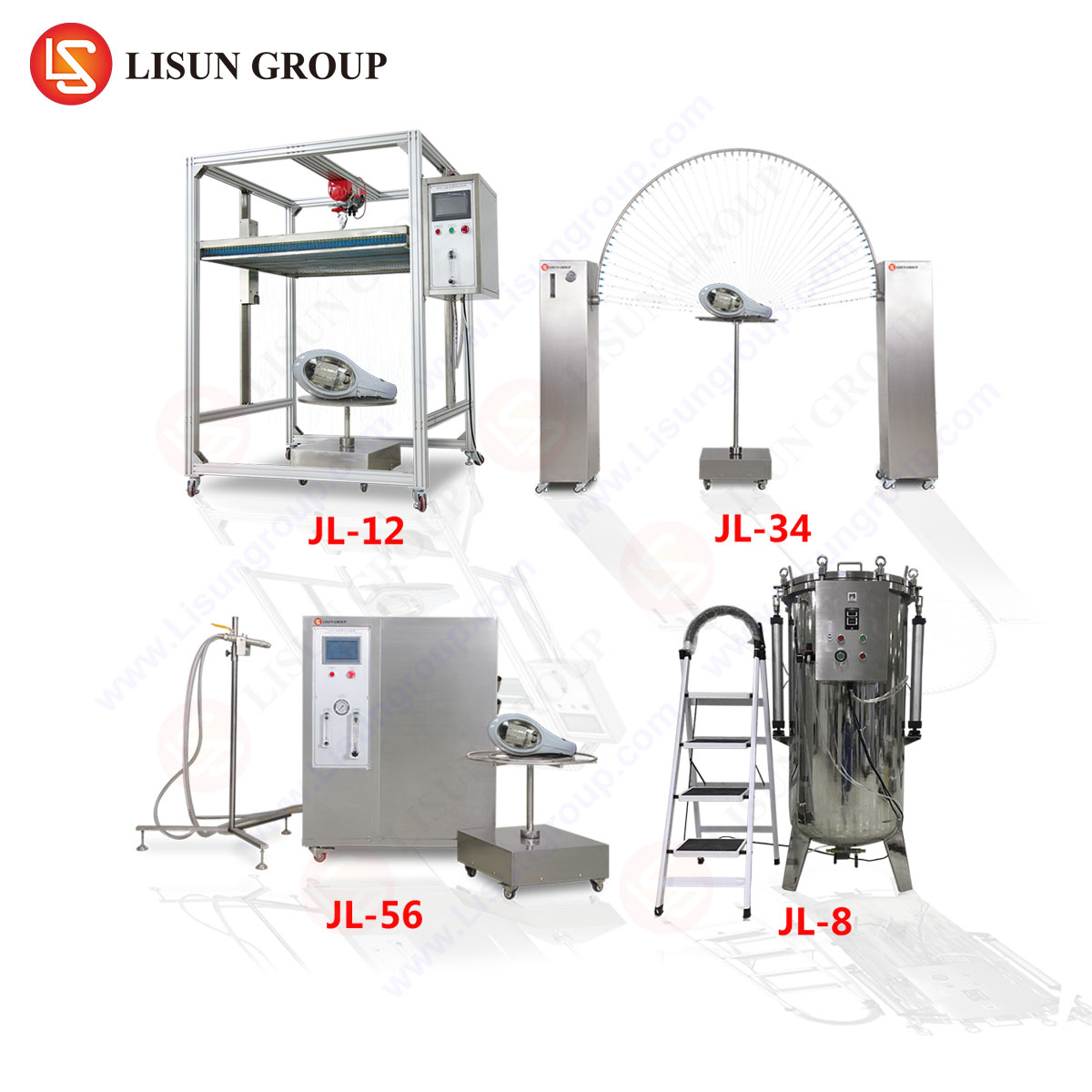
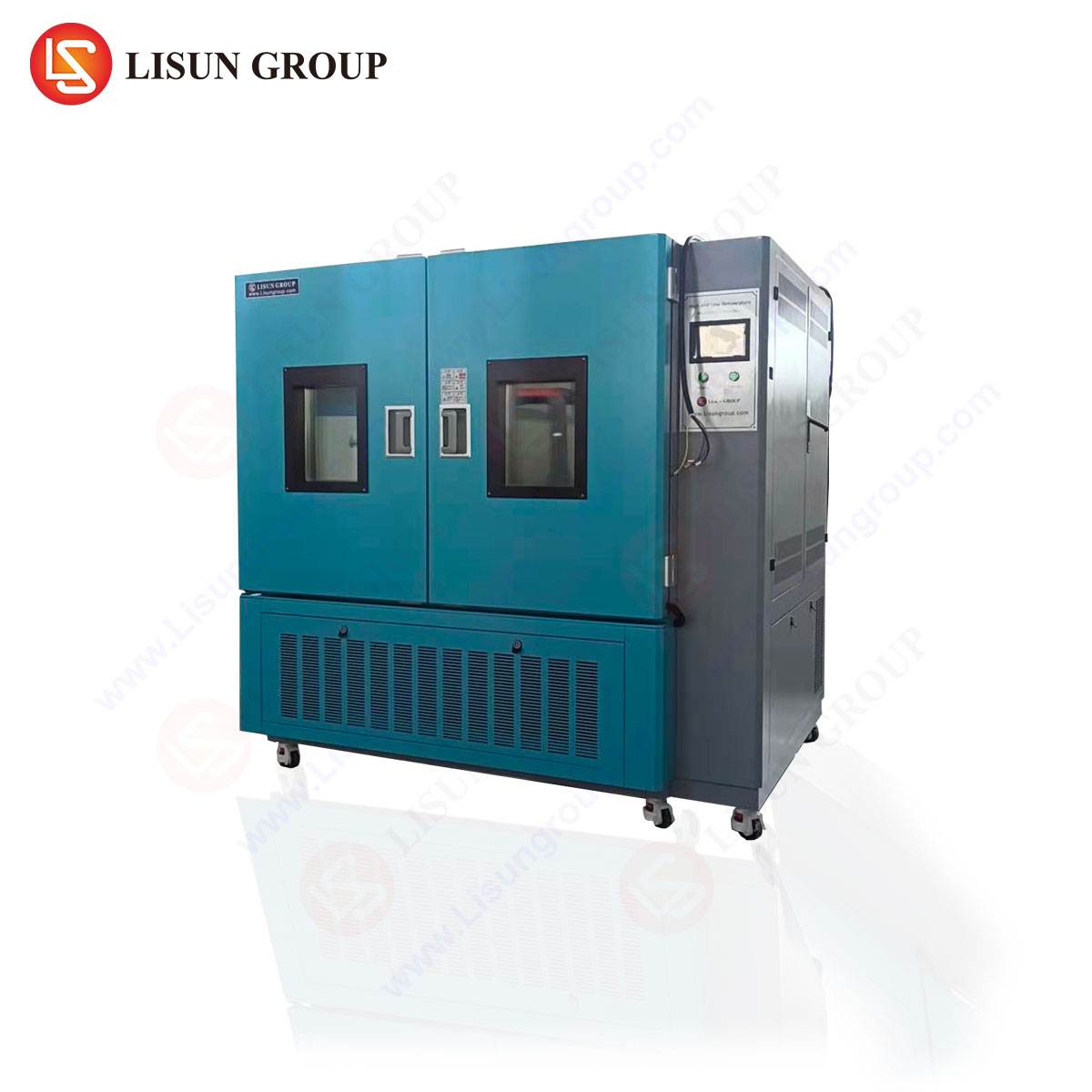
Accurate and compliant IPX6 testing cannot be performed with ad-hoc setups. It requires specialized, calibrated equipment designed to replicate the standard’s stringent conditions with high fidelity. The LISUN JL-8 Waterproof Test Chamber exemplifies the engineering required for such validation. This apparatus is a purpose-built system for performing IPX5, IPX6, and often IPX7 (temporary immersion) tests, providing a controlled and repeatable environment.
The core of the JL-8 system is its high-pressure pump and precision nozzle assembly. The pump is engineered to deliver a stable flow rate of 100 L/min at the requisite pressure, eliminating fluctuations that could invalidate test results. The 12.5 mm IPX6 nozzle is manufactured to strict tolerances to ensure the water jet’s dispersion pattern and force conform to IEC 60529. The chamber itself is constructed from high-grade stainless steel (SUS304) to resist corrosion, with a large tempered glass viewing window for observation. A programmable logic controller (PLC) automates the test sequence, managing parameters such as test duration, flow rate monitoring, and, when integrated with a turntable, the rotation speed and pattern of the sample.
Key Specifications of the LISUN JL-8:
- Test Standards: Compliant with IEC 60529, ISO 20653, GB 4208 for IPX5 and IPX6.
- Nozzle Diameter: 6.3 mm for IPX5; 12.5 mm for IPX6.
- Flow Rate: 12.5 L/min ±5% (IPX5); 100 L/min ±5% (IPX6).
- Water Pressure: 30-100 kPa (IPX5); 100-150 kPa (IPX6), regulated to achieve specified flow.
- Test Distance: Adjustable nozzle distance between 2.5 and 3 meters.
- Control System: Microcomputer-based PLC with touchscreen interface for parameter setting and monitoring.
- Construction: SUS304 stainless steel chamber, ensuring long-term durability.
The competitive advantage of a system like the JL-8 lies in its integration, accuracy, and reliability. By consolidating pump, controls, and chamber into a single, calibrated unit, it reduces setup error and improves test reproducibility—a critical factor for certification bodies and internal quality audits. Its automated controls free technicians from manual timing and positioning tasks, increasing throughput and consistency.
Industry Applications and Compliance Imperatives for IPX6
The IPX6 rating is not an abstract specification; it is a direct response to real-world operational environments. Compliance is often a contractual or regulatory necessity, serving as a benchmark for product durability and user safety.
- Automotive Electronics: External sensors (parking, LiDAR), lighting assemblies (headlamps, fog lights), and charging port covers must withstand high-pressure car washes and driving in heavy rain. An IPX6 rating validates their suitability for these exposures.
- Telecommunications Equipment: Outdoor base station units, antennas, and junction boxes are exposed to wind-driven rain and storm conditions. IPX6 testing ensures signal integrity and prevents short-circuit failures.
- Lighting Fixtures: Architectural floodlights, streetlights, and industrial high-bay lights require protection from directed hose-downs for cleaning or from severe weather. IPX6 is a common specification for such fixtures.
- Industrial Control Systems: Enclosures for programmable logic controllers (PLCs), motor drives, and human-machine interfaces (HMIs) located in manufacturing plants may need to resist washdown procedures common in food processing or pharmaceutical environments.
- Electrical Components: Outdoor switches, sockets, and connection housings must prevent water ingress that could lead to corrosion, increased contact resistance, or electrocution hazards.
- Aerospace and Aviation Components: Equipment mounted on the exterior of aircraft or in ground support roles must be resilient to rain and fluid spray during operation and maintenance.
In each case, the IPX6 test simulates a foreseeable, if not routine, environmental challenge. Passing the test provides empirical evidence that the product’s sealing strategy—whether through gaskets, welded seams, potting compounds, or labyrinth seals—is effective under defined stress conditions.
Comparative Analysis: IPX6 in the Context of Adjacent IP Ratings
A nuanced understanding of IPX6 requires situating it within the broader IP liquid protection scale. It is frequently conflated or confused with other ratings, leading to specification errors.
IPX6 vs. IPX5: While both involve water jets, IPX5 uses a 6.3 mm nozzle at 12.5 L/min from 2.5-3 meters. The IPX6 test (12.5 mm nozzle, 100 L/min) subjects the enclosure to a significantly higher volume and force of water, representing a more severe condition. A product passing IPX6 automatically satisfies IPX5 requirements, but the converse is not true.
IPX6 vs. IPX7/IPX8: This is a critical distinction. IPX6 is a test for powerful jets of water. IPX7 (immersion up to 1m for 30 minutes) and IPX8 (continuous immersion as specified by the manufacturer) test for static water pressure during submersion. These are different physical phenomena. A product with tightly sealed seams may pass IPX7 but fail IPX6 if the seals are not designed to resist the kinetic energy and potential deflection caused by a high-pressure jet. Conversely, a product robust against jets may fail immersion if its design traps air that later leaks. These ratings are not cumulative; a product rated IP67 is tested for both dust ingress (6) and temporary immersion (7), but the IPX6 jet test is not part of that sequence.
IPX6 vs. IPX9K: The IPX9K test, often required for road vehicles, uses high-pressure, high-temperature (80°C) water jets from a 0-degree nozzle at close range (0.1-0.15m). It simulates high-pressure steam cleaning. The IPX6 test, with room-temperature water from a greater distance, represents a different, though still severe, washing scenario. They are complementary tests for different use cases.
Implementing a Compliant IPX6 Testing Regime
For manufacturers, establishing an in-house IPX6 testing capability involves more than procuring a chamber like the LISUN JL-8. It requires a holistic quality management approach.
- Sample Preparation: Units must be representative of production intent. If the product contains drain holes or vents as part of its design, these must be open and functional during the test, as the rating applies to the product as supplied.
- Calibration and Maintenance: Regular calibration of flow meters, pressure gauges, and timer functions is mandatory to maintain test validity. Nozzles must be inspected for wear or blockage.
- Test Execution and Documentation: Procedures must detail setup, parameters, sample orientation, and post-test inspection criteria. Comprehensive documentation, including video evidence and data logs from the test equipment, is crucial for audit trails and certification submissions.
- Failure Analysis: Should ingress occur, the test facility must support forensic analysis to identify failure points—be it gasket compression set, seal geometry, fastener torque, or material permeability—and feed this data back to the design team.
The integration of automated, reliable test equipment is the cornerstone of this regime. It transforms IPX6 validation from a subjective, pass/fail checkpoint into a reproducible, data-rich engineering process that directly informs product robustness and reliability.
Conclusion: The Strategic Value of Rigorous IPX6 Validation
In an era where electronic systems permeate increasingly harsh environments, the IPX6 rating serves as a vital indicator of engineered resilience. Its value extends beyond mere compliance; it is a tool for risk mitigation, brand protection, and market differentiation. For product developers, a deep comprehension of the IPX6 standard’s technical specifics informs better sealing designs and material selections. For quality assurance professionals, it defines a clear, unambiguous validation target. For end-users across industries from automotive to telecommunications, it provides a measurable assurance of performance under duress.
The path to reliable IPX6 certification is underpinned by precision engineering—both in the design of the product itself and in the equipment used to validate it. Utilizing robust, compliant test systems ensures that the rating stamped on a product is a true reflection of its capability, fostering trust and durability in the global marketplace.
Frequently Asked Questions (FAQ)
Q1: Can a product rated IP67 automatically be considered compliant with IPX6?
No. The IP67 rating involves two separate tests: a dust test (6) and a temporary immersion test (7). It does not include the powerful water jet test required for IPX6. A product must be explicitly tested and certified to IPX6 (or IP66) to claim compliance with that specific jet protection level.
Q2: How often should the calibration of an IPX6 test chamber, like the LISUN JL-8, be performed?
Calibration intervals should follow the manufacturer’s recommendations, typically annually, and must align with the requirements of your quality management system (e.g., ISO 17025) or relevant accreditation bodies. Critical components like the flow meter, pressure sensor, and timer should be calibrated using traceable standards to ensure ongoing test validity.
Q3: During an IPX6 test, is the equipment powered on and functioning?
The default condition per IEC 60529 is to test the enclosure without the equipment operating, unless otherwise specified by the relevant product standard. Some product-specific standards (e.g., for automotive or outdoor lighting) may require testing under power. The test report must always state the condition (powered or unpowered) in which the test was conducted.
Q4: What is the most common point of failure for products undergoing IPX6 testing?
Failures often occur at dynamic interfaces or assembly points. Common culprits include improperly compressed or sized gaskets at mating surfaces, inadequately sealed cable glands or connectors, fastener holes without proper sealing washers, and seams in welded or glued enclosures that may flex under the jet’s pressure.
Q5: For a product with both an IPX6 and an IPX9K requirement, can a single test chamber perform both?
Not typically. While some advanced chambers are designed as multi-test systems, the IPX6 and IPX9K tests have fundamentally different parameters (nozzle type, water temperature, pressure, and distance). A chamber like the LISUN JL-8 is designed for IPX5/6/7 tests. IPX9K testing requires a separate, specialized chamber capable of heating water to 80°C and withstanding the extreme pressures and close-range spraying of that standard.