




Understanding Xenon Arc Test Chambers: Principles, Applications, and Advanced Simulation
Introduction to Accelerated Weathering Simulation
The long-term reliability and aesthetic durability of materials and products exposed to sunlight and atmospheric conditions are critical concerns across numerous manufacturing sectors. Natural outdoor weathering, while definitive, is an impractical method for product development and quality assurance due to its protracted timeframe, which can span years, and its inherent variability in climate parameters. Consequently, accelerated weathering test chambers have become indispensable tools for predicting service life and identifying failure modes. Among these, xenon arc test chambers represent the most sophisticated and widely accepted technology for simulating the full spectrum of sunlight, including ultraviolet (UV), visible, and infrared (IR) radiation, in conjunction with controlled temperature and humidity cycles. This article provides a technical examination of xenon arc test chambers, detailing their operational principles, standardization, and application across high-stakes industries, with a specific focus on integrated environmental stress testing solutions.
Optical Fundamentals of Xenon Arc Radiation
The core of a xenon arc test chamber is its optical system, designed to replicate the spectral power distribution (SPD) of terrestrial sunlight. A xenon arc lamp, when operated at the appropriate power density and with precise filtering, produces a continuous spectrum that closely matches that of the sun from the short-wave ultraviolet through the visible light spectrum and into the near-infrared. The fidelity of this simulation is paramount, as different material degradations are activated by specific wavelengths. Photodegradation of polymers, for instance, is primarily driven by UV radiation between 295 nm and 400 nm, while fading of pigments and dyes can be sensitive to visible light.
To achieve the required SPD, chambers employ a combination of filters. Daylight filters, typically borosilicate glass types, are used to cut off short-wave UV radiation below approximately 290 nm, simulating sunlight after it passes through the Earth’s atmosphere. The selection of filter combinations—such as Quartz/Quartz, Borosilicate/Borosilicate, or CIRA/Soda Lime for different standards—allows the apparatus to conform to various geographic and condition-specific sunlight simulations, from Arizona desert to Florida subtropical climates. The irradiance level, measured in watts per square meter (W/m²) at a specified wavelength (commonly 340 nm or 420 nm), is precisely controlled and monitored by closed-loop irradiance sensors, enabling test acceleration at repeatable and defined intensities.
Secondary Environmental Stress Parameters
While light spectrum is the primary driver, material weathering is a synergistic process involving heat and moisture. Xenon arc chambers are therefore engineered to precisely control these co-factors. Temperature is regulated through forced-air convection systems and, in more advanced models, black panel or black standard thermometer sensors which measure the temperature of an exposed, dark specimen surface, providing a more accurate representation of material heat load than ambient air temperature.
Moisture simulation is delivered through two primary mechanisms: relative humidity control of the chamber atmosphere and direct water spray. Humidity cycles are crucial for simulating dew formation and hygroscopic stress, which can lead to hydrolysis, swelling, or electrochemical migration in electronic components. Direct spray cycles, using deionized water to prevent contamination, replicate the thermal shock and leaching effects of rain. The precise sequencing and duration of light, dark, humidity, and spray periods are programmed according to international test standards, creating a condensed yet representative model of diurnal and seasonal cycles.
Adherence to International Test Standards
The validity of accelerated weathering data is contingent upon adherence to established international standards. These protocols define every critical parameter—irradiance level, spectral filtering, chamber temperature, black panel temperature, relative humidity, spray cycle, and test duration—ensuring reproducibility and allowing for comparative analysis between materials and laboratories. Key standards governing xenon arc testing include:
- ISO 4892-2: Plastics — Methods of exposure to laboratory light sources — Part 2: Xenon-arc lamps. A foundational standard for plastic materials.
- ASTM G155: Standard Practice for Operating Xenon Arc Light Apparatus for Exposure of Non-Metallic Materials. Widely referenced in North America for paints, plastics, textiles, and roofing materials.
- IEC 60068-2-5: Environmental testing — Part 2-5: Tests — Test S: Simulated solar radiation at ground level and guidance for solar radiation testing. Critical for electrical and electronic components.
- AATCC TM16 & ISO 105-B02: Standards for colorfastness to light of textiles.
- SAE J2412 & J2527: Performance-based standards for automotive interior and exterior materials, respectively.
Compliance with these standards is not optional; it is a prerequisite for certification, supplier qualification, and market access in regulated industries.
Integrated Stress Testing: The Role of the GDJS-015B Temperature Humidity Test Chamber
While xenon arc chambers excel at photostability testing, many failure modes in modern electronics and composite materials result from the combined effects of light, temperature, and humidity operating in concert. Stand-alone weathering tests may not adequately precipitate failures caused by thermal cycling under load or prolonged exposure to high humidity. This necessitates a complementary testing regimen where specimens subjected to xenon arc exposure are subsequently or concurrently evaluated under precisely controlled temperature and humidity extremes.
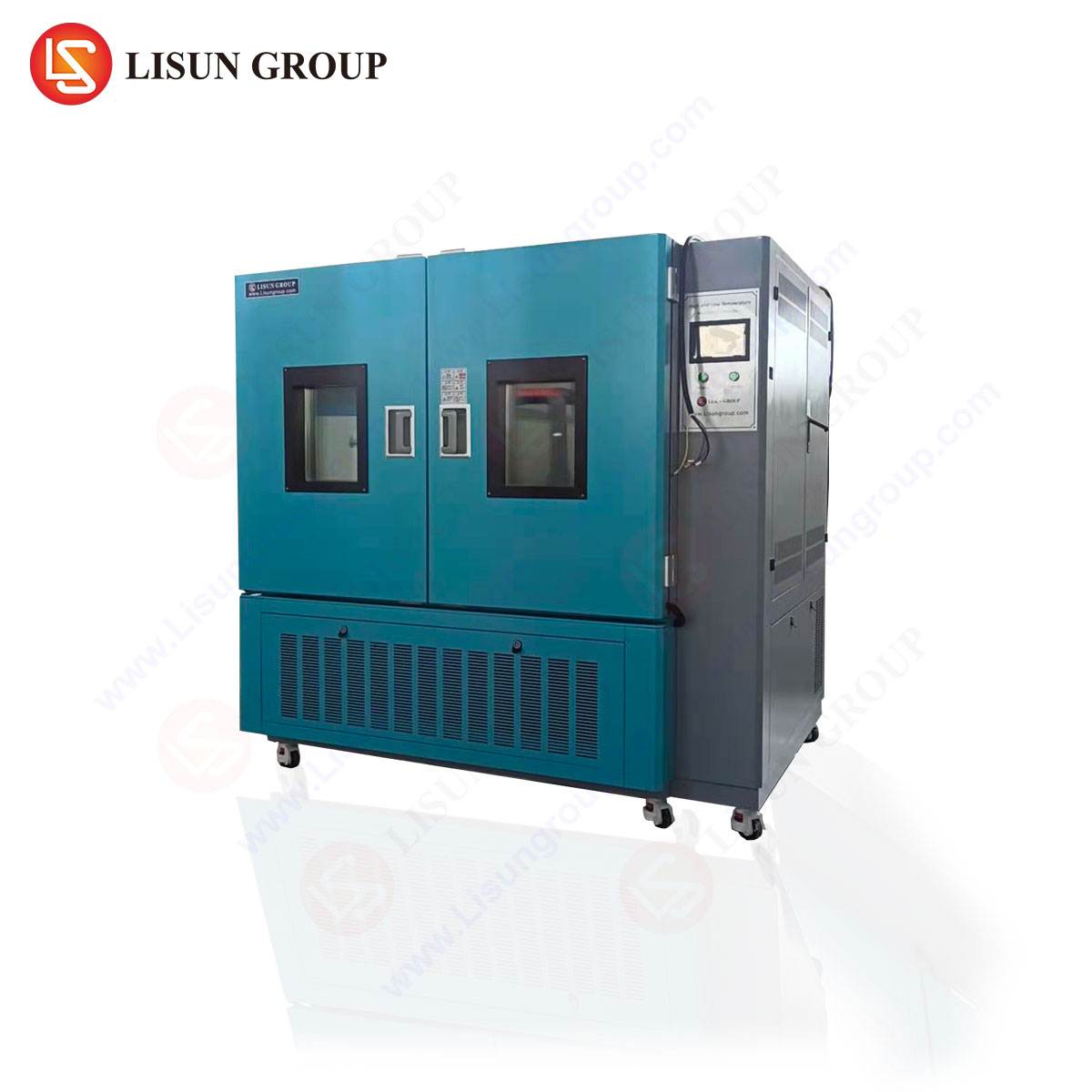
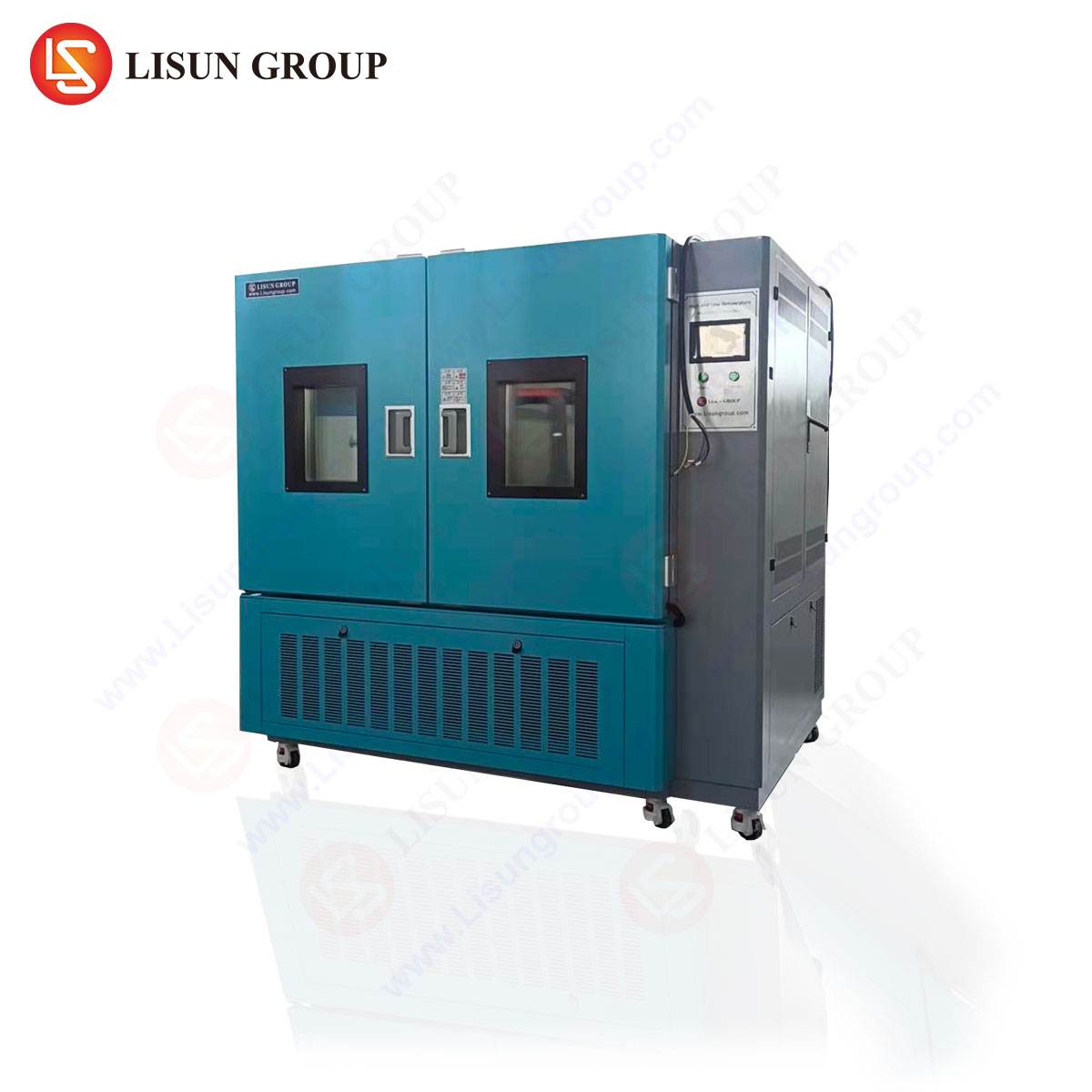
The LISUN GDJS-015B Temperature Humidity Test Chamber is engineered for this exact purpose. It serves as a critical companion apparatus for conducting comprehensive reliability assessments, particularly for components that must endure harsh operational environments.
Specifications and Testing Principles:
The GDJS-015B provides a broad and precise environmental range, with a temperature span of -70°C to +150°C and a humidity range of 20% to 98% RH. This extensive capability allows for simulation of conditions from arctic cold to tropical heat. Its operation is based on a cascade refrigeration system for low-temperature attainment and a steam humidification system for rapid and accurate humidity response. The chamber features a programmable controller capable of creating complex, multi-step profiles, including steady states, ramps, and cycles, which can be correlated with phases of a xenon arc test protocol.
Industry Use Cases and Application Synergy:
- Automotive Electronics: A control module may first undergo a xenon arc test (SAE J2412) to evaluate the UV resistance of its housing and connector plastics. Subsequently, it can be placed in the GDJS-015B to execute thermal cycling (-40°C to +125°C) and damp heat tests (85°C/85% RH), verifying the integrity of solder joints, conformal coatings, and internal semiconductors under combined environmental stress.
- Telecommunications Equipment: Outdoor fiber optic terminal enclosures are exposed to full-spectrum sunlight and moisture. Xenon testing assesses jacket polymer cracking and connector discoloration. Follow-on testing in the GDJS-015B, using high humidity (95% RH) with temperature cycling, accelerates moisture ingress testing to validate seal performance and prevent internal condensation.
- Medical Devices: Portable diagnostic devices with plastic housings and LCD displays require assurance against yellowing and haze from UV exposure (per ISO 4892-2). The GDJS-015B is then used to test device functionality after storage and operational temperature/humidity extremes (e.g., 40°C/93% RH per IEC 60601-1), ensuring reliability in varied clinical settings.
- Aerospace and Aviation Components: Materials for cabin interiors are tested for colorfastness and embrittlement under high-irradiance xenon arc. Complementary testing in the GDJS-015B simulates the rapid pressure and temperature changes of ascent/descent through aggressive thermal shock profiles, though for dedicated thermal shock, a chamber like the LISUN HLST-500D would be employed.
Competitive Advantages:
The GDJS-015B distinguishes itself through its wide temperature range reaching -70°C, which is essential for testing automotive and aerospace components. Its precise humidity control and rapid recovery rates after door openings ensure test consistency. The integration capability with other test systems allows for sequential stress testing, providing a more complete reliability picture than any single test chamber can offer. This makes it an invaluable asset for Failure Mode and Effects Analysis (FMEA) and design validation processes.
Cross-Industry Applications and Failure Mode Analysis
The application of xenon arc testing is pervasive across industries where product longevity and appearance are performance criteria.
- Electrical & Electronic Equipment / Industrial Control Systems: Testing of polymer enclosures, wire insulation, connector bodies, and graphic overlays for UV-induced chalking, cracking, loss of mechanical strength, and label legibility.
- Lighting Fixtures: Evaluation of LED lens transmittance, diffuser yellowing, reflector degradation, and the stability of outdoor fixture housings against color shift and loss of gloss.
- Cable and Wiring Systems: Assessment of sunlight resistance for jacketing materials (e.g., PVC, XLPE, polyurethane) per standards like EN 50396, checking for cracking, elongation loss, and changes in dielectric properties.
- Consumer Electronics & Office Equipment: Ensuring the color stability of plastic housings for smartphones, laptops, and printers, and the durability of touchscreen overlays and keyboard legends.
- Household Appliances: Verifying that control panel graphics, rubber seals, and exterior finishes on outdoor or window-exposed appliances do not degrade prematurely.
Interpretation of Test Data and Correlation Challenges
A critical aspect of accelerated testing is the interpretation of results. A 1000-hour xenon arc test does not equate to a fixed number of outdoor exposure years; it is a comparative tool. Correlation between accelerated tests and real-world performance is established through extensive experimentation and the use of control materials with known outdoor performance. The goal is to establish a “acceleration factor” for specific material types and failure modes under defined test conditions. Challenges in correlation arise from the absence of real-world pollutants, variable seasonal light angles, and the difficulty in perfectly replicating the synergistic effect of all environmental factors. Therefore, data is best used for ranking material formulations, identifying weak points, and qualifying products against a predefined benchmark or standard duration.
Frequently Asked Questions (FAQ)
Q1: What is the primary difference between a xenon arc chamber and a UV chamber?
A xenon arc chamber replicates the full spectrum of sunlight (UV, visible, and IR), making it suitable for testing photodegradation and color change. A UV chamber typically uses fluorescent UV lamps (e.g., UVA-340) that emit only ultraviolet light, making it a lower-cost option focused primarily on UV-induced polymer degradation, but it does not simulate the effects of visible or infrared radiation.
Q2: How do I determine the appropriate test standard and conditions for my product?
The selection is based on your product’s end-use environment and industry requirements. Consult the material specifications from your industry (e.g., automotive OEMs often specify SAE standards). Refer to international standards bodies (ISO, IEC, ASTM) for generic material tests. Ultimately, the chosen standard should reflect the worst-case environmental stresses the product is expected to encounter.
Q3: Can the GDJS-015B temperature humidity chamber be used for thermal shock testing?
While the GDJS-015B can perform thermal cycling, it is not optimized for true thermal shock testing. Thermal shock testing requires a much more rapid transfer of specimens between extreme hot and cold zones, typically achieved in seconds. This is the function of a dedicated two- or three-zone thermal shock chamber, such as the LISUN HLST-500D series. The GDJS-015B is designed for precise, controlled ramps and steady-state conditioning.
Q4: Why is irradiance control and calibration so critical in xenon arc testing?
Irradiance is the driving force of photochemical reactions. Without precise, closed-loop control and regular calibration using traceable reference sensors, the light intensity can drift. This leads to non-repeatable and non-reproducible test results, invalidating comparisons between test batches or different laboratories. Consistent irradiance is the foundation of a meaningful acceleration factor.
Q5: What are the key maintenance requirements for a xenon arc test chamber?
Regular maintenance is essential. It includes periodic replacement of xenon lamps (as their output degrades), cleaning or replacement of optical filters to maintain spectral fidelity, calibration of irradiance sensors and temperature probes, ensuring the purity of the deionized water supply for spray cycles, and routine cleaning of the test chamber interior to prevent contaminant buildup.