




Fundamental Principles of Water Ingress Protection
The integrity of an enclosure against the intrusion of water and particulate matter is a critical determinant of product reliability, safety, and longevity across a vast spectrum of industries. Water ingress testing, formally known as IP (Ingress Protection) testing or waterproof testing, is a standardized methodology designed to validate the effectiveness of these enclosures. The IP Code, as defined by international standards such as IEC 60529, provides a systematic classification system. The code’s first numeral, ranging from 0 to 6, denotes protection against solid objects. The second numeral, from 0 to 9K, specifically quantifies protection against water under various conditions. It is this second digit that forms the core of waterproof testing, with tests ranging from vertically dripping water (IPX1) to powerful high-temperature water jets (IPX9K). The underlying physical principles involve managing hydrostatic pressure, surface tension, and the dynamic force of water jets to simulate real-world environmental challenges, from condensation and rainfall to high-pressure wash-downs in industrial settings.
Methodologies for Simulating Hydrostatic and Dynamic Water Exposure
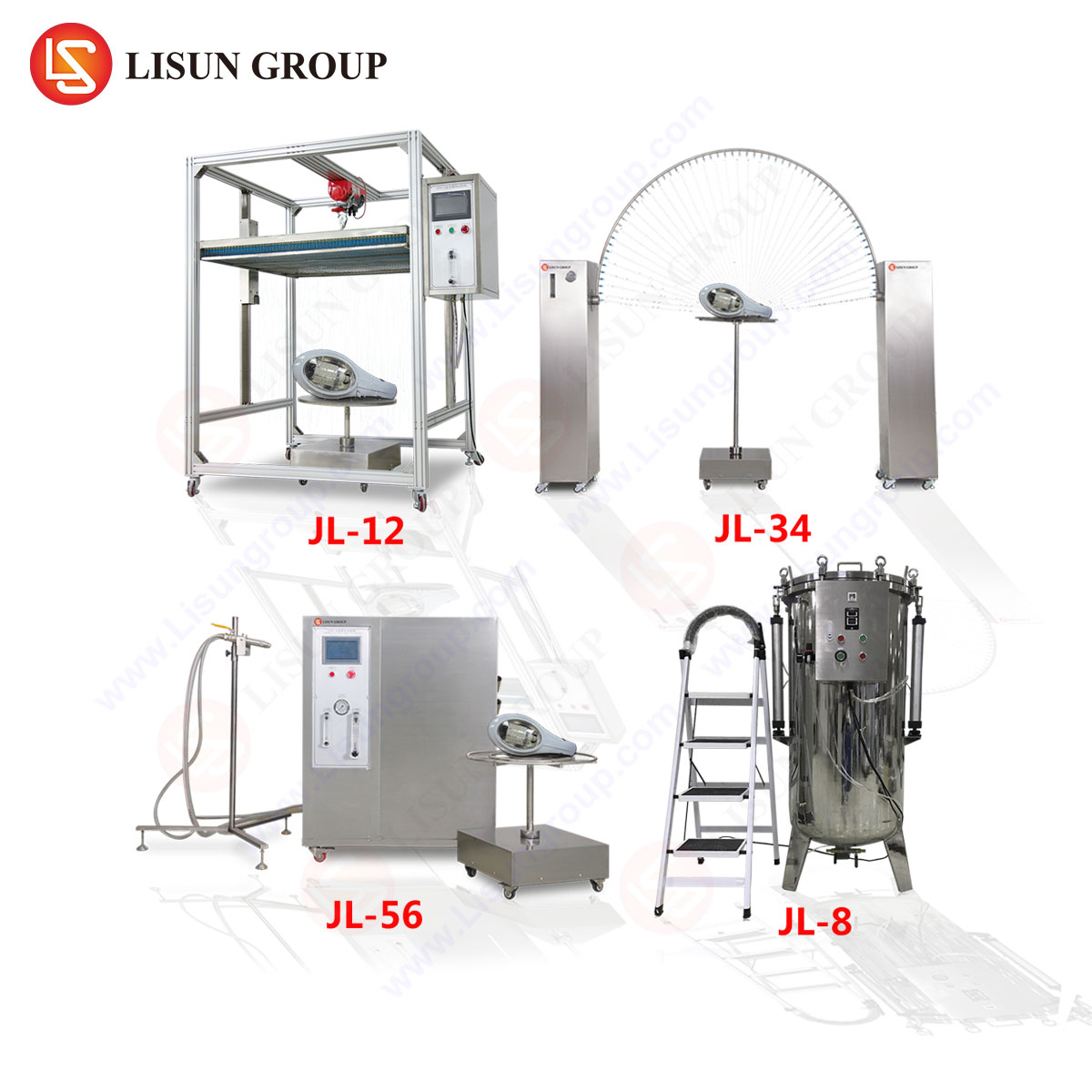
Laboratory testing methodologies are meticulously engineered to replicate specific environmental conditions. Drip testing (IPX1 and IPX2) involves a calibrated drip box or oscillating tube to simulate condensation and light rain. Spray testing (IPX3 and IPX4) utilizes a pendulum or oscillating spray nozzle to cover the equipment with water spray, simulating rainfall and splashing. Jet testing (IPX5 and IPX6) employs a nozzle delivering a high-velocity stream of water to represent water jets from hoses or heavy seas. For more extreme conditions, immersion testing (IPX7 and IPX8) subjects the enclosure to specified depths and durations under static pressure, while the IPX9K test uses high-pressure, high-temperature water jets to simulate the cleaning processes found in automotive, food processing, and agricultural industries. Each methodology requires precise control over water pressure, flow rate, nozzle diameter, sample distance, and test duration to ensure reproducible and meaningful results.
The Critical Role of IPX9K Testing in Modern Industry
The IPX9K test, once a niche requirement, has become increasingly critical as products are subjected to more aggressive cleaning regimens. This is particularly true in the automotive sector, where electronic control units (ECUs), sensors, and lighting fixtures must withstand high-pressure, high-temperature wash-downs in vehicle assembly plants and service centers. Similarly, in the production of household appliances like dishwashers and washing machines, industrial control systems for factory automation, and agricultural machinery, components are routinely cleaned with powerful steam or hot-water jets. The IPX9K test verifies that seals, gaskets, and housing interfaces will not fail under these extreme conditions, preventing short-circuits, corrosion, and functional degradation that could lead to system failure or safety hazards.
LISUN JL-XC Series: Engineering for High-Pressure, High-Temperature Validation
The LISUN JL-XC Series Waterproof Test Equipment represents a specialized apparatus engineered explicitly for conducting IPX9K testing, alongside other jet tests, in accordance with IEC 60529. This system is designed to deliver the stringent conditions required for validating product robustness. Its core components include a high-pressure piston pump capable of generating the requisite 8-10 MPa (80-100 bar) pressure, a water heating and temperature control system to maintain a stable 80°C ±5°C outlet temperature, and a precisely machined four-position rotary table. The test specimen is mounted on this table, which rotates at a speed of 5 ±1 rpm, while high-velocity water is sprayed from a specific nozzle at angles of 0°, 30°, 60°, and 90° for 30 seconds each position. This ensures comprehensive coverage and a thorough assessment of the enclosure’s seals from all directions.
Technical Specifications and Operational Parameters of the JL-XC Series
The performance of the JL-XC Series is defined by a set of critical technical parameters. The water pressure is adjustable within the 8-10 MPa range, with a flow rate of 15 ±1 L/min. The nozzle is standardized with an internal diameter of 0.8mm, and the distance from the nozzle to the test sample is meticulously set at 100-150mm. The integration of a high-precision temperature controller and heater ensures the water jet is maintained at the specified high temperature, which is essential for testing the thermal resilience of seals and polymeric materials. The entire system is typically constructed from stainless steel and other corrosion-resistant materials to ensure long-term reliability and resistance to the harsh testing environment it creates. Operation is managed through a programmable logic controller (PLC) and human-machine interface (HMI), allowing for automated test cycles, data logging, and repeatable testing procedures.
Application Across Critical Industrial Sectors
The applicability of the JL-XC Series spans numerous industries where failure due to water ingress is not an option. In automotive electronics, it is used to validate components like battery management systems for electric vehicles, ADAS (Advanced Driver-Assistance Systems) sensors, and exterior lighting assemblies. For telecommunications equipment, such as 5G base station enclosures and outdoor routers, the test ensures functionality during extreme weather. The medical devices industry employs it to certify the ingress protection of surgical tools, diagnostic equipment, and patient monitors that undergo rigorous decontamination protocols. In aerospace and aviation, components must endure harsh conditions, and the JL-XC Series can test everything from cockpit avionics to external sensors. Furthermore, its use in testing electrical components, cable glands, and industrial-grade connectors for control systems ensures operational continuity in demanding environments like chemical plants and offshore platforms.
Adherence to International Standards and Compliance Verification
Compliance with international standards is not merely a formality but a foundational aspect of product design and market access. The JL-XC Series is engineered to meet the exacting requirements of IEC 60529 for IPX5, IPX6, and IPX9K testing. Furthermore, it aligns with related standards from organizations such as ISO, DIN, and GB, which may have specific regional or industry-specific nuances. For instance, automotive manufacturers often reference ISO 20653, which is largely derived from IEC 60529 but includes additional classifications relevant to road vehicles. The ability of the JL-XC Series to provide auditable, repeatable, and standardized test data is paramount for manufacturers seeking to obtain certification from bodies like UL, TÜV, and CSA, thereby facilitating global market entry.
Comparative Advantages in Precision and System Integration
The competitive landscape for waterproof test equipment is defined by precision, durability, and operational efficiency. The JL-XC Series distinguishes itself through several key advantages. Its integrated high-temperature system provides superior stability and control compared to systems with external heating, ensuring consistent test conditions. The use of a robust piston pump, as opposed to lower-pressure centrifugal pumps, guarantees the sustained high pressure required for IPX9K validation. The automated four-station rotary table eliminates manual repositioning errors, enhancing test reproducibility and throughput. From a usability standpoint, the PLC-based control system with a touch-screen HMI simplifies complex test sequencing, allows for the storage of multiple test programs, and enables comprehensive data recording for quality assurance and audit trails, reducing operator dependency and potential for human error.
Integrating Water Ingress Testing into the Product Development Lifecycle
To maximize its effectiveness, water ingress testing should not be a final gatekeeping activity but an integral part of the product development lifecycle. Employing the JL-XC Series during the design verification phase allows engineers to identify and rectify weaknesses in seal geometry, gasket material selection, and assembly processes early on, preventing costly redesigns later. During production, it serves as a tool for quality control, where sampling or 100% testing can be implemented to monitor manufacturing consistency. This proactive integration mitigates the risk of field failures, warranty claims, and brand reputation damage, ultimately contributing to a lower total cost of quality and a more reliable product portfolio.
Mitigating Product Failure Through Proactive Enclosure Validation
The consequences of inadequate water ingress protection are severe and multifaceted. In electrical and electronic equipment, the immediate effect can be a short-circuit, leading to functional failure or a fire hazard. Over time, even minor ingress can lead to electrochemical migration and corrosion on printed circuit boards (PCBs), resulting in intermittent faults and premature aging. For automotive electronics, a failure in an ECU can compromise vehicle safety systems. In medical devices, it can lead to inaccurate readings or complete device failure, directly impacting patient care. The rigorous validation provided by testing with equipment like the JL-XC Series is therefore a critical risk mitigation strategy, safeguarding not only the product but also end-user safety and the manufacturer’s financial and legal standing.
Frequently Asked Questions
What is the key distinction between IPX8 immersion testing and IPX9K jet testing?
IPX8 is a test against prolonged immersion under specified, static pressure conditions, simulating a product being submerged in water. IPX9K, in contrast, is a test against powerful, high-temperature, high-pressure water jets, simulating aggressive cleaning processes. They assess different failure modes; a product that passes IPX8 may not necessarily pass IPX9K, as the latter subjects seals to intense dynamic force and thermal stress.
Can the JL-XC Series be configured for testing other IP codes besides IPX9K?
Yes, the JL-XC Series is a versatile platform. By adjusting the pressure, changing the nozzle, and modifying the test parameters via its control system, it can be configured to perform IPX5 and IPX6 (powerful water jets) tests in addition to the primary IPX9K function. This makes it a comprehensive solution for a range of dynamic water ingress tests.
How critical is the maintenance of the 80°C water temperature in IPX9K testing, and how is it achieved?
It is critically important. The high temperature accelerates the aging of elastomeric seals and can reveal weaknesses that would not be apparent at ambient temperatures. The JL-XC Series achieves this through an integrated, closed-loop heating system with a precision temperature controller and an immersion heater, ensuring the water delivered to the nozzle remains within the specified tolerance of 80°C ±5°C throughout the test duration.
What sample preparation is required before testing with the JL-XC Series?
The test specimen must be in its final, fully assembled state, as it would be in service. Any covers, caps, or seals that are part of the ingress protection system must be properly installed according to the manufacturer’s specified torque values or assembly procedures. The internal electronics are often connected to a monitoring system to detect any failure or loss of functionality during the test.