blog
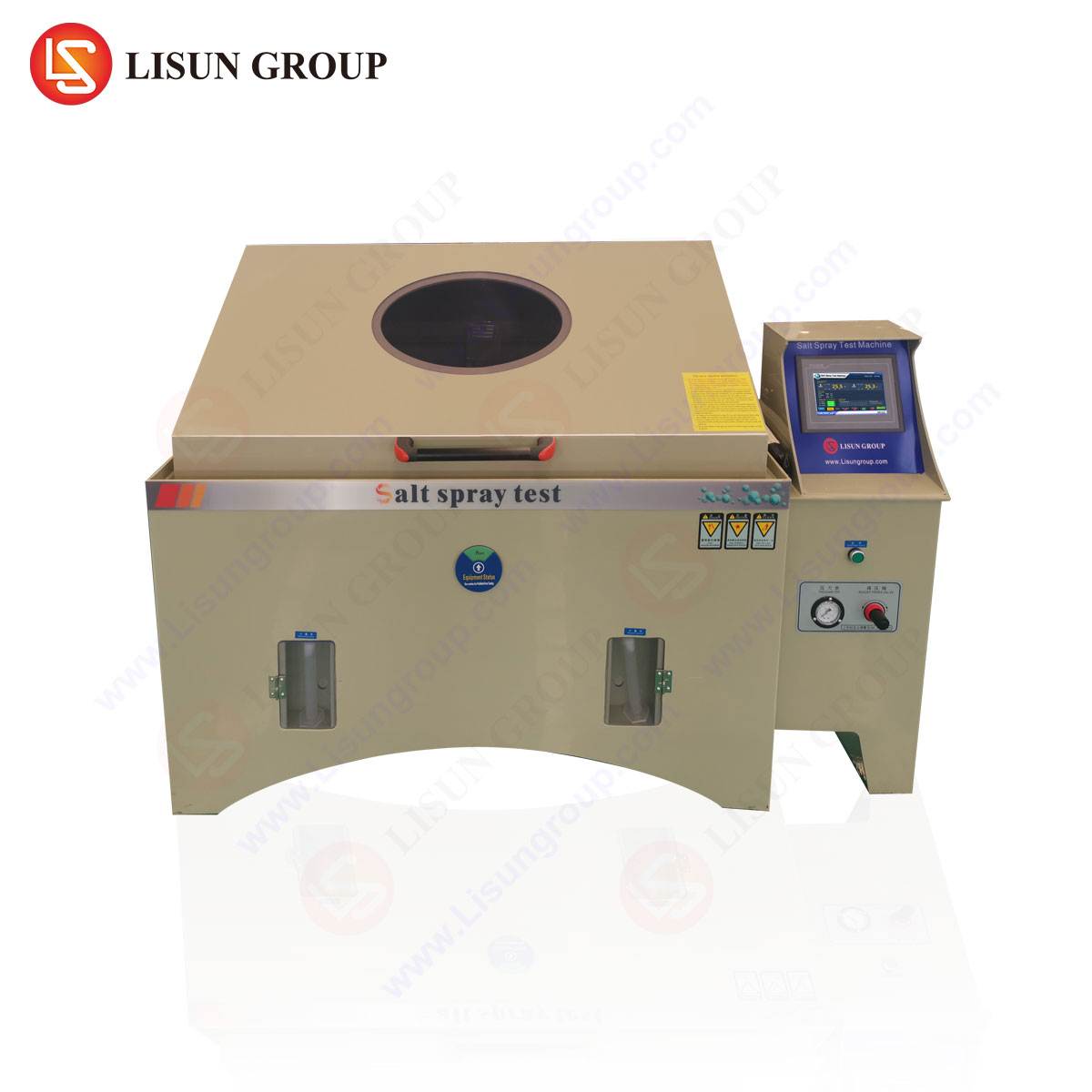
Advanced Corrosion Test Chambers: Foundational Infrastructure for Modern Quality Assurance The relentless pursuit of product durability and long-term functional integrity represents a cornerstone of modern


Advanced Corrosion Test Chambers: Foundational Infrastructure for Modern Quality Assurance The relentless pursuit of product durability and long-term functional integrity represents a cornerstone of modern
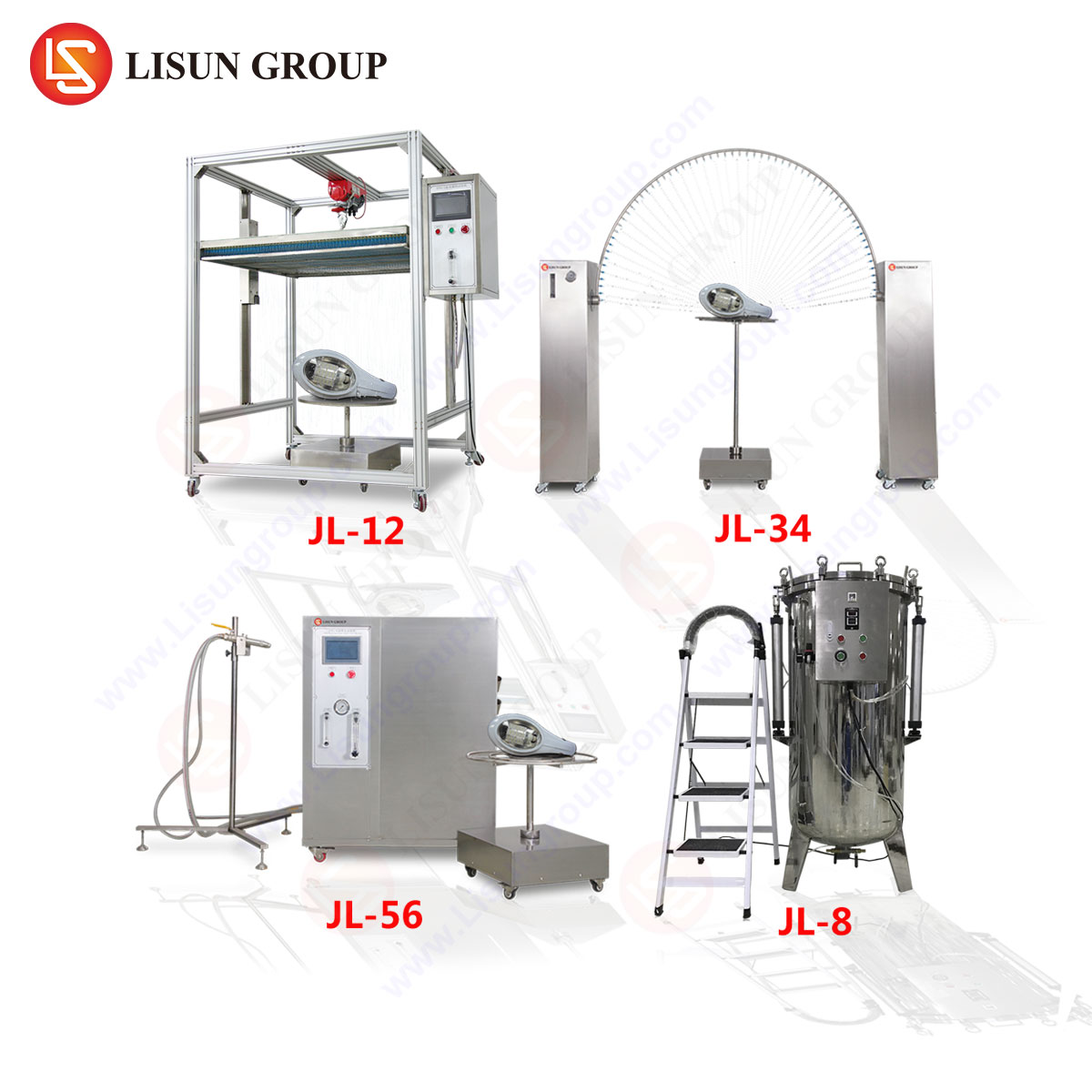
A Technical Guide to IPX7 Waterproof Test Chambers: Principles, Implementation, and Validation Defining the IPX7 Standard and Its Operational Demands The ingress protection (IP) rating
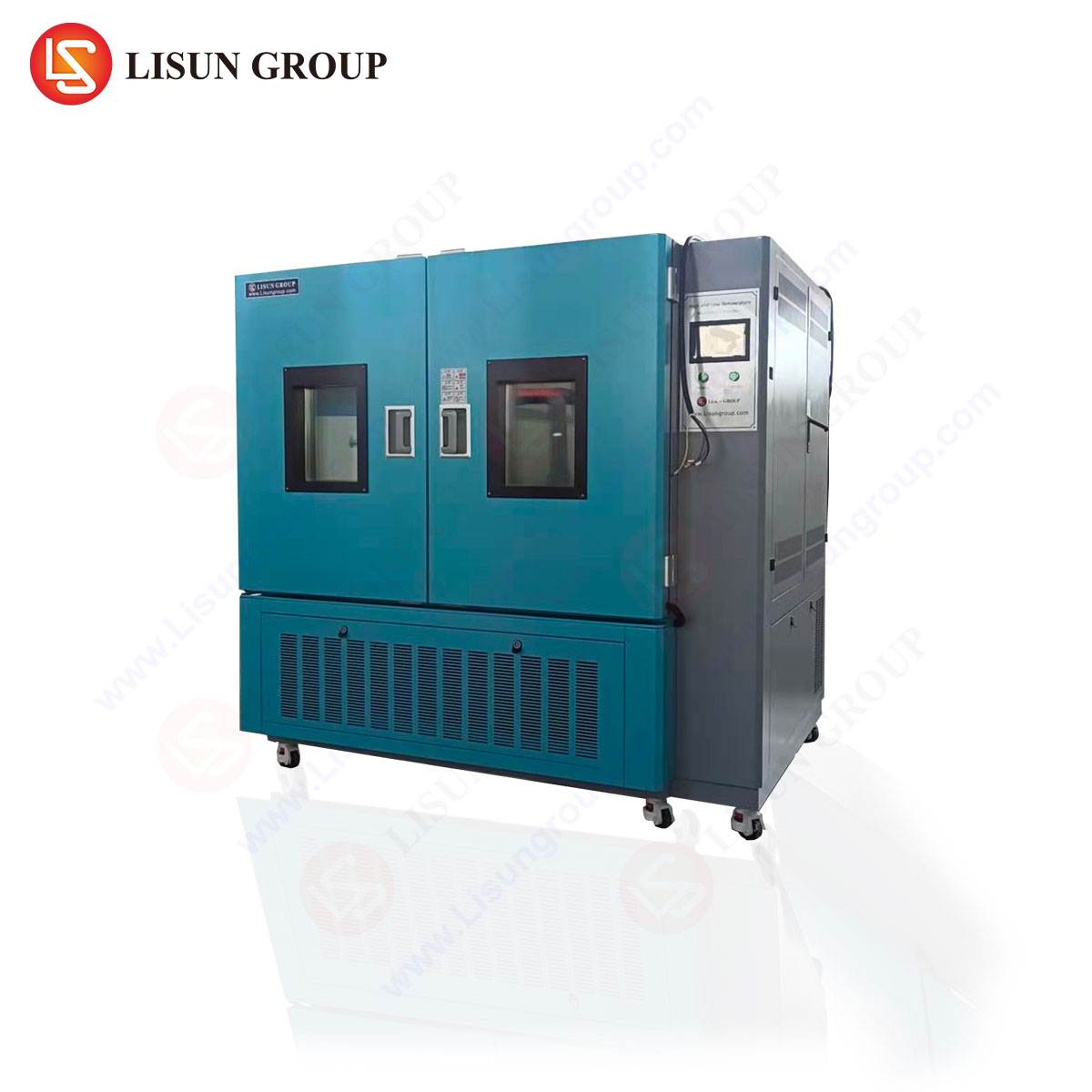
Comprehensive Cost Analysis for Thermal Shock Chambers: Acquisition, Operation, and Total Cost of Ownership Introduction to Accelerated Reliability Testing and Thermal Shock In the rigorous
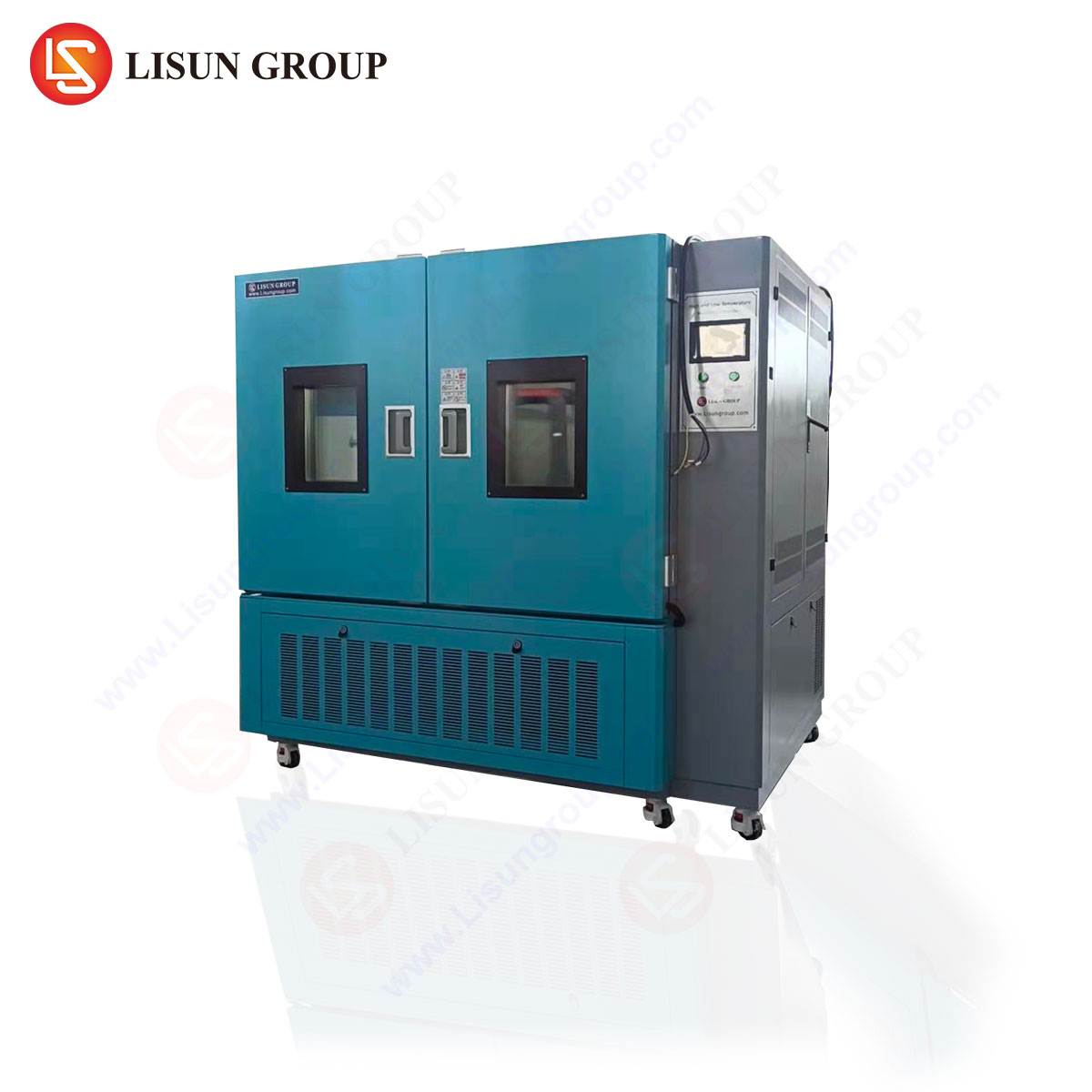
Comprehensive Cost Analysis for Thermal Shock Chambers: A Framework for Capital Investment and Operational Efficiency The validation of product reliability under extreme thermal stress is
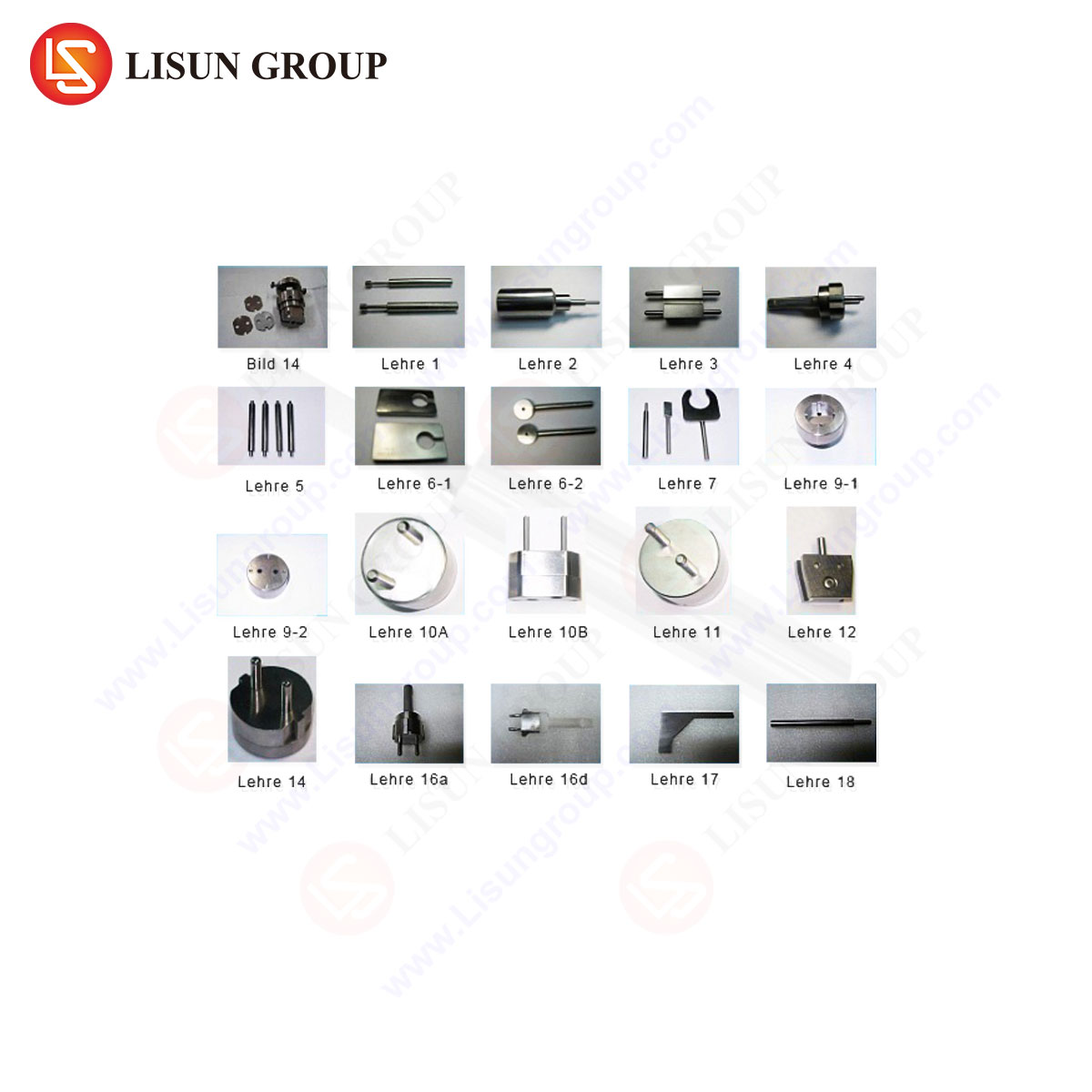
A Methodological Framework for Compliance Testing of 2.5A Outlet Shutter Mechanisms Introduction: The Critical Role of Shutter Safety in Low-Current Applications Within the global ecosystem
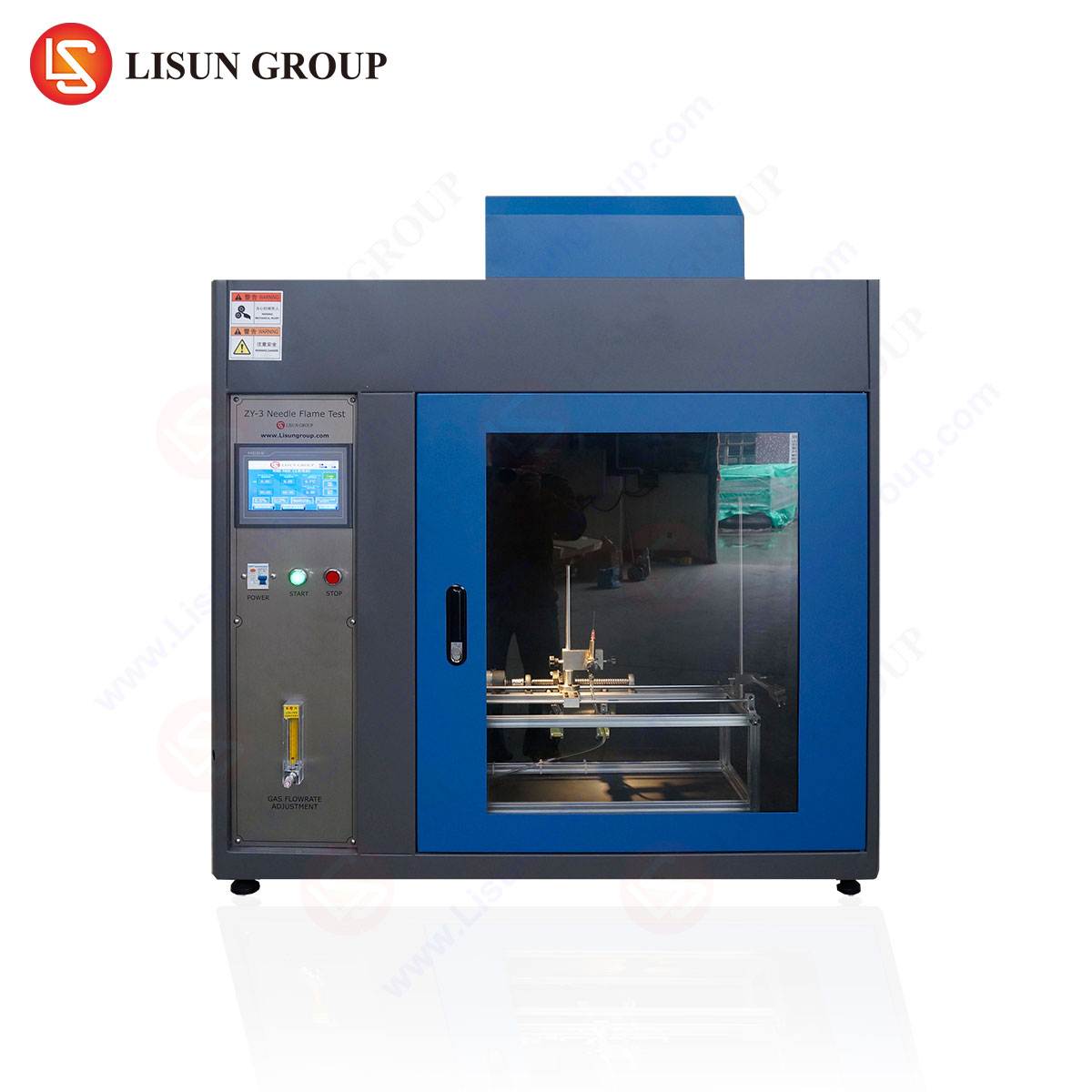
Evaluating Fire Hazard Resistance: The Role and Methodology of Needle Flame Testing The proliferation of electrical and electronic equipment across domestic, industrial, and critical infrastructure
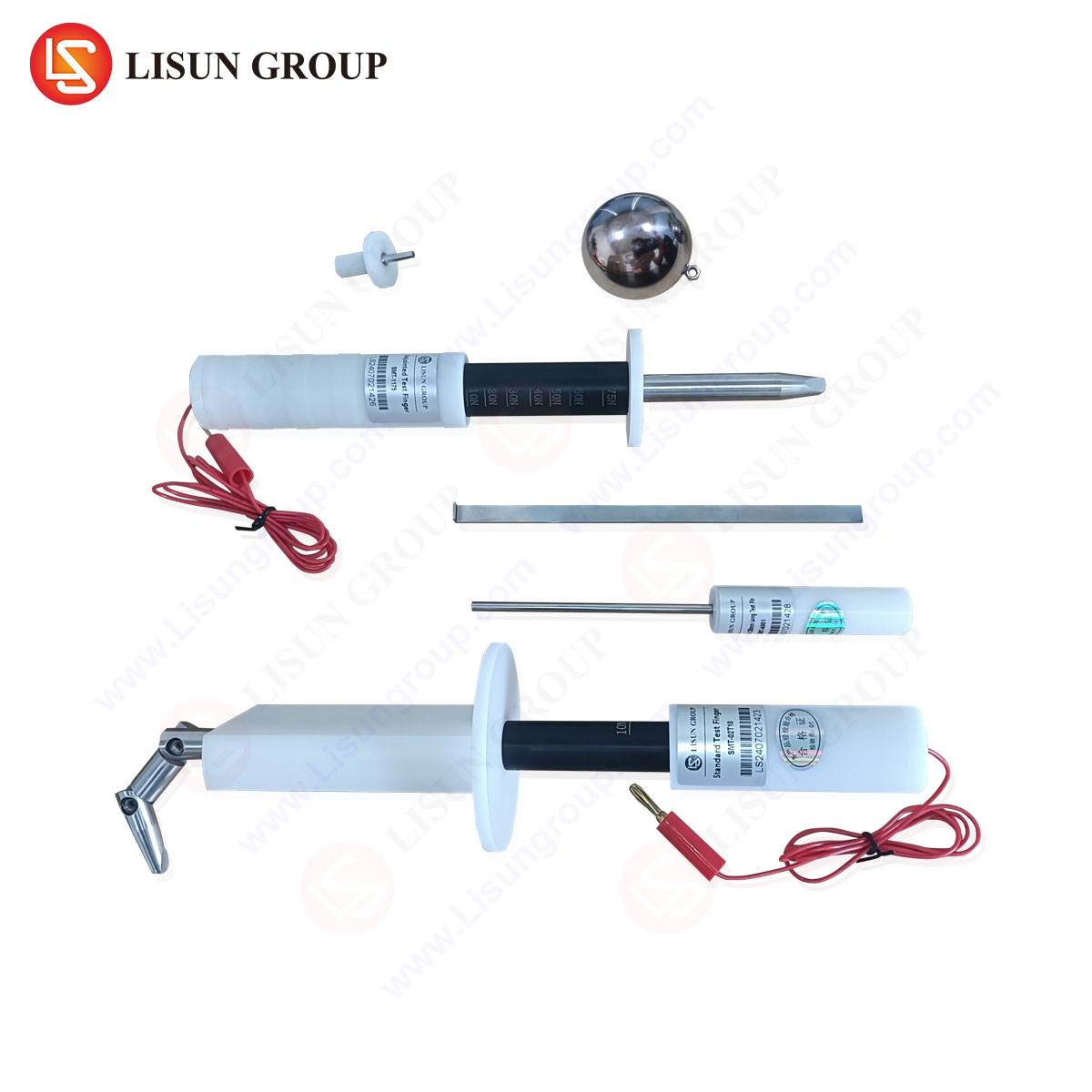
The UL 921 Figure 2 Probe: A Critical Instrument for Evaluating Accessibility Hazards in Enclosed Equipment Introduction to Accessibility Probe Testing in Product Safety Evaluation
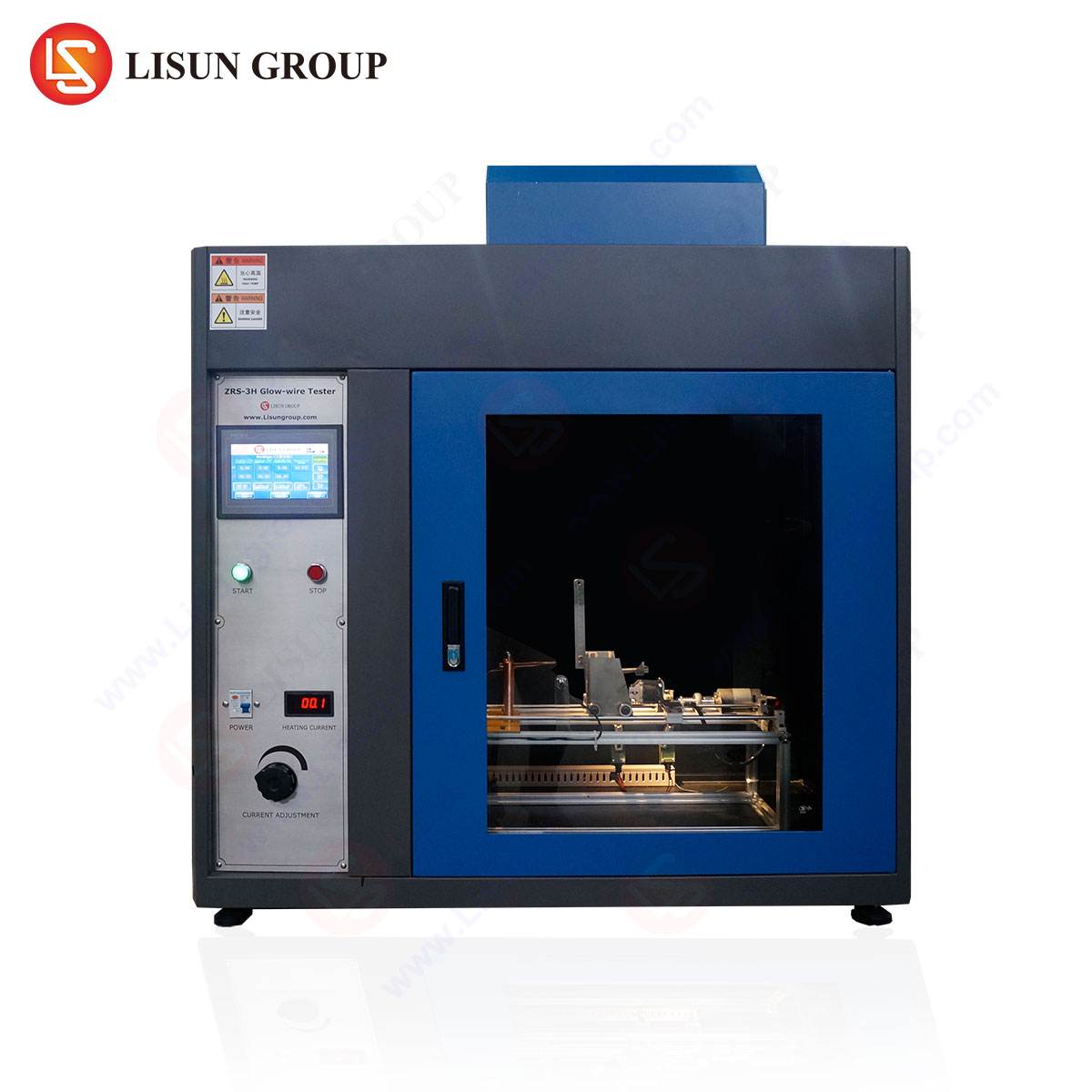
Evaluating Fire Hazard Potential: The Critical Role of Glow-Wire Testing in Material Compliance Introduction to Fire Hazard Assessment in Electrotechnical Products The proliferation of electrical
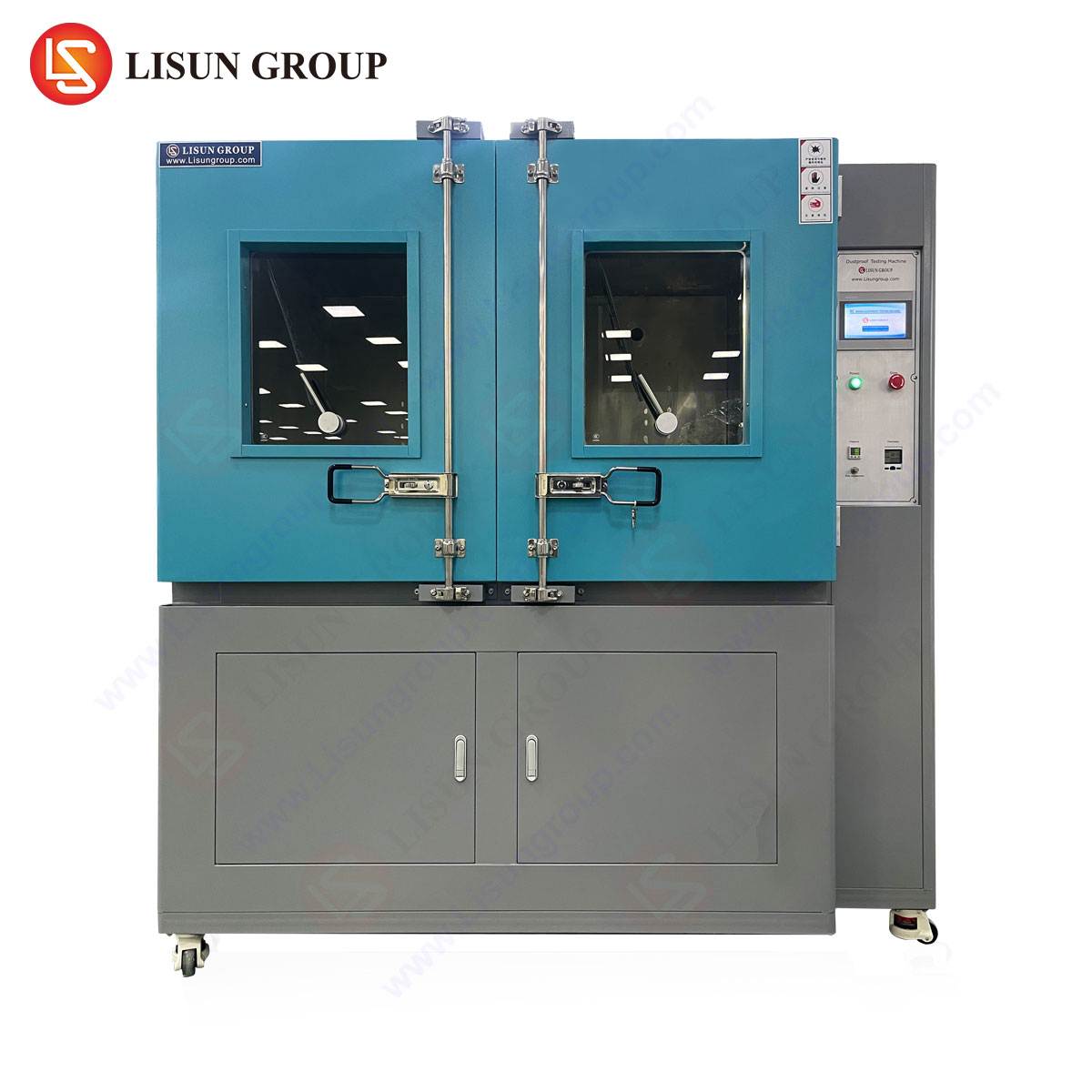
Sand and Dust Test Chamber: Ensuring Product Reliability in Harsh Environments The relentless ingress of particulate matter—fine dusts, abrasive sands, and granular contaminants—represents a persistent
 EN
EN  ES
ES  RU
RU  PT
PT  TR
TR  AR
AR  DE
DE  PL
PL  IT
IT  FR
FR  KO
KO  JA
JA  ID
ID