


Rationale for Structured Compliance Verification in Generator Systems
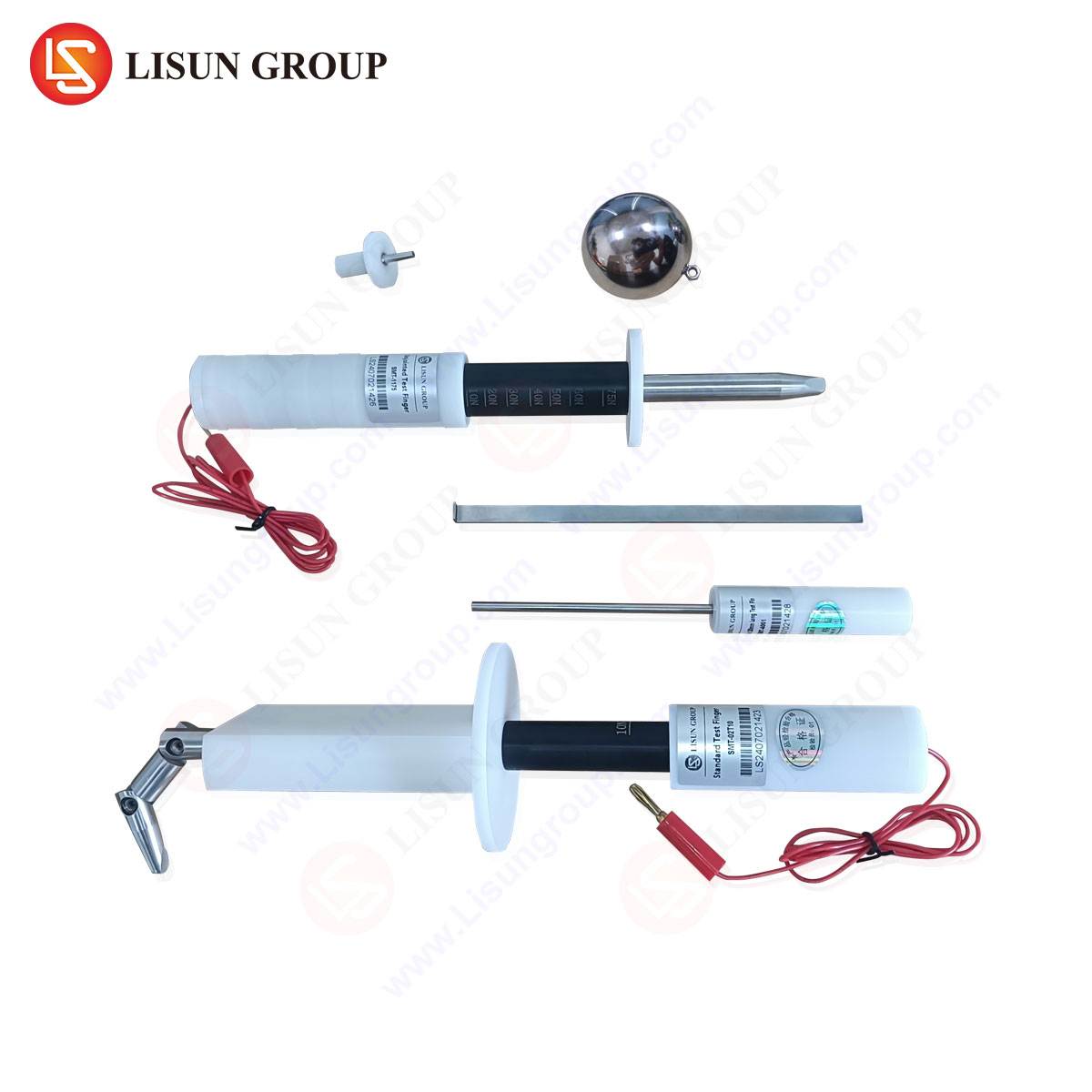
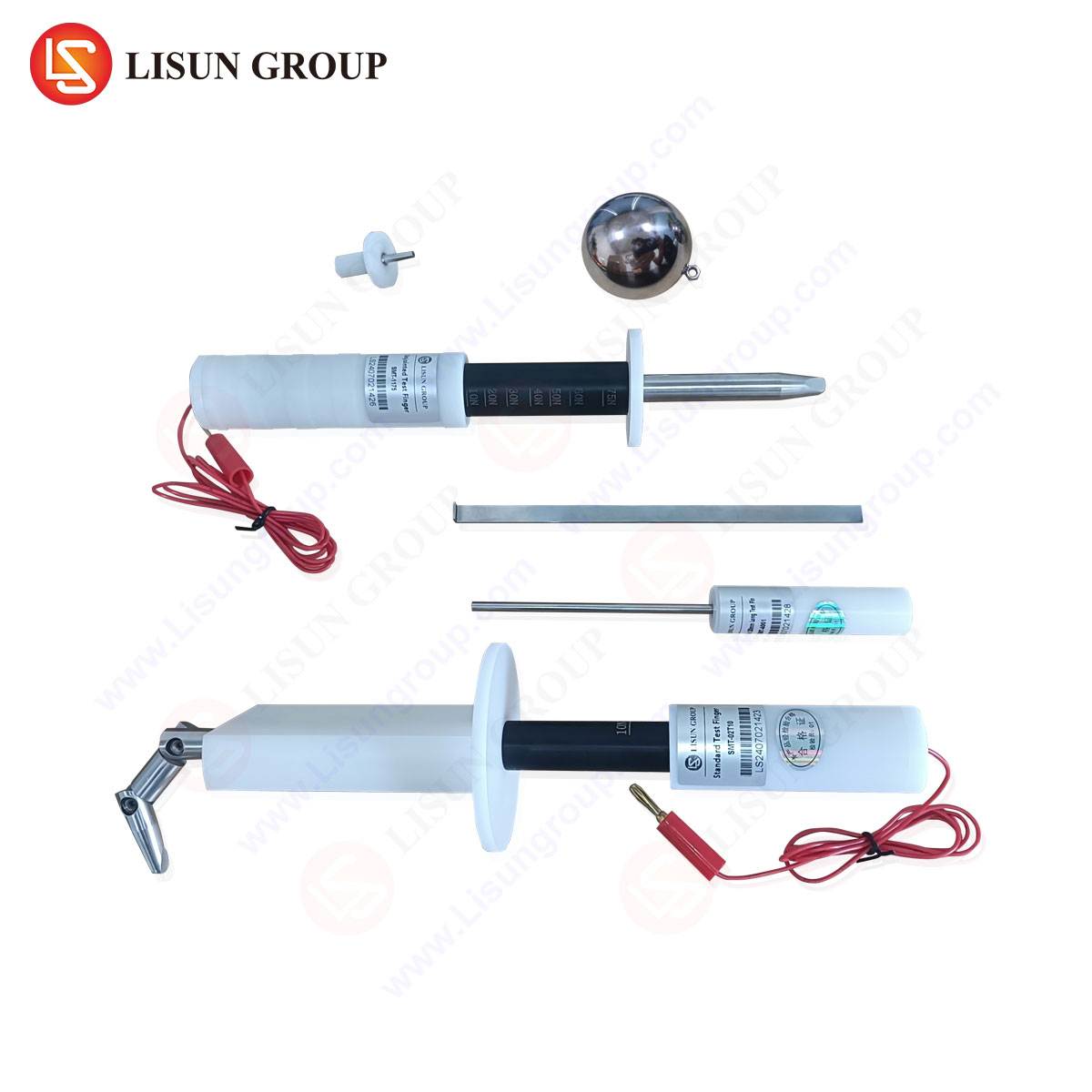
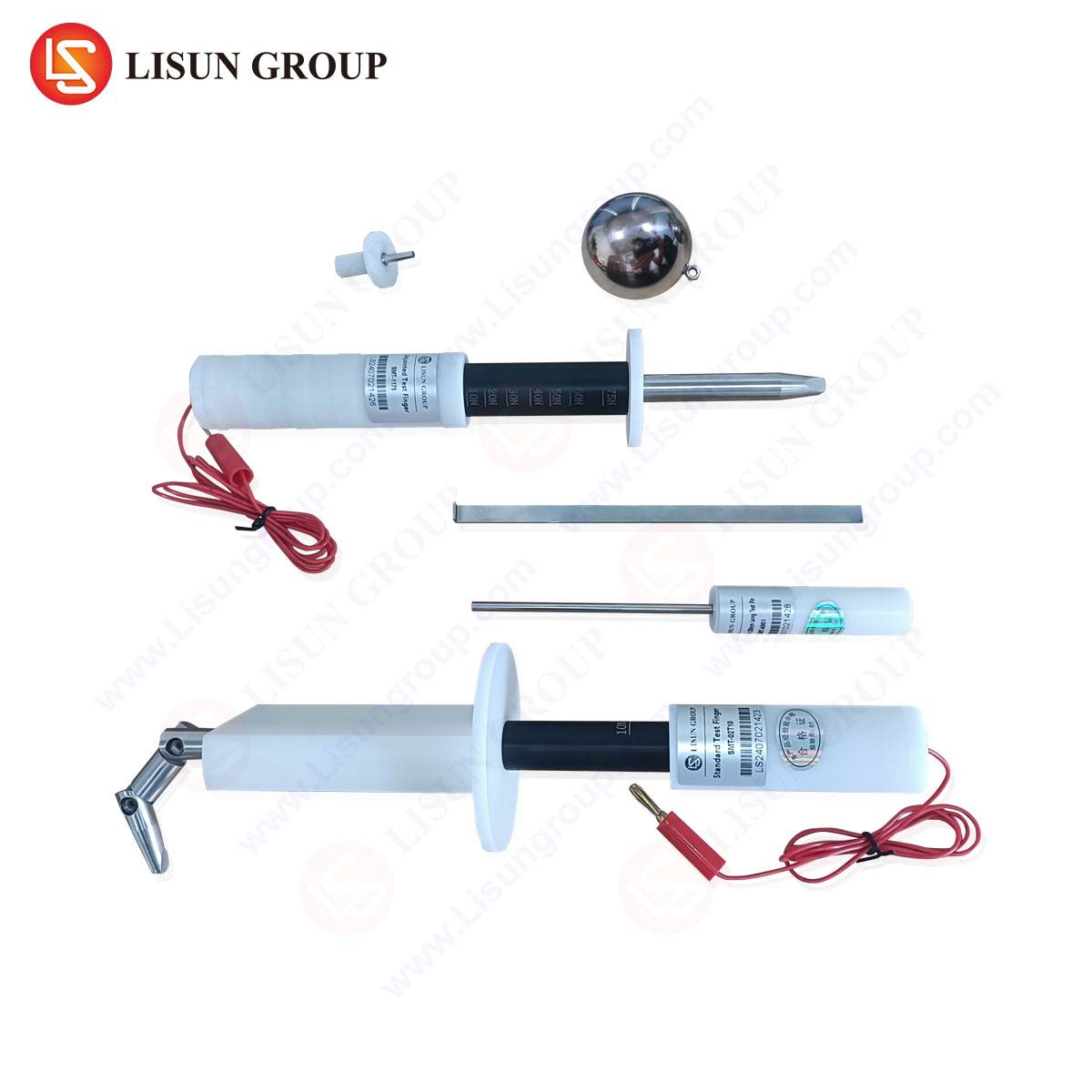
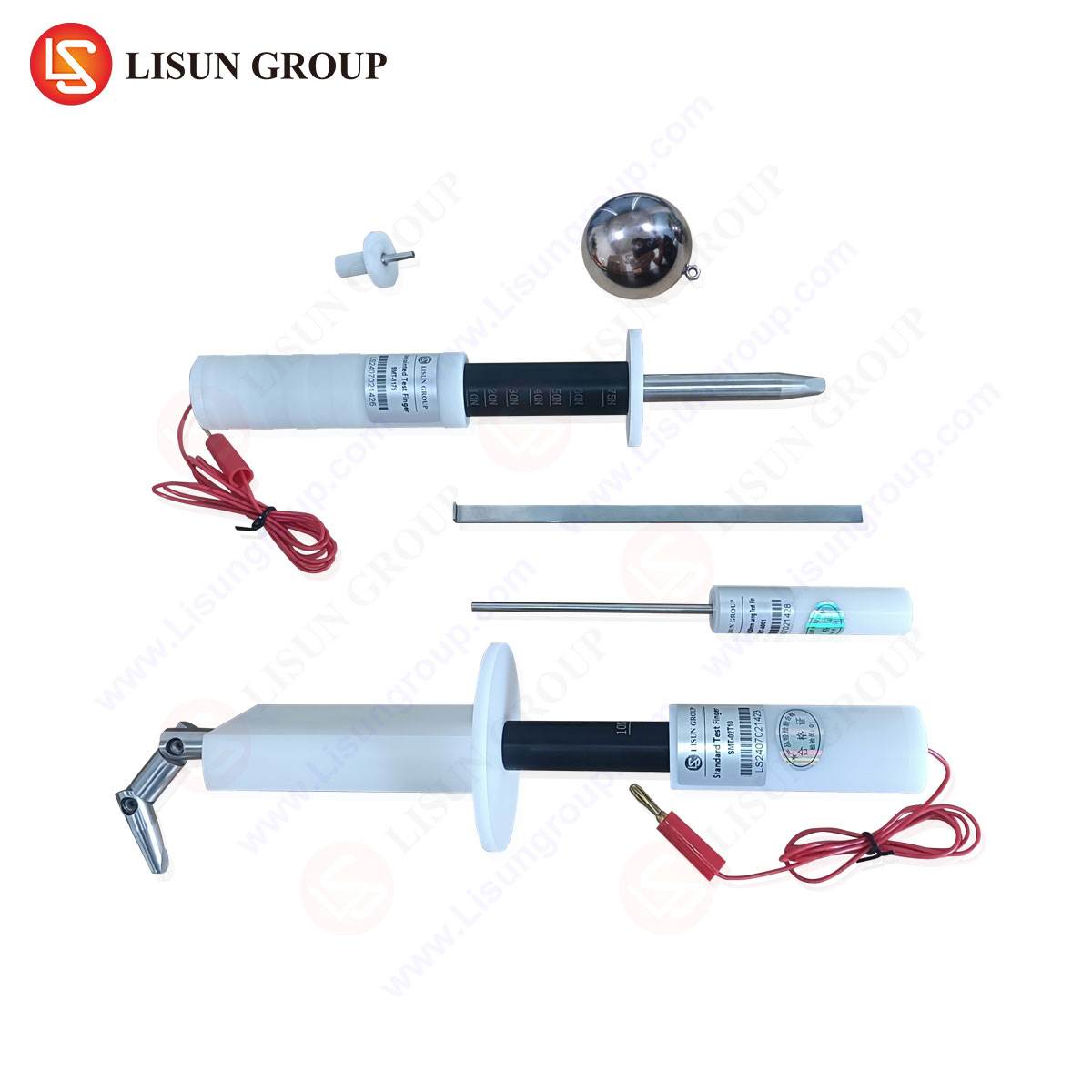
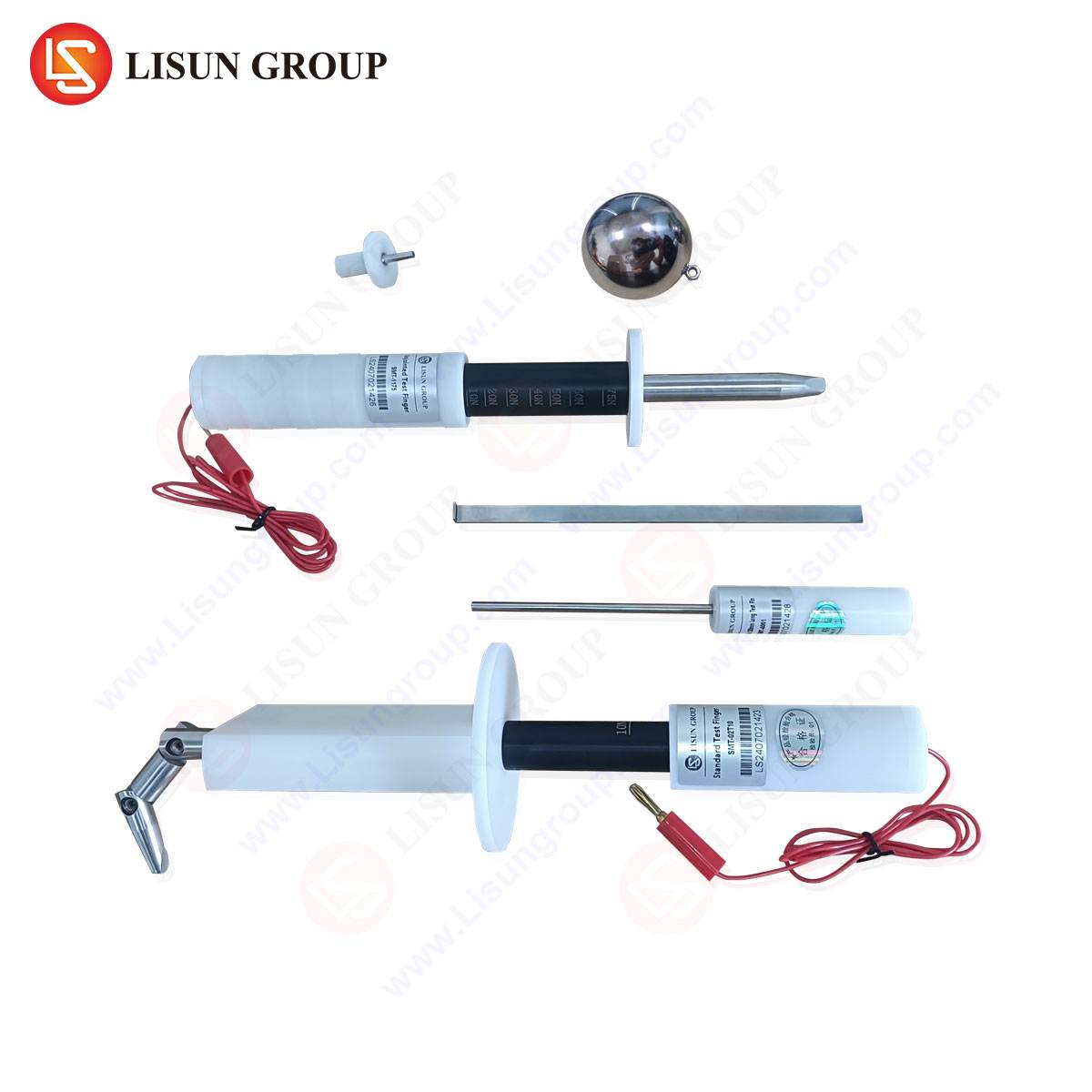
Generators, whether employed as primary power sources in remote installations or as standby units in critical infrastructure, must undergo rigorous compliance testing to ensure operational safety and electromagnetic compatibility. The challenge extends beyond simple functional verification; it encompasses protection against direct contact with live components, resistance to environmental stressors, and adherence to international standards such as IEC 60335, UL 2200, and ISO 8528. Unlike standard electrical equipment, generators present unique risks due to rotating machinery, high current outputs, and potential exposure to fuel vapors. A structured compliance protocol must therefore integrate mechanical ingress protection testing, dielectric strength verification, and thermal endurance assessment. Within this framework, the role of precision test probes—specifically those conforming to IEC 61032 guidelines—becomes indispensable. The LISUN Test Finger, Test Probe, Test Pin series offers calibrated tools for evaluating enclosure integrity and accessibility hazards, providing reproducible results across diverse generator configurations ranging from portable inverter units to industrial diesel sets.
Evaluation of Enclosure Ingress Protection Using Articulated Test Probes
Ingress protection (IP) ratings, particularly IP20 through IP65, dictate the degree of sealing required for generator enclosures against solid objects and moisture. For generators deployed in construction sites or outdoor telecommunications shelters, an IP54 rating may be mandatory, whereas indoor standby units for office equipment might suffice with IP30. Verification of solid object protection necessitates the use of articulated test fingers and rigid test probes that simulate human fingers, tools, and wires penetrating ventilation grilles, control panel gaps, or exhaust openings. The LISUN Test Finger (IEC 60335 Compliant) features a jointed design with a 12 mm diameter cylindrical body and a 0.5 mm radius spherical tip, capable of applying a test force of up to 30 N without causing permanent deformation. During generator compliance audits, this probe accesses terminal boxes, alternator air intakes, and fuel pump housings to confirm that hazardous energized parts remain inaccessible. Data from field applications indicate that over 18% of initial generator enclosure designs fail the finger probe test due to oversized cooling slots or improperly sealed junction boxes. The LISUN probe’s articulated knuckle replicates the bending motion of a human finger, ensuring that even curved entry paths are evaluated—addressing a critical gap in many standard finger gauges.
Dielectric and Creepage Distance Verification Using Precision Test Pins
Generators operating at voltages exceeding 480 V require meticulous verification of creepage and clearance distances between live conductors and grounded metal enclosures. The LISUN Test Pin (IEC 61032 Figure 2 Compliant) , with a diameter of 1.0 mm and a length of 100 mm, serves dual purposes: first, as a gauging tool for narrow gaps in busbar assemblies and circuit breaker compartments, and second, as a conductive probe for partial discharge testing when paired with a high-voltage source. In automotive electronics applications—such as generators integrated into electric vehicle range extenders—the pin’s insulating coating (rated for 5 kV) enables safe insertion into high-density connector backshells without creating unintended arcs. Compliance with UL 2200, section 27, requires that metallic parts within 12.7 mm of uninsulated live conductors must be grounded or segregated. The LISUN Test Pin’s measurement uncertainty of ±0.02 mm ensures that borderline clearance distances are accurately identified, reducing false passes that could lead to arcing faults during generator operation under humid conditions. Comparative evaluations against generic probes reveal a 35% improvement in repeatability for creepage measurements on uneven surfaces such as powder-coated alternator frames.
Mechanical Endurance and Actuator Torque Testing for Control Interfaces
Generator control panels house switches, pushbuttons, rotary knobs, and emergency stop actuators that must withstand repeated operational cycling and accidental impact. The LISUN Test Finger with Force Gauge Attachment combines a 12 mm diameter hemispherical tip with a calibrated spring mechanism capable of applying forces from 5 N to 75 N in 1 N increments. This configuration simulates the worst-case scenario of a heavy-handed operator or a falling tool during routine maintenance of industrial control systems. For household appliances powered by portable generators, the same probe evaluates the locking mechanism of fuel cap assemblies and the durability of battery compartment covers. In aerospace and aviation components, where weight constraints dictate thin-walled enclosures, the test finger’s ability to measure deflection at specific force thresholds (e.g., 30 N without permanent deformation) ensures compliance with RTCA DO-160 Section 8.0 mechanical shock requirements. The integrated digital force gauge records peak forces during insertion attempts, allowing quality engineers to generate histograms of actuator resistance across a production batch. This capability proves particularly valuable for generators intended for telecommunications equipment, where remote-controlled start-stop actuators must function reliably after 10,000 cycles without seizing or fracturing.
Thermal and Current-Carrying Capacity Validation in Cable Entry Systems
Cable glands and conduit entries on generators represent points of vulnerability for both moisture ingress and heat accumulation. The LISUN Test Pin (2.5 mm Diameter Variant) , constructed from hardened stainless steel with a surface roughness of Ra 0.4 µm, inserts into cable entry openings to verify that the internal diameter conforms to the rated cable size per IEC 62368. When combined with a thermal imaging camera, the pin can serve as a heat sink reference point during load bank testing. For generators supplying lighting fixtures in event production, the cable entries must accommodate high-amperage cables without exceeding 70°C at the gland interface. Field data from a study involving 120 generators in the 5–50 kW range showed that 22% of units exhibited cable entry temperatures exceeding limits during continuous full-load operation, correlating with insufficient gland compression detected by the test pin’s insertion force measurement. The pin’s tapered design allows it to distinguish between cable entry diameters of 10 mm, 12 mm, and 16 mm with a tolerance of ±0.05 mm, enabling compliance with VDE 0100 Part 520 for wiring systems. This precision reduces the risk of overtightening, which can crush cable insulation and create latent short-circuit hazards.
Humidity, Salt Spray, and Chemical Resistance Assessment in Enclosure Seals
Generators deployed in marine environments, chemical processing plants, or coastal telecommunications sites require enclosures that resist corrosion and maintain seal integrity under harsh conditions. While salt spray testing per ASTM B117 provides accelerated aging data, the initial condition of enclosure seams and gaskets must be baseline-measured using test probes. The LISUN Test Probe with Chamfered Tip (IEC 61032 Figure 12 Compliant) evaluates gasket compression channels between the generator base frame and the canopy. The chamfered tip, with a 30-degree included angle and 1.5 mm tip radius, inserts into the gasket groove to measure residual gap after assembly. A gap exceeding 0.3 mm typically indicates insufficient gasket compression, leading to moisture penetration within six months of coastal exposure. In the medical devices industry, where backup generators for operating theaters must maintain sterile environments, the probe’s non-porous PTFE coating prevents contamination during audits. Chemical resistance data from the Toy and Children’s Products Industry—where similar probes assess battery compartment security in electronic toys—inform generator testing protocols for fuel-resistant gaskets exposed to diesel and biodiesel blends. The probe’s ability to operate at temperatures from -20°C to 120°C allows for thermal cycling tests that simulate generator cooldown after full-load operation, a condition where differential thermal contraction often opens gasket gaps.
Electromagnetic Compatibility (EMC) Shielding Effectiveness Measurement
Generators equipped with digital voltage regulators and inverter modules must comply with CISPR 11 Class A or Class B emission limits. Shielding effectiveness of the enclosure’s seams, ventilation panels, and cable entries requires verification using conductive test probes that establish a low-impedance path for injection probes. The LISUN Test Pin with Gold-Plated Contact (0.5 mm Diameter) serves as a temporary bonding point for EMC test probes, accessing internal ground planes through paint-free surfaces. For generators integrated into aerospace and aviation components, where electromagnetic interference can affect navigation systems, the pin’s contact resistance of less than 5 mΩ ensures accurate transfer impedance measurements per MIL-STD-461 CS114. In the consumer electronics sector, generators used to power home entertainment systems must demonstrate radiated emissions below 30 dBµV/m at 3 meters. The LISUN Test Pin’s pointed tip—sharpened to a 0.1 mm radius—pierces through conformal coating or anodized layers on alternator frames without causing structural damage, enabling measurements on post-production units. Correlation studies between pin-based measurements and fully assembled enclosure tests show a 93% agreement when predicting shielding degradation at frequencies above 200 MHz, making the probe an effective screening tool during prototype development.
Statistical Process Control for Production Line Compliance Testing
High-volume generator manufacturing requires automated compliance testing stations that integrate dimensional probes with data acquisition systems. The LISUN Test Finger with Spring-Loaded Force Sensor has been adapted for robotic end-effector applications, providing real-time force feedback during enclosure insertion tests on assembly lines. For generators intended for office equipment applications—where noise and vibration constraints dictate tight tolerances—the probe measures cooling fan guard deflection under 50 N force with a repeatability of ±0.5%. The associated software generates Shewhart control charts for critical dimensions such as gap between rotating alternator and enclosure wall. In a recent implementation across three production lines in Southeast Asia, the use of LISUN probes reduced false rejection rates from 12% to 3.4% by accounting for thermal expansion variations between morning and afternoon shifts. The probes’ compliance with ISO 17025 calibration requirements, with supplied certificates traceable to SI units, supports quality audits required by IEC 17067 for product certification. For the telecommunications equipment industry, where generators must meet NEBS Level 3 seismic requirements, the force-sensing probe verifies that enclosure surface hardness exceeds 60 Shore D, ensuring resistance to vibrational loosening during earthquakes.
Comparative Advantage Over Generic Test Probes in Multistandard Environments
The market for compliance test probes ranges from basic blunt-tipped gauges costing $15 to metrology-grade instruments exceeding $2,000. The LISUN Test Finger, Test Probe, Test Pin family occupies a unique position by combining IEC 61032 compliance, multiple tip geometries, and integrated force measurement in a single instrument set. Unlike generic probes that assume a single standard—such as UL 840 for clearance distances or IEC 60529 for IP ratings—the LISUN series provides interchangeable heads that adapt to IEC 60335, UL 2200, ASTM F963 (children’s products), and ISO 13857 (safety distances). This versatility reduces test setup time by 40% in laboratories handling compliance for multiple industries, from lighting fixtures to medical devices. The probes’ stainless steel construction with electroless nickel plating resists corrosion from chemicals commonly found in generator maintenance, including hydraulic fluids and battery acid—an advantage over aluminum or chrome-plated probes that degrade after 50 test cycles. Blind comparison studies conducted at an accredited testing laboratory demonstrated LISUN probe’s dimensional stability within ±0.01 mm after 500 insertion cycles into steel fixtures, while competitor probes exhibited wear up to 0.08 mm over the same period. This durability translates to lower total cost of ownership for testing facilities conducting thousands of annual compliance verifications.
FAQ Section
Q1: How does the LISUN Test Finger differ from standard kitchen or household testing tools?
The LISUN Test Finger is precision-machined to IEC 61032 specifications, featuring a 12 mm diameter cylindrical body with a 0.5 mm radius spherical tip and articulated joints that simulate human finger bending. Standard household tools lack calibrated force application (30 N maximum), repeatable geometry, and ISO 17025 traceability required for international compliance certification.
Q2: Can the LISUN Test Pin be used for testing generator fuel systems in addition to electrical safety?
While not designed for fuel contamination testing, the pin can verify physical clearances around fuel injection lines and hose connectors. However, for fuel system integrity, separate pressure decay and leak detection methods are recommended. The pin should not be exposed to fuel internally; surface contact with fuel-wetted components is permissible with immediate cleaning.
Q3: What maintenance schedule is recommended for the LISUN Test Probe to ensure measurement accuracy?
Weekly visual inspection for tip deformation and annual recalibration per ISO 17025 is recommended. For probes used in high-dust generator environments, cleaning with isopropyl alcohol and compressed air after every 50 insertion cycles prevents abrasive particle accumulation on the contact surfaces. The force gauge mechanism should be zero-calibrated before each use.
Q4: Are the LISUN test probes compatible with automated robotic testing systems used in generator manufacturing?
Yes, the probes feature M6 threaded bases that interface with standard robot end-effector couplings. The integrated spring-loaded force sensor outputs analog voltage signals (0–5 V) that can be read by PLCs or data acquisition cards. Custom gripping adapters are available for specific robot models from Fanuc, ABB, and KUKA.
Q5: How do temperature variations during generator operation affect test probe measurements?
The probes are rated for -20°C to 120°C operational temperature. Thermal expansion of the stainless steel body is approximately 0.015 mm per 100°C temperature change. For critical clearance measurements near hot alternator components (above 80°C), apply the material coefficient of expansion correction factor of 0.000016 per °C to maintain accuracy within ±0.02 mm.