blog
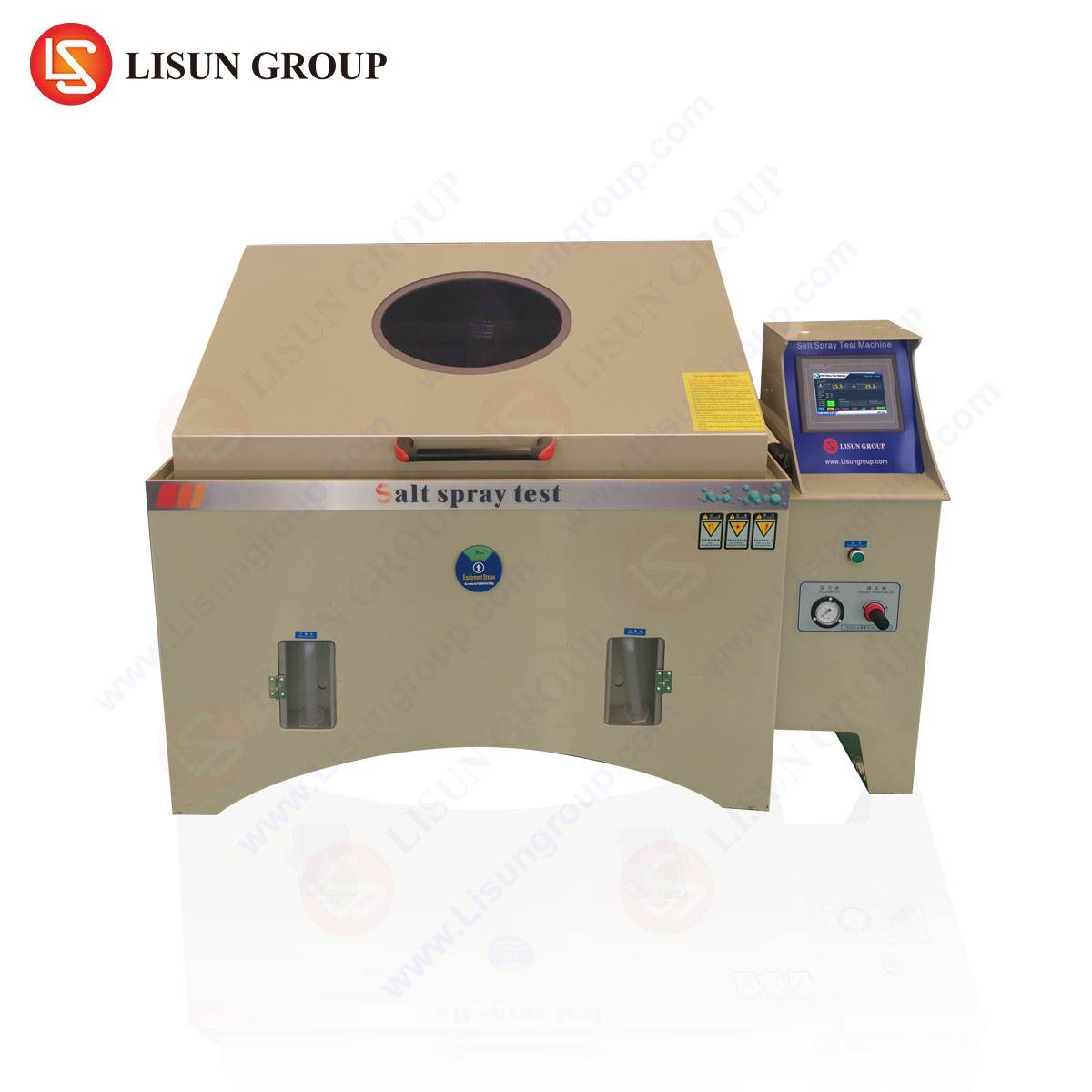
Fundamental Principles of Accelerated Salt Fog Corrosion Testing The simulation of corrosive environments to predict material and component longevity is a cornerstone of modern industrial


Fundamental Principles of Accelerated Salt Fog Corrosion Testing The simulation of corrosive environments to predict material and component longevity is a cornerstone of modern industrial
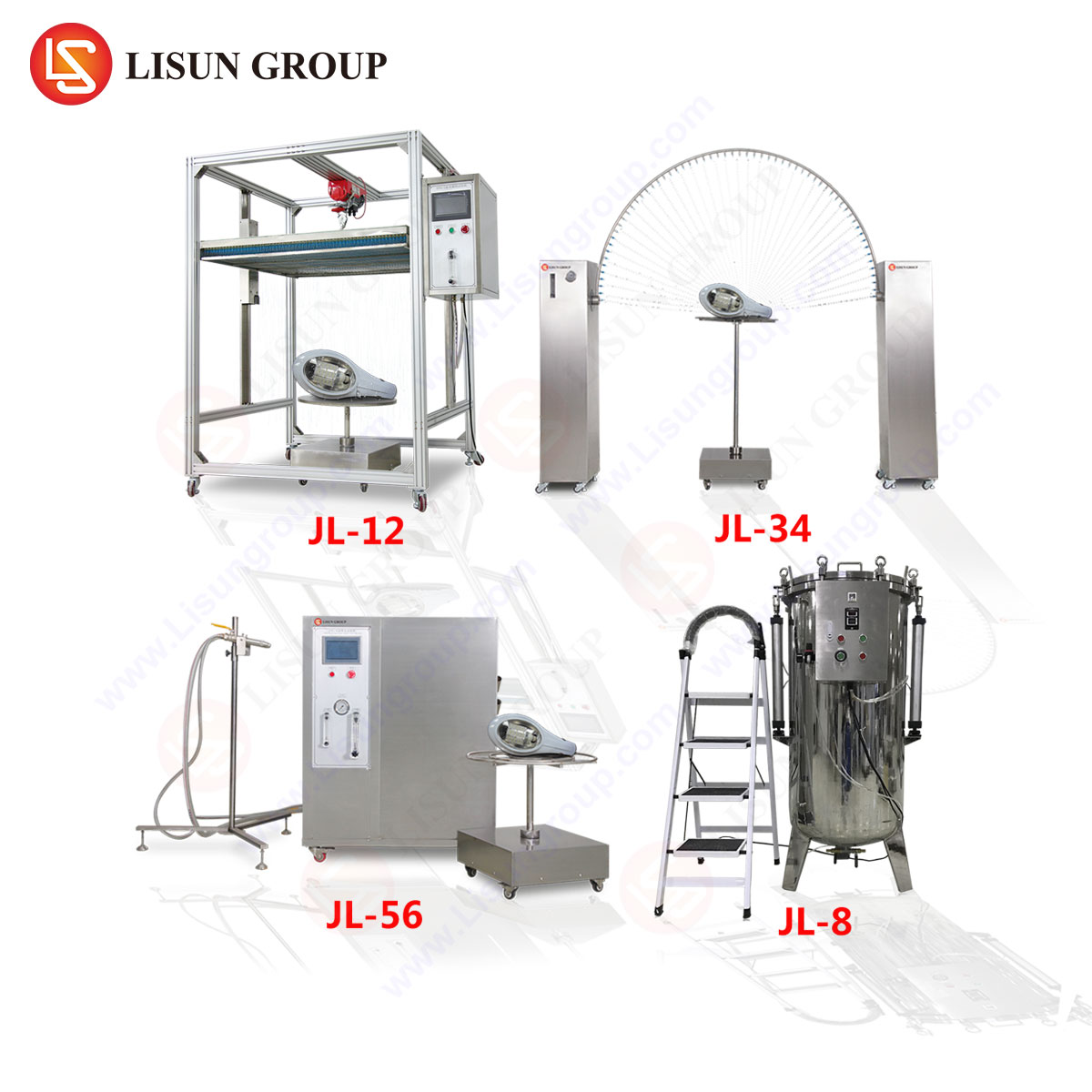
Defining Water Ingress Protection Classifications and Testing Mandates The integrity of electrical and electronic enclosures against environmental moisture is a non-negotiable prerequisite for product reliability,

An Analytical Framework for Thermal Chamber Procurement and Investment The selection and procurement of environmental test equipment represent a critical capital expenditure for research, development,

Understanding the Mechanisms of Blowing Sand and Dust Test Chambers The relentless ingress of particulate matter represents a significant failure mode for a vast array

Introduction to Mechanical Safety Probes in Product Compliance The evaluation of electrical and electronic equipment for safety hazards is a foundational element of product design

An Overview of AS/NZS 3112 and its Compliance Framework The AS/NZS 3112 standard, formally titled “Approval and test specification—Plugs and socket-outlets,” constitutes the paramount regulatory
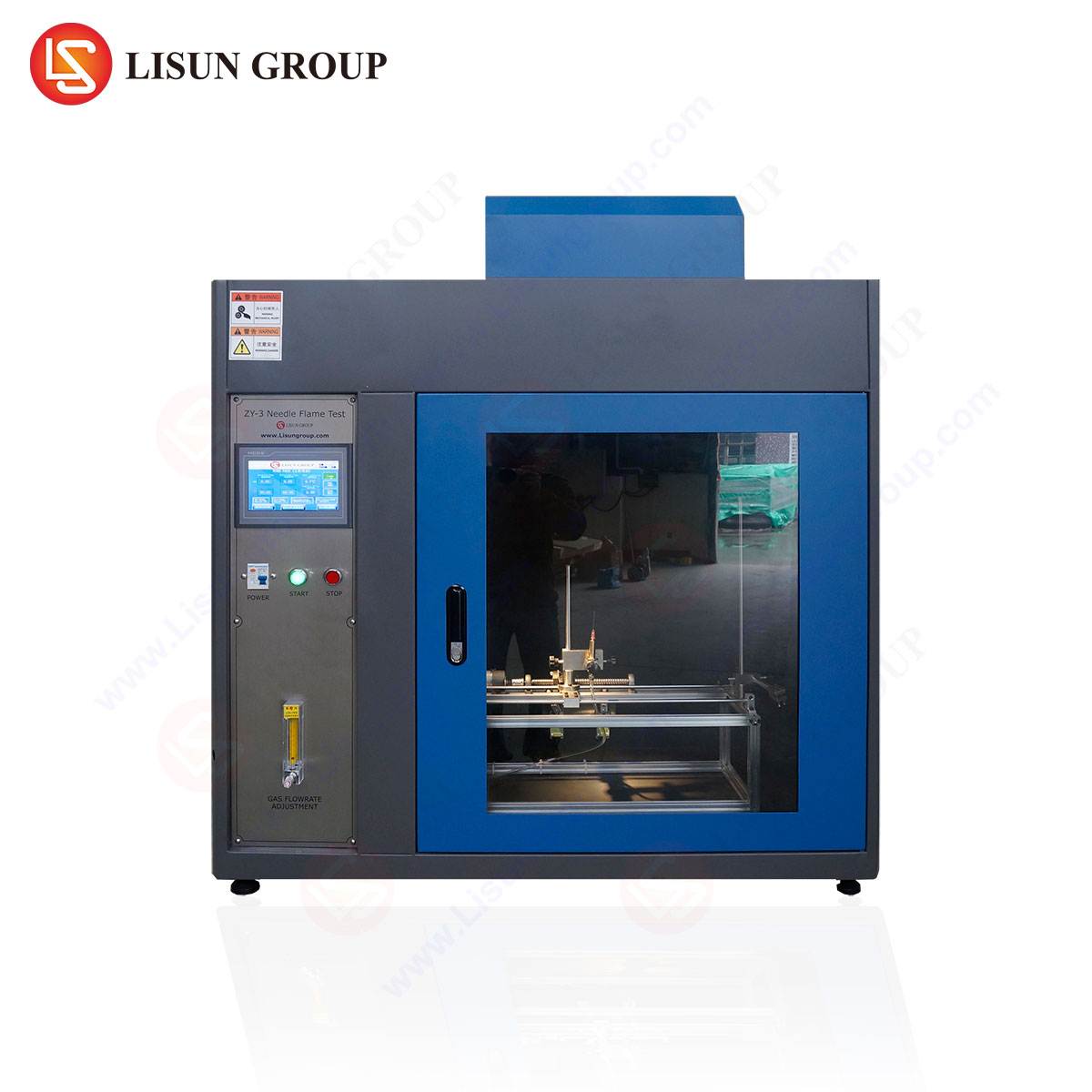
Introduction to Material Flammability in Product Safety The inherent flammability of materials used in the construction of electrical and electronic equipment represents a critical risk

Fundamentals of Accelerated Corrosion Testing The salt spray test, formally known as salt fog testing, represents a cornerstone methodology in the field of accelerated corrosion

Deciphering the IP Code: A Structural Analysis The Ingress Protection (IP) rating system, codified by the International Electrotechnical Commission standard IEC 60529, provides a systematic
 EN
EN  ES
ES  RU
RU  PT
PT  TR
TR  AR
AR  DE
DE  PL
PL  IT
IT  FR
FR  KO
KO  JA
JA  ID
ID