




Understanding IP Ratings: A Technical Framework for Enclosure Protection Testing
Introduction to Ingress Protection (IP) Codes
The Ingress Protection (IP) code, as defined by the International Electrotechnical Commission standard IEC 60529, provides a systematic and internationally recognized classification for the degree of protection offered by mechanical casings and electrical enclosures against the intrusion of solid foreign objects, dust, accidental contact, and water. This classification system is not merely a descriptive label but a rigorous, test-defined specification critical for product design, safety certification, and end-user application across virtually every industrial and consumer sector. The two-digit IP code, expressed as “IPXY,” conveys specific, tested capabilities: the first numeral (X) denotes protection against solids and contact, ranging from 0 to 6, while the second numeral (Y) indicates protection against liquids, ranging from 0 to 9K. A profound understanding of these ratings, and the standardized testing methodologies that underpin them, is essential for engineers, quality assurance professionals, and procurement specialists to ensure product reliability, longevity, and regulatory compliance in demanding environments.
Deciphering the First Digit: Solid Particle and Contact Protection
The first characteristic numeral specifies the level of protection against access to hazardous parts (e.g., live components, moving parts) and the ingress of solid foreign objects. It is a progressive scale where each level typically encompasses the protections of the lower levels.
- IP0X: No special protection.
- IP1X: Protection against solid objects greater than 50mm in diameter (e.g., back of hand).
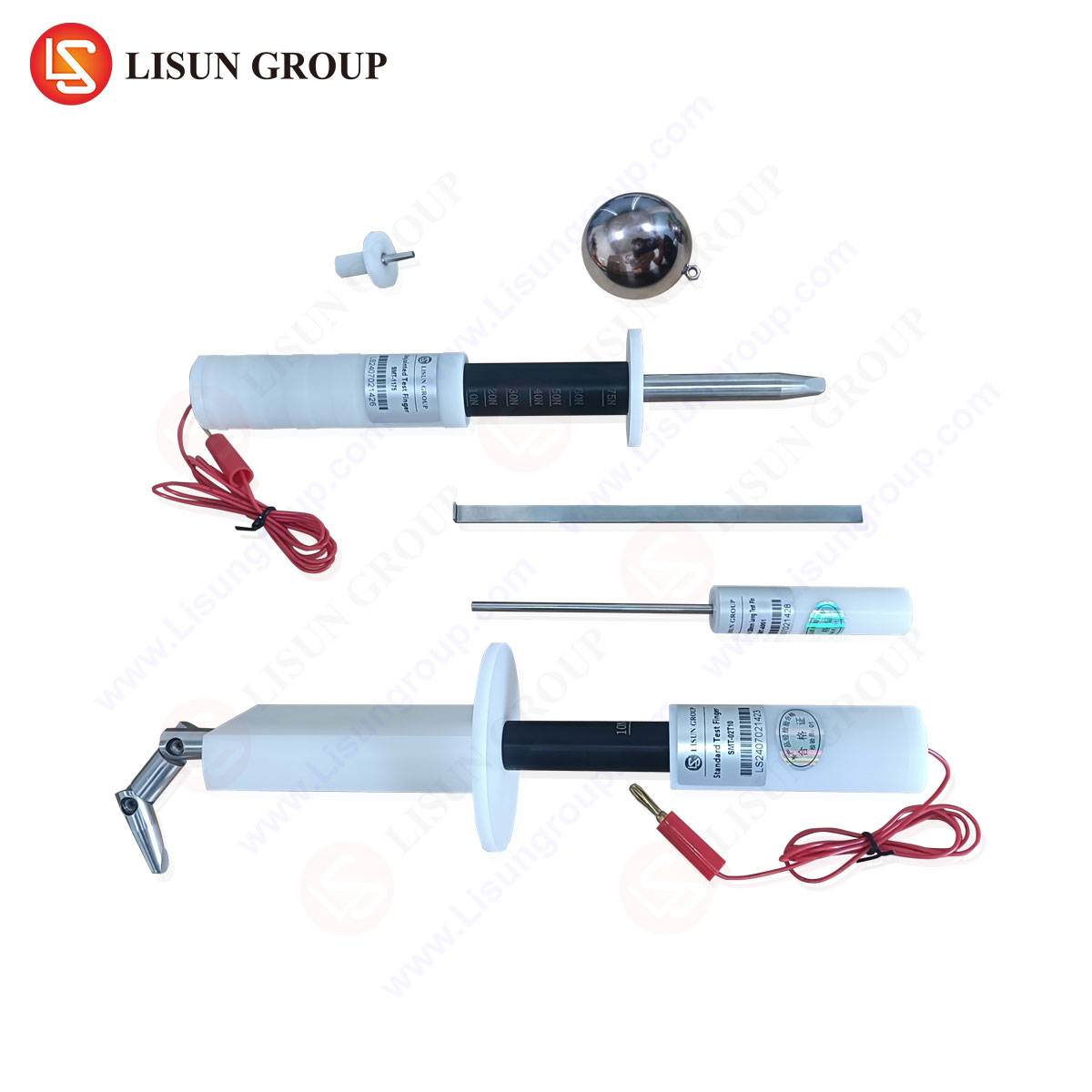
- IP2X: Protection against solid objects greater than 12.5mm in diameter (e.g., fingers).
- IP3X: Protection against solid objects greater than 2.5mm in diameter (e.g., tools, thick wires).
- IP4X: Protection against solid objects greater than 1.0mm in diameter (e.g., most wires, small screws).
- IP5X: Dust-protected. Ingress of dust is not entirely prevented, but dust cannot enter in sufficient quantity to interfere with the satisfactory operation of the equipment or impair safety.
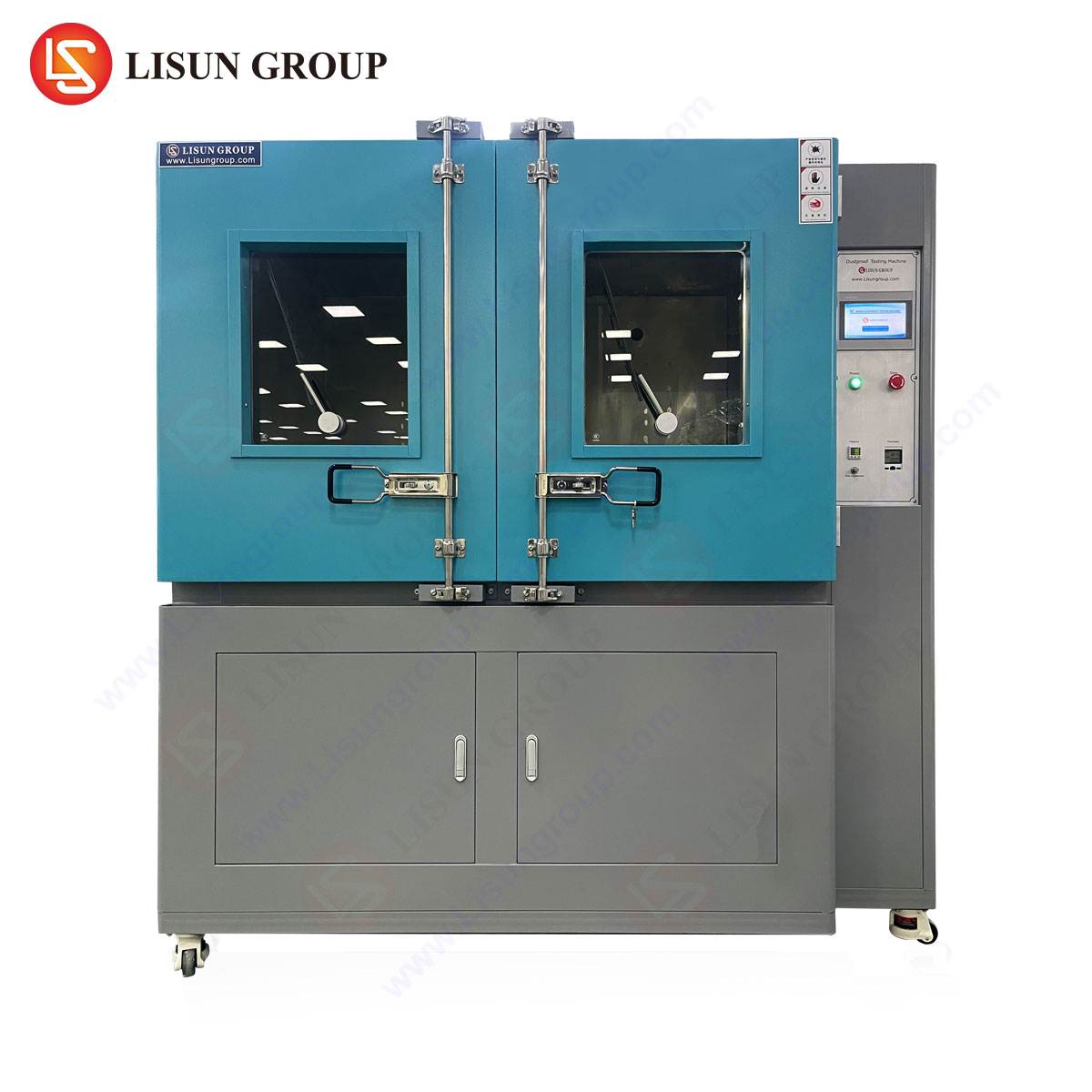
- IP6X: Dust-tight. No ingress of dust under defined test conditions involving a vacuum and talcum dust over an 8-hour period.
For electrical components such as industrial control panels, automotive electronic control units (ECUs), and medical device housings, achieving an IP5X or IP6X rating is often paramount to prevent conductive dust from causing short circuits or abrasive particles from degrading mechanical assemblies.
Interpreting the Second Digit: Liquid Ingress Protection
The second digit defines the enclosure’s protection against harmful ingress of water. This scale is not strictly cumulative; a higher number does not automatically imply resistance to all conditions denoted by lower numbers (e.g., IPX7 equipment is not necessarily suitable for IPX5 water jets). This distinction is critical and often misunderstood.
- IPX0: No protection.
- IPX1: Protection against vertically falling water drops (drip-test 1).
- IPX2: Protection against vertically falling water drops when enclosure tilted up to 15° (drip-test 2).
- IPX3: Protection against spraying water at an angle up to 60° from vertical (oscillating tube or spray nozzle test).
- IPX4: Protection against splashing water from any direction.
- IPX5: Protection against low-pressure water jets (6.3mm nozzle) from any direction.
- IPX6: Protection against powerful water jets (12.5mm nozzle) from any direction.
- IPX7: Protection against the effects of temporary immersion in water (1 meter for 30 minutes).
- IPX8: Protection against continuous immersion in water under conditions specified by the manufacturer (exceeding IPX7).
- IPX9K: Protection against close-range, high-pressure, high-temperature water jets (specified in DIN 40050-9 and ISO 20653).
The selection of an appropriate liquid ingress rating is application-specific. An outdoor lighting fixture may require IPX5 for rain and hose-down, while a submersible pump connector demands IPX8. Automotive components, particularly in wheel wells or underbodies, frequently require IPX6K or IPX9K ratings to withstand high-pressure cleaning in service stations.
The Critical Role of Standardized Waterproof Testing Equipment
Reliable IP certification is contingent upon precise, repeatable laboratory testing that faithfully replicates the conditions stipulated in IEC 60529 and related standards. The integrity of the test data directly correlates to the quality and calibration of the testing apparatus. Equipment must generate controlled, consistent, and measurable conditions for water pressure, flow rate, nozzle diameter, water temperature (for IPX9K), and immersion depth. Deviations in these parameters can lead to false positives, jeopardizing product performance in the field, or false negatives, resulting in unnecessary design costs and delays.
Advanced Testing Solutions: The LISUN JL-XC Series Waterproof Test Chamber
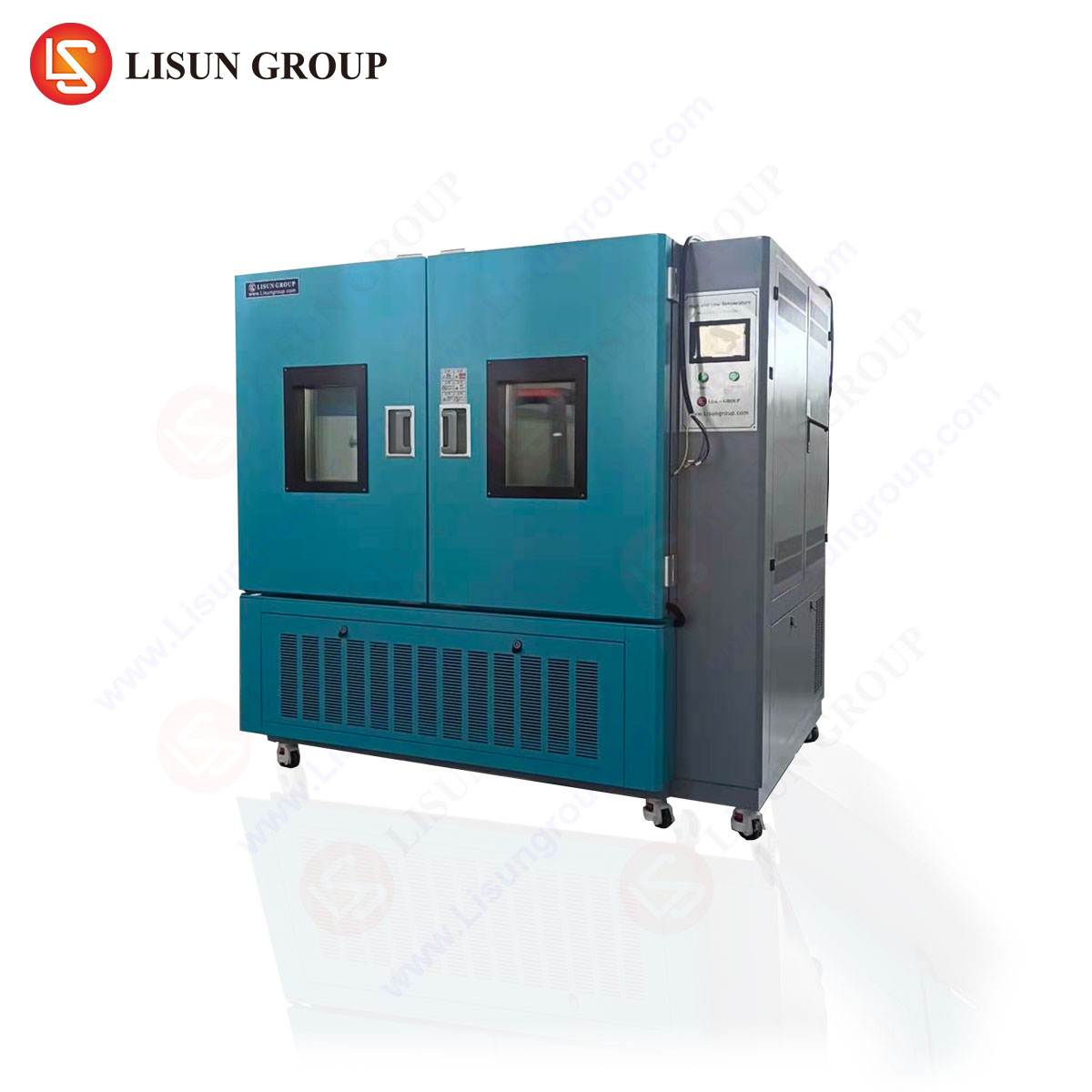
To meet the exacting demands of modern IP testing across diverse industries, advanced, integrated test systems are required. The LISUN JL-XC Series Waterproof Test Chamber represents a sophisticated platform engineered for comprehensive compliance testing from IPX1 through IPX9K. This system is designed to provide the controlled environment necessary for validating enclosure integrity with high precision.
The JL-XC Series operates on the principle of simulated environmental conditioning. It integrates multiple testing modalities into a single, programmable unit. For drip and spray tests (IPX1-IPX4), a precision-controlled water delivery system with oscillating tubes and calibrated nozzles ensures uniform coverage at specified flow rates and angles. For jet tests (IPX5-IPX6), a high-pressure pump system delivers water at defined pressures (30 kPa for IPX5, 100 kPa for IPX6 at a specified distance) via standardized nozzles. The immersion test (IPX7-IPX8) is conducted in a dedicated tank with adjustable water level controls and timing mechanisms. The IPX9K test is facilitated by a separate high-temperature, high-pressure spray system, typically operating at 80°C water temperature, 8-10 MPa pressure, and a precise 0°C to 80°C swing capability, with the specimen rotated on a turntable at 5 ±1 rpm to ensure all surfaces are challenged.
Technical Specifications and Competitive Advantages of the JL-XC Series
The JL-XC Series distinguishes itself through several key technical attributes and design philosophies. Its construction utilizes high-grade stainless steel (SUS 304) for all critical water-contact surfaces, ensuring corrosion resistance and long-term stability. The control system employs a programmable logic controller (PLC) with a touch-screen Human Machine Interface (HMI), allowing for the creation, storage, and automatic execution of complex test profiles. This automates multi-stage testing sequences—for instance, cycling a telecommunications outdoor unit through IPX5 jet testing followed by IPX7 immersion—without manual intervention, enhancing repeatability and throughput.
A significant competitive advantage lies in its modular yet integrated design. While offering a complete solution, the system’s subsystems (drip/spray, jet, immersion, IPX9K) are engineered for precise, independent operation, minimizing cross-contamination of test conditions. Furthermore, its calibration and maintenance protocols are designed for traceability to national standards, a non-negotiable requirement for accredited testing laboratories and internal QA departments of manufacturers in regulated fields like aerospace and medical devices.
Industry-Specific Applications and Use Cases
The application of rigorous IP testing via equipment like the JL-XC Series is ubiquitous across technology sectors.
- Automotive Electronics: ECUs, sensors, lighting assemblies, and charging ports are tested to IP6X9K (dust-tight and high-pressure/high-temperature wash) to endure under-hood environments and automated vehicle washing systems.
- Consumer Electronics & Telecommunications: Smartphones, smartwatches, and outdoor wireless access points are commonly validated to IP67 or IP68, ensuring resilience against accidental submersion or persistent rain.
- Industrial Control & Electrical Components: Panel-mounted switches, PLC housings, and motor drives in manufacturing facilities require IP65/66 ratings to resist dust and wash-down cleaning with pressurized hoses.
- Lighting Fixtures: Outdoor, marine, and industrial luminaires are subjected to IP65, IP66, or IP68 testing depending on their exposure to weather, jets, or permanent submersion.
- Medical Devices: Portable diagnostic equipment and surgical tools may require IP54 (splash resistance) for infection control cleaning or IP67 for sterilization via immersion.
- Aerospace & Aviation: Avionics bay components and external sensors undergo severe IP testing to ensure functionality despite condensation, rain, and pressurized fluid leaks.
Conclusion: The Imperative of Validated Protection
In an era of increasingly interconnected and environmentally exposed electronics, the IP rating serves as a fundamental lingua franca for durability and safety. It transcends marketing claims, providing a quantifiable, test-verified benchmark. The process of achieving these ratings, however, is only as credible as the testing methodology employed. Utilizing precise, standardized, and capable equipment such as the LISUN JL-XC Series is not an ancillary activity but a core component of responsible product development. It enables manufacturers to de-risk product launches, comply with international safety regulations, and ultimately deliver devices that users can trust in the face of environmental challenges, from household splashes to industrial hose-downs and beyond.
Frequently Asked Questions (FAQ)
Q1: Can a product rated IP68 automatically be considered suitable for IPX5 or IPX6 conditions?
A1: No. IP ratings are test-specific and not inherently cumulative, particularly for liquid ingress. An IPX8 rating confirms protection during continuous immersion under specified conditions. It does not guarantee resistance to the high-impact, localized force of a pressurized water jet as defined in IPX5 or IPX6 tests. A product intended for both scenarios must be explicitly tested and certified for each relevant rating (e.g., IP66/68).
Q2: What is the significance of the “K” in ratings like IPX6K and IPX9K?
A2: The “K” denotes a test condition defined by ISO 20653 and DIN 40050-9, standards frequently referenced in the automotive industry. IPX6K involves a more powerful water jet (1000 kPa at 3m) than the standard IPX6, and from multiple angles. IPX9K specifies a high-pressure, high-temperature (80°C) close-range spray test. These “K” tests represent more severe automotive-specific wash conditions.
Q3: How does the JL-XC Series ensure test reproducibility for accreditation purposes?
A3: The JL-XC Series is designed with calibration ports and interfaces that allow for direct measurement and verification of critical parameters—water pressure, flow rate, nozzle distance, turntable speed, and water temperature—using traceable instruments. Its PLC-controlled operation eliminates manual timing and pressure adjustments, while detailed test logs provide an audit trail. This closed-loop control and documentation are essential for ISO/IEC 17025 accredited testing.
Q4: For a product like an outdoor electrical socket, what IP rating is typically necessary, and which tests would the JL-XC Series perform?
A4: An outdoor electrical socket in a region with heavy rain would typically require a minimum rating of IP66 (dust-tight and protected against powerful water jets). Using the JL-XC Series, it would first undergo the IP6X dust test in a separate chamber, then the IPX6 test. The IPX6 test would involve subjecting the socket to water jets from a 12.5mm nozzle at 100 kPa pressure from all practicable angles for a minimum of 3 minutes per square meter for at least 1 minute, as per the standard.
Q5: What is the primary maintenance concern for a multi-test system like the JL-XC Series?
A5: The paramount maintenance requirement is the prevention of nozzle clogging and mineral deposit buildup, which would alter water flow patterns and pressure, invalidating tests. Regular cleaning and flushing of the water circuits with deionized water, along with periodic verification of nozzle orifice dimensions and flow rates, are critical standard operating procedures to maintain the integrity of the testing system.