




Water Testing Equipment Price Guide: A Comprehensive Analysis of Market Dynamics and Technical Specifications
Introduction: The Critical Role of Water Ingress Protection Testing
In the contemporary landscape of product design and manufacturing, ensuring the reliability and longevity of components against environmental stressors is paramount. Among these stressors, water ingress represents a significant and pervasive threat, capable of inducing catastrophic failures across a diverse array of industries. The verification of a product’s resistance to water penetration is not merely a quality assurance step; it is a fundamental requirement dictated by international safety standards, regulatory compliance, and end-user expectations. Consequently, the selection of appropriate water testing equipment is a critical decision for research and development laboratories, quality control departments, and certification bodies. This guide provides a detailed, objective analysis of the factors influencing the pricing of water testing equipment, with a specific focus on the technical parameters, testing methodologies, and economic considerations that define this specialized market segment. The discussion will integrate an examination of a representative product series, the LISUN JL-XC Series waterproof test chambers, to illustrate the practical application of these principles.
Deconstructing the Cost Architecture of Water Test Chambers
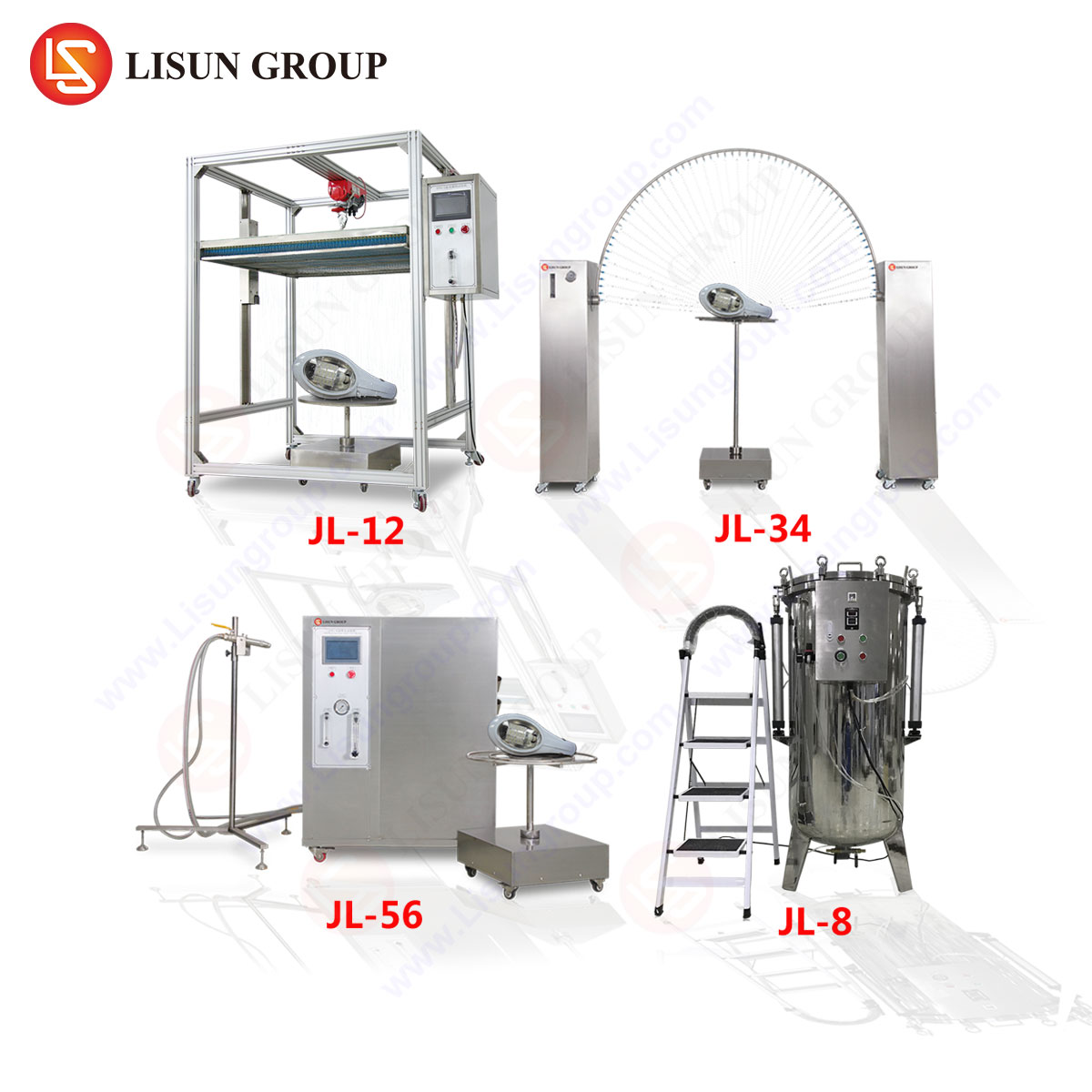
The price spectrum for water testing equipment is broad, ranging from several thousand to tens of thousands of dollars. This variance is not arbitrary but is directly correlated with the engineering complexity, performance capabilities, and regulatory adherence built into each system. A primary cost driver is the testing standard the equipment is designed to satisfy. Chambers built for basic splash resistance testing, such as that outlined in IPX1 and IPX2 of the IEC 60529 standard, involve simpler mechanics—typically a drip rail or oscillating tube—and thus command a lower price point. In contrast, equipment engineered for high-pressure, high-volume testing like IPX5 (6.3mm nozzle, 12.5 L/min) and IPX6 (12.5mm nozzle, 100 L/min) necessitates robust pump systems, large-capacity water reservoirs, precision nozzles, and heavy-duty chamber construction to withstand sustained hydraulic forces, resulting in significantly higher costs.
The chamber’s construction materials contribute substantially to both performance and price. Stainless steel (e.g., SUS304 or SUS316) is the industry benchmark for interior and critical wet components due to its superior corrosion resistance and longevity. The gauge thickness, quality of welds, and finish all impact durability. Polycarbonate or tempered glass viewing windows must be of sufficient thickness to resist deformation and provide clear observation. The sealing technology for the chamber door—often involving silicone gaskets and multi-point latching mechanisms—is a critical cost center, as it directly defines the chamber’s ability to maintain a sealed environment during pressurized tests.
Control system sophistication represents another major tier in the pricing hierarchy. Basic systems may offer manual valve control and analog pressure gauges. Mid-range to high-end systems, such as the LISUN JL-XC Series, integrate programmable logic controllers (PLCs) and touch-screen human-machine interfaces (HMIs). These allow for the automated creation, storage, and execution of complex test profiles that precisely replicate the duration, pressure, flow rate, and sample table rotation sequences mandated by standards. Integrated sensors for flow, pressure, and temperature provide real-time feedback and data logging capabilities, essential for audit trails and failure analysis. The software development for such intuitive, yet comprehensive, control interfaces represents a significant R&D investment reflected in the final price.
The JL-XC Series: A Technical Benchmark in Comprehensive Waterproof Testing
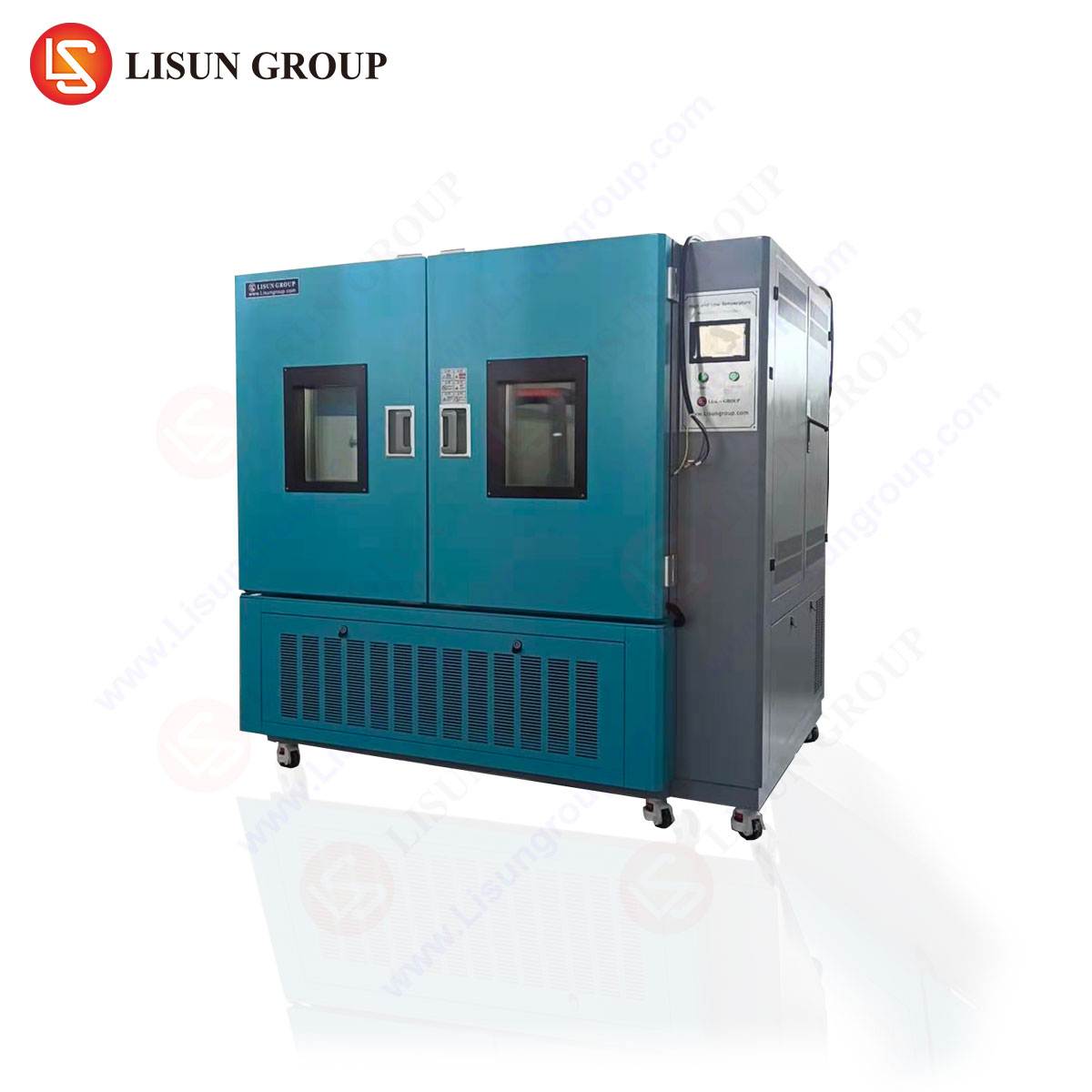
To contextualize the relationship between price and performance, an analysis of the LISUN JL-XC Series waterproof test chamber is instructive. This series is engineered as a multi-functional platform capable of performing a wide range of tests from IPX1 to IPX6, and often IPX7 (temporary immersion) and IPX8 (continuous immersion under pressure) with optional accessories, thereby consolidating multiple testing needs into a single capital asset.
The core testing principle of the JL-XC Series for IPX3 (spraying water) and IPX4 (splashing water) involves a calibrated oscillating tube or spray arm with precisely drilled nozzles, which distributes water evenly over the test specimen as it rotates on a motorized table. For IPX5 and IPX6 testing, the system switches to a high-pressure pump circuit, directing a powerful jet stream through standardized nozzles at a specified distance from the specimen. The transition between these modes is typically managed through software-controlled solenoid valves, ensuring test repeatability and operator safety.
Specifications for a representative JL-XC model might include a test chamber volume of approximately 1 cubic meter, constructed from SUS304 stainless steel. Its pump system could be capable of delivering flow rates from 0.5 L/min for drip tests up to 100 L/min at 100 kPa for IPX6 testing. The programmable sample table allows for adjustable rotation speeds between 1-5 RPM. The PLC-based control system features a 7-inch color HMI for parameter setting, profile programming, and real-time monitoring of test status, water temperature, flow rate, and test duration.
Industry-Specific Applications and Compliance Imperatives
The application of equipment like the JL-XC Series spans industries where moisture-induced failure carries high risks of safety, financial loss, or operational disruption.
In Automotive Electronics, components such as electronic control units (ECUs), sensors, lighting assemblies, and infotainment systems must withstand high-pressure washer sprays (IPX5/6) and driving rain (IPX3/4). Testing validates seals and enclosures against the ingress that could lead to short circuits or corrosion. Lighting Fixtures, both indoor and outdoor, require rigorous testing; landscape lighting may need IP67 ratings for submersion, while streetlights require IP65/66 for resistance to powerful jets. Telecommunications Equipment, including 5G outdoor radio units and fiber optic terminal enclosures, are certified to IP55 or higher to ensure network integrity in all weather conditions.
For Medical Devices, the stakes are particularly high. Equipment such as portable monitors, surgical tool handles, and external diagnostic devices may require testing for cleaning splash resistance (IPX4) or even full immersion for sterilization compliance. Aerospace and Aviation Components demand extreme reliability, with equipment testing for condensation, rain, and fluid exposure per standards like DO-160. Electrical Components such as industrial switches, sockets, and connectors are tested to prevent arcing and ground faults in humid or wet environments, often requiring IP44 or IP65 ratings.
Economic Justification: Total Cost of Ownership Versus Initial Price
A simplistic focus on the initial purchase price of water testing equipment can be myopic. A more astute financial analysis considers the Total Cost of Ownership (TCO). A lower-priced, less capable chamber may necessitate outsourcing higher-level IP tests, incurring recurring fees, logistical delays, and loss of control over the testing schedule. A multi-standard chamber like the JL-XC Series, while representing a higher initial capital outlay, consolidates testing in-house, reducing per-test costs, accelerating development cycles, and enabling immediate iterative testing during design validation.
Furthermore, equipment with higher build quality, superior corrosion-resistant materials, and a reliable control system minimizes downtime, reduces maintenance expenses, and extends the operational lifespan of the asset. The data integrity and audit trails provided by advanced digital systems also mitigate compliance risks, potentially avoiding costly product recalls or certification failures. The competitive advantage gained from a reputation for robust, reliably tested products can far outweigh the differential in equipment price.
Standards Evolution and Future-Proofing Investment
The regulatory landscape for environmental testing is not static. Standards such as IEC 60529 are periodically reviewed and updated. When procuring equipment, consideration must be given to its adaptability. Can the chamber accommodate potential changes in test parameters? Does the manufacturer offer upgrade paths for hardware or software? A modular design philosophy, evident in series like the JL-XC which allows for the addition of immersion tanks or specialized nozzle kits, protects the investment against obsolescence. This forward-looking capability is a value-added feature that is factored into the pricing of more sophisticated systems.
Conclusion: A Strategic Procurement Framework
Selecting water testing equipment is a strategic decision that intersects technical necessity, compliance mandates, and financial planning. The price guide is fundamentally a reflection of capability: materials, precision, automation, and versatility. By thoroughly understanding the specific test standards required for their product lines, the expected throughput, and the long-term TCO, procurement managers and engineers can make informed decisions. Equipment such as the LISUN JL-XC Series exemplifies the high-capability end of the market, where a comprehensive feature set justifies its position for organizations requiring rigorous, repeatable, and efficient validation of waterproof integrity across multiple product categories and protection levels. The investment, when aligned with operational needs, translates directly into enhanced product reliability, strengthened brand integrity, and reduced lifecycle risk.
FAQ Section
Q1: What is the primary difference between IPX5 and IPX6 testing, and can one chamber perform both?
A1: IPX5 testing exposes the specimen to a water jet from a 6.3mm nozzle at a flow rate of 12.5 L/min at a pressure of approximately 30 kPa from a distance of 2.5-3 meters. IPX6 uses a 12.5mm nozzle at 100 L/min and 100 kPa from the same distance, representing a significantly more powerful “water jet.” A comprehensive chamber like the JL-XC Series is designed with a dual-pump system or a single high-performance pump with regulated outputs and interchangeable nozzles to perform both tests in accordance with their respective standard parameters.
Q2: How critical is sample table rotation during testing, and is it programmable?
A2: Rotation is crucial for tests like IPX3 and IPX4, where the specimen must be exposed to water spray from all practical angles. It ensures uniform coverage and a fair test. In advanced chambers, this table is motorized and programmable. The rotation speed (e.g., 1-5 RPM) and the ability to start/stop in sync with the test cycle are essential for replicating standard procedures accurately and for testing components with directional sensitivity.
Q3: When testing to IPX7 (temporary immersion) and IPX8 (continuous immersion under pressure), what additional accessories are typically required?
A3: These tests generally require a separate immersion tank, which can often be an optional accessory for a main chamber like the JL-XC. The IPX7 tank is designed for immersion at a depth of 1 meter for 30 minutes. For IPX8, the tank must be pressurized, requiring a sealed design with a pressure gauge and a means to create and maintain the specific pressure (exceeding 1 meter depth) agreed upon between manufacturer and user, as per the standard.
Q4: What are the key maintenance requirements for a high-pressure water test chamber to ensure accuracy and longevity?
A4: Regular maintenance is vital. It includes using deionized or distilled water to prevent nozzle clogging and mineral scale buildup; periodic cleaning of filters and nozzles; checking and calibrating pressure and flow sensors annually; inspecting and cleaning door seals to ensure integrity; draining and cleaning the water tank and管路 to prevent biological growth; and verifying the mechanical function of pumps and valves. A log of all maintenance should be kept for quality audits.
Q5: Can these chambers test for other liquid ingress, such as chemicals or fuels?
A5: Standard waterproof test chambers are designed for water. Testing with corrosive chemicals, fuels, or other liquids presents significant safety and material compatibility challenges. Specialized chambers constructed with chemical-resistant materials (e.g., specific polymers or higher-grade stainless steel), specialized seals, and enhanced ventilation or containment systems are required. Using a standard water chamber for chemicals can cause severe damage to the equipment, invalidate results, and create serious safety hazards.