




Advanced Environmental Simulation: The Role of High-Performance Temperature Humidity Chambers in Product Validation
The relentless drive for miniaturization, increased functional density, and global market deployment of modern technological products has precipitated a concomitant escalation in the stringency of reliability testing protocols. Within this framework, environmental stress screening (ESS) and accelerated life testing (ALT) have become indispensable phases of the product development lifecycle. High-performance temperature humidity chambers, sophisticated instruments designed to simulate and exceed the climatic extremes a product may encounter, serve as the cornerstone of these validation processes. Their operational precision, control stability, and reproducibility directly correlate with the fidelity of test results, thereby influencing critical decisions regarding design robustness, material selection, and warranty forecasting.
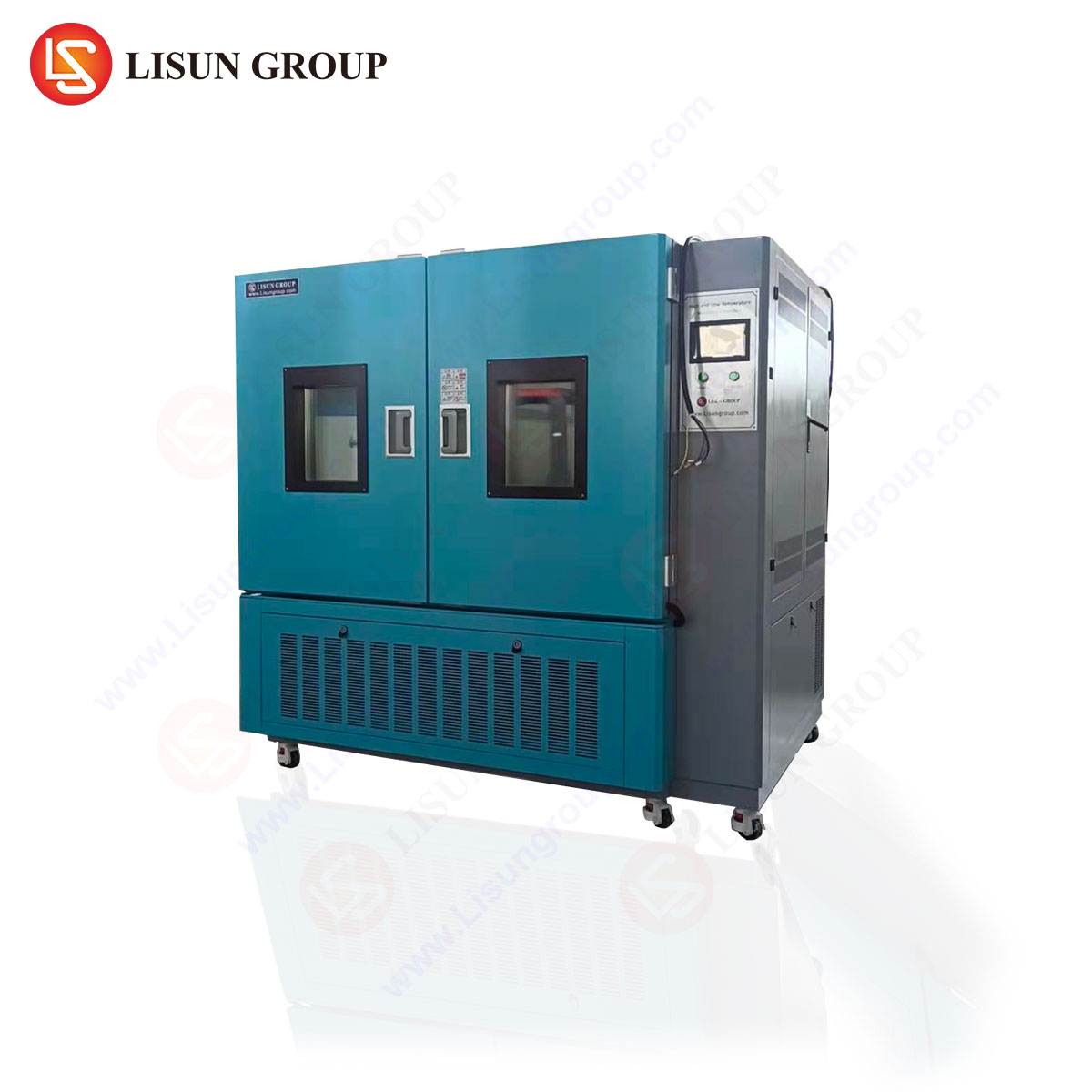
This technical examination delves into the engineering principles, application methodologies, and performance criteria that define contemporary high-performance chambers. A particular focus is placed on a representative advanced model, the LISUN GDJS-015B Temperature Humidity Test Chamber, to illustrate the translation of theoretical requirements into practical, industry-deployed instrumentation.
Fundamental Thermodynamic and Psychrometric Principles in Chamber Design
The core function of a temperature humidity chamber is the precise generation and maintenance of a defined volume of air at a target temperature and relative humidity (RH). This process is governed by the interdependent laws of thermodynamics and psychrometrics. The chamber must manipulate the sensible heat (temperature) and latent heat (moisture content) of the internal air mass with minimal spatial deviation (uniformity) and temporal fluctuation (stability).
Sensible heat control is typically achieved through a refrigeration circuit, often employing a cascade system for extended low-temperature ranges (e.g., -70°C), and electrical heaters for rapid temperature elevation. The more complex challenge lies in humidity control. High humidity generation is commonly accomplished via a boiler system that injects pure, distilled steam into the air stream, avoiding contamination. Dehumidification, particularly at sub-ambient temperatures, requires precise coordination between the refrigeration system and the heating elements. As air is cooled below its dew point, moisture condenses on the evaporator coils; subsequent reheating of this dehumidified air allows for precise low-humidity setpoints. The accuracy of this process hinges on the responsiveness of the control algorithm and the quality of the sensor feedback, with platinum resistance temperature detectors (PRTs) and capacitive polymer RH sensors being industry standards for high-fidelity measurement.
Architectural Components Defining Chamber Performance
The performance envelope of a chamber is determined by the integration and quality of its subsystems. The air circulation system must be engineered to achieve high laminar flow without creating localized high-velocity streams that could cause unrealistically high convective heat transfer on test specimens. Multi-blade centrifugal fans and strategically placed baffles are employed to optimize uniformity.
The thermal insulation of the test workspace, usually constructed from high-density polyurethane foam with stainless steel cladding, is critical for energy efficiency and minimizing thermal leakage. The integrity of the seal on the access door, often using dual silicone rubber gaskets and a mechanical locking mechanism, is paramount to prevent ingress of ambient air and loss of conditioned air, which would destabilize the internal environment.
Perhaps the most critical subsystem is the control and instrumentation architecture. Modern chambers utilize programmable logic controllers (PLCs) or dedicated microprocessor-based controllers with PID (Proportional-Integral-Derivative) tuning capabilities. Advanced units feature multi-segment programming, allowing for the creation of complex temperature and humidity profiles that simulate diurnal cycles, geographical climatic conditions, or accelerated stress sequences. Real-time data logging and remote monitoring via Ethernet or RS-232/485 interfaces are now essential features for integration into laboratory information management systems (LIMS).
The LISUN GDJS-015B: A Case Study in Integrated Testing Solution Design
The LISUN GDJS-015B Temperature Humidity Test Chamber exemplifies the application of these principles into a robust testing platform. Its specifications are engineered to meet the rigorous demands of international testing standards such as IEC 60068-2-1, IEC 60068-2-2, IEC 60068-2-30, and MIL-STD-810.
Key Specifications:
- Temperature Range: -70°C to +150°C
- Humidity Range: 20% to 98% RH
- Temperature Fluctuation: ≤±0.5°C
- Temperature Uniformity: ≤±2.0°C (per chamber load specifications)
- Humidity Deviation: ±2.5% RH (for conditions >75% RH); ±3% RH (for conditions ≤75% RH)
- Rate of Change: Approximately 1.0°C/min to 1.5°C/min (linear, over specified ranges, dependent on load)
- Internal Volume: 150 Liters
- Inner Chamber Material: Mirror-finished SUS304 stainless steel
- Refrigeration System: Cascade compression using eco-friendly refrigerants
- Controller: Touch-screen programmable controller with 120-group program storage, 1200-step segment capacity, and USB data export.
The GDJS-015B employs a balanced pressure humidity sensor, which offers superior long-term stability compared to some capacitive sensors, especially in high-humidity, high-temperature environments. Its cascade refrigeration system, featuring two independent cooling circuits, enables reliable attainment of -70°C while maintaining the capacity to handle the latent heat loads during humidity cycling. The mirror-finish stainless steel interior not only provides corrosion resistance but also facilitates cleaning and minimizes adsorption/desorption effects that could impact humidity ramp rates.
Industry-Specific Application Protocols and Use Cases
The utility of a chamber like the GDJS-015B is realized through its application across diverse industries, each with unique failure modes and relevant standards.
Automotive Electronics & Aerospace Components: These sectors require validation against extreme operational and storage environments. Tests include thermal cycling (-40°C to +125°C) with humidity to precipitate solder joint fatigue, conductive anodic filament (CAF) growth, and delamination. Damp heat steady-state tests (e.g., 85°C/85% RH for 1000 hours) assess the long-term stability of conformal coatings, encapsulants, and microcircuits under high moisture ingress pressure. Aerospace applications may involve rapid decompression cycles following humidity exposure to test for condensation-induced short circuits.
Telecommunications Equipment & Industrial Control Systems: Products in these fields are often deployed in uncontrolled environments like outdoor cabinets or factory floors. Cyclic humidity tests (IEC 60068-2-30), which incorporate repeated condensation and drying phases, are critical for evaluating seal integrity, PCB corrosion resistance, and the performance of connectors and switches. The programmable multi-segment capability of advanced chambers is essential for replicating these complex profiles.
Medical Devices & Electrical Components: For patient-connected devices and critical safety components, reliability is non-negotiable. Chambers perform accelerated aging studies (following Arrhenius or Peck models) to establish shelf life and service intervals. Humidity testing validates the hermeticity of sealed relays, the insulation resistance of sockets and switches, and the material compatibility of polymers and adhesives used in device assembly.
Lighting Fixtures & Consumer Electronics: LED drivers, power supplies, and integrated circuits within these products are subjected to combined temperature-humidity-bias (THB) testing. Applying electrical bias during environmental exposure accelerates electrochemical migration and corrosion, identifying potential field failures related to dendrite growth or parasitic leakage paths on fine-pitch circuitry.
Quantifying Performance: Metrics Beyond Basic Range Specifications
While temperature and humidity ranges are primary selection criteria, several nuanced performance metrics are equally critical for high-performance testing.
Uniformity and Stability: As noted in the GDJS-015B specifications, uniformity (spatial gradient) and fluctuation (temporal stability) are distinct parameters. Poor uniformity means components in different locations within the workspace experience different stress levels, invalidating comparative results. Instability adds noise to the test, making it difficult to correlate failures with specific environmental conditions.
Ramp Rate Fidelity and Overshoot Control: The ability to faithfully follow a programmed rate of change, and to minimize overshoot upon reaching a setpoint, is vital for tests simulating real-world transitions. Excessive overshoot can induce thermal shock, an unintended stress that confounds test objectives. The control algorithm’s sophistication directly impacts this performance aspect.
Recovery Time Post-Door Opening: In production testing environments, chambers are frequently accessed to load or unload samples. The speed with which the chamber can re-establish stable temperature and humidity conditions after a door event affects throughput and test consistency. This is a function of the oversizing of the heating, cooling, and humidification systems relative to the chamber volume and the aggressiveness of the control response.
Data Integrity and Traceability: For compliance with quality standards like ISO/IEC 17025, the calibration traceability of chamber sensors and the secure, unalterable logging of all test parameters (including setpoints, actual values, and system status) are mandatory. The controller’s data handling capabilities are therefore a key component of the overall system performance.
Methodological Considerations for Valid and Reproducible Testing
The most advanced chamber cannot compensate for poor test methodology. Sample selection, fixturing, and load configuration profoundly influence outcomes. Test specimens should be representative of production units and must be functionally monitored during exposure where possible. The chamber load should not exceed 20-30% of the free workspace volume, and samples must be arranged to ensure unobstructed airflow. The use of thermal mass simulators during chamber performance qualification (per ASTM E145, IEST-RP-PR003) is recommended to ensure specifications are met under realistic load conditions.
Furthermore, the selection of the test profile must be scientifically justified. A highly accelerated stress test (HAST) using conditions of 110°C/85% RH is useful for rapid failure mode identification but may introduce failure mechanisms not seen in field use. The correlation between accelerated test results and actual field reliability requires careful analysis and often historical data.
Conclusion
High-performance temperature humidity chambers are not merely “ovens” or “climate rooms”; they are precision instruments for environmental simulation. Their role in de-risking product development, ensuring compliance with international safety and reliability standards, and ultimately protecting brand reputation is indispensable. As technological products continue to evolve, pushing the boundaries of material science and electronic integration, the demands on these testing platforms will only intensify. Units like the LISUN GDJS-015B, with their broad operational ranges, tight control tolerances, and robust data management features, represent the class of instrumentation necessary to meet these challenges, providing engineers with the reliable, reproducible data required to make informed decisions in an increasingly competitive global marketplace.
FAQ Section
Q1: What is the significance of the humidity range starting at 20% RH in a chamber like the GDJS-015B? Why not 10% or 0%?
Achieving and controlling very low humidity levels (below 20% RH) at elevated temperatures is exceptionally challenging and requires specialized desiccant-based drying systems, which add significant cost and complexity. For the vast majority of industrial and consumer product testing standards (IEC, MIL, JIS), a lower limit of 10-20% RH is sufficient. Tests requiring ultra-dry conditions, such as certain material drying or lithium-ion battery testing, are niche applications typically addressed by dedicated equipment.
Q2: How often should the sensors in a high-performance chamber be calibrated, and what does the process entail?
It is recommended that temperature and humidity sensors be calibrated at least annually, or more frequently if the chamber is in continuous heavy use or used for compliance testing. The process involves inserting NIST-traceable reference probes at multiple locations within the empty, stabilized workspace. The readings from the chamber’s internal sensors are compared against the reference standards across several setpoints (e.g., low temperature, high temperature/high humidity). The controller may then be adjusted to correct any deviation, ensuring measurement traceability.
Q3: Can I test products that dissipate significant heat inside the chamber?
Yes, but it requires careful consideration. The chamber’s rated performance assumes a specified thermal load, often detailed in the technical specifications. A self-heating product (e.g., a powered server blade or motor) adds heat to the workspace, which the chamber’s refrigeration system must compensate for. This can reduce the maximum achievable low temperature, slow cooling rates, and potentially affect uniformity. It is crucial to consult the chamber’s load vs. performance curves and possibly conduct a load validation test with the actual product under power.
Q4: What is the purpose of using a cascade refrigeration system, as in the GDJS-015B?
A cascade system uses two separate refrigeration circuits. The first stage cools the second stage’s condenser, allowing the second stage to achieve much lower evaporator temperatures than a single-stage system could. This is necessary to reliably reach and maintain temperatures in the -40°C to -70°C range, especially when the chamber must also handle the latent heat load from humidity generation. It provides greater capacity and stability at deep temperatures compared to alternative methods.
Q5: For cyclic corrosion tests or tests involving salt spray, is a standard temperature humidity chamber suitable?
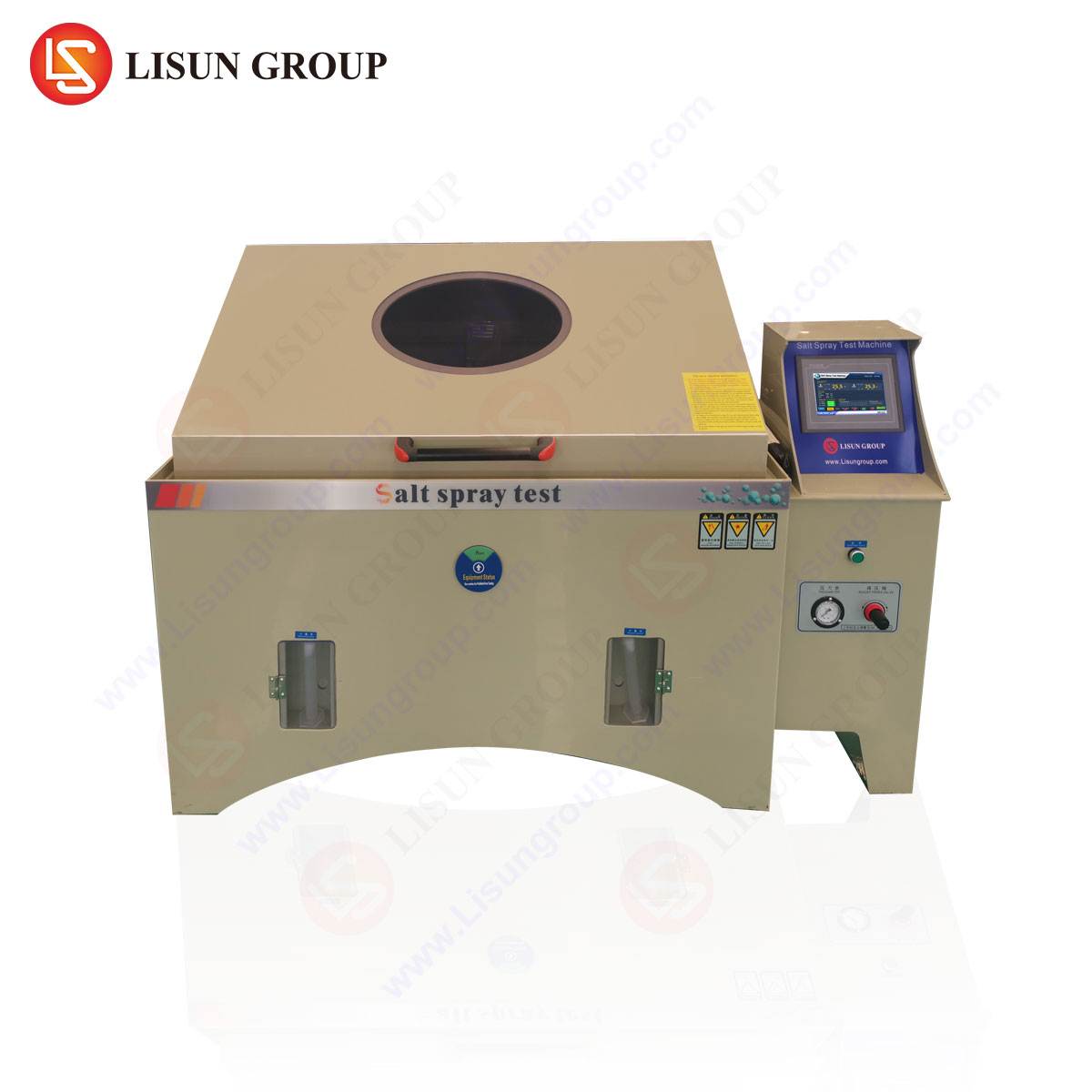
No. While some tests combine humidity cycles with salt fog exposure, a standard temperature humidity chamber is not constructed to handle corrosive salts. The interior, sensors, and air circulation system would be rapidly degraded. For such tests, a dedicated cyclic corrosion chamber, built with corrosion-resistant materials like titanium or specialized plastics and equipped with a salt solution reservoir and fogging apparatus, is required. The GDJS-015B is designed for clean humidity (using distilled water steam) and temperature stress.