


Understanding the Imperative of Dust and Sand Ingress Testing in Modern Industry
In the contemporary landscape of product reliability engineering, environmental stress testing has emerged as a non-negotiable prerequisite for ensuring long-term operational integrity. Among the most pernicious environmental stressors is particulate contamination—dust and sand—which can infiltrate enclosures, abrade moving components, compromise dielectric properties, and induce thermal management failures. The consequences of inadequate protection against particulate ingress range from intermittent electrical faults in consumer electronics to catastrophic failures in aerospace actuation systems. As such, the deployment of specialized dust sand test equipment has become integral to quality assurance protocols across multiple industrial verticals. This guide provides a detailed examination of the standards governing such testing, the operational principles of key equipment, and the application-specific considerations that engineers must navigate to achieve compliance and performance assurance. Particular attention is devoted to the LISUN SC-015 Dust Sand Test, a versatile chamber designed to replicate the harsh particulate environments specified in international normative documents.
Foundational Standards Governing Dust and Sand Testing Protocols
The regulatory backbone for dust and sand ingress testing is primarily defined by the International Electrotechnical Commission (IEC) 60529 standard, which classifies degrees of protection provided by enclosures, commonly known as Ingress Protection (IP) ratings. Specifically, IP5X and IP6X represent the two principal classifications for dust ingress. IP5X denotes that dust ingress is not entirely prevented but must not interfere with satisfactory operation, while IP6X requires a completely dust-tight seal. The testing methodology for these classifications is detailed in IEC 60529, which mandates the use of a defined talcum powder dust with specific particle size distribution and requires that the enclosure be subjected to an air-cycling chamber for a duration of eight hours. Additionally, the MIL-STD-810 standard, particularly Method 510, addresses sand and dust testing for military equipment, employing a more aggressive formulation of silica sand with controlled particle morphology to simulate desert and arid operational theaters. The International Organization for Standardization (ISO) 20653 standard extends these concepts to road vehicles, specifying dust testing conditions for electrical and electronic components used in automotive applications. Each of these standards imposes distinct requirements regarding dust concentration, particle velocity, temperature, humidity, and test duration, necessitating equipment capable of precise environmental control. The LISUN SC-015 Dust Sand Test is engineered to comply with these multiple normative frameworks, offering programmable parameters that allow seamless transition between IEC, MIL, and ISO testing regimes.
LISUN SC-015 Dust Sand Test: Operational Architecture and Specifications
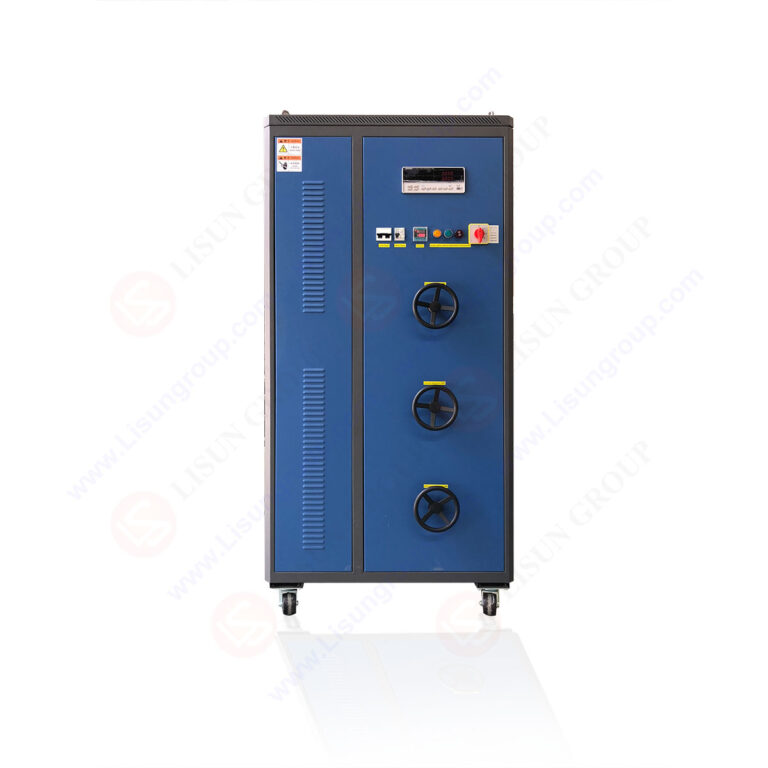
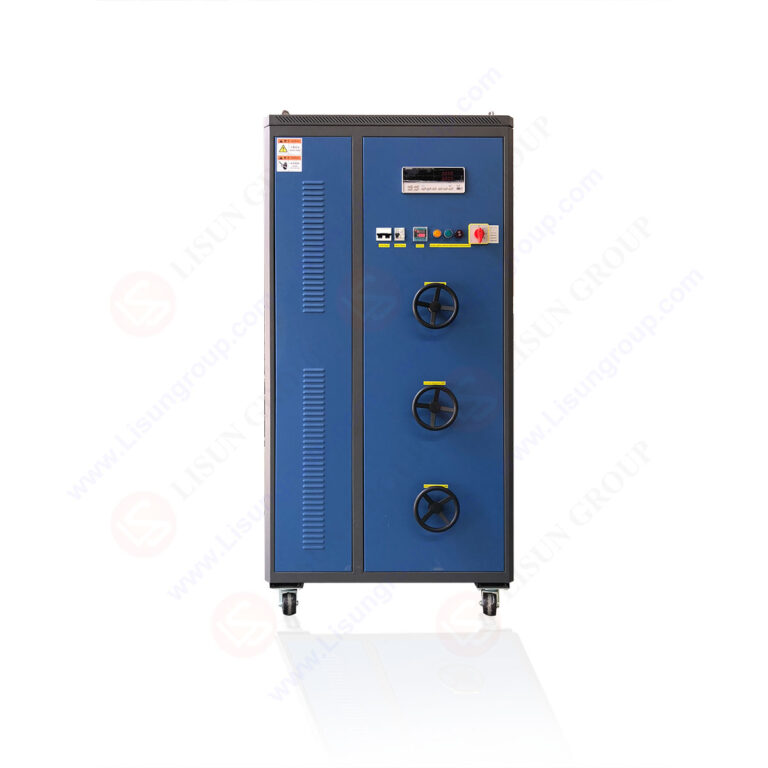
The LISUN SC-015 Dust Sand Test chamber represents a purpose-built solution for conducting both dust and sand ingress evaluations in accordance with global standards. The equipment employs a closed-loop air circulation system that suspends particulate matter within a sealed test volume, creating a uniform concentration field around the device under test (DUT). The chamber’s construction utilizes corrosion-resistant stainless steel, with a tempered glass observation window enabling real-time visual monitoring of the test specimen without compromising environmental integrity. The internal dimensions of the SC-015 are 1000 mm × 1000 mm × 1000 mm, accommodating DUTs with substantial form factors, including industrial control cabinets and automotive subassemblies. The key specifications of this system are summarized in Table 1, which illustrates its versatility across different testing standards.
Table 1: LISUN SC-015 Dust Sand Test – Core Technical Specifications
| Parameter | Specification |
|---|---|
| Internal Dimensions (W×D×H) | 1000 × 1000 × 1000 mm |
| Temperature Range | Ambient to +70°C |
| Humidity Range | < 30% RH (controlled) |
| Dust Concentration | 2 kg/m³ (adjustable) |
| Air Velocity | 0.5 – 10 m/s (adjustable) |
| Dust Type | Talcum powder (IEC 60529) / Silica sand (MIL-STD-810) |
| Control System | Programmable logic controller with touchscreen interface |
| Test Duration | 1 – 999 hours (continuous or cyclic) |
| Compliance | IEC 60529, MIL-STD-810, ISO 20653, DIN 40050-9 |
The airflow management system in the SC-015 is critical to achieving repeatable results. Air is drawn from the chamber, passed through a particle injection mechanism, and reintroduced via diffusers that prevent direct impingement on the DUT. This recirculation method ensures that dust or sand remains suspended throughout the test volume, mitigating the risk of gravitational settling that could produce non-uniform exposure. The chamber’s temperature control capability allows testing at elevated ambient conditions, which can accelerate seal degradation and reveal failure modes that might remain latent under standard room temperature testing. Furthermore, the programmable logic controller facilitates the execution of complex test profiles, including cyclic temperature changes and intermittent dust injection, enabling simulation of diurnal environmental variations found in desert or industrial applications.
Application-Specific Testing Requirements Across Diverse Industries
Electrical and Electronic Equipment and Household Appliances
For electrical and electronic equipment installed in uncontrolled indoor environments, such as manufacturing floors or residential basements, dust ingress can accumulate on printed circuit boards, leading to conductive bridging and electrochemical migration. Household appliances like washing machines and air conditioning units often house control electronics in compartments that may experience dust infiltration over extended service lives. Testing these products under the IP5X or IP6X regimes using the LISUN SC-015 ensures that enclosure seals, gaskets, and venting mechanisms provide the intended protection. The chamber’s ability to maintain stable dust concentration allows engineers to differentiate between marginal seal performance and complete barrier failure, data that is essential for iterative design improvement.
Automotive Electronics and Lighting Fixtures
In the automotive sector, electronic control units (ECUs), sensors, and lighting systems must function reliably despite exposure to road dust, brake debris, and airborne particulates. The ISO 20653 standard imposes stringent requirements for components mounted in under-hood and wheel-well locations where particulate loading is intense. The LISUN SC-015’s adjustable air velocity parameter is particularly valuable here, as it can simulate the aerodynamic forces that entrain dust into connector interfaces and housing seams. For lighting fixtures, both automotive and architectural, dust accumulation on optical surfaces can degrade illuminance and alter beam patterns. Testing ensures that lens seals can withstand the pressure differentials that occur during thermal cycling, which can cause dust ingress even in nominally sealed units.
Industrial Control Systems and Telecommunications Equipment
Industrial controllers, programmable logic controllers (PLCs), and variable frequency drives are frequently deployed in factories where grinding, cutting, and material handling generate significant airborne particulate loads. Telecommunications equipment, including base stations and data center servers, often operates in rooftop enclosures or remote cabinets that must resist dust infiltration over decade-long service intervals. The MIL-STD-810 sand testing protocol, executable on the SC-015, uses coarser silica particles that can abrade connector contacts and wear down mechanical interlocks. For these applications, the test chamber’s ability to accommodate DUTs with external cabling and conduit connections (via sealed ports) is a practical advantage, allowing evaluation of entire system interfaces rather than isolated components.
Medical Devices and Aerospace Components
Medical diagnostic equipment intended for use in clinical environments must adhere to ingress protection standards to prevent contamination of sensitive optical and pneumatic systems. Similarly, aerospace and aviation components—such as avionic displays, actuators, and environmental control system valves—must survive the sand-laden environments of desert airfields or low-altitude helicopter operations. The evaluation of such components under the LISUN SC-015’s controlled conditions provides quantifiable evidence of compliance with regulatory mandates. For aerospace applications, where failure is unacceptable, the chamber’s ability to run extended duration tests (up to 999 hours) enables accelerated life testing that simulates years of field exposure within a compressed timeframe.
Electrical Components, Cable Systems, and Office Equipment
Switches, sockets, relays, and other electromechanical components are susceptible to dust-induced contact wear and arcing. Cable connectors and wiring systems, particularly those used in outdoor or industrial environments, require verification that their sealing mechanisms remain effective after repeated mating cycles. Office equipment such as printers and multifunction devices often incorporate cooling fans that actively draw dust into their enclosures, necessitating robust filtration and sealing strategies. The SC-015’s dual-mode operation for both dust and sand testing allows manufacturers to address these disparate failure modes using a single test platform, reducing capital expenditure and laboratory footprint.
Consumer Electronics
The consumer electronics industry, with its high volume and rapid product cycles, demands testing equipment that delivers fast, repeatable results. Smartphones, wearables, and portable speakers are increasingly marketed with IP5X or IP6X ratings as competitive differentiators. The LISUN SC-015’s programmable control system allows quality assurance engineers to create predefined test recipes for different product families, ensuring standardized evaluation criteria across production batches. Its compliance with IEC 60529 ensures that test results are recognized by regulatory bodies and retailers globally, facilitating market access.
Comparative Performance and Competitive Advantage of the LISUN SC-015
When positioned against alternative dust sand test chambers available in the market, the LISUN SC-015 exhibits several distinguishing characteristics. First, its integrated dual-mode capability eliminates the need for separate dust and sand test chambers, a significant advantage for laboratories with limited floor space. Second, the precision of its air velocity control—achieved through a variable-speed fan and calibrated flow sensors—exceeds the minimum requirements of the governing standards, providing a safety margin that enhances test reproducibility. Third, the chamber’s temperature conditioning system allows simultaneous evaluation of thermal and particulate effects, a coupled stress condition that is often more representative of real-world service environments than isolated testing. Table 2 presents a comparative analysis of the SC-015 against generic industry baseline specifications.
Table 2: Comparative Analysis – LISUN SC-015 vs. Industry Baseline
| Feature | Industry Baseline Requirement | LISUN SC-015 Capability |
|---|---|---|
| Temperature Control | None required (ambient only) | Ambient to +70°C |
| Particle Material | Single type per test setup | Dual-type support (talcium and silica) |
| Air Velocity Control | Fixed or two-speed | Variable 0.5 – 10 m/s, programmable |
| Test Volume | Typically 500 mm³ | 1000 mm³ cubic chamber |
| Control Interface | Manual timers | PLC with data logging and remote access |
| Compliance Range | Single standard | Multi-standard (IEC, MIL, ISO, DIN) |
The chamber’s user interface, while intuitive, includes advanced diagnostic functions that allow operators to monitor dust concentration in real time and adjust injection rates to maintain target levels. This closed-loop feedback ensures that test conditions remain within specification even during prolonged runs, a critical factor when validating products intended for long-term field deployment.
Operational Considerations and Best Practices for Dust Sand Testing
Achieving reliable test results requires meticulous attention to pre-test conditioning, particle preparation, and post-test analysis. Before initiating a test sequence with the LISUN SC-015, the DUT should be cleaned to remove any residual contamination that might confound test results. For IP6X compliance testing, the DUT must be subjected to a vacuum draw of sufficient magnitude to induce inward airflow through any potential leak paths, validating that the seal is hermetic under negative pressure conditions. The dust medium itself requires careful handling; talcum powder should be dried to a specified moisture content to prevent agglomeration, which can lead to non-uniform sedimentation within the chamber. The SC-015’s desiccant-based humidity control system maintains the internal relative humidity below 30%, preserving the flow characteristics of the particulate medium throughout the test duration. Post-test evaluation involves both visual inspection and functional testing of the DUT to confirm that no operational degradation has occurred. In cases where dust penetration is observed, microscopic analysis of ingress patterns can inform design modifications such as adding labyrinth seals, increasing gasket compression, or relocating vent openings.
Conclusion: The Strategic Role of Standardized Dust Sand Testing in Product Development
The proliferation of electronic systems into every facet of modern life has elevated environmental ingress testing from a niche qualification activity to a fundamental pillar of product development. The standards that govern these tests—IEC 60529, MIL-STD-810, ISO 20653—provide a common language for specifying enclosure performance, but the value of these standards is realized only through the use of equipment that can implement their protocols with precision and repeatability. The LISUN SC-015 Dust Sand Test chamber addresses this need by offering a versatile, multi-standard platform that accommodates device under test from consumer electronics to aerospace components. Its engineering features, from programmable airflow control to integrated temperature conditioning, equip test engineers with the tools necessary to uncover latent failure modes and validate design robustness. For organizations committed to delivering products that perform reliably in dusty and sandy environments, investment in such equipment represents not merely a compliance cost, but a strategic asset that drives quality, reduces field failures, and enhances brand reputation.
Frequently Asked Questions
Q1: What is the difference between IP5X and IP6X testing, and can the LISUN SC-015 perform both?
IP5X testing permits some dust ingress, provided it does not interfere with safe or satisfactory operation, while IP6X requires a completely dust-tight enclosure. The LISUN SC-015 can execute both protocols by adjusting the test duration and operating conditions. For IP6X, a vacuum draw is applied to the DUT during the test to ensure no dust penetration occurs under negative pressure conditions.
Q2: What type of dust or sand is used in the chamber, and is it reusable?
For IEC 60529 testing, the chamber uses talcum powder with controlled particle size distribution. For MIL-STD-810 testing, silica sand with specific particle morphology is employed. The particulate medium is typically single-use to prevent contamination from previous tests and to maintain consistent particle characteristics as specified in the standards.
Q3: How long does a typical dust ingress test take, and can the chamber run unattended?
Standard IP5X and IP6X tests run for eight continuous hours. However, the LISUN SC-015 can be programmed for durations up to 999 hours for accelerated life testing. The chamber’s PLC control system includes safety interlocks and data logging, allowing unattended operation with remote monitoring capabilities.
Q4: Can the chamber test devices that require external power or data connections during the test?
Yes, the LISUN SC-015 is equipped with sealed cable feedthrough ports that allow power and signal cables to pass into the chamber without compromising the internal environmental conditions. This enables functional testing of the DUT during dust exposure to detect intermittent failures or performance degradation.
Q5: What are the maintenance requirements for the LISUN SC-015 chamber?
Regular maintenance includes cleaning the chamber interior after each test to prevent cross-contamination, inspecting and replacing door seals as needed, and calibrating the air velocity sensors and temperature controllers at intervals specified in the user manual. The particle injection system should be inspected for blockages periodically, particularly when switching between dust and sand media.