


Technical Foundations of the IP Code and Dust Protection Classification
The International Electrotechnical Commission’s standard 60529, commonly referred to as the Ingress Protection (IP) Code, establishes a globally recognized framework for rating the degree of protection provided by enclosures against the intrusion of solid foreign objects, including dust, and liquids. Among the most stringent and operationally critical assessments within this standard is the dust ingress test, which determines an enclosure’s ability to prevent particulate matter from compromising internal components. The standard defines two principal dust protection ratings: IP5X, signifying dust-protected operation where ingress is not entirely prevented but does not interfere with satisfactory performance, and IP6X, which demands dust-tight integrity where no ingress of dust occurs under specified test conditions. Achieving these ratings requires rigorous adherence to defined methodologies, test durations, and environmental controls, with particular emphasis on the selection of appropriate test apparatus capable of producing consistent, reproducible results across laboratories and manufacturing facilities worldwide.
The dust test procedure itself, as outlined in IEC 60529, mandates the use of a closed-loop dust circulation chamber wherein talcum powder—specified with a particle size distribution not exceeding 75 micrometers—is maintained in suspension within a controlled airflow. The enclosure under test is subjected to this environment for a duration typically spanning eight hours, unless the internal vacuum pressure or other operational conditions dictate alternative parameters. The pass-fail criterion hinges upon visual inspection and functional verification: any accumulation of dust within the enclosure that degrades electrical clearances, impedes moving parts, or compromises insulation resistance constitutes a failure. It is imperative for design engineers and quality assurance teams to recognize that dust ingress testing is not merely a procedural formality but a predictive tool for assessing long-term reliability in real-world environments ranging from arid construction sites to cleanroom-adjacent manufacturing floors.
LISUN SC-015 Dust Sand Test Chamber: Engineering Specifications and Operational Principles
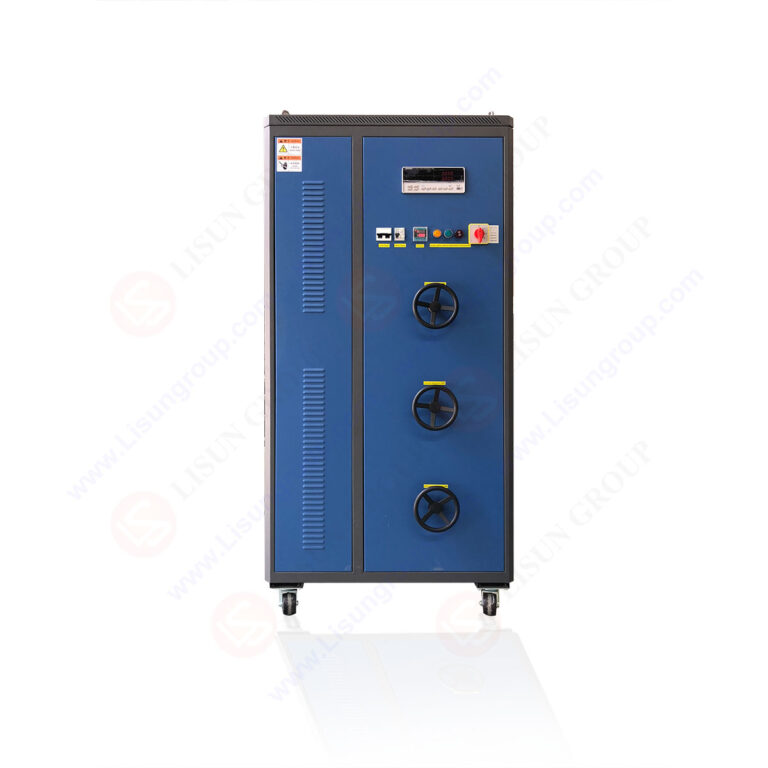
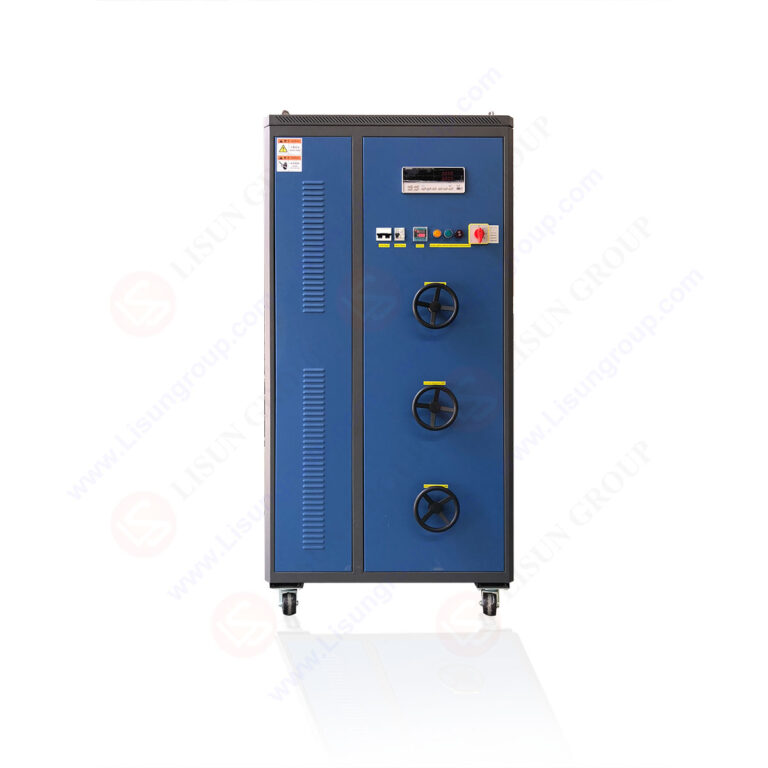
Among the commercially available solutions for conducting IEC 60529 dust ingress testing, the LISUN SC-015 Dust Sand Test Chamber has garnered recognition for its precise control over test parameters and robust construction tailored for prolonged industrial use. The chamber is designed to accommodate test specimens of varying dimensions, with an internal capacity of 1000 liters, providing ample space for enclosures typical of industrial control panels, lighting fixtures, automotive control units, and telecommunications equipment. The unit operates with a user-programmable microprocessor that governs dust concentration, airflow velocity, temperature, and test duration, ensuring compliance with both IEC 60529 and the related ISO 20653 standard commonly referenced in automotive applications.
The SC-015 employs a stainless steel interior lining resistant to corrosion and abrasion from continuous dust recirculation. A high-efficiency blower system generates a wind speed adjustable between 0 and 10 meters per second, which is critical for suspending talcum powder uniformly throughout the test volume. The unit includes a heated air injection system that maintains chamber temperature within a range of 20°C to 50°C, with stability within ±2°C, thereby preventing condensation that could alter dust adhesion characteristics. The dust concentration is maintained at a density of 5 kilograms per cubic meter, as specified by the standard, and is continuously monitored through an optical sensor feedback loop. This level of automation reduces operator variability and enhances repeatability, a critical advantage when certifying products across multiple production batches. The table below summarizes key specifications of the LISUN SC-015 relevant to IEC 60529 compliance testing.
| Parameter | Specification | Standard Reference |
|---|---|---|
| Internal chamber volume | 1000 liters | Sufficient for enclosures up to 1.5 m × 1.0 m × 0.8 m |
| Dust type | Talcum powder, <75 μm particle size | IEC 60529 Clause 13.4 |
| Dust concentration | 5 kg/m³ | As per test condition 2 |
| Air velocity range | 0 – 10 m/s adjustable | IEC 60529 Clause 13.4.2 |
| Temperature control | 20°C – 50°C, ±2°C stability | Prevents moisture interference |
| Test duration | Programmable, up to 999 hours | Standard 8-hour cycle adequate for IP5X/IP6X |
| Control interface | Touchscreen PLC with data logging | For audit trail and batch certification |
Dust Testing Principles: Particle Dynamics, Vacuum Differential, and Seal Integrity Mechanisms
The physical principles underlying dust ingress testing extend beyond simple exposure to particulate-laden air. A comprehensive understanding of particle dynamics is necessary to interpret test results and predict real-world performance. Dust particles within the chamber are subjected to electrostatic forces, gravitational settling, and aerodynamic drag, all of which influence deposition patterns on enclosure surfaces. The IEC 60529 protocol requires that the chamber maintain a minimum air velocity of 2 meters per second across the test specimen to ensure adequate particle suspension, yet the standard also acknowledges that worst-case conditions may require static pressure differentials generated by internal vacuum pumps. For IP6X testing, a vacuum pressure of up to 20 kPa is drawn inside the enclosure prior to test commencement, creating a pressure gradient that forces dust inward through any existing gaps or fissures. This method tests not only the physical barrier properties of seals and gaskets but also the structural rigidity of the enclosure under negative pressure.
Seal integrity, therefore, becomes the principal determinant of dust ingress success. Gasket materials such as silicone, neoprene, and EPDM rubber exhibit varying compression-set characteristics and temperature resistance, which directly affect long-term sealing performance. The LISUN SC-015 chamber accommodates the installation of vacuum connectors and pressure monitoring ports, enabling real-time tracking of internal enclosure pressure during the test cycle. This feature allows engineers to correlate pressure decay rates with potential leak paths, thereby facilitating iterative design improvements. For medical devices, where contamination by even trace amounts of dust could compromise sterility or sensor accuracy, such diagnostic data is invaluable. Similarly, in aerospace and aviation components, where altitude-induced pressure differentials are routine, the vacuum-enhanced dust test provides a more realistic simulation of operational stressors than simple ambient exposure.
Industry-Specific Applications of IEC 60529 Dust Ingress Testing
The relevance of IEC 60529 dust ingress testing spans a broad spectrum of industrial sectors, each with unique failure modes and reliability requirements. In the automotive electronics industry, for instance, engine control units (ECUs), transmission controllers, and sensor modules are frequently mounted in under-hood or underbody locations where exposure to road dust, brake debris, and airborne particulates is inevitable. An IP6X rating for such components is often a prerequisite for OEM approval, as dust ingress can lead to corrosion of solder joints, abrasion of wire insulation, and malfunction of MEMS-based accelerometers. The LISUN SC-015 has been employed by tier-one automotive suppliers to validate the sealing of connector interfaces and housing vents, particularly for electric vehicle battery management systems where conductive dust bridging could create short circuits.
Household appliances, including washing machines, refrigerators, and air conditioning units, are tested to ensure that dust accumulation does not impair motor ventilation or electronic control board performance. In regions with high ambient dust levels, such as the Middle East or parts of Asia, appliance manufacturers routinely specify IP5X protection for fan motors and compressor terminals. The SC-015’s ability to program cyclic temperature changes during dust exposure allows simulation of day-night thermal cycling, which can cause gasket expansion and contraction that exacerbates seal wear. For lighting fixtures, particularly those used in outdoor street lighting, stadium floodlights, and industrial high-bay installations, dust ingress can sharply reduce luminous efficacy by coating reflectors and lenses. Testing under the SC-015 with both horizontal and vertical specimen orientations ensures that gravitational settling patterns do not produce false negative results.
Industrial control systems, such as programmable logic controllers (PLCs) and variable frequency drives (VFDs) deployed in cement plants, grain silos, and mining operations, face some of the most aggressive dust environments. Here, the economic consequences of downtime due to dust-induced failures are substantial. The SC-015’s data logging capability, which records temperature, pressure, and dust concentration at one-minute intervals, provides an auditable trail that is often required for insurance compliance and warranty validation. In telecommunications equipment, where fiber optic splice enclosures and base station cabinets are located in rooftop or pole-mounted installations, dust ingress can degrade signal integrity through micro-bending losses and connector contamination. Testing under IEC 60529 with the SC-015 has become a standard step in the product development lifecycle for 5G infrastructure providers.
Comparative Advantages of the LISUN SC-015 Over Alternative Dust Test Solutions
When evaluating dust test chambers for laboratory or production-line deployment, several factors distinguish the LISUN SC-015 from competing offerings. First, the chamber’s sealed dust recycling system minimizes operator exposure to airborne particulate, an important workplace safety consideration given the known respiratory hazards of prolonged talc inhalation. Unlike open-loop designs that exhaust dust-contaminated air into the laboratory environment, the SC-015 recirculates the dust medium through a cyclonic separator and filter array, capturing particles down to 0.3 micrometers before reintroduction. This closed-loop architecture also reduces consumable dust usage by approximately 40% compared to single-pass systems, yielding operational cost savings over the chamber’s service life.
Second, the SC-015’s touchscreen interface provides a level of programmability that supports both standard compliance testing and customized research protocols. Users can define multistage test profiles that combine temperature ramps, vacuum pulses, and intermittent dust injection cycles. For example, a test protocol for a cable and wiring system intended for outdoor use might involve two hours of dust exposure at 40°C, followed by a one-hour temperature ramp to 10°C to simulate nighttime condensation, then a vacuum hold at 15 kPa for thirty minutes. This flexibility allows the chamber to serve dual purposes for product development and final certification, reducing the need for separate equipment investments. The integrated data acquisition system exports results in CSV and PDF formats compatible with major quality management software platforms, streamlining documentation for ISO 9001 and IATF 16949 audits.
Third, the SC-015’s robust mechanical construction, including a stainless steel dust outlet valve rated for over one million cycles, addresses a common failure point in lesser chambers where dust accumulation in valves and blowers leads to performance degradation over time. The chamber includes an automatic cleaning cycle that purges residual dust from internal surfaces after each test, preventing cross-contamination between specimens of different compositions or cleanliness requirements. This feature is particularly important for medical device manufacturers who must avoid carryover of metal particles or chemical residues from previous tests. For office equipment and consumer electronics, where aesthetic considerations often demand dust-free assembly, the cleaning cycle ensures that the chamber itself does not become a source of contamination.
Calibration, Verification, and Compliance with International Testing Standards
Ensuring the validity of dust ingress test results requires regular calibration of the test chamber and adherence to verification procedures specified in IEC 60529 and companion standards such as IEC 60068-2-68 for environmental testing. The LISUN SC-015 supports both on-site calibration using external reference instruments and automated self-diagnostic routines that verify air velocity uniformity, temperature stability, and dust concentration at multiple points within the chamber volume. The manufacturer recommends annual recalibration of the optical dust density sensor and blower tachometer, with documented traceability to national standards laboratories. For laboratories seeking accreditation under ISO/IEC 17025, the SC-015’s data integrity features—including password-protected test parameters and tamper-evident logs—facilitate compliance with the documentation requirements of accreditation bodies.
Verification of dust concentration is typically performed using gravimetric sampling methods, wherein a glass fiber filter is installed at a known location within the chamber and weighed before and after a defined exposure period. The SC-015 includes a dedicated sampling port that allows the insertion of a filter cassette without opening the main chamber door, maintaining test integrity. The acceptable tolerance for dust concentration is ±20% of the specified 5 kg/m³, though the SC-015’s closed-loop control typically achieves deviations of less than 5% under steady-state conditions. This precision is critical for tests where marginal failures may occur near the pass-fail threshold, as even minor concentration variations could influence results. For automotive electronics adhering to ISO 20653, which imposes additional requirements for dust particle size distribution and electrostatic charge neutralization, the SC-015 can be equipped with an optional ionizer that reduces particle agglomeration and ensures more uniform suspension.
Practical Considerations for Test Setup, Specimen Preparation, and Result Interpretation
The preparation of test specimens for IEC 60529 dust ingress testing involves several procedural steps that directly influence the repeatability and relevance of results. Enclosures must be thoroughly cleaned and dried before testing to remove any residual lubricants, machining oils, or moisture that could trap dust or alter seal swelling. All cable glands, vents, and drain holes must be configured in their operational state, with any intended sealing plugs or breathable membranes installed as in normal use. For electrical components such as switches and sockets, the actuating elements (e.g., pushbuttons, toggles) must be cycled a predetermined number of times before testing to simulate wear, and then tested in the position that presents the largest potential opening. The LISUN SC-015’s interior is fitted with adjustable mounting rails and removable shelves that accommodate specimens of various geometries, allowing secure positioning without blocking airflow paths.
During the test, it is common to observe dust accumulation on external surfaces long before any internal ingress occurs. This external coating does not constitute a failure, nor does it necessarily indicate seal inadequacy. However, if the enclosure is equipped with optical components such as window indicator lamps or sensor lenses, external dust can be interpreted as ingress if visual inspection is the sole criterion. The standard therefore mandates that internal openings be examined under magnification if necessary, and that functional tests—such as dielectric withstand voltage or continuity checks—be performed after dust exposure to verify that no latent damage has occurred. For cable and wiring systems, insulation resistance measurements before and after the dust test provide quantitative evidence of seal degradation, with typical pass criteria requiring a minimum resistance of 1 megohm at 500 volts DC. The SC-015’s data logging system can integrate these measurements if external test instruments are connected via its auxiliary communication ports.
Frequently Asked Questions
Q1: What is the difference between IP5X and IP6X dust protection ratings when using the LISUN SC-015?
IP5X permits limited dust ingress that does not interfere with satisfactory operation or impair safety, and is verified by exposing the enclosure to a dust-laden atmosphere for eight hours with internal pressure maintained at atmospheric levels. IP6X requires dust-tight performance with no ingress whatsoever, and is tested with a vacuum of 20 kPa drawn inside the enclosure before dust exposure begins. The SC-015 supports both protocols through programmable vacuum control and pressure monitoring.
Q2: Can the LISUN SC-015 be used for testing products that require compliance with other international standards besides IEC 60529?
Yes, the chamber is configurable to meet the test parameters of ISO 20653 (automotive), MIL-STD-810H (military), and various manufacturer-specific specifications. The adjustable air velocity, temperature range, and programmable test cycles allow adaptation to standards that may require different dust densities, particle sizes, or exposure durations. However, verification of dust particle size distribution must be performed separately using a laser diffraction analyzer.
Q3: How frequently should the dust medium in the SC-015 be replaced to maintain test validity?
The manufacturer recommends replacing the talcum powder after every 50 test cycles or every six months, whichever occurs first, to avoid particle size degradation due to attrition and contamination from test specimen residues. A simple periodic verification using a sieve analysis kit is advised between full replacements to ensure that no more than 5% of particles exceed the 75-micrometer upper limit.
Q4: What is the typical test duration for household appliances seeking IP5X certification using the SC-015?
The standard test duration is eight consecutive hours of exposure unless the product’s internal volume is less than 10 liters, in which case an alternative procedure with vacuum extraction may apply. The SC-015 can be programmed for extended durations up to 100 hours for testing that simulates accelerated aging or extreme environmental exposure, though such extended tests must be justified by a risk assessment and agreed upon with the certifying body.
Q5: Are there any special safety precautions required when operating the LISUN SC-015 with talcum powder?
Operators should wear appropriate personal protective equipment, including disposable respirators with N95 or higher rating, safety goggles, and anti-static laboratory coats, when opening the chamber after test completion. The chamber’s integrated vacuum clean-out system reduces airborne dust during door opening, but residual settled dust on specimens and chamber walls may become aerosolized. The unit should be installed in a well-ventilated area or under a dedicated exhaust hood.