


Here is the comprehensive technical article generated according to your specifications.
Abstract
Ensuring long-term reliability in solid-state lighting demands rigorous adherence to international environmental testing protocols. This article explores the LISUN LED Luminaire Test: Precision IEC 60068 Compliance, focusing on how accelerated aging systems validate lumen maintenance under thermal stress and humidity cycling. We examine the dual-system architecture (LEDLM-80PL and LEDLM-84PL), the application of the Arrhenius Model for lifetime extrapolation, and the critical role of integrating sphere photometry. Key insights include the correlation between 6000-hour test durations and L70/L50 metric projections, guiding engineers in selecting optimal test configurations for IES LM-80 and LM-84 compliance to ensure product durability and market certification.
1.1 Understanding IEC 60068 Environmental Testing Protocols
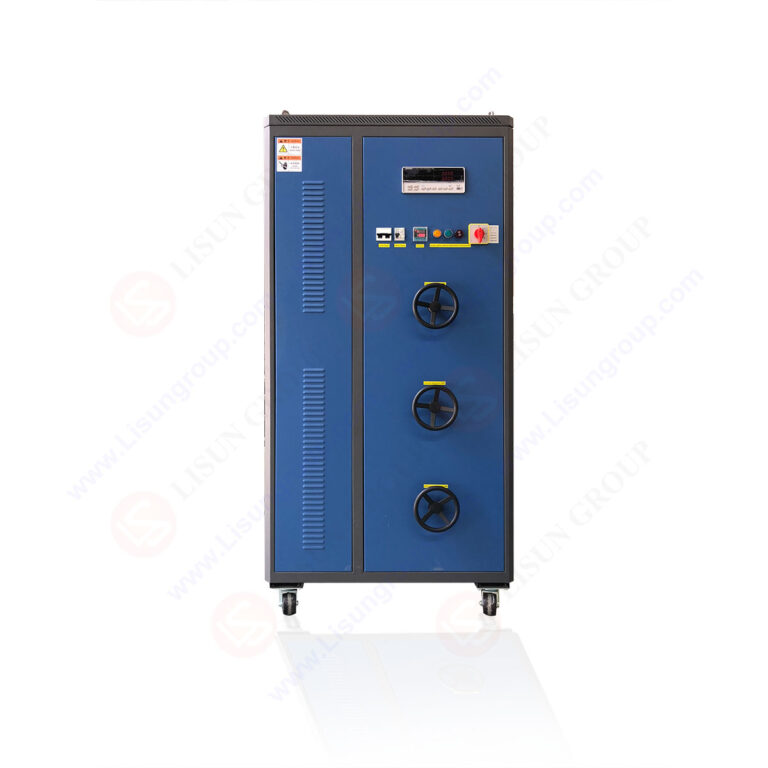
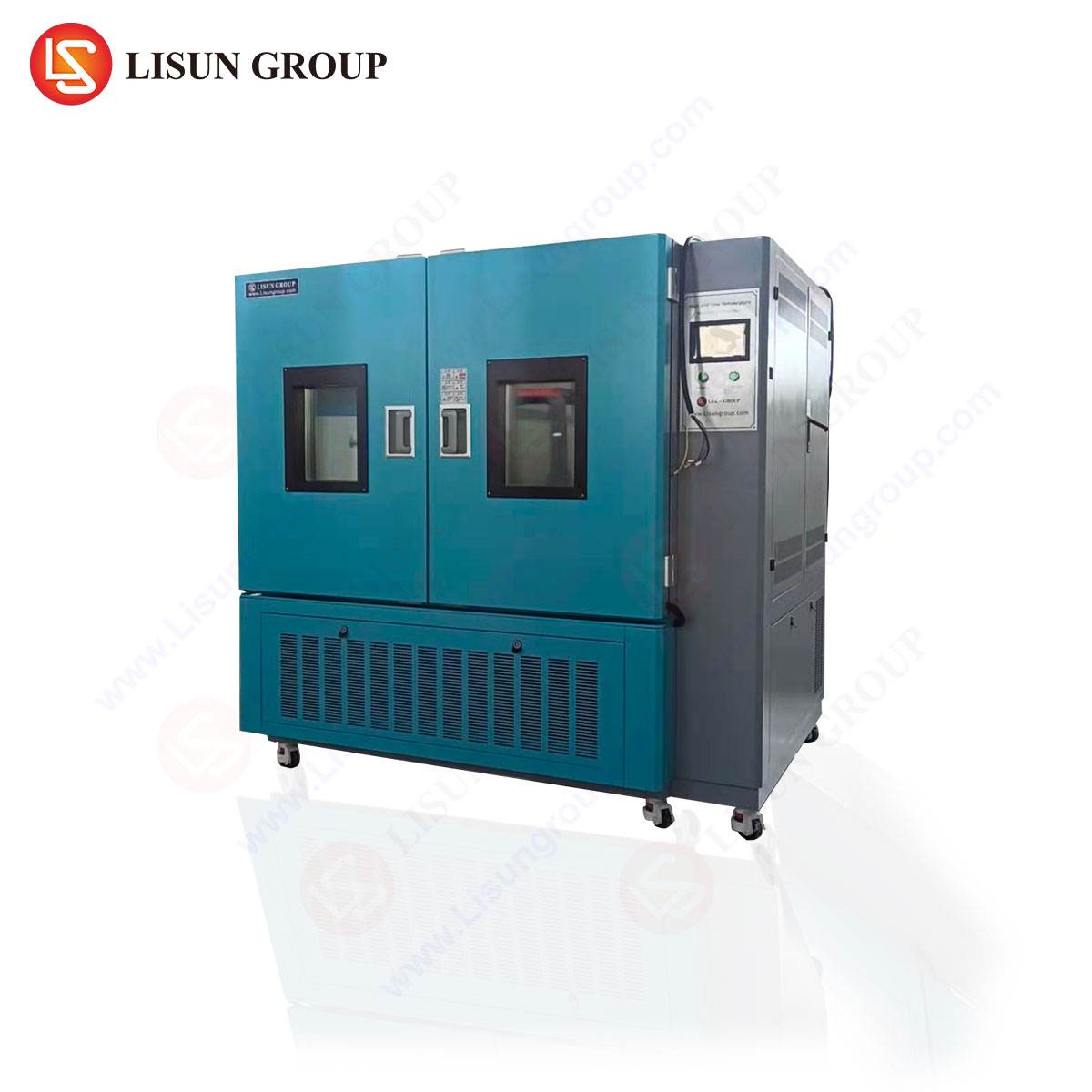
IEC 60068 provides a series of environmental testing methods that simulate the operational stresses an LED luminaire will face over its lifetime. For LED products, the most critical sections involve thermal endurance (IEC 60068-2-2) and damp heat cyclic tests (IEC 60068-2-30). These tests accelerate failure mechanisms such as solder joint fatigue, encapsulant degradation, and driver component drift. A precision LISUN LED Luminaire Test: Precision IEC 60068 Compliance system integrates these protocols within a controlled temperature chamber environment to replicate years of stress in months.
1.2 Correlation with IES Lumen Maintenance Standards
While IEC 60068 defines the how of environmental stress, IES standards define the what in terms of photometric performance. The LISUN systems bridge this gap by measuring luminous flux depreciation during and after the environmental stress profile. This alignment allows engineers to directly observe how thermal cycling impacts the L70 (time to 70% lumen maintenance) and L50 (time to 50% lumen maintenance) metrics, as defined by TM-21 and TM-28. Without this integrated approach, testers would miss the critical interaction between environmental stress and optical output decay.
2.1 LEDLM-80PL: Designed for LM-80/TM-21 Compliance
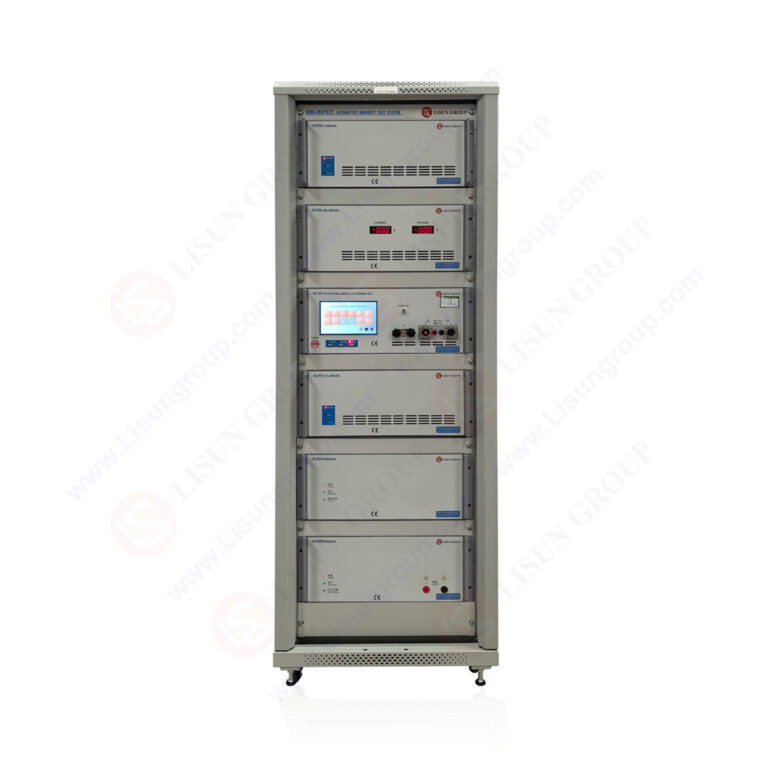
The LISUN LED Luminaire Test: Precision IEC 60068 Compliance is executed through two specialized product lines. The LEDLM-80PL is specifically engineered for testing LED packages, modules, and arrays per the IES LM-80 standard. It supports simultaneous testing of up to 3 connected temperature chambers, allowing for concurrent evaluation at different case temperatures (typically 55°C, 85°C, and a manufacturer-defined third temperature). The system includes an integrated DC power supply and large integrating sphere (up to 2-meter diameter) for accurate photometric measurement at each measurement interval (every 1000 hours up to 6000+ hours).
2.2 LEDLM-84PL: Optimized for LM-84/TM-28 Analysis
For complete luminaires and integrated LED lamps, the LEDLM-84PL variant is required. This system focuses on the IES LM-84 standard, which tests the complete fixture rather than the individual component. The key differentiator is its support for AC power input and larger physical enclosures within the temperature chamber. The LISUN LED Luminaire Test: Precision IEC 60068 Compliance software for the LEDLM-84PL includes a specific TM-28 extrapolation algorithm, which accounts for the unique thermal management and driver interactions present in full luminaires.
2.3 Technical Comparison Table: System Specifications
| Feature | LEDLM-80PL (Component Level) | LEDLM-84PL (Luminaire Level) |
|---|---|---|
| Primary Standard | IES LM-80, IES LM-79-19 | IES LM-84, IES LM-79-19 |
| Lifetime Projection | TM-21 (Arrhenius Model) | TM-28 (Arrhenius + Driver Aging) |
| Max. Temperature Chambers | 3 (Simultaneous) | 2 (Simultaneous) |
| Power Supply | DC (Programmable, High Precision) | AC (Variable Voltage/Frequency) |
| Test Duration (Standard) | 6000+ hours (1000hr intervals) | 6000+ hours (1000hr intervals) |
| Measurement Method | Internal DC + Integrating Sphere | External AC + Large Integrating Sphere |
| Key Metric | L70 (LED Package) | L50 (Complete Luminaire) |
3.1 Applying the Arrhenius Equation for Accelerated Aging
The core of the LISUN LED Luminaire Test: Precision IEC 60068 Compliance software is the Arrhenius Model. This equation, k = A * exp(-Ea/(R*T)), relates the rate of chemical reaction (lumen depreciation) to temperature. The LISUN software automatically calculates the activation energy (Ea) for each device under test (DUT) based on the lumen maintenance data collected at multiple temperatures. This allows for precise extrapolation of performance to a use temperature of 55°C or 25°C, providing a realistic L70 value without waiting 5+ years.
3.2 Dual Testing Modes: Steady-State vs. Cycling
The system offers two distinct operational modes. Steady-State Mode maintains a constant case temperature for the entire 6000-hour test duration, ideal for isolating the effects of thermal degradation on the LED chip itself. Cycling Mode simulates daily on/off switching and thermal shock by cycling the chamber temperature between two set points (e.g., -10°C to +60°C) following the IEC 60068-2-14 profile. The LISUN LED Luminaire Test: Precision IEC 60068 Compliance software logs data from both modes and can compare the lifetime projection curves, highlighting the added stress of thermal cycling on solder joints and phosphor layers.
4.1 Integrating Sphere and Spectroradiometer Configuration
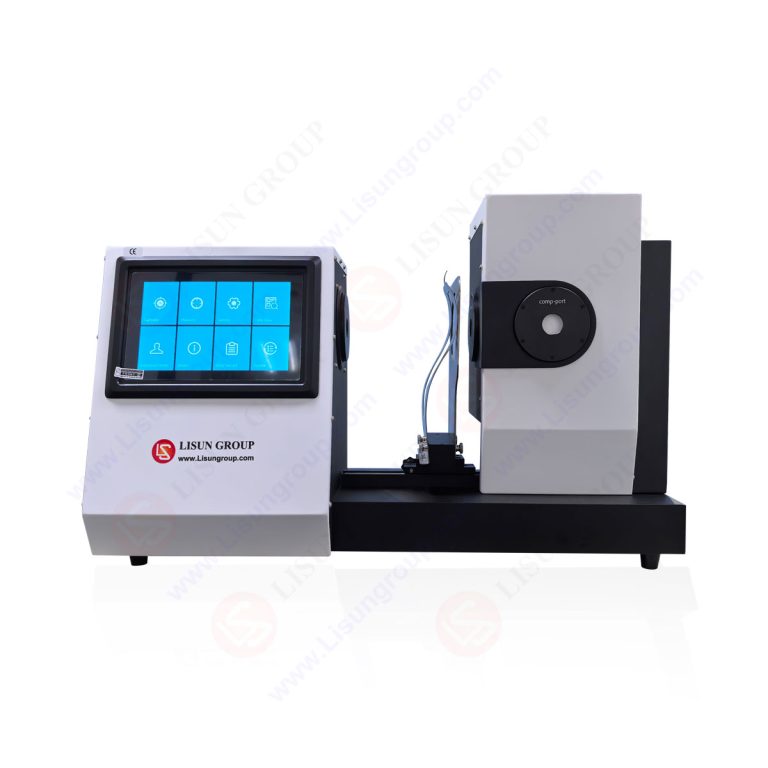
A critical component of the LISUN system is the high-performance integrating sphere coupled with a CCD-array spectroradiometer. For the LISUN LED Luminaire Test: Precision IEC 60068 Compliance, the sphere size is customizable (0.3m to 2m) to accommodate different DUT sizes, ensuring self-absorption errors are minimized. The spectroradiometer measures full spectral power distribution (SPD) at every data point, allowing calculation of correlated color temperature (CCT) shift, chromaticity drift (∆u’v’), and color rendering index (CRI) changes—all required by IES LM-79-19 for complete photometric reporting.
4.2 Temperature Chamber Integration and Control
The system can interface with any major brand of temperature and humidity chamber, but LISUN’s proprietary PID controller ensures tight tolerance (±0.3°C) at the DUT level. Using thermocouple feedback, the software dynamically adjusts the chamber’s heating and cooling elements to maintain the precise test conditions defined by IEC 60068. The ability to support up to 3 chambers with the LEDLM-80PL allows for simultaneous testing at low, nominal, and high temperatures, providing the three data sets required for robust TM-21 extrapolation.
5.1 IES LM-79-19: The Electrical and Photometric Baseline
Before any aging test begins, the initial electrical and photometric characteristics of the DUT must be measured according to IES LM-79-19. The LISUN system performs this baseline measurement automatically after a stabilization period (typically 30-60 minutes). This standard dictates the use of an absolute photometry method within an integrating sphere, ensuring that the initial Lumen value (100% flux) is accurate. All subsequent LISUN LED Luminaire Test: Precision IEC 60068 Compliance data points are then normalized against this baseline.
5.2 CIE 127 and TM-21: Defining LED Lifetime
The CIE 127 and TM-21 standards provide the mathematical framework for projecting LED lumen maintenance. CIE 127 defines the terminology and measurement conditions for LEDs, while TM-21 provides the exponential decay model (Φ(t) = B * exp(-α*t)). The LISUN software automatically fits the measured data to this model. It calculates the decay coefficient (α) and the projected L70 time. The software also validates the data against the TM-21 requirement that the measurement duration must exceed 5000 hours (ideally 6000 hours) for a 60000-hour projection.
5.3 CIE 084 and CIE 070: Light Source Measurement
For accurate photometric measurements of the sphere, LISUN adheres to CIE 084 (Measurement of Luminous Flux) and CIE 070 (Measurement of Absolute Luminous Intensity Distributions). The LISUN LED Luminaire Test: Precision IEC 60068 Compliance system uses a self-absorption correction algorithm (per CIE 084) to compensate for the DUT and any auxiliary cables inside the sphere, maintaining measurement accuracy within ±1% throughout the 6000-hour test cycle.
6.1 Setting Up the Three Temperature Test Plan
A typical compliance test using the LEDLM-80PL involves three temperature chambers. For example:
- Chamber 1: 55°C (Base case temperature)
- Chamber 2: 85°C (Accelerated temperature)
- Chamber 3: 100°C (Extended acceleration)
The LISUN LED Luminaire Test: Precision IEC 60068 Compliance software prompts the user to define these temperatures and the target relative humidity (typically 65%RH per IEC 60068-2-78). The system then automatically cycles power to the DUTs and takes photometric measurements every 1000 hours.
6.2 Data Logging and Interpolation
During the 6000-hour period, the system performs automated data logging. It records the test time, case temperature, ambient chamber temperature, drive current, forward voltage, absolute luminous flux, and CCT. The software generates intermediate plots using linear interpolation between data points. This allows engineers to detect early failures, such as a sudden drop in flux before the 1000-hour mark, which might indicate a driver or interconnection issue that would be obscured by the standard 1000-hour sampling interval.
7.1 Projecting L70 and L50 from TM-21 Data
Using the Arrhenius Model, the software projects the time when the normalized luminous flux falls to 70% (L70) and 50% (L50) of its initial value. For a high-quality LED operating at 85°C, a typical L70 projection might exceed 50,000 hours. The LISUN LED Luminaire Test: Precision IEC 60068 Compliance report includes the lower 90% confidence bound for these projections, which is a critical parameter for warranty estimation. The software automatically flags any projection that relies on extrapolation beyond 6x the test duration (e.g., a 6000-hour test cannot reliably project beyond 36,000 hours).
7.2 Statistical Analysis of Failure Modes
Beyond simple lumen depreciation, the system can perform statistical analysis on multiple samples (e.g., 20 DUTs per chamber). The software calculates the mean time to failure (MTTF) for L70 or L50, and can generate a Weibull distribution of failure rates. This is particularly valuable for identifying early-life failures (infant mortality) versus wear-out failures. Integrating this with the LISUN LED Luminaire Test: Precision IEC 60068 Compliance environmental stress data provides a holistic view of the luminaire’s robustness against thermal and humidity cycling.
The LISUN LED Luminaire Test: Precision IEC 60068 Compliance represents a significant advancement in solid-state lighting reliability engineering. By combining rigorous environmental stress testing with precise photometric measurement, the LISUN LEDLM-80PL and LEDLM-84PL systems provide engineers with the tools necessary to accurately predict LED lifespan using the Arrhenius Model. The ability to integrate up to three temperature chambers, adhere to standards such as IES LM-80, IES LM-84, TM-21, and IES LM-79-19, and automate complex 6000-hour test sequences ensures that the data is both reliable and actionable. For R&D teams and third-party labs, this precision system reduces time-to-market by identifying material degradation and design flaws early. The resulting L70 and L50 projections, backed by statistical analysis, provide the confidence needed for 10-year warranties and compliance with global lighting regulations. LISUN’s commitment to customizability and software-driven analysis makes this system the definitive solution for any organization prioritizing product longevity and quality assurance.
Q1: How does the LISUN system ensure that the 6000-hour test duration is sufficient for L70 projection under TM-21?
A: The TM-21 standard states that a 6000-hour test is the minimum required to project a 36,000-hour L70 value. The LISUN LED Luminaire Test system is designed to achieve this with high precision. However, the quality of the data depends on measurement accuracy. The LISUN integrating sphere and spectroradiometer maintain an accuracy of ±0.5% for luminous flux measurements. This low uncertainty is critical because any drift in measurement can become exaggerated during the exponential curve fitting process. The software also performs a chi-squared goodness-of-fit test to ensure the measured data adequately matches the exponential decay model before it is used for extrapolation. If the fit is poor, the software alerts the user that the L70 projection may be unreliable, preventing incorrect product ratings.
Q2: What is the advantage of using the LEDLM-84PL over the LEDLM-80PL for complete luminaire testing?
A: The primary advantage of the LEDLM-84PL is its ability to handle the complex electrical and thermal dynamics of a complete luminaire. Testing a complete fixture per IES LM-84 allows engineers to see the combined effects of LED aging, driver efficiency loss, and thermal management degradation. The LEDLM-84PL includes a programmable AC power source to simulate real-world voltage fluctuations and a larger integrating sphere to accommodate the fixture. Crucially, its TM-28 software projection accounts for driver aging effects, which is a separate failure mechanism from phosphor or LED degradation. The LEDLM-80PL is optimal for testing the LED component in isolation, while the LEDLM-84PL provides a true system-level reliability assessment.
Q3: Can the LISUN system perform tests under both steady-state and cyclic temperature conditions as per IEC 60068?
A: Yes, the LISUN LED Luminaire Test software supports both test modes required by IEC 60068. In the steady-state mode, the temperature chamber maintains a constant temperature (e.g., 85°C) for the entire 6000-hour test. In the cyclic mode, the software controls the chamber to follow a specific temperature and humidity profile over time, such as a 24-hour cycle from -10°C to +60°C. The system logs flux data at specific points in the cycle. The software then generates a separate lifetime projection for the cyclic data, which typically shows a higher degradation rate (lower L70) than the steady-state test. This comparison is invaluable for estimating product lifetime in outdoor applications where thermal cycling is a major stressor.
Q4: How does the LISUN system handle the data from three different temperature chambers simultaneously?
A: The LEDLM-80PL variant is specifically designed for multi-chamber coordination. Each chamber can be set to a different case temperature (e.g., 55°C, 85°C, and 100°C). The central control unit sequencers the photometric measurements. It opens the shutter for Chamber 1, measures the DUTs, closes the shutter, and then moves to Chamber 2. This process is fully automated and typically takes only a few minutes per chamber. The software then collates the data from all three chambers into a single Arrhenius Model analysis. This simultaneous testing is a mandatory requirement for TM-21 compliance, as it provides the three temperature points necessary to calculate the activation energy (Ea) of the LED package.
Q5: What specific IEC 60068 test subclauses are most relevant to the LISUN LED Luminaire test system?
A: The LISUN LED Luminaire Test: Precision IEC 60068 Compliance primarily addresses two subclauses. First, IEC 60068-2-2 (Test Bd: Dry Heat) is used for the steady-state thermal aging test, where the DUT is subjected to a constant high temperature. Second, IEC 60068-2-30 (Test Db: Damp Heat, Cyclic) is applied to simulate humidity and temperature variation. The system can also support IEC 60068-2-14 (Test N: Change of Temperature) for thermal shock testing. The test duration (6000 hours) and the measurement intervals (every 1000 hours) are chosen to align with the severity levels defined in these subclauses, ensuring that the environmental stress is representative of realistic, accelerated field conditions for indoor and outdoor LED luminaires.