


Abstract
This comprehensive technical article examines the LISUN LED Array Test methodology, focusing on precision compliance with IEC 60068 environmental testing standards for solid-state lighting products. As LED technology continues to dominate the global lighting market, the need for rigorous, standardized reliability validation has never been more critical. The LISUN LED Array Test leverages advanced instrumentation including the LEDLM-80PL and LEDLM-84PL dual system variants, integrating Arrhenius Model-based predictive software to deliver accelerated aging results with exceptional accuracy. This article explores how LISUN’s testing solutions enable manufacturers to achieve IEC 60068 compliance while simultaneously satisfying IES LM-80, TM-21, LM-84, and TM-28 standards through 6000-hour test protocols and L70/L50 lumen maintenance projections. Technical professionals will gain actionable insights into configuring temperature chambers, interpreting photometric data, and optimizing test workflows for maximum laboratory efficiency.
1.1 The Evolution of LED Reliability Testing Standards
The lighting industry has witnessed a paradigm shift from traditional photometric evaluation to comprehensive reliability validation, driven by the longevity of LED technology. IEC 60068 provides the foundational environmental testing framework encompassing temperature cycling, humidity exposure, and mechanical stress simulation. LISUN integrates these requirements directly into their LED array test systems, enabling simultaneous compliance verification across multiple international standards.
1.2 Core Principles of the LISUN LED Array Test Methodology
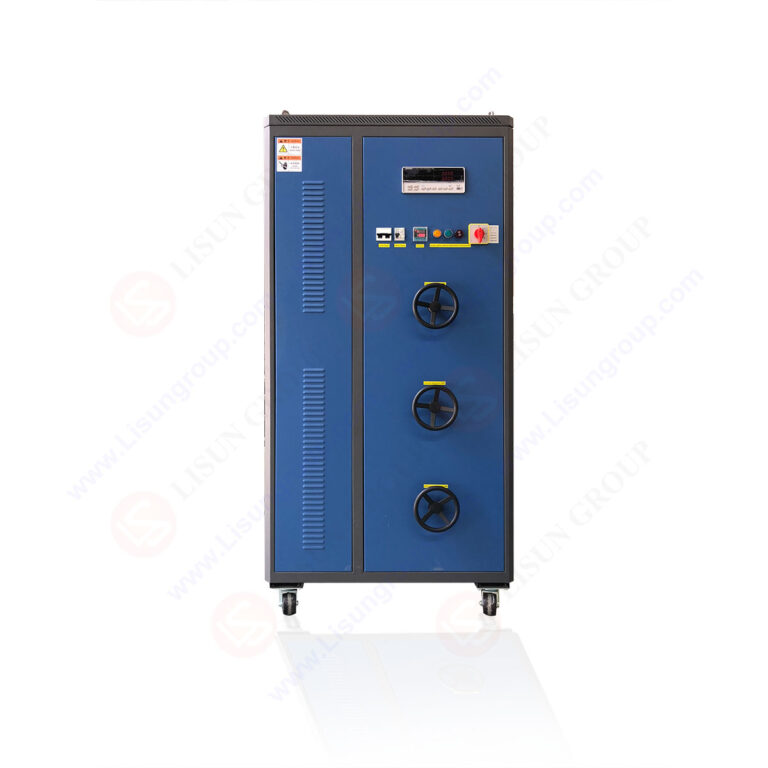
The LISUN LED Optical Aging Test Instrument operates on three fundamental principles: precise current control within ±0.5% tolerance, temperature chamber uniformity maintained at ±1°C, and continuous photometric monitoring throughout the 6000-hour test duration. This trifecta of precision ensures that lumen depreciation data accurately reflects true LED performance under accelerated stress conditions, directly aligning with IEC 60068-2-14 temperature change testing protocols.
1.3 Dual System Architecture: LEDLM-80PL and LEDLM-84PL
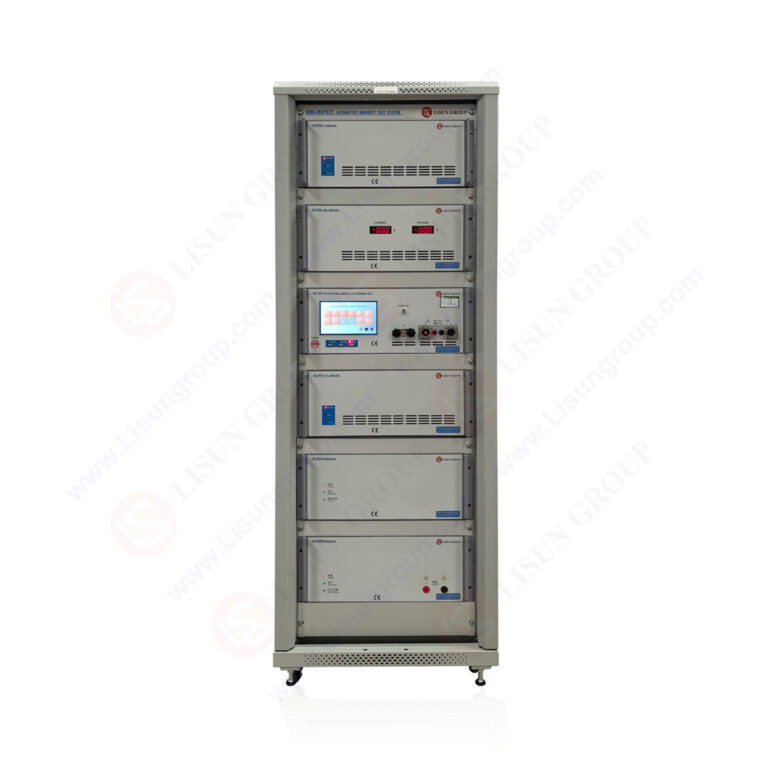
LISUN has engineered two distinct system variants to address specific testing requirements: the LEDLM-80PL, optimized for IES LM-80 and TM-21 compliance with support for up to 3 connected temperature chambers, and the LEDLM-84PL, designed for LM-84 and TM-28 applications requiring larger sample sizes and extended measurement cycles. Both systems share core hardware platforms but differ in software algorithms and data extrapolation methodologies.
2.1 Customizable Testing Modules and Chamber Specifications
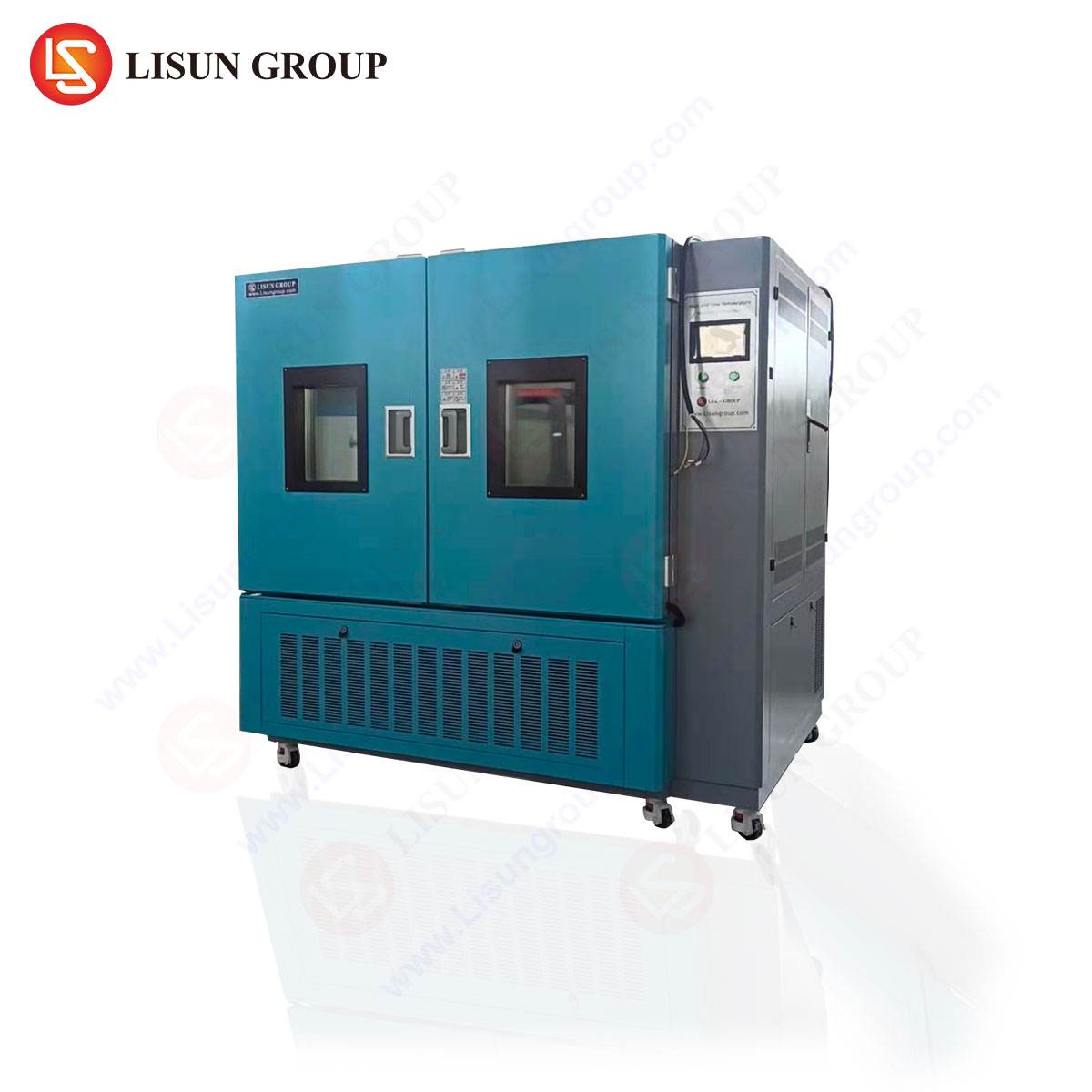
Each LISUN LED array test system supports modular expansion, allowing laboratories to configure between 1 and 3 temperature chambers depending on throughput requirements. The chambers maintain temperature ranges from -40°C to +150°C with ramp rates exceeding 5°C per minute, satisfying IEC 60068-2-1 cold testing and IEC 60068-2-2 dry heat testing simultaneously.
2.2 Photometric Measurement Instrumentation
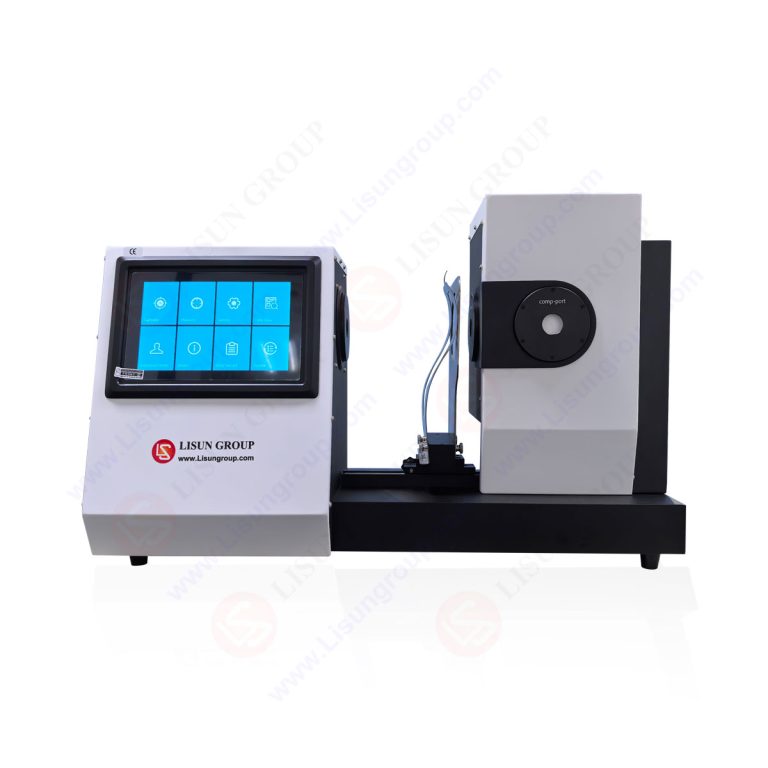
Integration with high-precision integrating spheres and spectroradiometers provides traceable photometric data acquisition. The system captures luminous flux, color temperature, and chromaticity coordinates at user-defined intervals, typically every 1000 hours for standard LM-80 testing, with optional continuous monitoring for research applications requiring finer temporal resolution.
2.3 Power Supply and Current Regulation Systems
Constant current power supplies with 0.1% stability ensure that LED samples experience identical electrical stress throughout the aging process. The LISUN system supports both constant current and constant voltage modes, accommodating various LED package configurations from single-chip SMDs to high-power COB arrays.
Table 1: LISUN LED Array Test System Specifications
| Parameter | LEDLM-80PL | LEDLM-84PL |
|---|---|---|
| Maximum Temperature Chambers | 3 | 3 |
| Temperature Range | -40°C to +150°C | -40°C to +150°C |
| Temperature Uniformity | ±1°C | ±1°C |
| Current Stability | ±0.5% | ±0.5% |
| Standard Test Duration | 6000 hours | 6000 hours |
| Supported Sample Count | Up to 200 LEDs | Up to 300 LEDs |
| Compliance Standards | LM-80, TM-21 | LM-84, TM-28 |
| Extrapolation Method | Arrhenius Model | Arrhenius Model |
| Lumen Maintenance Metrics | L70, L50 | L70, L50 |
3.1 Predictive Lifetime Analysis Using the Arrhenius Model
The LISUN software suite employs the Arrhenius acceleration model to extrapolate lumen maintenance from 6000-hour test data to projected lifetimes exceeding 60000 hours. This mathematical framework, defined by the equation L(t)=A*exp(-Ea/kT), enables accurate prediction of L70 and L50 metrics at standard operating temperatures without requiring decade-long physical testing.
3.2 Dual Mode Testing: Standard and Accelerated Protocols
LISUN provides two distinct test modes: Standard Mode, which follows LM-80 protocols with testing at 55°C, 85°C, and optional third temperature points over 6000 hours, and Accelerated Mode, which elevates junction temperatures to 105°C or higher for rapid screening during product development. Both modes generate data compatible with TM-21 extrapolation algorithms.
3.3 Data Visualization and Reporting Features
The software automatically generates compliance-ready reports formatted for submission to Energy Star, DLC, and UL verification programs. Real-time lumen maintenance curves, chromaticity shift plots, and failure analysis dashboards provide engineers with immediate visibility into test progress and emerging failure mechanisms.
4.1 LM-80 Test Duration and Temperature Requirements
IES LM-80 mandates testing at a minimum of 6000 hours at three temperature points: 55°C, 85°C, and an optional manufacturer-specified temperature. The LISUN LED array test system automatically sequences samples through temperature chambers, verifying that each test point satisfies the required 6000-hour duration with data logging intervals not exceeding 1000 hours.
4.2 TM-21 Extrapolation Methodology
TM-21 provides the mathematical framework for projecting lumen maintenance beyond the 6000-hour test period. LISUN’s software implements the exponential decay model specified by TM-21, calculating L70 and L50 with confidence intervals derived from the measured data. The system automatically flags extrapolations exceeding recommended limits, ensuring conservative lifetime projections.
4.3 Integration with LM-79-19 Photometric Testing
While LM-80 focuses on lumen maintenance, IES LM-79-19 addresses total luminous flux and electrical characteristics. LISUN systems can be configured to perform pre- and post-aging LM-79 measurements, providing complete photometric characterization before and after the 6000-hour aging protocol.
5.1 Expanded Testing Requirements for Integrated Products
IES LM-84 extends lumen maintenance testing from LED packages to complete LED lamps and luminaires. The LEDLM-84PL variant accommodates larger sample sizes, testing up to 300 units simultaneously across three temperature chambers, with provisions for orientation-dependent testing specified in LM-84.
5.2 TM-28 Projection Methodology
TM-28 provides the extrapolation framework specifically for LED light engines and luminaires, accounting for driver effects and thermal management variations absent in package-level TM-21 analysis. LISUN software incorporates the TM-28 exponential decay algorithm with corrections for power supply aging and thermal interface degradation.
5.3 Accelerated Aging Correlations
LISUN has developed proprietary correlation factors linking LM-84 accelerated aging results to LM-80 package-level data, enabling manufacturers to predict luminaire performance based on component testing. This capability significantly reduces testing costs while maintaining IEC 60068 compliance.
6.1 CIE 084 and CIE 070 Luminance Measurement Protocols
CIE 084 defines measurement of luminous flux using integrating spheres, while CIE 070 addresses absolute photometry. LISUN systems incorporate both standards, using spectroradiometers calibrated to NIST-traceable standards for absolute spectral power distribution measurements.
6.2 CIE 127 Temperature and LED Measurement Guidelines
CIE 127 provides guidelines for LED optical measurement, emphasizing thermal stabilization and electrical conditioning. The LISUN software automatically implements pre-test stabilization periods, typically 30 minutes at the measurement temperature, before recording photometric data. This ensures compliance with CIE 127’s recommendations for reproducible measurements.
6.3 Chromaticity Shift and Color Temperature Stability
Beyond lumen maintenance, LISUN systems track correlated color temperature (CCT) shifts and chromaticity coordinate drift throughout the aging process. The software generates MacAdam ellipse diagrams and Duv deviation plots, essential for applications requiring precise color consistency over product lifetime.
7.1 Laboratory Setup and Calibration Workflows
Implementing LISUN LED array test systems requires proper laboratory infrastructure, including stable power supply connections, temperature-controlled environments, and calibration verification procedures. LISUN provides factory calibration certificates traceable to international standards, with recommended annual recalibration intervals.
7.2 Sample Preparation and Mounting Considerations
Proper sample mounting significantly impacts test results. LISUN provides custom sample holders accommodating various LED package formats, ensuring consistent thermal contact and electrical connections. For LM-84 testing, complete luminaires require specialized mounting fixtures that replicate typical installation orientations.
7.3 Data Interpretation and Failure Analysis
The LISUN software generates detailed failure analysis reports identifying early failures, catastrophic failures, and gradual degradation patterns. Engineers can filter data by sample batch, temperature condition, or current level, enabling root cause analysis of manufacturing defects or design weaknesses.
The LISUN LED Array Test represents a comprehensive solution for manufacturers and testing laboratories requiring precision compliance with IEC 60068 environmental standards while simultaneously satisfying IES LM-80, TM-21, LM-84, and TM-28 requirements. The dual system architecture, incorporating both LEDLM-80PL and LEDLM-84PL variants, provides flexibility across package-level and luminaire-level testing applications. The Arrhenius Model-based software enables accurate L70 and L50 projections from 6000-hour test data, reducing time-to-market for new LED products while maintaining rigorous reliability validation standards. Support for up to 3 temperature chambers, customizable hardware configurations, and integrated CIE 084/070/127 compliance ensures that testing laboratories can achieve accreditation for multiple international standards within a single test platform. For LED manufacturers seeking to validate product reliability, demonstrate regulatory compliance, and accelerate innovation cycles, the LISUN LED array test methodology delivers unmatched technical precision and operational efficiency. The alignment with IEC 60068 protocols ensures that test results are recognized globally, facilitating market access and customer confidence in LED product longevity claims.
Q1: How does the LISUN LED array test system ensure compliance with IEC 60068 temperature cycling requirements?
A: The LISUN system interfaces with programmable temperature chambers capable of ramp rates exceeding 5°C per minute and temperature ranges from -40°C to +150°C. For IEC 60068-2-14 compliance, the software controls chamber cycling profiles including dwell times, transition rates, and number of cycles. The system logs temperature data at each measurement point, verifying that all samples experience identical thermal stress profiles. Additionally, the Arrhenius Model implementation accounts for temperature acceleration factors, enabling correlation between accelerated testing and real-world operating conditions. This ensures that LISUN test data satisfies both IEC 60068 environmental stress requirements and IES LM-80 photometric degradation analysis simultaneously.
Q2: What is the difference between the LEDLM-80PL and LEDLM-84PL systems, and which one should my laboratory choose?
A: The LEDLM-80PL is optimized for IES LM-80 and TM-21 compliance, supporting testing of individual LED packages, arrays, and modules at up to 200 samples across 3 temperature chambers. The LEDLM-84PL variant expands capacity to 300 samples and incorporates TM-28 algorithms for complete luminaire testing. Laboratories primarily testing LED packages should select the LEDLM-80PL, while those conducting luminaire qualification under LM-84 require the LEDLM-84PL. LISUN also offers hybrid configurations for laboratories needing both capabilities. Both systems share identical hardware platforms, with differences limited to software licensing and sample handling accessories.
Q3: Can the LISUN system generate reports acceptable for Energy Star and DLC certification programs?
A: Yes, the LISUN software produces compliance-ready reports formatted to Energy Star and DLC submission requirements. The reports include all mandatory data fields: 6000-hour test duration verification, temperature chamber calibration certificates, photometric measurement uncertainties, Arrhenius Model parameters, and L70/L50 projection values with 90% confidence intervals. The software automatically validates data completeness and flags any missing measurements before report generation. LISUN also provides guidance on integrating test results with UL verification programs, ensuring that your laboratory’s test data meets all regulatory submission criteria without requiring manual reformatting.