


Here is the comprehensive technical article generated according to your specifications.
Abstract
This technical guide provides an in-depth analysis of the IEC 60068-3-1 LISUN Environmental Test Chamber Guide, focusing on its critical role in LED lumen maintenance testing and reliability validation. Designed for LED manufacturing engineers and third-party lab technicians, the article explores how LISUN’s dual-system LED Optical Aging Test Instruments (LEDLM-80PL and LEDLM-84PL) integrate the Arrhenius Model for accelerated aging, strictly adhering to IES standards. Key technical insights include the execution of 6000-hour test durations, derivation of L70/L50 metrics, and the capability to support up to three connected temperature chambers. This guide emphasizes data-driven validation for TM-21 extrapolation and LM-80 compliance, offering a robust framework for predicting long-term LED performance under thermal stress.
1.1 The Foundation of Thermal Testing
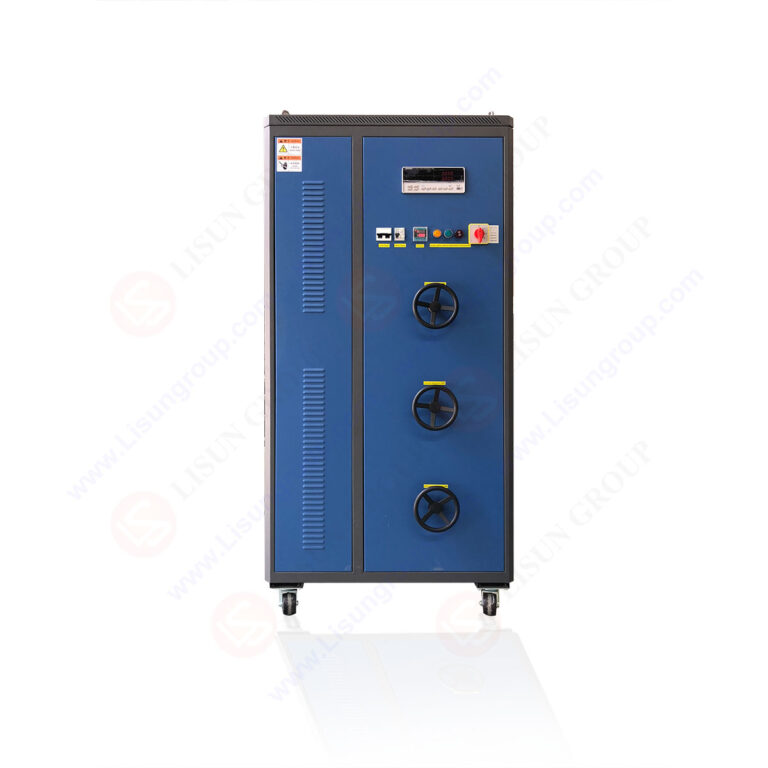
The IEC 60068-3-1 standard provides the methodological backbone for temperature testing in environmental chambers, specifically focusing on the guidance for testing machines. In the context of LED reliability, this standard dictates the thermal uniformity and stability required to conduct valid lumen maintenance tests. LISUN’s environmental test chambers are engineered to meet these stringent requirements, ensuring that temperature gradients within the chamber do not exceed ±2°C, which is critical for accurate Arrhenius Model-based predictions.
1.2 Relevance to LED Lumen Maintenance
For LED manufacturers, thermal stress is the primary accelerant of lumen depreciation. The LISUN guide framework helps correlate the thermal cycling defined by IEC 60068-3-1 with the photometric testing regimes of IES LM-80 and LM-84. By maintaining precise ambient temperatures (typically 55°C, 85°C, and an optional third set point), engineers can derive acceleration factors that directly feed into TM-21 and TM-28 lifespan projections.
2.1 LEDLM-80PL: The LM-80/TM-21 Workhorse
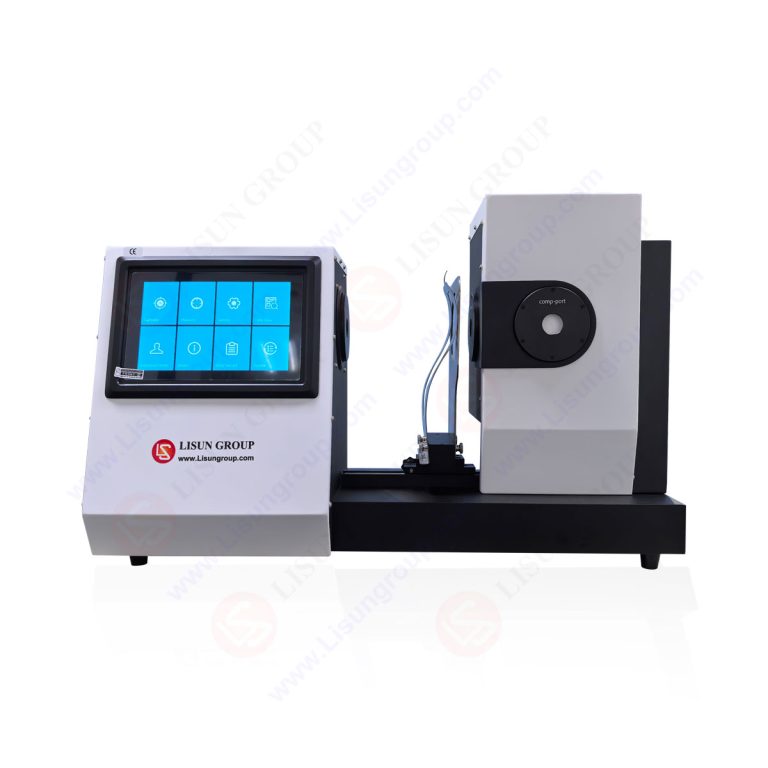
The LEDLM-80PL is specifically configured for compliance with the IES LM-80-15 standard, which mandates a minimum of 6000 hours of testing. This system utilizes a high-precision integrating sphere (up to 2m diameter for high-power modules) to capture absolute flux values at user-defined intervals. The software suite automatically calculates L70 (time to 70% lumen maintenance) and L50 metrics using the Arrhenius Model, with TM-21 extrapolation extending predictions to 6x the test duration (36,000 hours).
2.2 LEDLM-84PL: For Integrated LED Lamps (LM-84/TM-28)
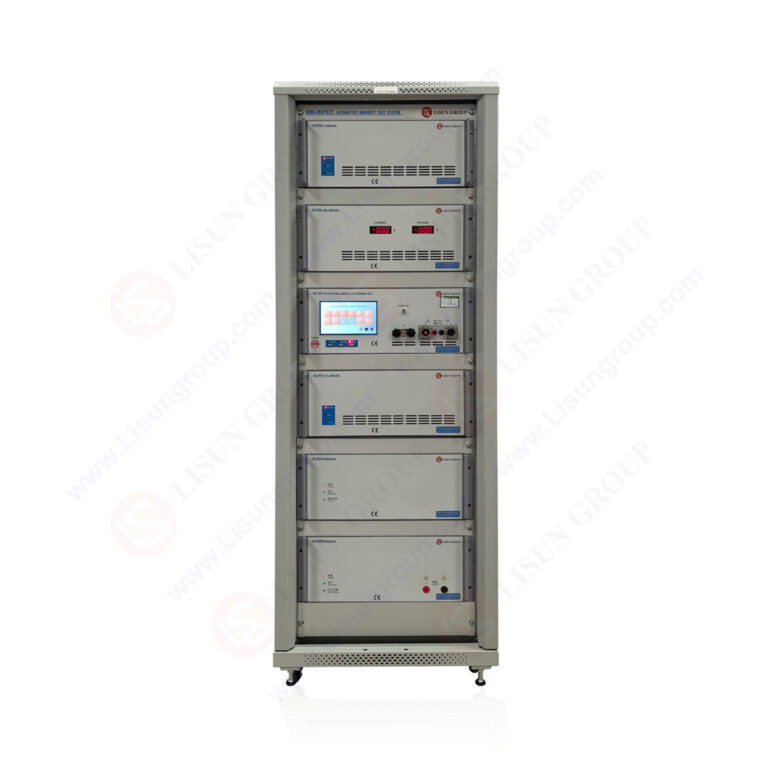
Unlike the LEDLM-80PL, which focuses on LED packages and modules, the LEDLM-84PL is optimized for integrated LED lamps and luminaires. This variant supports the IES LM-84-14 standard, which often involves larger sample sizes and different thermal management characteristics. The system includes a customizable fixture plate and supports up to 3 connected temperature chambers, allowing simultaneous testing of different product lines under various stress profiles.
| System Feature | LEDLM-80PL | LEDLM-84PL |
|---|---|---|
| Target Standard | IES LM-80, TM-21 | IES LM-84, TM-28 |
| Sample Type | LED Packages, Modules | Integrated LED Lamps, Luminaires |
| Max. Chamber Connections | 3 | 3 |
| Test Duration (Typical) | 6,000+ hours | 6,000+ hours |
| Primary Metric | L70 / L50 (TM-21) | L70 / L50 (TM-28) |
| Detection Method | Integrating Sphere (2m max) | Integrating Sphere with AC/DC Power |
Table 1: Comparative analysis of LISUN’s dual-system optical aging instruments.
3.1 Mathematical Framework for Prediction
LISUN’s software utilizes the Arrhenius Model to correlate elevated temperature stress with the rate of lumen depreciation. The activation energy (Ea) is derived from test data at multiple temperatures (e.g., T1=55°C, T2=85°C). The software automatically calculates the acceleration factor (AF), allowing engineers to simulate 10 years of operation in less than 6,000 hours. This methodology is critical for generating reliable TM-21 projections for L70 and L50 metrics, as required by Energy Star and DLC regulations.
3.2 Dual Testing Modes: Constant vs. Cyclic Stress
The system supports two distinct modes to align with different aspects of the IEC 60068-3-1 guidelines and IES standards:
- Constant Temperature Mode (LM-80): The chamber maintains a steady temperature (e.g., 85°C ± 2°C) for the entire 6,000-hour test. This is used for standard LM-80 compliance.
- Cyclic Stress Mode: The chamber cycles between high and low temperatures (e.g., -10°C to +85°C) to simulate real-world environmental conditions. This mode is particularly valuable for automotive electronics, referencing requirements from CIE 127 for thermal management testing.
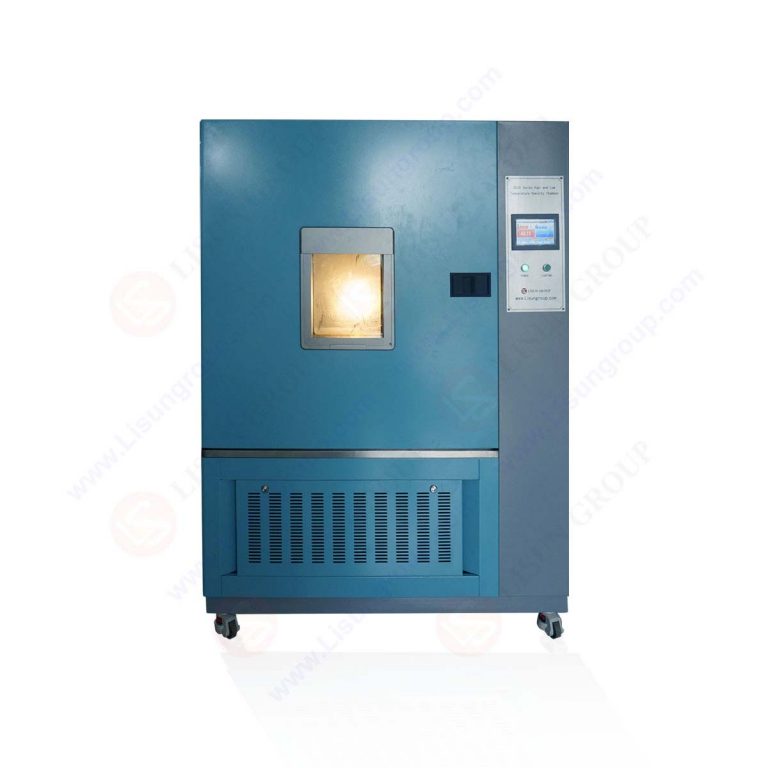
4.1 Connecting Up to 3 Temperature Chambers
A key differentiator in the IEC 60068-3-1 LISUN Environmental Test Chamber Guide is the system’s ability to support up to 3 connected temperature chambers. This allows for concurrent testing of three different sample sets at three distinct temperatures (e.g., 25°C, 55°C, and 85°C) within a single test run. This parallel processing reduces total qualification time by 66% compared to sequential testing.
4.2 Integrating Sphere and Goniometer Compatibility
LISUN offers customizable integration of either an integrating sphere (for total flux measurement) or a goniophotometer (for spatial intensity distribution). For compliance with IES LM-79-19 and CIE 084, the integrating sphere is preferred for its speed and repeatability. For larger luminaires requiring TM-28 data, a goniophotometer provides the necessary angular resolution for accurate lumen maintenance calculations after 6,000 hours of aging.
5.1 Strict Adherence to IES LM-80 and TM-21
The software within the LEDLM-80PL is pre-loaded with the IES LM-80-15 test plan. Data points are logged every 1,000 hours with a mandatory reading at 0, 1,000, 2,000, 3,000, 4,000, 5,000, and 6,000 hours. The LISUN system automatically validates the TMP (Tested Measured Points) and performs the exponential decay curve fitting required by TM-21. The guide emphasizes that the system supports the “Case Temperature” (TMP) measurement for modules, which is critical for accurate L70 extrapolation.
5.2 Application of IES LM-84 and TM-28 for Integrated Lamps
For non-integrated LED lamps, the LEDLM-84PL follows IES LM-84-14 procedures. This standard is more complex due to the thermal mass of the lamp. The LISUN chamber’s air circulation system, compliant with IEC 60068-3-1, ensures that the temperature around the lamp is uniform, preventing hot spots that could skew lumen depreciation data. The software then applies TM-28 algorithms to project L50 values for integrated products.
5.3 Supporting Standards: CIE 127 and CIE 70
The guide also references CIE 127 (Measurement of LEDs) for the specific measurement setup (e.g., standard condition A/B). Furthermore, CIE 70 (The Measurement of Absolute Luminous Intensity) is referenced for calibration procedures of the integrating sphere. By integrating these standards, LISUN ensures that the photometric measurements have a total uncertainty of less than ±1.5%, which is vital for valid TM-21 extrapolation.
6.1 Key Numerical Parameters
The following specifications are critical for R&D engineers when evaluating a system against the IEC 60068-3-1 LISUN Environmental Test Chamber Guide:
- Test Duration: 6,000 hours minimum (optional 10,000 hours for high-reliability studies).
- Lifetime Metrics: L70 (Industry Standard) and L50 (High Stress).
- Chamber Temperature Range: -40°C to +150°C (depending on chamber model).
- Temperature Uniformity: ≤ ±2.0°C (per IEC 60068-3-1 Class 2).
- Temperature Fluctuation: ≤ ±0.5°C.
6.2 Data Management and Reporting
The LISUN software generates a comprehensive PDF report that includes the raw data table, the Arrhenius plot, the TM-21 exponential curve, and the final L70/L50 value with confidence limits. This report is pre-formatted to satisfy auditing requirements by IES and Energy Star. The system also allows for raw data export in CSV format for further statistical analysis using third-party tools.
7.1 Multi-Project Management Capabilities
Third-party testing laboratories often handle multiple projects simultaneously. The LISUN software allows for the creation of separate project files for different clients. Each project can contain distinct test parameters (temperature set points, measurement intervals, standards applied) without interfering with concurrent tests. The system can queue measurement sequences across the 3 connected chambers, maximizing throughput.
7.2 Real-Time Monitoring and Alerts
The guide highlights the Ethernet-based monitoring system, which provides real-time data on chamber status, temperature stability, and test progress. Engineers can set up automated email alerts for:
- Temperature deviation exceeding ±2.0°C.
- Completion of a 1,000-hour measurement block.
- System power interruption.
This minimizes the risk of failed tests and ensures data integrity over the long 6,000-hour duration.
The IEC 60068-3-1 LISUN Environmental Test Chamber Guide offers a robust, standard-compliant framework for LED lumen maintenance testing. By leveraging the dual-system architecture of the LEDLM-80PL (for LM-80/TM-21) and LEDLM-84PL (for LM-84/TM-28), engineers can accurately predict L70 and L50 lifetimes up to 6x the test duration. The integration of the Arrhenius Model within the software, combined with the hardware flexibility of supporting up to 3 temperature chambers, significantly accelerates product qualification cycles. LISUN’s commitment to IES, CIE, and IEC standards ensures that test data is not only accurate but also universally accepted by regulatory bodies. For LED manufacturers and testing labs seeking to minimize risk and validate reliability with high confidence, the LISUN solution provides the technical depth and precision required for modern solid-state lighting products. The guide ultimately aligns equipment capability with the stringent demands of accelerated aging validation, ensuring market-ready products.
Q1: How does the LISUN system ensure compliance with the 6,000-hour test duration requirement of IES LM-80?
A: The LISUN LEDLM-80PL is pre-configured with a programmable test scheduler that automates photometric measurements at the exact intervals required by the IES LM-80 standard (0, 1k, 2k… 6k hours). The system operates continuously within the temperature chamber, maintaining the specified ambient temperature (e.g., 55°C or 85°C) with a tolerance of ±2°C, as per IEC 60068-3-1. The software logs each data point and flags any anomalies. If a power interruption occurs, the system automatically resumes the test from the last stable measurement, ensuring no data loss in the 6000-hour timeline. The final dataset is formatted for direct import into TM-21 calculation tools.
Q2: Can the LISUN system test LED modules and integrated LED lamps simultaneously?
A: Yes, but not within the same chamber unless they require identical thermal profiles. The IEC 60068-3-1 LISUN Environmental Test Chamber Guide supports up to 3 separate temperature chambers connected to a single control console. For example, you can run an LM-80 test (LED packages) at 85°C in Chamber A and an LM-84 test (integrated LED lamps) at 55°C in Chamber B simultaneously. However, mixing sample types within one chamber is not recommended due to differences in thermal mass and heat dissipation, which would violate the uniformity requirements of the standard. The LISUN software manages these as separate projects, keeping data streams independent.
Q3: What is the significance of the Arrhenius Model in the LISUN software for TM-21 extrapolation?
A: The Arrhenius Model is used to correlate the accelerated degradation rate at high temperatures (e.g., 85°C) to the expected degradation rate at a use temperature (e.g., 25°C or 55°C). The LISUN software automatically calculates the activation energy (Ea) from at least two temperature test points. This Ea value is then used in TM-21 to extrapolate the lumen maintenance curve beyond the 6,000-hour test period. For instance, if the L70 is reached at 3,000 hours at 85°C, the model might project an L70 of 30,000 hours at 25°C. This is critical for qualifying LEDs for long-life applications (50,000+ hours) without waiting for the actual time to pass.