


Here is the comprehensive technical article based on your detailed instructions.
Abstract
This article provides a detailed technical analysis of Climatic Test Chambers for IEC 60068 Compliance | LISUN, focusing on their critical role in LED reliability validation. We explore how these chambers, integrated with LISUN’s specialized LEDLM-80PL and LEDLM-84PL systems, enable precise accelerated aging tests aligning with IES LM-80, TM-21, and IEC 60068 standards. The discussion covers the Arrhenius Model-based software, dual testing modes, and customizable configurations that support up to three connected chambers. Technical professionals will gain insights into achieving accurate L70/L50 lumen maintenance projections, optimizing test cycles, and ensuring compliance for global markets.
1.1 The Challenge of Lumen Depreciation in Solid-State Lighting
The long-term performance of LEDs is governed by lumen depreciation, a phenomenon where light output decreases over operational time. Unlike traditional sources, LEDs have extremely long lifespans (50,000–100,000 hours), making real-time testing impractical. Hence, accelerated aging under controlled environmental stress is the industry standard. Climatic Test Chambers for IEC 60068 Compliance | LISUN are engineered to simulate these harsh conditions, specifically temperature and humidity, to predict the useful life of LED products and components.
1.2 Interfacing with Industry Standards (IEC 60068 & IESNA)
A robust chamber must adhere to multiple international standards. The LISUN chamber design ensures compliance with IEC 60068-2-1 (Cold) and IEC 60068-2-2 (Dry Heat) for general environmental testing. However, the true value for LED engineers lies in its seamless integration with photometric standards like IES LM-80-15 and LM-84-14. These standards mandate specific temperature set points (e.g., 55°C, 85°C) and relative humidity control for measuring lumen maintenance of LED packages and arrays.
2.1 Technical Breakdown of the LEDLM-80PL System
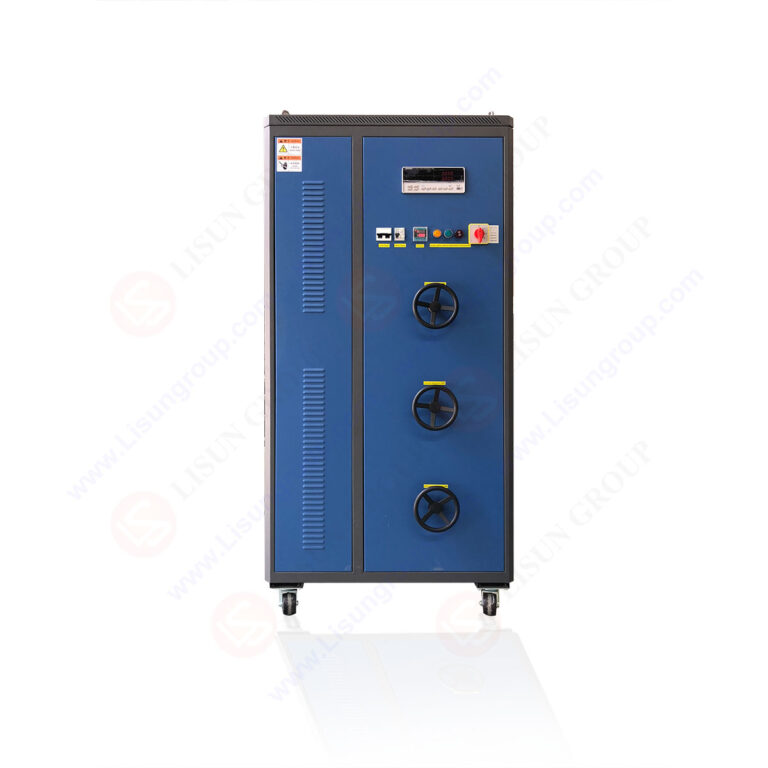
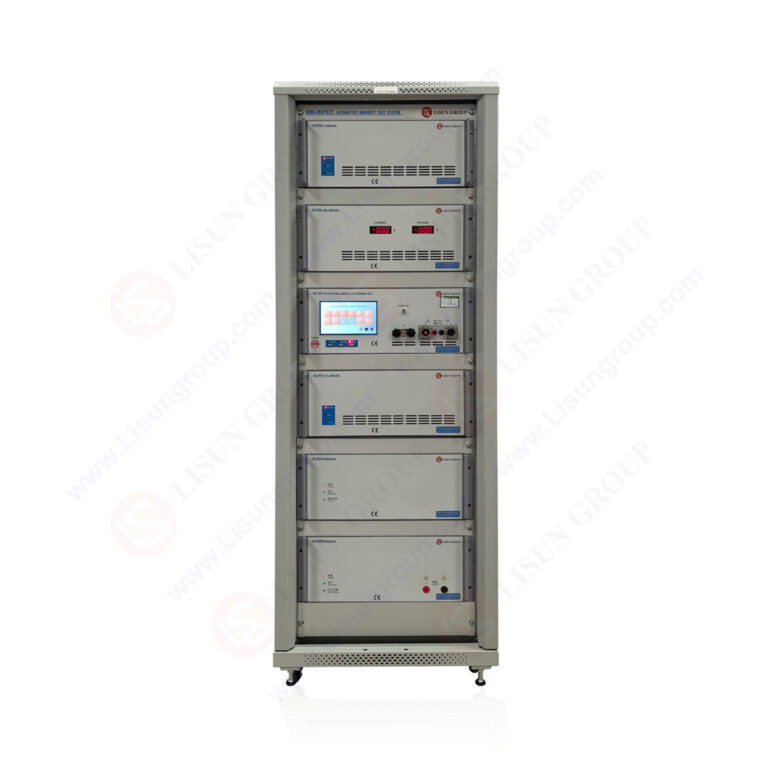
The LEDLM-80PL is a dedicated system for lumen maintenance testing of LED packages, modules, and discrete components per the LM-80-15 standard. It integrates a precision DC power supply and a multi-function measuring board within the climatic chamber. The system supports up to three independent temperature chambers, each capable of controlling temperatures from -40°C to +150°C, allowing simultaneous testing of 100+ samples at different stress levels. This setup is critical for generating the 6000-hour (minimum) data stream required by the TM-21-19 standard.
2.2 Technical Breakdown of the LEDLM-84PL System
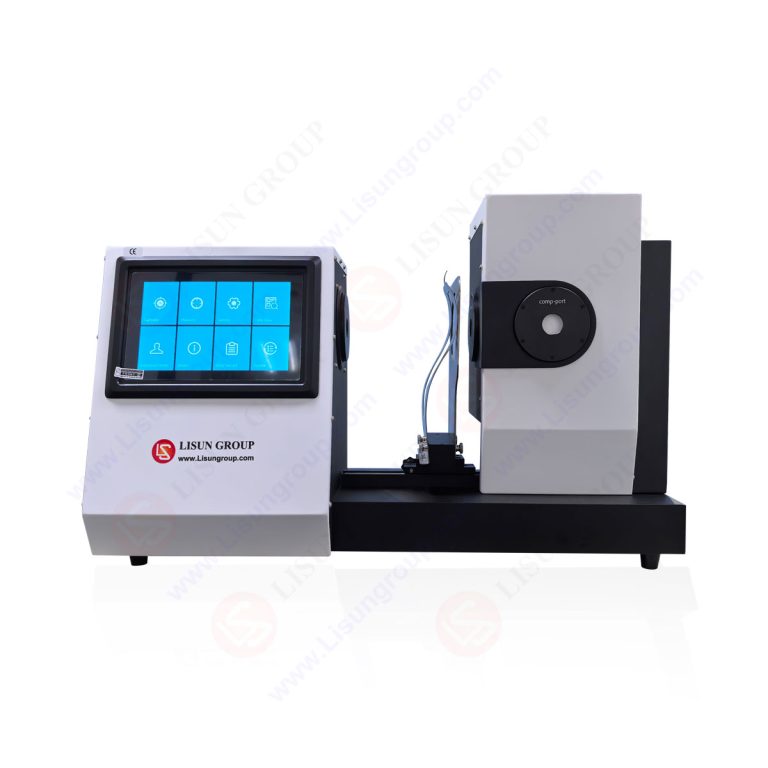
For larger assemblies like luminaires and integrated LED lamps, the LEDLM-84PL system is the optimal choice. It adheres to the IES LM-84-14 standard, which focuses on testing LED lamps, light engines, and luminaires. This system uses a larger chamber capacity with customizable fixture mounts and an integrating sphere or goniometer for photometric measurement. The thermal management within the chamber is crucial, as LM-84 tests require specific ambient temperature conditions, typically 25°C or 45°C, to accurately measure the temperature life of the luminaire.
3.1 The Physics of Accelerated Aging
The acceleration of the aging process is based on the Arrhenius equation, which models the reaction rate of failure mechanisms (like junction degradation) as a function of temperature. LISUN’s proprietary software applies this model to raw data collected from the Climatic Test Chambers for IEC 60068 Compliance | LISUN. The software automatically calculates the activation energy (Ea) from test data at multiple temperatures, allowing for a physically realistic extrapolation of lumen maintenance curves at a use temperature (e.g., 55°C or 85°C case temperature).
3.2 Projecting L70 and L50 Metrics
TM-21-19 provides the statistical method for projecting long-term lumen maintenance. The software processes luminous flux data measured at specific intervals (e.g., 0, 1000, 2000, 3000, 6000 hours). It then calculates the projected L70 (time to 70% of initial lumens) and L50 (time to 50% of initial lumens) life. The accuracy of these projections is directly linked to the stability of the chamber’s temperature control (±0.5°C). A fluctuation in chamber temperature can skew the activation energy calculation, leading to inaccurate life predictions.
4.1 Dual Testing Modes: Constant Current vs. Constant Voltage
The LISUN system supports two fundamental test modes critical for comprehensive LED characterization.
| Test Mode | Application | Standard Reference | Typical Measurement |
|---|---|---|---|
| Constant Current | Testing individual LED packages | IES LM-80-15, CIE 127:2007 | Lumen flux, Vf, Chromaticity |
| Constant Voltage | Testing modules/decorative lighting | IEC 60068, User-defined | Current draw, Power, Flicker |
This dual-mode capability allows engineers to simulate real-world driver interactions. In constant current mode, the chamber’s power supply maintains a set current (e.g., 350mA) while the voltage is monitored. In constant voltage mode, the voltage is fixed, and the current delivery is recorded, which is essential for understanding how thermal runaway might occur in low-voltage systems.
4.2 Customizable Hardware and Chamber Configuration
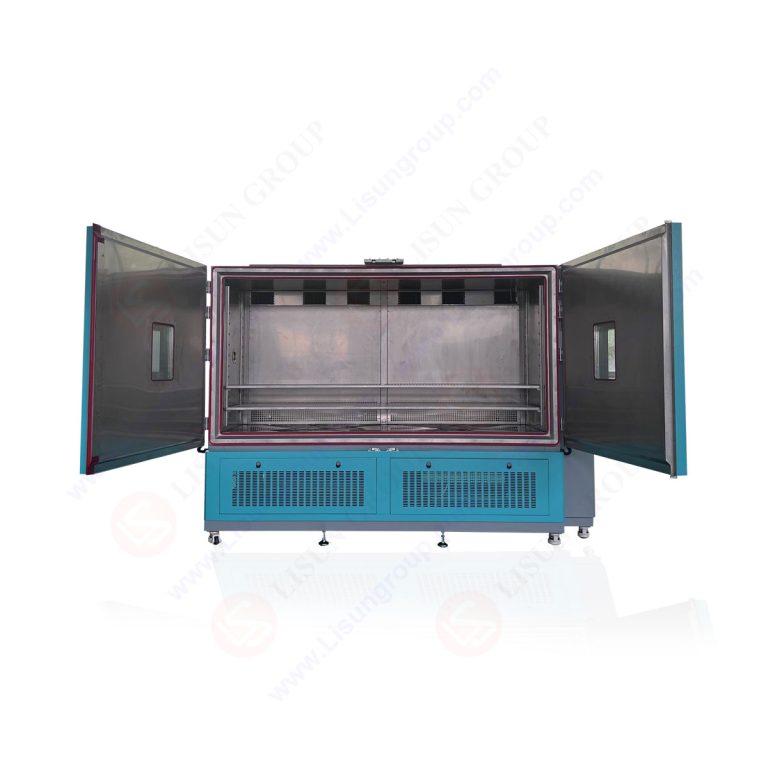
The system is designed for maximum flexibility. Users can configure multiple PLC-controlled chamber zones, each with its own set of test parameters (temperature, humidity, on/off cycles). The hardware supports up to 3 connected temperature chambers from a single central control unit. This is a cost-effective solution for R&D labs that need to run parallel tests at 55°C, 85°C, and an optional wet cycle (e.g., 85°C/85%RH per IEC 60068-2-78) without purchasing three separate testers.
5.1 In-Situ Measurement with Integrating Spheres
For the LEDLM-84PL system, the chamber is designed to interface directly with a 2m or 1.5m integrating sphere (as per CIE 84 and CIE 70 guidelines). This allows for in-situ measurements at each data collection interval without removing the sample from the temperature stress. This eliminates thermal shock to the device and ensures measurement repeatability within ±0.5% for luminous flux and ±0.002 for chromaticity coordinates.
5.2 Compliance with CIE 127 and Spectral Data Requirements
Accurate measurement of LED LEDs requires strict adherence to the averaging LED intensity conditions defined by CIE 127:2007. The LISUN system’s spectroradiometer, integrated with the chamber, captures full spectral power distributions (SPDs) across the 380nm-780nm range. This data is essential for calculating TM-28-14 extrapolations for lumen and color maintenance. The chamber’s control software logs this spectral data alongside thermal data, creating a complete “digital twin” of the test run.
6.1 Temperature and Humidity Control
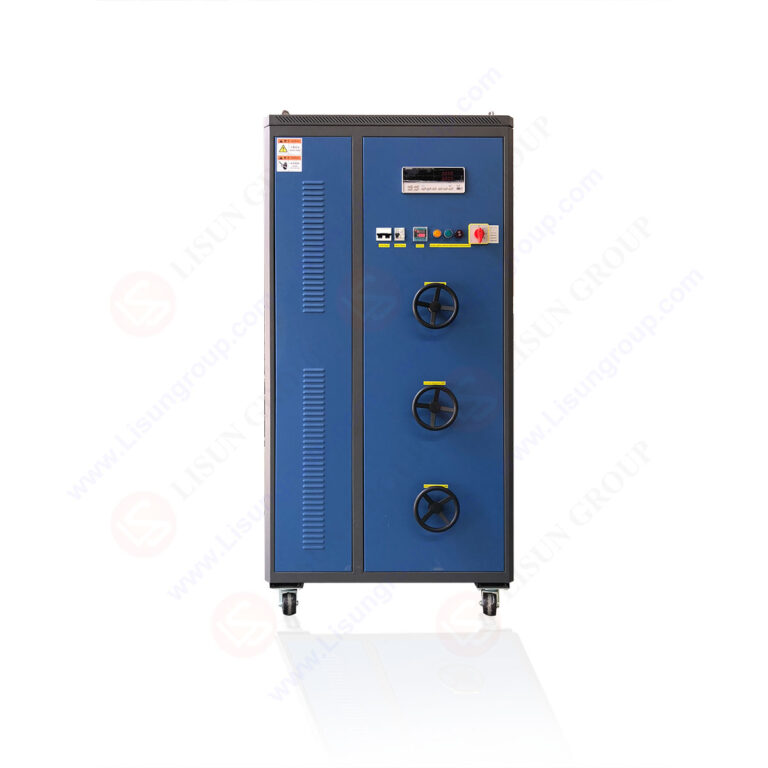
The LISUN chamber is built to surpass the basic requirements of IEC 60068-2-1 and -2-2. It features a high-velocity air circulation system to ensure minimal temperature gradient across the entire workspace (typically ±1.0°C). Humidity control, critical for LM-80 (optional) and IEC 60068-2-78 (damp heat), ranges from 20% to 98% RH. The chamber uses a refrigeration system with a high-power servo compressor for rapid temperature changes (e.g., -40°C to +150°C in under 60 minutes).
6.2 Validation and Calibration for Regulatory Standards
To maintain compliance, the chamber includes 12 input channels for T-type thermocouples placed directly on the LED board. The system automatically logs the case temperature (Tc) or solder point temperature (Ts) of each device under test (DUT). This data is crucial for verifying that the DUT is not exceeding its rated maximum temperature during the test, which would invalidate the Arrhenius analysis. The chamber’s controller supports a calibration protocol traceable to NIST standards.
7.1 Automated Curve Fitting and Reporting
The software suite is the analytical heart of the system. It automatically processes the raw data from the Climatic Test Chambers for IEC 60068 Compliance | LISUN. It performs non-linear regression for the TM-21 and TM-28 decay models. The software generates comprehensive reports in PDF or CSV format, including:
- Lumen maintenance curves vs. time (log scale).
- Chromaticity shift (Δu’v’) over time.
- Calculated Activation Energy (Ea) value.
- Projected L70(6k) and L50 life in hours.
7.2 Real-Time Monitoring and Alarms
The system supports remote monitoring via Ethernet. Engineers can view real-time data on parameters like forward voltage, current, chamber temperature, and lumen output. The software includes a failure alarm system that notifies operators via email or SMS if a critical parameter is exceeded. This is vital for long-term 6000-hour tests, where a chamber failure could ruin months of testing and cause significant financial loss.
The Climatic Test Chambers for IEC 60068 Compliance | LISUN represent a sophisticated solution for the modern LED testing laboratory. By integrating dual-system architecture (LEDLM-80PL and LEDLM-84PL) with robust climatic control, these chambers enable precise adherence to IES LM-80, TM-21, and IEC 60068 standards. The use of the Arrhenius Model for accelerated aging, combined with support for up to three chambers and customizable constant current/voltage modes, ensures accurate L70 and L50 life projections. For engineers and technicians seeking reliable, repeatable data for LED quality assurance, these systems offer a comprehensive, standards-aligned platform that minimizes test time while maximizing data integrity.
Q1: How does the LISUN chamber ensure temperature stability during a 6000-hour LM-80 test?
A: The chamber uses a PID-controlled servo compressor refrigeration system and a high-velocity air duct design. 12 dedicated T-type thermocouple inputs are included to monitor the case temperature (Tc) of the DUTs directly. The control software logs this data every 30 seconds and maintains a set point stability of ±0.5°C across the entire usable volume, which is critical for the TM-21 Arrhenius analysis. If the temperature drifts beyond the specified tolerance, the system triggers an alarm to protect the integrity of the multi-thousand-hour test.
Q2: Can I use the LEDLM-84PL system to test a complete 150W LED street light fitting?
A: Yes, the LEDLM-84PL is designed for larger luminaires. It uses a custom-sized chamber and integrates with a compatible integrating sphere (typically 2m diameter). The system can handle fixtures up to 800mm in length and 300mm in width. The test protocol follows IES LM-84-14, which focuses on the performance of the entire system, including the thermal management of the driver and LED array. The voltage and current range of the integrated power supply (up to 300V/5A) can accommodate high-power outdoor fixtures.
Q3: What is the difference between the “Constant Current” and “Constant Voltage” test modes, and when should I use each?
A: Constant Current mode is the industry standard for IES LM-80 testing of LED packages. Here, the system supplies a fixed current (e.g., 350mA) and monitors the forward voltage (Vf) as the LED degrades. Constant Voltage mode is used for testing modules or decorative lighting strings where the power supply provides a fixed voltage. In this mode, the system measures the current draw over time. This is vital for detecting thermal runaway in chip-on-board (COB) arrays or ensuring that filament LEDs do not exceed their rated current at high ambient temperatures.
Q4: Does the software support the TM-28-14 extrapolation for color maintenance?
A: Absolutely. The LISUN software supports both TM-21-19 for lumen maintenance and TM-28-14 for chromaticity maintenance (color shift). The software automatically calculates the Δu’v’ shift over time and projects the time to reaching a specific Δu’v’ limit (e.g., 0.007). This dual analysis provides a complete picture of LED reliability, ensuring both light output and color quality are within the specified lifetime according to the IES standards.