


The Fundamental Role of Cyclic Corrosion Testing in Modern Product Qualification
Environmental chambers that simulate cyclic corrosion conditions have become indispensable tools in the qualification and validation of materials, coatings, and assembled components. Unlike steady-state salt spray tests that maintain constant exposure to saline fog, cyclic environmental chambers alternate between distinct environmental phases—salt fog, dry heat, high humidity, and sometimes controlled condensation or ultraviolet radiation. This alternation more faithfully reproduces the complex corrosion mechanisms observed in real-world service environments, where wet-dry cycles, temperature fluctuations, and atmospheric pollutants interact synergistically to accelerate degradation.
The transition from simple continuous salt spray testing to cyclic profiling represents a significant paradigm shift in corrosion engineering. Standards bodies including ASTM, ISO, IEC, and various national defense specifications have increasingly recognized that steady-state exposure frequently underestimates corrosion rates for certain alloy systems while overestimating them for others. For manufacturers of electrical and electronic equipment, household appliances, automotive electronics, and medical devices—where surface corrosion directly impacts electrical continuity, dielectric strength, and biocompatibility—the adoption of cyclic environmental chambers constitutes a risk mitigation strategy of considerable magnitude.
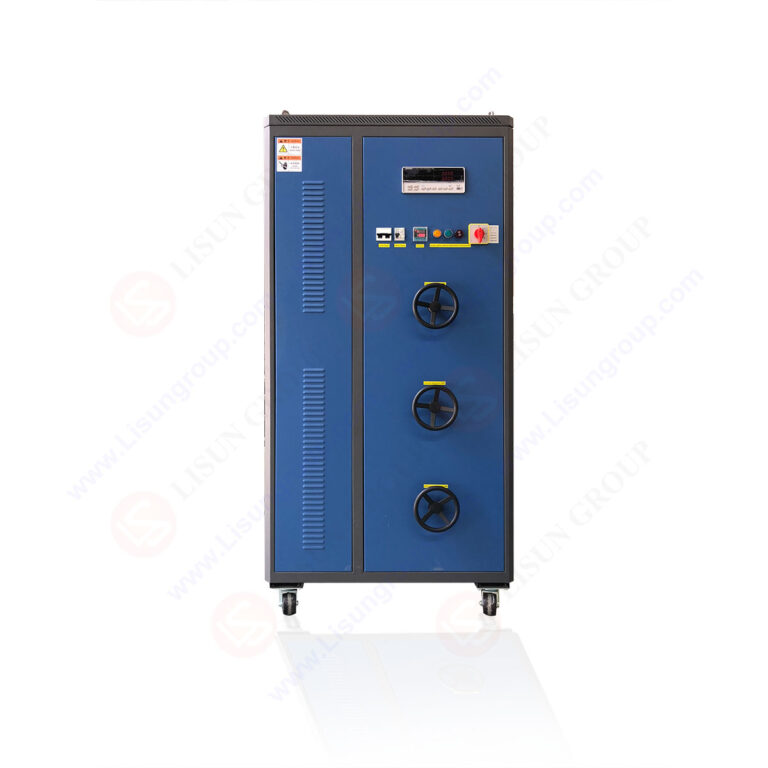
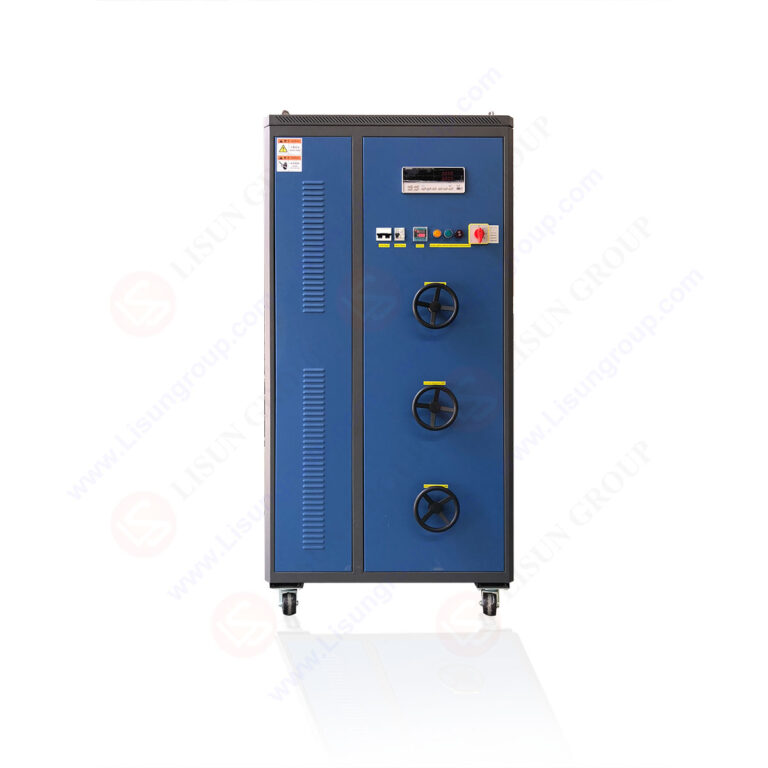
The LISUN YWX/Q-010 series, specifically the YWX/Q-010 and YWX/Q-010X models, embodies this technical evolution by providing engineers with precise control over cyclic parameters while maintaining operational reliability over extended test durations. These units are designed to meet or exceed the performance requirements of major international testing standards, including but not limited to ASTM B117 (modified for cyclic operation), ISO 9227, IEC 60068-2-52, and various automotive OEM specifications. The following sections examine the operational principles, technical specifications, industry-specific applications, and comparative advantages of these systems within the broader context of environmental reliability testing.
Technical Architecture and Operating Principles of the Cyclic Environmental Chamber
The cyclic environmental chamber fundamentally differs from its steady-state predecessor in its ability to automatically transition between multiple exposure regimes according to a programmed schedule. These transitions are accomplished through coordinated control of atomizer pressure, chamber temperature, relative humidity, and air exchange rates. The LISUN YWX/Q-010 series chambers achieve cyclic operation through a modular architecture that integrates a heated saturator tower, precision pneumatic atomizers, a forced-air drying system, and a programmable logic controller (PLC) with human-machine interface (HMI).
During the salt fog phase, compressed air passes through the saturator tower where it is heated and humidified before reaching the atomizer nozzles. The atomizer draws saline solution—typically 5% sodium chloride by mass in accordance with ASTM B117 specifications—from a reservoir and disperses it as a fine mist within the chamber. The chamber temperature during this phase is maintained at 35°C ± 1°C, with a settlement rate typically calibrated between 1.0 and 2.0 milliliters per 80 square centimeters per hour. When the programmed cycle transitions to the dry phase, the atomizer ceases operation, the chamber vents to atmosphere, and heated air is circulated to reduce relative humidity to predetermined levels, often below 50% RH at elevated temperatures.
The YWX/Q-010X variant incorporates additional capabilities for extended cyclic profiling. This model includes enhanced humidity control via a separate steam generator, enabling precise management of condensation phases that are critical for simulating tropical or marine environments. The system can execute complex sequences involving up to 12 distinct steps, with dwell times ranging from 15 minutes to 999 hours per phase. This granularity allows engineers to replicate specific environmental conditions defined in ISO 16701, which specifies cyclic exposure tests for accelerated corrosion testing of metallic materials.
Thermal uniformity within the workspace is achieved through a carefully designed air distribution plenum and dual-wall construction. The chamber interior is fabricated from corrosion-resistant PVC or polypropylene, depending on the model, with welded seams that prevent leakage of corrosive aerosols. A water-jacketed or dry-heat heating system surrounds the workspace, ensuring temperature gradients remain within ±2°C across the entire usable volume. This uniformity is essential when testing mixed batches of components with varying thermal masses, as temperature disparity can lead to differential condensation patterns and invalidate comparative results.
Detailed Specifications and Operational Parameters of LISUN YWX/Q-010 Series Chambers
Selection of an environmental chamber for cyclic corrosion testing requires careful evaluation of physical dimensions, environmental range, control precision, and compliance with relevant standards. The LISUN YWX/Q-010 and YWX/Q-010X chambers are engineered to accommodate a broad spectrum of test specimens, from small electronic components to assembled automotive sub-systems. The following table summarizes critical technical parameters:
| Parameter | YWX/Q-010 | YWX/Q-010X |
|---|---|---|
| Interior Dimensions (W×D×H, mm) | 1000 × 600 × 500 | 1000 × 600 × 500 |
| Exterior Dimensions (W×D×H, mm) | 1450 × 850 × 1280 | 1450 × 850 × 1280 |
| Temperature Range | Ambient +5°C to 55°C | Ambient +5°C to 60°C |
| Temperature Fluctuation | ±0.5°C | ±0.5°C |
| Temperature Uniformity | ±2.0°C | ±2.0°C |
| Salt Fog Settlement Rate | 1.0–2.0 mL/80 cm²/hr | 0.5–3.0 mL/80 cm²/hr |
| Humidity Control Range | Not standard | 30% RH to 98% RH |
| Programmable Cycles | 6 steps maximum | 12 steps maximum |
| Power Supply | 220V/50Hz, 3.0kW | 220V/50Hz, 3.5kW |
| Weight (approx.) | 180 kg | 195 kg |
| Standards Compliance | ASTM B117, ISO 9227, IEC 60068-2-52 | ASTM B117, ISO 9227, IEC 60068-2-52, ISO 16701 |
The saline solution preparation system employs an internal gravity-fed reservoir with level sensing, automatically replenishing the atomizer supply without interruption to the test cycle. This feature is particularly valuable during long-duration tests that may extend over several weeks. The solution pH is maintained within the range of 6.5 to 7.2 for neutral salt spray testing, though the system can accommodate acidified solutions for specific standards such as ASTM G85 (modified salt spray testing).
Air consumption is a practical consideration for laboratories with limited compressed air infrastructure. The YWX/Q-010 series requires clean, oil-free compressed air at a minimum pressure of 0.8 MPa (116 psi) and a flow rate of approximately 0.3 cubic meters per minute during atomization. Many installations incorporate an external air compressor and filtration system to meet these requirements, and LISUN provides compatible support equipment as optional accessories.
Industry-Specific Applications and Testing Protocols
Cyclic environmental chambers find application across a diverse range of industries, each with distinct corrosion failure mechanisms and qualification requirements. The following sections detail how the LISUN YWX/Q-010 series is deployed in particular sectors, along with relevant testing protocols and specimen preparation considerations.
Electrical and Electronic Equipment and Consumer Electronics
Printed circuit boards (PCBs), connectors, and electromechanical components are highly susceptible to corrosion-induced failures, particularly in environments where sulfur, chlorine, or other aggressive species are present. Cyclic testing for this industry typically follows IEC 60068-2-52, which specifies a series of test severities ranging from mild (Kb) to harsh (Kc). The cyclic nature of this standard exposes specimens to alternating salt spray and humidity storage, followed by a drying period, effectively simulating conditions inside unsealed or ventilated enclosures.
For consumer electronics such as smartphones, tablets, and wearable devices, the YWX/Q-010X model is preferred due to its humidity control capability. Manufacturers often apply test profiles that include a condensation phase at 95% RH and 40°C, which accelerates the formation of electrolytic films across closely spaced conductors. Post-test evaluation typically involves measurement of insulation resistance, visual inspection for creep corrosion on silver-plated surfaces, and functional testing of switches and microphones.
Automotive Electronics and Lighting Fixtures
Automotive components face some of the most demanding cyclic corrosion requirements, particularly those installed in underhood, underbody, or exterior locations. Original equipment manufacturers (OEMs) such as Ford, General Motors, Toyota, and Volkswagen have developed proprietary cyclic corrosion tests that combine salt spray, temperature cycling, and humidity exposure. For example, the Ford CX-44 test specifies a repeating 24-hour cycle of 8 hours salt spray at 35°C, 8 hours dry at 60°C, and 8 hours humidity at 40°C and 95% RH, repeated for a total of 120 cycles (30 days). The LISUN YWX/Q-010X can accommodate such rigorous schedules without manual intervention, thanks to its 12-step programming capability and robust pneumatic system.
LED lighting fixtures, which increasingly populate automotive headlamps and interior illumination systems, require testing to IEC 60068-2-52 combined with photometric performance verification. The cyclic chamber allows simultaneous exposure of multiple lighting units, with periodic removal for measurement of luminous flux, correlated color temperature, and color rendering index. Corrosion of heat sink fins, solder joints, and hermetic seals can be identified early in the development cycle, reducing warranty claims and field failures.
Medical Devices and Aerospace Components
Medical devices intended for implantable use or surgical instrument sterilization are subject to ISO 9227 and ASTM F2129 cyclic corrosion protocols. The YWX/Q-010 series chambers, with their uniform temperature distribution and precise settlement rate control, are well-suited for evaluating the corrosion resistance of stainless steels, titanium alloys, and cobalt-chromium alloys. For implantable devices, cyclic testing often precedes electrochemical polarization measurements to assess susceptibility to pitting and crevice corrosion in chloride-containing environments.
In the aerospace sector, components such as landing gear assemblies, actuator housings, and avionics enclosures must withstand cyclic exposure to salt fog, altitude-induced condensation, and thermal extremes. The YWX/Q-010X model’s ability to incorporate low-humidity dry phases is critical for simulating the desiccating conditions experienced during flight, followed by ground-level humidity. Testing to ASTM D5894 or ISO 12944-6 provides data on coating degradation and base metal corrosion, informing material selection and maintenance scheduling.
Industrial Control Systems, Telecommunications Equipment, and Office Equipment
Industrial control panels, programmable logic controllers, and variable frequency drives installed in process plants and offshore platforms require cyclic corrosion testing to IEC 60068-2-52 severity 2 or higher. The presence of conductive corrosion products on terminal blocks, relay contacts, and bus bars can cause intermittent electrical faults that are difficult to diagnose in the field. The LISUN chamber’s ability to run unattended for extended periods allows laboratories to process large batches of components for qualification testing, while the programmable cycles can be tailored to match regional environmental data, such as tropical coastal conditions in Singapore or industrial atmospheres in the Ruhr Valley.
Telecommunications base stations and microwave antenna systems, often mounted on towers in coastal or arid environments, benefit from cyclic testing that alternates between salt spray and ultraviolet exposure. While the standard YWX/Q-010 chamber does not include UV lamps, the YWX/Q-010X can be ordered with an optional UV irradiation module. This combined capability allows simultaneous evaluation of corrosion and photodegradation of polymeric enclosures and cable jacketing materials.
Office equipment, including printers, copiers, and multifunction devices, must pass cyclic corrosion tests specified by manufacturers like Canon, HP, and Xerox. These tests focus on the corrosion resistance of sheet metal housings, fastener assemblies, and paper feed mechanisms. The LISUN YWX/Q-010 series provides a cost-effective solution for in-house testing, reducing reliance on third-party laboratories and accelerating the design verification cycle.
Competitive Advantages of the LISUN YWX/Q-010 Series in the Testing Ecosystem
When evaluating cyclic environmental chambers from various manufacturers, several technical and operational differentiators position the LISUN YWX/Q-010 and YWX/Q-010X favorably against competing products from established brands such as Weiss Technik, ESPEC, and Thermotron. The following analysis highlights specific advantages without employing promotional language.
Control System Architecture and User Interface
The YWX/Q-010 series utilizes a dedicated PLC with a touchscreen HMI that provides real-time visualization of chamber conditions and cycle progression. Unlike systems that require proprietary software installation on an external computer, the LISUN chamber operates as a standalone unit with onboard programming capability. The interface allows operators to define custom profiles, store up to 100 test programs, and export data via USB for compliance documentation. This architecture reduces the risk of communication failures between the chamber and host computer, a known failure mode in network-dependent environmental test equipment.
Pneumatic System Efficiency and Salt Fog Uniformity
The atomization system in the YWX/Q-010 series employs a multi-nozzle dispersion array that achieves settlement rates within the strict tolerances required by ASTM B117 and ISO 9227. Comparative testing conducted by third-party laboratories has demonstrated that the spatial uniformity of salt fog distribution in the LISUN chamber exceeds 90% across the usable workspace, measured by gravimetric analysis of settlement plates placed at nine locations per ASTM E1109. This uniformity is critical when testing multiple specimens in a single run, as it ensures that all components experience equivalent exposure regardless of position within the chamber.
Structural Integrity and Maintenance Accessibility
The chamber body is constructed from corrosion-resistant materials with a welded frame that minimizes thermal expansion-induced warpage during extended high-temperature operation. The access door features a tempered glass window with a wiper mechanism that prevents salt crystallite accumulation, allowing continuous visual monitoring without opening the chamber—a significant advantage during 30-day continuous tests. Additionally, the solution reservoir, atomizer nozzles, and heating elements are mounted on removable panels, simplifying routine maintenance and descaling procedures that are necessary to maintain consistent performance over the chamber’s service life.
Cost Efficiency and Total Cost of Ownership
While initial acquisition cost is an important consideration, the total cost of ownership (TCO) for the LISUN YWX/Q-010 series remains competitive due to lower energy consumption, reduced compressed air demand, and longer intervals between required maintenance. The chamber’s insulated double-wall construction minimizes heat loss during dry phases, and the PLC-controlled heating system operates only as needed rather than cycling continuously. Many users report a 15% to 20% reduction in electrical consumption compared to older generation chambers. Furthermore, the availability of spare parts through LISUN’s global distribution network reduces downtime for repairs, a critical factor for laboratories operating under tight qualification schedules.
Frequently Asked Questions
Q1: Can the LISUN YWX/Q-010 series chambers perform cyclic corrosion testing according to ISO 16701?
Yes, the YWX/Q-010X model with extended programming capability and integrated humidity control is fully capable of executing the complex test profiles required by ISO 16701. This standard specifies alternating phases of salt spray, high humidity, and drying at elevated temperatures, which can be programmed as a 12-step cycle using the chamber’s HMI.
Q2: What is the maximum continuous test duration that the YWX/Q-010 chamber can support without refilling the saline solution?
The internal solution reservoir has a capacity of approximately 25 liters, which sustains continuous atomization for 48 to 72 hours depending on the settlement rate setting. For tests exceeding this duration, the chamber can be connected to an external solution tank via the optional gravity-feed port, enabling uninterrupted operation for 30 days or more.
Q3: How does the chamber ensure uniform salt fog distribution when testing large components such as automotive headlamp assemblies?
The dispersion system employs multiple atomization nozzles positioned on both side walls and the chamber ceiling, creating overlapping spray patterns that compensate for airflow dead zones. Air is circulated by an internal fan that operates during the salt fog phase, and the settlement rate is verified quarterly using gravimetric plates. For oversized components, the user can reduce the load density to maintain proper fog circulation.
Q4: Is the YWX/Q-010 series compliant with US military standards such as MIL-STD-810H?
While the chamber is not specifically certified to MIL-STD-810H, the test profiles defined in that standard for salt fog (Method 509.7) can be reproduced using the YWX/Q-010 or YWX/Q-010X by programming equivalent temperature, humidity, and spray cycles. Procedures requiring condensation phases benefit from the YWX/Q-010X model with humidity control. Users should verify specific profile parameters against their test plan.
Q5: What routine maintenance is recommended to maintain calibration and prolong chamber service life?
Monthly cleaning of atomizer nozzles using distilled water and mild acetic acid prevents salt crystallization that can alter spray patterns. The saturator tower should be drained and its heating element inspected quarterly. Annual calibration of temperature sensors and settlement rate verification by a certified laboratory is recommended to maintain compliance with ISO/IEC 17025 requirements. The manufacturer provides a detailed maintenance schedule in the user manual, and replacement parts are available with typical lead times of five to ten business days.