


Abstract
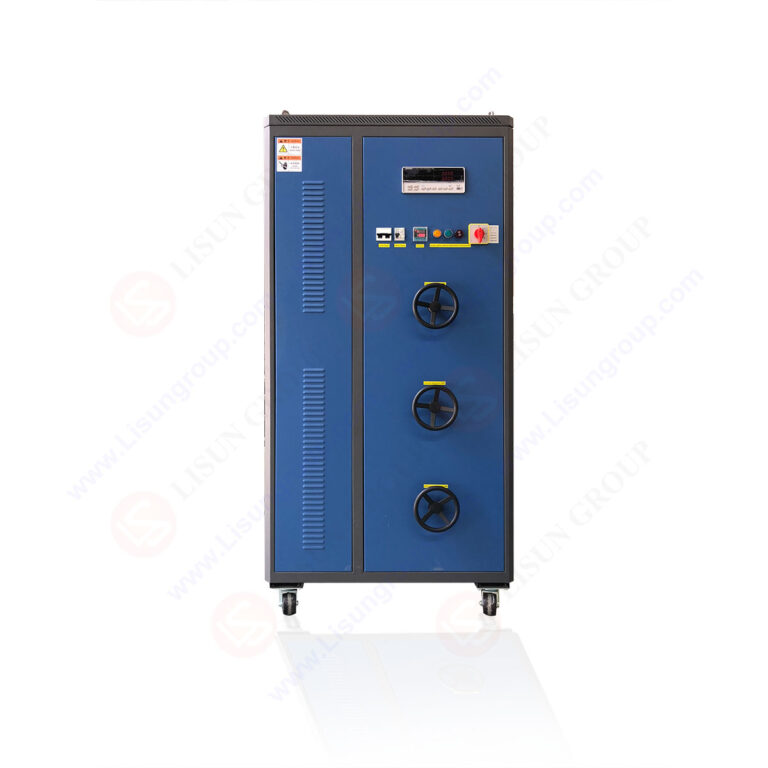
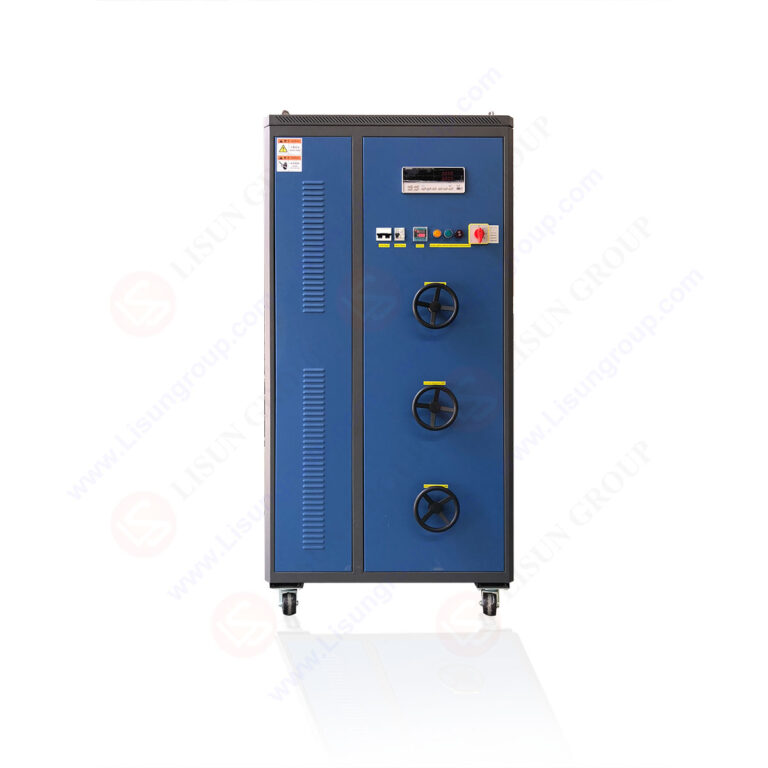
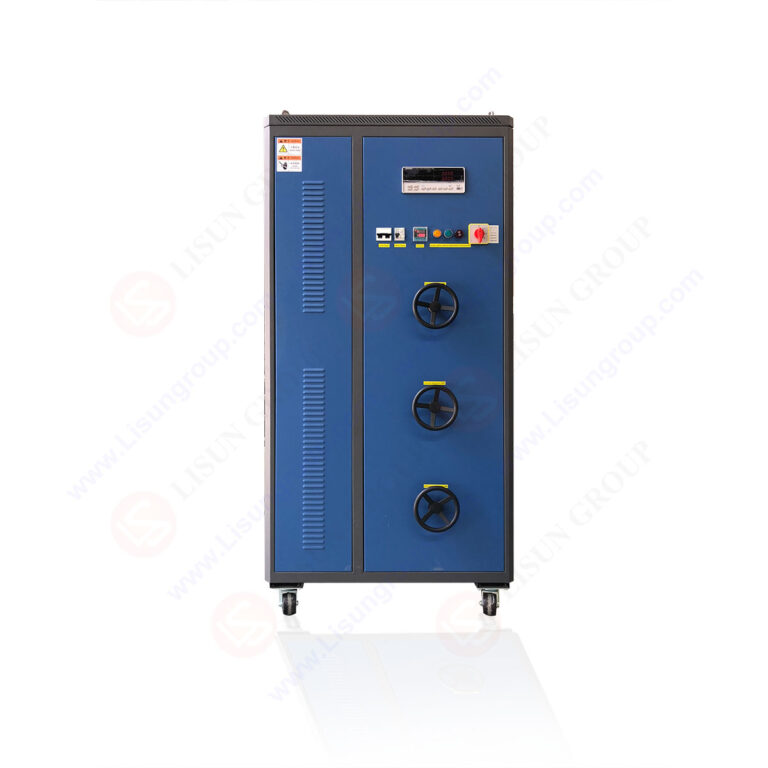
The LISUN DFX series externally ballasted fluorescent lamp test load cabinet represents a critical advancement in electrical accessory compliance testing, specifically designed to simulate realistic load conditions for switches, relays, and connectors under IEC and GB standards. This technical article provides an in-depth examination of the DFX series load test cabinet, covering its design architecture, operational capabilities, and compliance verification functions. Targeting electrical product manufacturers, third-party testing laboratories, and quality control engineers, the analysis focuses on how this load simulation equipment enables precise, repeatable testing for inductive, resistive, and capacitive load scenarios. The DFX series addresses the rigorous requirements of IEC 60669-1 Clause 19.2 and IEC 60884-1 Clause 20, offering multiple models with varying channel counts and current capacities. By integrating resistive, inductive, and capacitive load elements with programmable power factor adjustment, the DFX series ensures accurate simulation of externally ballasted fluorescent lamp loads, facilitating comprehensive type testing and routine quality assurance procedures.
1.1 The Necessity of Load Simulation in Electrical Accessory Testing
Electrical accessories such as switches, sockets, and connectors must withstand realistic operating conditions during their service life. Load simulation testing replicates the electrical stresses these components experience when controlling fluorescent lighting systems with external ballasts. Unlike resistive loads, fluorescent lamp circuits exhibit complex impedance characteristics due to the inductive ballast and capacitive compensation components. The LISUN DFX series externally ballasted fluorescent lamp test load cabinet provides the precise impedance matching required to simulate these conditions, enabling manufacturers to verify product performance before market release.
1.2 Standards Governing Fluorescent Lamp Load Testing
International standards define specific test protocols for electrical accessories subjected to fluorescent lamp loads. IEC 60669-1 Clause 19.2 specifies the test circuit configuration, power factor requirements, and operational cycling conditions for switches controlling fluorescent lighting. Similarly, IEC 60884-1 Clause 20 outlines the load characteristics for socket-outlets under similar conditions. These standards require test loads that accurately represent the electrical behavior of externally ballasted fluorescent lamps, including the inrush current characteristics during lamp starting and the steady-state operating parameters. The DFX series complies with these requirements through precisely controlled load elements.
1.3 Overview of the LISUN DFX Series Product Line
The LISUN DFX series comprises five models designed to accommodate different testing scales and requirements. The DFX-20 offers a single-channel configuration with a maximum current output of 20 amperes, suitable for basic testing applications. The DFX-20-3CH provides three independent channels, each rated at 20 amperes, enabling simultaneous testing of multiple samples. Higher-capacity models include the DFX-40 (40 amperes, single channel), DFX-60 (60 amperes, single channel), and DFX-80 (80 amperes, single channel). All models incorporate resistive, inductive, and capacitive load banks with adjustable power factor settings.
2.1 Fundamental Load Circuit Design
The load simulation circuit within the LISUN DFX series externally ballasted fluorescent lamp test load cabinet consists of three primary load elements: resistive (R), inductive (L), and capacitive (C). These elements are arranged in parallel configurations to replicate the impedance characteristics of actual fluorescent lamp installations. The resistive component represents the equivalent resistance of the lamp and ballast system, while the inductive element simulates the magnetic ballast impedance. Capacitive elements compensate for power factor correction capacitors commonly used in commercial lighting installations. This RLC configuration allows precise control over the load power factor, current waveform, and phase angle.
2.2 Power Factor Adjustment and Measurement
Power factor adjustment is a critical parameter in fluorescent lamp load testing. The DFX series provides continuous power factor adjustment from 0.3 inductive to 0.9 capacitive, covering the full range specified by IEC standards for accessory testing. The power factor resolution is 0.01, enabling fine-tuning to match specific test requirements. Measurement accuracy for voltage, current, and power factor is maintained within ±0.5% of reading, ensuring compliance with calibration standards. The system automatically calculates and displays real-time power factor values based on voltage and current phase angle measurements.
2.3 Load Capacitance and Inductance Specifications
The capacitive load banks in the DFX series provide selectable capacitance values ranging from 1 microfarad to 100 microfarads, depending on the model configuration. Inductive load elements offer inductance values between 10 millihenrys and 500 millihenrys. These ranges accommodate the typical compensation capacitor values found in commercial fluorescent lighting installations and the ballast inductance characteristics of various lamp wattages. The resistive load elements use high-power wire-wound resistors rated for continuous duty, with values adjustable in discrete steps to achieve the desired total load current.
3.1 Testing According to IEC 60669-1 Clause 19.2
IEC 60669-1 Clause 19.2 specifies the test conditions for switches controlling fluorescent lamp loads with external ballasts. The standard requires a test voltage of 1.1 times the rated voltage, a load current corresponding to the switch rating, and a power factor of 0.6 ± 0.05 inductive. The DFX series load test cabinet meets these requirements through its programmable voltage and current control systems. The test cycle includes 50 operations under normal load conditions, followed by verification of dielectric strength and temperature rise measurements. The cabinet’s integrated cycle counter tracks the exact number of operations performed.
3.2 Testing According to IEC 60884-1 Clause 20
IEC 60884-1 Clause 20 addresses the testing of socket-outlets for fluorescent lamp loads. The standard requires socket-outlets to undergo 100 operations at rated current with a power factor of 0.6 inductive. The DFX series supports these tests by providing the necessary load configuration and cycle control. Additionally, Clause 20.3 specifies inrush current testing, where socket-outlets must withstand a peak current of 20 times the rated current for a duration of 50 microseconds. The DFX series includes specialized circuitry to generate and measure these inrush current conditions.
3.3 Compliance with GB Standards for Domestic Applications
Chinese GB standards, including GB 16915.1 and GB 2099.1, align closely with corresponding IEC standards but include additional requirements for the domestic market. The DFX series accommodates these GB-specific testing protocols through its adjustable parameter ranges and comprehensive measurement capabilities. The load cabinet supports both 50 Hz and 60 Hz operation, covering the frequency requirements of different regional standards. All models include safety interlocks and emergency stop functions to comply with laboratory safety regulations.
4.1 Technical Specifications Comparison Across DFX Models
The following table provides a detailed comparison of the core specifications for each model in the LISUN DFX series:
| Model | Channel Count | Maximum Current (A) | Voltage Range (V) | Power Factor Range | Load Type | Input Power Requirement |
|---|---|---|---|---|---|---|
| DFX-20 | 1 | 20 | 100-277 | 0.3 Inductive to 0.9 Capacitive | RLC | 220V, 50/60 Hz, 5 kVA |
| DFX-20-3CH | 3 | 20 per channel | 100-277 | 0.3 Inductive to 0.9 Capacitive | RLC | 220V, 50/60 Hz, 15 kVA |
| DFX-40 | 1 | 40 | 100-277 | 0.3 Inductive to 0.9 Capacitive | RLC | 220V, 50/60 Hz, 10 kVA |
| DFX-60 | 1 | 60 | 100-277 | 0.3 Inductive to 0.9 Capacitive | RLC | 220V, 50/60 Hz, 15 kVA |
| DFX-80 | 1 | 80 | 100-277 | 0.3 Inductive to 0.9 Capacitive | RLC | 220V, 50/60 Hz, 20 kVA |
4.2 Comparison with IEC Minimum Standard Requirements
The following table compares the DFX series capabilities with the minimum requirements specified in key IEC standards:
| Parameter | IEC 60669-1 Requirement | IEC 60884-1 Requirement | DFX Series Capability |
|---|---|---|---|
| Test Voltage | 1.1 x Rated Voltage | 1.1 x Rated Voltage | 100-277 VAC |
| Power Factor | 0.6 ± 0.05 Inductive | 0.6 ± 0.05 Inductive | 0.3 Inductive to 0.9 Capacitive |
| Current Accuracy | ±3% | ±3% | ±0.5% |
| Test Cycles | 50 Operations | 100 Operations | Programmable up to 999,999 |
| Inrush Current | Not Specified for Switches | 20x Rated Current | 30x Rated Current Peak |
5.1 CZKS Series Life Testers and the DFX Load Cabinet
The LISUN CZKS series life testers are designed to perform endurance testing of switches and socket-outlets over extended operational cycles. When integrated with the DFX series externally ballasted fluorescent lamp test load cabinet, these systems provide complete automated testing solutions. The CZKS testers control the mechanical actuation of test samples while the DFX cabinet provides the prescribed electrical load conditions. This integration enables simultaneous testing of multiple samples under identical load conditions, significantly reducing test cycle times. The combined system supports continuous operation for up to 100,000 cycles without manual intervention.
5.2 SW-6 Bending Testers and Load Verification
Mechanical durability testing of flexible cords and cable assemblies requires the SW-6 bending testers, which subject cable samples to repeated flexing cycles. When combined with the DFX load cabinet, these bending tests can be performed under actual electrical load conditions, simulating real-world usage scenarios. The load cabinet provides the specified current and voltage while the bending tester cycles the cable assembly. This combined testing approach verifies both mechanical and electrical performance simultaneously, as required by IEC 60884-1 Clause 23 for flexible cord connections.
5.3 Comprehensive Testing Workflow Implementation
A complete electrical accessory testing laboratory can be configured by integrating the DFX series load cabinet with other LISUN products including the CZKS life testers, SW-6 bending testers, temperature rise measurement systems, and dielectric strength testers. This integrated workflow allows sequential or simultaneous execution of all required type tests under a single control software platform. The system supports data logging, report generation, and remote monitoring capabilities, enabling quality control engineers to oversee multiple test stations from a central location.
6.1 Standard Test Setup Configuration
Proper configuration of the LISUN DFX series externally ballasted fluorescent lamp test load cabinet requires adherence to specific setup procedures. The operator must first select the appropriate load elements based on the test standard requirements and the electrical characteristics of the lamp being simulated. For IEC 60669-1 testing, the power factor adjustment controls are set to 0.6 inductive, and the current output is calibrated to match the switch rating. The voltage regulation system maintains the test voltage at 1.1 times the rated voltage throughout the test cycle. The cabinet’s digital display provides real-time feedback on all key parameters.
6.2 Calibration Schedule and Verification Methods
Regular calibration of the DFX series load cabinet is essential to maintain measurement accuracy and test validity. The manufacturer recommends annual calibration using traceable reference standards. Calibration verification includes checks of voltage and current measurement accuracy using precision digital multimeters, power factor verification using phase angle meters, and load element resistance measurement using Kelvin bridge techniques. The load cabinet includes built-in self-diagnostic functions that perform daily verification of critical measurement circuits and alert operators to any deviations from specified accuracy tolerances.
6.3 Safety Interlocks and Operator Protection
The DFX series incorporates multiple safety features designed to protect operators and equipment during testing. High-voltage interlocks prevent access to energized components during operation. Overcurrent protection circuits automatically disconnect the load if current exceeds the rated capacity by more than 10%. Thermal sensors monitor load element temperatures and initiate shutdown if temperatures exceed safe operating limits. The cabinet includes emergency stop buttons located on the front panel and remote control interface for immediate power disconnection in emergency situations.
7.1 Type Testing for Switch Manufacturers
Switch manufacturers use the DFX series load cabinet to perform compliance type testing according to IEC 60669-1. A typical application involves testing a 10-ampere rated switch at 253 volts (1.1 x 230V) with a power factor of 0.6 inductive. The load cabinet applies 50 consecutive operations while monitoring contact resistance, temperature rise, and arc extinction behavior. After the test sequence, the switch must demonstrate satisfactory dielectric strength and insulation resistance. The DFX-20 model is commonly used for this application, providing the necessary current capacity and measurement accuracy for switches up to 20 amperes.
7.2 Socket-Outlet Testing for Compliance Laboratories
Third-party testing laboratories perform socket-outlet testing according to IEC 60884-1 using the DFX series load cabinets. These laboratories typically require multi-channel configurations such as the DFX-20-3CH to test multiple socket-outlet samples simultaneously. The testing protocol includes 100 operations at rated current with power factor 0.6 inductive, followed by inrush current testing at 20 times rated current. The DFX series generates the required inrush current waveform with peak duration of 50 microseconds, enabling verification of contact weld resistance and arc suppression performance.
7.3 Quality Assurance Testing for Lighting System Components
Manufacturers of lighting system components, including ballasts, connectors, and wiring accessories, use the DFX series load cabinet as part of their quality assurance programs. In these applications, the load cabinet simulates the complete fluorescent lamp circuit including ballast impedance and compensation capacitance. The DFX-40 and DFX-60 models are frequently used for testing higher-current components such as industrial-grade connectors and distribution equipment. The cabinet’s programmable test sequences enable automated quality testing of production batches, with pass/fail criteria based on contact resistance limits and temperature rise thresholds.
The LISUN DFX series externally ballasted fluorescent lamp test load cabinet provides a technically robust solution for electrical accessory compliance testing under IEC and GB standards. Through precise RLC load simulation with adjustable power factor from 0.3 inductive to 0.9 capacitive, the DFX series accurately replicates the complex electrical characteristics of fluorescent lamp circuits with external ballasts. The five available models accommodate diverse testing requirements, from basic single-channel testing with the DFX-20 to high-current multi-channel applications with the DFX-80. The comprehensive specification range, including current accuracy of ±0.5% and power factor resolution of 0.01, exceeds minimum standard requirements for compliance verification. Integration with complementary LISUN equipment such as the CZKS series life testers and SW-6 bending testers enables complete end-to-end testing workflows. The DFX series supports key standard requirements including IEC 60669-1 Clause 19.2, IEC 60884-1 Clause 20, and corresponding GB standards. For electrical product manufacturers, third-party testing laboratories, and quality control engineers, the DFX series delivers the technical accuracy, operational reliability, and compliance assurance necessary for rigorous electrical accessory testing programs.
Q1: What are the specific advantages of the DFX-20-3CH model compared to using three separate single-channel load cabinets?
A: The DFX-20-3CH model offers significant advantages over multiple single-channel cabinets by providing three independent test channels within a single integrated enclosure. This configuration reduces laboratory floor space requirements by approximately 40% compared to three separate DFX-20 units. The three channels share a common control interface and power supply, simplifying operation and reducing setup time. Each channel operates independently with individual current, voltage, and power factor settings, allowing simultaneous testing of different sample types under different load conditions. The integrated design also reduces overall system cost by leveraging shared components. Additionally, the DFX-20-3CH includes synchronized cycle counting across all channels, enabling coordinated test sequences for multi-sample testing protocols. The common measurement and data logging system provides consolidated test reports for all channels.
Q2: How does the DFX series achieve the required inrush current waveform for IEC 60884-1 Clause 20 testing?
A: The DFX series generates inrush current waveforms through a dedicated high-current pulse generation circuit that operates independently from the steady-state load elements. This circuit includes a pre-charged capacitor bank that discharges through the test sample when triggered by the test sequence controller. The pulse amplitude is adjustable from 10 to 30 times the rated current, exceeding the IEC 60884-1 requirement of 20 times rated current. The pulse duration is precisely controlled to 50 microseconds with a tolerance of ±5 microseconds. The inrush current waveform shape approximates the typical exponential decay characteristic of real fluorescent lamp starting currents. The cabinet’s high-speed current measurement system captures the peak current value with microsecond resolution and verifies that the pulse meets standard requirements.
Q3: Can the DFX series be used for testing accessories rated for DC applications, or is it limited to AC testing?
A: The LISUN DFX series is primarily designed for AC testing applications at 50/60 Hz, as specified by IEC and GB standards for fluorescent lamp load testing. The load cabinet’s RLC elements are optimized for AC impedance characteristics and power factor adjustment. However, the cabinet can be configured for DC testing of accessories by disabling the inductive and capacitive load elements and using only the resistive load banks. In DC mode, the power factor adjustment is not applicable, and the measurement system directly reports DC voltage and current values. The DFX series supports DC voltage ranges up to 277 VDC and current levels corresponding to the model rating. For comprehensive DC testing requirements, LISUN offers dedicated DC load cabinets with appropriate specifications. The DFX series is recommended for AC fluorescent lamp load testing to ensure full standard compliance.
Q4: What maintenance procedures are recommended to ensure long-term accuracy and reliability of the DFX series load cabinet?
A: Recommended maintenance procedures for the DFX series include monthly visual inspection of load elements for signs of overheating or physical damage, quarterly cleaning of ventilation filters and cooling fans, and semi-annual verification of measurement accuracy using calibrated reference standards. The resistive load elements should be checked for resistance drift using Kelvin bridge measurements at annual intervals. Inductive and capacitive load elements require periodic impedance measurement to verify that values remain within specified tolerances. The cabinet’s safety interlocks and emergency stop circuits should be tested monthly to ensure proper functionality. Calibration of voltage, current, and power factor measurement circuits should be performed annually by an accredited calibration laboratory. The control software and firmware should be updated as released by LISUN to ensure compatibility with evolving standard requirements. Documentation of all maintenance activities should be maintained as part of the laboratory’s quality management system.
Q5: How does the DFX series handle power factor adjustment for loads that require values outside the standard 0.6 inductive setting?
A: The DFX series provides continuous power factor adjustment from 0.3 inductive to 0.9 capacitive through a precise RLC network switching system. For loads requiring power factors outside the standard 0.6 inductive setting, operators use the front panel controls or remote interface to select the desired power factor value. The cabinet automatically configures the appropriate combination of resistive, inductive, and capacitive elements to achieve the target power factor while maintaining the specified load current. The power factor adjustment offers a resolution of 0.01, allowing fine-tuning for specialized test requirements. The system displays the actual power factor in real-time based on voltage-current phase angle measurement. For inductive power factors below 0.3, the cabinet can be configured with optional high-inductance load modules. For capacitive power factors above 0.9, the cabinet’s capacitive load banks provide values up to 100 microfarads depending on the model.