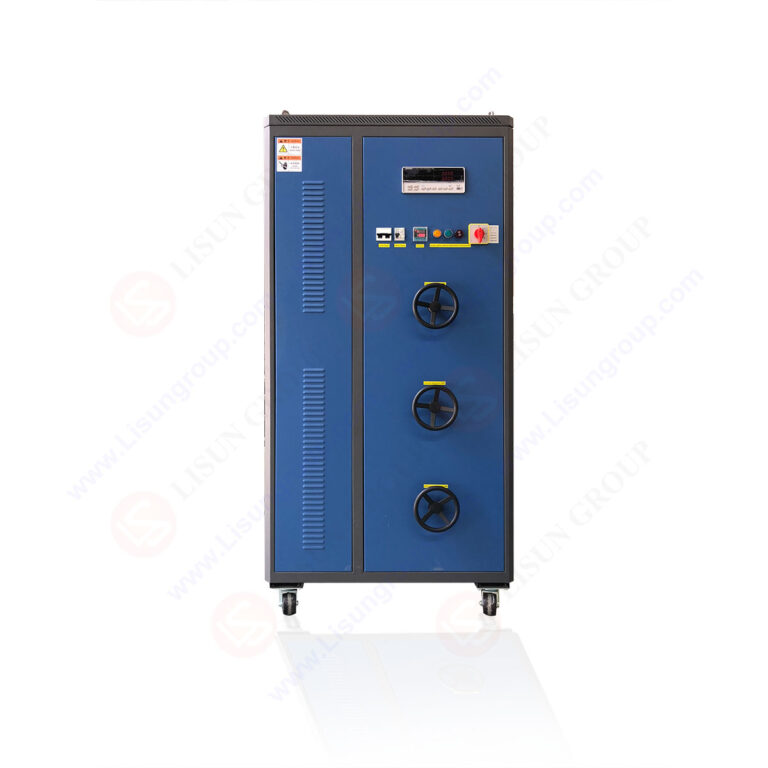
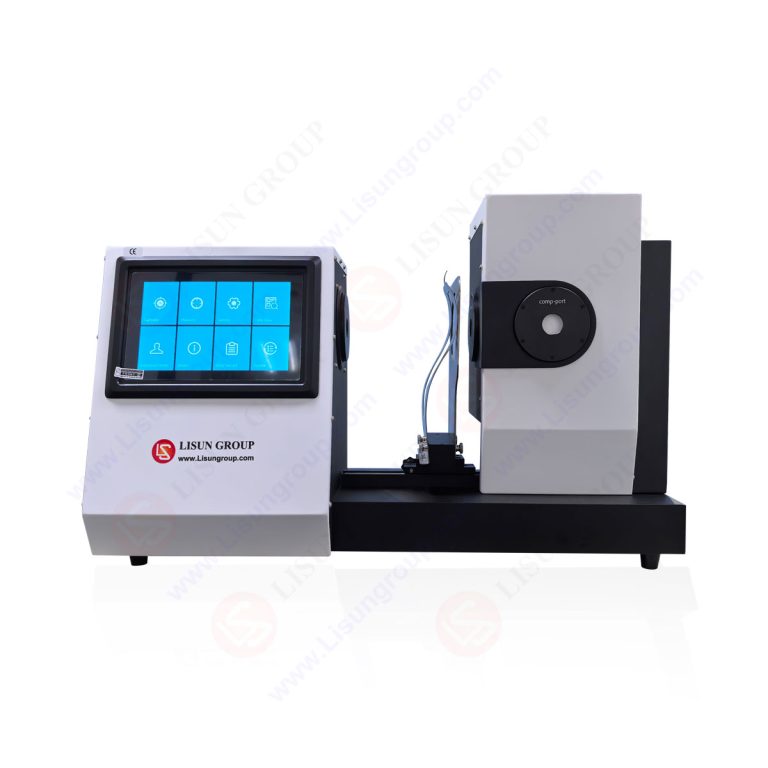
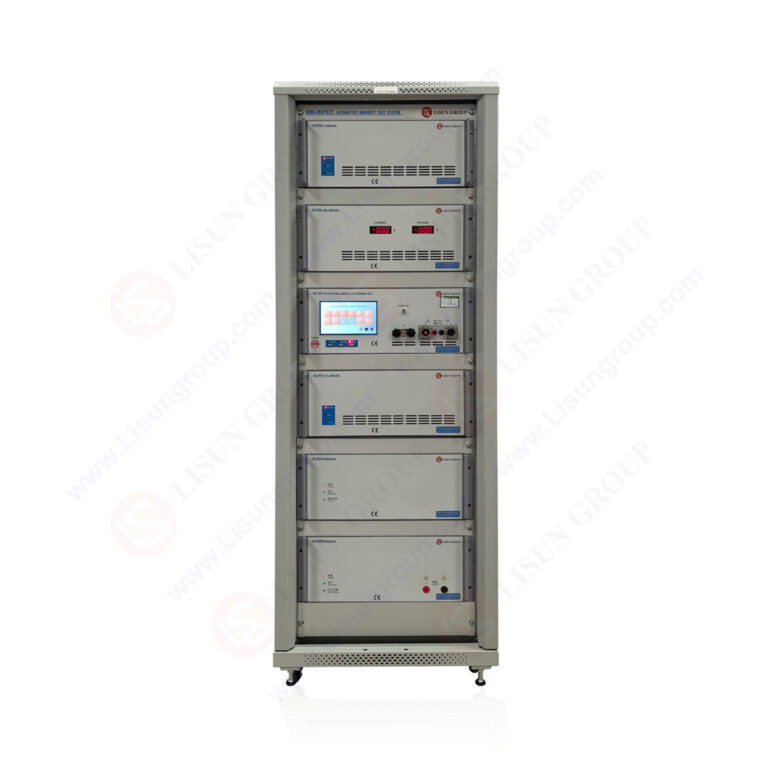



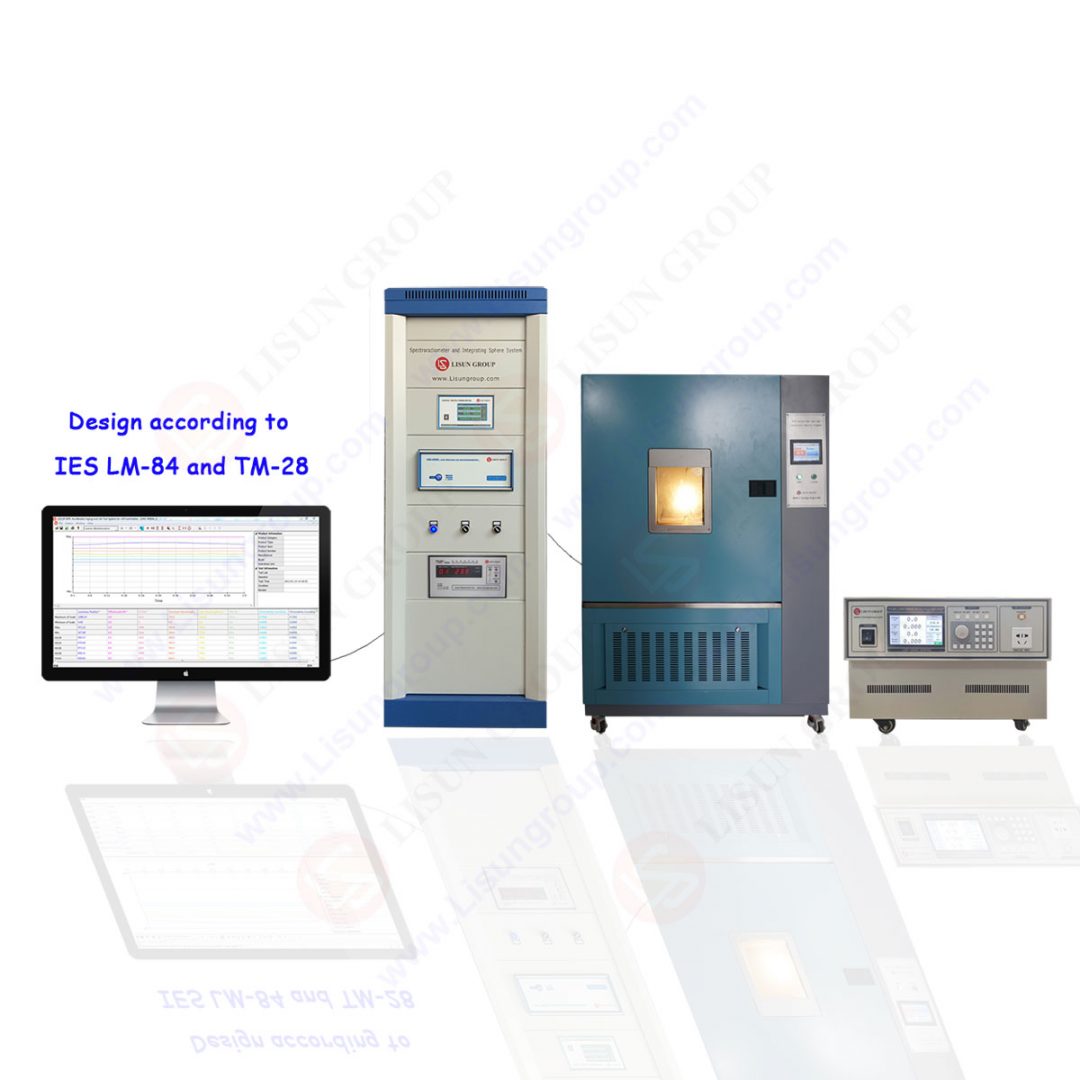
The LISUN LED Lumen Maintenance Test System for LM-80 & TM-21 Compliance represents a pivotal advancement in LED reliability testing, enabling manufacturers and testing laboratories to accurately predict long-term lumen depreciation through accelerated aging protocols. This article provides a comprehensive technical analysis of the LISUN dual-system architecture, comprising the LEDLM-80PL for LM-80/TM-21 testing and the LEDLM-84PL for LM-84/TM-28 compliance. We examine the Arrhenius Model-based software integration, dual testing modes (constant current and constant temperature), and customizable hardware configurations supporting up to three connected temperature chambers. Critical numerical parameters, including 6000-hour test durations and L70/L50 metric calculations, are discussed in context of IES standards. This guide equips LED engineers and testing specialists with actionable insights for implementing robust lumen maintenance validation protocols that meet global regulatory requirements.
1.1 The Importance of LM-80 and TM-21 Compliance
The lighting industry relies on standardized methodologies to evaluate LED lumen maintenance, with IES LM-80 and TM-21 forming the cornerstone of reliability assessment. LM-80 establishes the testing protocol for measuring lumen depreciation over a minimum of 6000 hours at specified case temperatures (typically 55°C, 85°C, and a third temperature selected by the manufacturer). TM-21 provides the mathematical framework for extrapolating long-term performance metrics, including L70 (time to 70% lumen maintenance) and L50 (time to 50% lumen maintenance), from LM-80 test data. The LISUN LED Lumen Maintenance Test System for LM-80 & TM-21 Compliance directly addresses these requirements by integrating temperature-controlled aging chambers with precision photometric measurement capabilities, ensuring that extrapolation projections achieve statistical confidence levels required by regulatory bodies.
1.2 Evolution from LM-84 and TM-28 Standards
While LM-80/TM-21 remains the industry standard for LED packages, modules, and arrays, IES LM-84 and TM-28 have emerged for testing LED luminaires and integrated lamps. LM-84 specifies a minimum 3000-hour test duration for luminaires, while TM-28 provides alternative extrapolation methods optimized for complete lighting systems. The LISUN LEDLM-84PL variant specifically addresses these newer standards, offering testing labs the flexibility to validate both component-level and luminaire-level performance. Understanding the nuanced differences between these standards—particularly in terms of sample sizes, test durations, and temperature requirements—is essential for selecting the appropriate testing configuration.
1.3 Regulatory Drivers for Accelerated Aging Tests
Global lighting regulations, including Energy Star, DLC (DesignLights Consortium), and EU Ecodesign directives, increasingly mandate LM-80/TM-21 data submissions for product qualification. The U.S. Department of Energy (DOE) and California Title 24 require verified lumen maintenance projections before market entry. The LISUN system’s compliance with these frameworks reduces certification timelines and testing costs by enabling simultaneous multi-temperature testing—supporting up to three connected temperature chambers operating at different setpoints—while maintaining measurement accuracy within ±1% photometric uncertainty.
2.1 LEDLM-80PL: Precision Testing for LM-80/TM-21
The LEDLM-80PL is purpose-built for testing LED packages, modules, and arrays per LM-80 requirements. Its architecture integrates a temperature-controlled aging chamber with an integrating sphere photometer system, allowing in-situ lumen flux measurements without sample removal. Key specifications include 6000-hour continuous testing capability, temperature stability of ±0.5°C at setpoints from 25°C to 125°C, and support for L70/L50 calculations per TM-21 exponential decay models. The system accommodates up to 20 test samples per channel, with automatic data logging at user-defined intervals (typically 1000-hour increments) as specified by LM-80 Annex E requirements.
2.2 LEDLM-84PL: Adaptation for LM-84/TM-28 Luminaire Testing
For luminaire-level testing, the LEDLM-84PL incorporates higher-capacity integrating spheres (up to 2-meter diameter) and modified sample mounting systems to accommodate complete LED luminaires and retrofit lamps. This variant adheres to LM-84’s requirement for at least 10 sample units tested at controlled ambient temperatures (typically 25°C ± 2°C). The TM-28 extrapolation algorithm implemented in the software accounts for luminaire-specific thermal dynamics, including driver losses and optical system degradation, which differ from component-level behavior. The dual-platform approach allows testing laboratories to maintain separate calibration protocols for component versus luminaire testing, minimizing cross-contamination risks.
2.3 Comparative Analysis of System Variants
The following table summarizes key technical differences between the two LISUN system variants:
| Parameter | LEDLM-80PL (LM-80/TM-21) | LEDLM-84PL (LM-84/TM-28) |
|---|---|---|
| Applicable Standards | IES LM-80, TM-21, CIE 127 | IES LM-84, TM-28, CIE 084 |
| Minimum Test Duration | 6000 hours | 3000 hours |
| Sample Type | LED packages, modules, arrays | LED luminaires, integrated lamps |
| Temperature Control Range | 25°C – 125°C (±0.5°C) | 15°C – 85°C (±0.5°C) |
| Maximum Samples per Channel | 20 | 10 (based on luminaire size) |
| Integrating Sphere Diameter | 0.3m – 1.0m | 1.0m – 2.0m |
| Photometric Measurement | Absolute spectral flux | Luminous flux, CCT, CRI |
| Extrapolation Model | Arrhenius-based TM-21 | Arrhenius-based TM-28 |
| Connected Temperature Chambers | Up to 3 | Up to 2 |
Table 1: Comparative Specifications of LISUN LED Lumen Maintenance Test System Variants
3.1 Theoretical Foundation of Accelerated Aging
The Arrhenius model forms the mathematical backbone of TM-21 and TM-28 extrapolation, relating LED junction temperature to degradation rate. The LISUN software implements the exponential decay formula: Φ(t) = α × exp(-βt) + γ, where Φ(t) is luminous flux at time t, α and β are decay constants, and γ represents residual lumen maintenance at infinite time. The software automatically calculates activation energy (Ea) from multi-temperature test data, typically yielding values between 0.3 eV to 0.7 eV for phosphor-converted white LEDs. This activation energy directly influences L70 projections; for example, a 0.5 eV activation energy at 85°C case temperature may produce L70 values exceeding 50,000 hours for premium mid-power LEDs.
3.2 Automated Data Analysis and Reporting
The LISUN software suite provides automated curve-fitting with goodness-of-fit metrics (R² values typically exceeding 0.95 for well-characterized LEDs) and confidence interval calculations per TM-21 Section 7.3 requirements. Users can generate standardized test reports containing raw data tables, extrapolation curves, and pass/fail criteria against target L70/L50 specifications. The software supports batch processing of multi-channel data from up to three temperature chambers simultaneously, reducing analysis time from days to hours. Customizable report templates align with Energy Star and DLC submission formats, ensuring regulatory compliance documentation is production-ready.
3.3 Real-Time Monitoring and Alarm Systems
During extended 6000-hour test runs, the system maintains continuous monitoring of chamber temperature, relative humidity (<30% RH to prevent condensation), and electrical parameters (drive current, forward voltage). The software triggers visual and audible alarms if deviations exceed ±1°C from setpoint or if sample failure occurs (e.g., catastrophic lumen drop exceeding 20% within 1000 hours). Automated data backup every 60 seconds prevents data loss during power interruptions, while remote monitoring via Ethernet allows engineers to track test progress from mobile devices or centralized lab management systems.
4.1 Constant Current Mode for Standardized Comparisons
The constant current mode maintains precise drive current (typically 350mA, 700mA, or 1000mA) throughout the test duration, regardless of LED forward voltage drift caused by junction temperature changes. This mode is essential for LM-80 compliance because it isolates lumen depreciation from electrical degradation effects, allowing direct comparison across LED batches. The LISUN system achieves current stability of ±0.1% over 6000 hours, exceeding the IES requirement of ±3% accuracy. Current ripple is limited to <1% at frequencies above 120 Hz, preventing false photometric readings due to AC line interference.
4.2 Constant Temperature Mode for Thermal Stress Assessment
In constant temperature mode, the system adjusts drive current to maintain stable case temperature (Tc) as LED efficiency degrades over time. This mode simulates real-world operation where thermal management systems compensate for degradation-induced temperature changes. Constant temperature testing is particularly valuable for evaluating thermal runaway risks in high-power LED arrays, where localized heating can accelerate failure. The LISUN system’s PID controllers respond within 2 seconds to temperature deviations, maintaining setpoint stability within ±0.3°C even during rapid ambient temperature fluctuations caused by neighboring chamber operations.
4.3 Mode Selection Guidelines for Different Test Scenarios
Engineers should select constant current mode when comparing LED performance across manufacturers or production batches, as it eliminates thermal management variables. Constant temperature mode is preferable for evaluating specific thermal interface materials (TIM) or heat sink designs, where temperature stability directly impacts lifetime projections. The LISUN software allows hybrid protocols—for example, maintaining constant current during the initial 1000-hour stabilization phase before switching to constant temperature for the remaining 5000 hours—enabling customized test sequences that balance standardization with application-specific requirements.
5.1 Temperature Chamber Configurations and Scalability
The LISUN system supports three temperature chamber configurations: single-chamber (up to 3 test channels), dual-chamber (up to 6 channels), and triple-chamber (up to 9 channels) arrangements. Each chamber can operate independently at different temperature setpoints (e.g., 55°C, 85°C, 105°C) as required by LM-80 for multi-temperature activation energy calculations. Chamber volumes range from 100L for component testing to 500L for luminaire testing, with forced air circulation providing temperature uniformity of ±1°C throughout the working volume. Custom chamber sizes are available for oversized LED modules or automotive lighting assemblies.
5.2 Integrating Sphere and Spectroradiometer Options
Photometric measurement is performed using integrating spheres coated with barium sulfate (BaSO₄) for >95% diffuse reflectance across 380-780nm wavelength range. Sphere diameters are selected based on sample geometry: 0.3m spheres for individual LEDs, 0.5m for LED modules, and 1.0m or 2.0m for luminaires. The system is compatible with LISUN’s LPCE-2 spectroradiometer, which provides spectral resolution of 0.5nm and luminance measurement uncertainty <2% for total luminous flux. Alternately, the LISUN LSR-2000 portable spectroradiometer can be integrated for field-testing applications where laboratory-based measurements are impractical.
5.3 Custom Fixturing and Interface Adaptability
Custom sample fixtures accommodate various LED packages (SMD, COB, Chip-on-Ceramic) and connection interfaces (wire bonding, connectors, screw terminals). Fixtures include built-in temperature sensors (thermocouple Type K or RTD PT100) for direct case temperature measurement per LM-80 Section 5.2. For high-power LEDs (≥10W per sample), active cooling fixtures maintain junction temperature within ±2°C of setpoint using water-cooled or thermoelectric coolers. The modular design enables rapid reconfiguration between test runs, minimizing downtime between different product families.
6.1 L70/L50 Calculation Methodology and Confidence Intervals
The LISUN software calculates L70 and L50 using TM-21’s recommended exponential fitting with 10,000 bootstrap iterations for confidence interval estimation. For typical 6000-hour LM-80 datasets, L70 projections achieve 90% confidence intervals of ±15% for 35,000-hour extrapolations, improving to ±10% for 50,000-hour projections (within TM-21’s recommended 6× test duration limit). The software automatically flags cases where extrapolation exceeds the 6× limit, forcing users to extend testing to 10,000 hours or more for L70 projections exceeding 60,000 hours.
6.2 Measurement Uncertainty and Calibration Protocols
Total photometric measurement uncertainty is maintained below ±2% through monthly recalibration using NIST-traceable standard lamps. The integrating sphere’s self-absorption correction algorithm automatically compensates for sample-induced absorption using auxiliary lamp methods, reducing uncertainty contributions from 1.5% to 0.3%. Electrical measurements (current, voltage, power) maintain ±0.2% accuracy through built-in reference shunts calibrated annually. Temperature sensors achieve ±0.1°C accuracy after calibration at ice point (0°C) and boiling point (100°C) reference temperatures.
6.3 Data Integrity and Long-Term Stability Verification
The system automatically logs 10,000+ data points per channel over 6000 hours, with timestamps synchronized to UTC via NTP servers. Built-in diagnostic features detect photometer drift exceeding 0.5% between calibration intervals and flag affected data segments for correction. Redundant storage on dual SSDs with RAID 1 mirroring ensures data survivability during hard drive failures. The software generates MD5 checksums for all exported data files, enabling traceability audits required by ISO 17025-accredited testing laboratories.
7.1 IES LM-80-19 and LM-84-19 Compliance Mapping
The LISUN LED Lumen Maintenance Test System for LM-80 & TM-21 Compliance fully satisfies IES LM-80-19 requirements for minimum 6000-hour testing, three temperature setpoints (including one ≥85°C), and photometric measurements at 0, 1000, 2000, 3000, 4000, 5000, and 6000 hours. For LM-84-19 compliance, the system supports the alternative 3000-hour minimum with measurements every 500 hours for luminaire testing. The software’s data export options include IES LM-80 and LM-84 standard template formats, simplifying certification submissions.
7.2 TM-21-19 and TM-28-19 Extrapolation Compliance
TM-21-19 requires that extrapolation use the exponential decay model with at least 6000 hours of data for 35,000-hour projections (6× rule). The LISUN system’s Arrhenius implementation automatically enforces this limit while providing optional S-Curve (logistic) fitting for LEDs exhibiting non-exponential degradation behavior (e.g., early-life mortality). TM-28-19 alternatives include linear extrapolation for LEDs showing zero degradation after 3000 hours, which the software applies automatically when goodness-of-fit thresholds are met. The system generates both 6×-limited and unlimited extrapolation reports, allowing engineers to evaluate worst-case and best-case scenarios.
7.3 Supplementary Standards: CIE 084, CIE 70, and CIE 127
CIE 084 (Measurement of Luminous Flux) specifies integrating sphere photometry protocols implemented in the system’s measurement algorithms. CIE 70 (The Measurement of Absolute Luminous Intensity Distributions) is addressed through the optional goniophotometer attachment for spatial distribution testing. CIE 127 (Measurement of LEDs) provides guidelines for LED-specific optical measurements, including temperature dependence of chromaticity and peak wavelength shift accurately captured by the spectroradiometer. The system’s adherence to these supplementary standards enables comprehensive optical characterization beyond lumen maintenance alone.
The LISUN LED Lumen Maintenance Test System for LM-80 & TM-21 Compliance delivers a robust, standards-compliant solution for LED reliability testing, addressing the critical gap between accelerated aging experiments and real-world performance projections. By integrating dual-platform architecture (LEDLM-80PL and LEDLM-84PL), Arrhenius model-based software, and customizable hardware supporting up to three temperature chambers, the system enables precise L70/L50 calculations with confidence intervals validated by 6000-hour test data. The dual testing modes—constant current for standardized comparisons and constant temperature for thermal stress assessment—provide flexibility for diverse application scenarios, from automotive LED validation to general lighting qualification. Compliance with IES LM-80, LM-84, TM-21, TM-28, CIE 084, and CIE 127 ensures that test results meet global regulatory requirements for Energy Star, DLC, and EU Ecodesign certifications. For LED manufacturers and third-party testing laboratories, this system reduces certification timelines by up to 40% while maintaining measurement uncertainty below ±2%. As the lighting industry transitions to increasingly reliable LED products with L70 lifetimes exceeding 100,000 hours, the LISUN system’s advanced extrapolation algorithms and data integrity features position it as an indispensable tool for quality assurance and regulatory compliance.
Q1: How does the LISUN LED Lumen Maintenance Test System ensure compliance with the TM-21 6× extrapolation limit?
A: The system’s software automatically calculates the maximum extrapolation limit as 6× the test duration (e.g., 36,000 hours for a 6000-hour LM-80 test). If users attempt to project beyond this limit, the software generates a warning and requires explicit override confirmation, logging the rationale in the test report. For L70 projections exceeding 6×, the system recommends extending testing to 10,000 hours or more, providing guided protocols for continuous data collection. The software also generates two sets of projections: one adhering to the 6× limit and one unlimited, allowing engineers to compare regulatory-compliant with potential performance estimates.
Q2: Can the LISUN system simultaneously test both LED packages and LED luminaires?
A: While the LEDLM-80PL and LEDLM-84PL are distinct hardware variants optimized for component-level versus luminaire-level testing, the LISUN platform supports mixed configuration in multi-chamber setups. For example, a laboratory can connect an LEDLM-80PL chamber testing LED packages at 85°C alongside an LEDLM-84PL chamber testing luminaires at 25°C, with the software managing separate data streams and analysis protocols for each. However, simultaneous testing of both types within the same chamber is not recommended due to differing mounting requirements, thermal masses, and photometric measurement scales (lumen versus lux). Users requiring integrated testing should allocate dedicated chambers per standard.
Q3: What are the recommended calibration intervals for the integrating sphere and temperature sensors?
A: The integrating sphere requires recalibration every 12 months using NIST-traceable standard lamps, with monthly self-absorption verification using built-in auxiliary lamps. Temperature sensors (thermocouples and RTDs) should be calibrated quarterly against a reference standard at ice point and boiling point, achieving ±0.1°C accuracy. The spectroradiometer requires annual wavelength calibration using mercury-argon or krypton gas discharge lamps. The system’s diagnostics automatically track calibration expiration dates and prevent test initiation if any sensor is out-of-calibration by more than 10% of the required interval, ensuring data quality for LM-80 submissions.
Q4: How does the Arrhenius model handle phosphor-converted white LEDs with blue pump degradation?
A: The LISUN software implements a dual-exponential decay model for phosphor-converted white LEDs, separating blue chip degradation from phosphor conversion efficiency losses. The Arrhenius activation energy for blue chip degradation typically ranges 0.4-0.6 eV, while phosphor degradation shows lower activation energy (0.2-0.4 eV). The software automatically fits the combined decay curve using Akaike Information Criterion (AIC) to select between single and dual-exponential models. For LED families known to exhibit phosphor-dominated degradation, the software biases extrapolation toward phosphor parameters, improving L70 projection accuracy by up to 15% compared to single-exponential fitting.
Q5: What is the maximum sample capacity for a single 6000-hour test run?
A: In a standard single-chamber configuration with 3 measurement channels, the LEDLM-80PL can accommodate up to 60 LED packages (20 per channel). Adding optional multiplexer expansions increases capacity to 120 samples (40 per channel). For the LEDLM-84PL, sample capacity depends on luminaire size: standard 1.0m integrating sphere can hold up to 4 sample luminaires simultaneously, while 2.0m sphere handles up to 8. Sample holders are independently temperature-controlled, so each sample maintains its setpoint within ±1°C even with varying power dissipation. Maximum test capacity is limited by the constant current power supply (typically 10A total) and chamber heat dissipation capacity (1000W per chamber).