









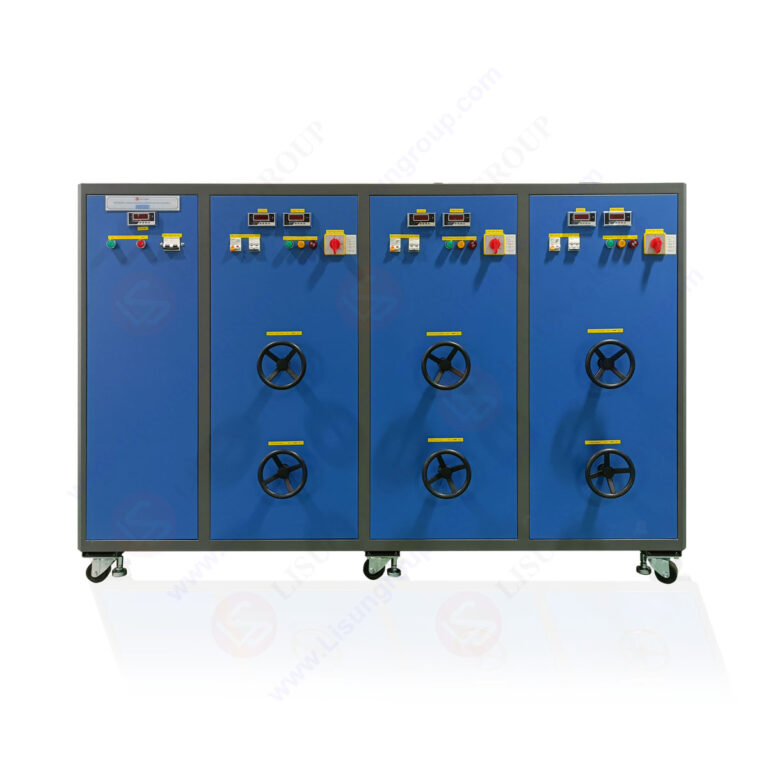
The LISUN DFX series Externally Ballasted Fluorescent Lamp Test Load Cabinet represents a critical instrument for authorized LISUN electrical product certification laboratories conducting LED testing and electrical accessory compliance verification. This technical article examines the DFX series’ capabilities in simulating resistive, inductive, and capacitive loads for switch, socket, and coupling device testing per IEC 60669-1 and IEC 60884-1 standards. The load test cabinet supports power factor adjustment from 0.4 to 0.98, current outputs up to 80A, and multi-channel configurations for simultaneous testing. Targeted at quality control engineers and testing laboratory managers, this article provides detailed specifications, standard compliance alignment, and integration strategies with complementary LISUN equipment to establish comprehensive test workflows for electrical accessory certification.
1.1 Core Load Simulation Capabilities
The LISUN DFX series externally ballasted fluorescent lamp test load cabinet is designed to simulate the electrical characteristics of fluorescent lighting loads during certification testing. The system employs precision resistor, inductor, and capacitor networks to replicate real-world load conditions. Each model in the DFX series incorporates adjustable power factor settings ranging from 0.4 inductive to 0.98 capacitive, enabling laboratories to match specific test requirements defined in international standards. The load simulation accuracy remains within ±2% for current output and ±0.02 for power factor resolution, ensuring repeatable compliance testing results.
1.2 Channel Configuration and Scalability
The DFX series offers multiple channel configurations to support simultaneous testing of multiple device under test (DUT) units. The DFX-20 single-channel model provides basic functionality for sequential testing, while the DFX-20-3CH three-channel version enables parallel testing for increased throughput. Higher-capacity models such as the DFX-40, DFX-60, and DFX-80 support current outputs up to 40A, 60A, and 80A respectively, with scalable channel counts. This modular architecture allows authorized laboratories to configure test systems according to production volume requirements and standard-specific demands.
2.1 Electrical Output Characteristics
The LISUN DFX series load test cabinet delivers precise electrical load profiles essential for certification testing. The table below provides comparative specifications across the product range:
| Model | Current Output Range | Number of Channels | Input Voltage | Power Factor Range | Load Capacitance |
|---|---|---|---|---|---|
| DFX-20 | 0.1A – 20A | 1 | 220V AC 50/60Hz | 0.4 – 0.98 | 0.1 – 100 μF |
| DFX-20-3CH | 0.1A – 20A per channel | 3 | 220V AC 50/60Hz | 0.4 – 0.98 | 0.1 – 100 μF per channel |
| DFX-40 | 0.1A – 40A | 1 | 220V AC 50/60Hz | 0.4 – 0.98 | 0.1 – 220 μF |
| DFX-60 | 0.1A – 60A | 1 | 380V AC 50/60Hz | 0.4 – 0.98 | 0.1 – 330 μF |
| DFX-80 | 0.1A – 80A | 1 | 380V AC 50/60Hz | 0.4 – 0.98 | 0.1 – 470 μF |
2.2 Measurement and Control Precision
The measurement system within the DFX series incorporates digital instrumentation for real-time monitoring of voltage, current, power factor, and active/reactive power. Current measurement accuracy remains within ±1.5% of reading plus 0.5% of range, while voltage measurement achieves ±1.0% accuracy. The control interface supports both manual adjustment through front-panel potentiometers and remote control via RS-232 or USB communication protocols. The cyclic test counting function allows laboratories to program endurance tests with precise repetition counts up to 999,999 cycles, meeting the requirements for switch endurance testing specified in IEC 60669-1.
3.1 IEC 60669-1 Alignment for Switches
The LISUN DFX series load test cabinet directly supports testing requirements outlined in IEC 60669-1 Clause 19.2 for switches used in household and similar fixed electrical installations. This clause specifies endurance testing under inductive load conditions with power factors between 0.6 and 0.7 for fluorescent lamp circuits. The DFX series achieves these power factor settings with resolution of 0.01, allowing laboratories to precisely meet the standard’s requirements. Additionally, Clause 19.3 mandates testing at rated current for 10,000 operation cycles, which the DFX series supports through its programmable cyclic counter.
3.2 IEC 60884-1 Compliance for Plugs and Sockets
For plug and socket-outlet testing, IEC 60884-1 Clause 20 specifies load conditions for normal operation and endurance testing. The standard requires testing with resistive-inductive loads having power factors between 0.6 and 0.8 lagging. The DFX series load test cabinet accommodates these requirements through its adjustable inductor bank, enabling compliance with Clause 20.3 for rated current testing and Clause 20.4 for overload testing conditions. The system’s ability to maintain stable load characteristics throughout extended test durations ensures consistent results across multiple test cycles.
3.3 Additional Standard Support
Beyond core IEC standards, the DFX series supports testing per IEC 61058-1 for switches in appliances and IEC 60320-1 for appliance couplers. These standards require specific load configurations including capacitive loads for electronic ballast simulation. The DFX series’ adjustable capacitance bank, ranging from 0.1 μF to 470 μF depending on model, enables precise simulation of electronic ballast input characteristics required for modern LED driver testing.
4.1 Compatibility with CZKS Series Life Testers
The LISUN DFX series load test cabinet integrates seamlessly with the CZKS series life testers to create automated endurance testing workstations. The CZKS series provides mechanical actuation for switches and sockets while the DFX series supplies the electrical load. This combination enables simultaneous testing of multiple DUT units with programmable test sequences. The communication interface between the DFX and CZKS systems allows for real-time load adjustment based on test phase requirements, such as switching between rated current and overload conditions during complex test protocols.
4.2 Coordination with SW-6 Bending Testers
For flexible cable and cord testing, the SW-6 bending tester simulates mechanical stress while the DFX series provides electrical load. This configuration supports testing per IEC 60884-1 Clause 22 for cord anchorage and bending endurance. The combined system applies both mechanical bending cycles and electrical load simultaneously, replicating real-world usage conditions. The DFX series’ stable load characteristics ensure that electrical parameters remain within specification throughout extended mechanical testing, providing accurate assessment of cable assembly durability.
4.3 Workflow Automation and Data Management
Integrating the DFX series with LISUN’s data acquisition software enables comprehensive test documentation for certification submissions. The system records voltage, current, power factor, and cycle count at programmable intervals, generating compliance reports directly aligned with standard requirements. This automation reduces manual data entry errors and ensures traceability for audit purposes. Authorized laboratories can configure test templates for specific standards, standardizing procedures across different test personnel.
5.1 Switch Endurance Testing
In switch certification testing, the DFX series provides the specified load conditions for evaluating contact wear and arc suppression performance. The adjustable power factor allows laboratories to test switches under worst-case inductive loads as required by IEC 60669-1 Clause 19.2. The DFX-80 model, with its 80A current capacity, supports testing of heavy-duty switches used in industrial applications. The cyclic counter automatically terminates testing after the required number of operations, preventing over-testing that could skew results.
5.2 Socket-Outlet Overload Testing
Socket-outlet testing per IEC 60884-1 requires evaluation under overload conditions at 1.25 times rated current with specified power factors. The DFX series’ precise current adjustment allows laboratories to set exact overload test conditions without external current transformers or variable transformers. The three-channel DFX-20-3CH model enables simultaneous testing of multiple socket outlets, increasing laboratory throughput while maintaining individual load control per channel. This configuration is particularly valuable for production quality control applications where testing volume justifies parallel processing.
5.3 LED Driver Compatibility Verification
Modern LED lighting systems incorporate electronic drivers that present capacitive input characteristics to the mains supply. The DFX series’ built-in capacitance network enables simulation of these loads for testing switches and dimmers intended for LED applications. The adjustable capacitance from 0.1 μF to 470 μF covers the typical input capacitance range of LED drivers from 5W to 300W. This capability addresses the growing requirement for testing under non-linear load conditions, as referenced in emerging standard revisions for electronic load compatibility.
6.1 DFX Series vs. IEC Standard Requirements
The table below compares DFX series performance parameters against minimum requirements specified in IEC testing standards:
| Parameter | IEC Minimum Requirement | DFX Series Capability | Margin |
|---|---|---|---|
| Power Factor Range (Inductive) | 0.6 – 0.7 | 0.4 – 0.98 | ±0.2 range extension |
| Current Accuracy | ±5% of set value | ±2% of set value | 3% improvement |
| Cycle Count Range | 10,000 cycles | 999,999 cycles | 100x capacity |
| Load Stability | ±10% over test duration | ±3% over test duration | 7% improvement |
| Channel Isolation | N/A | >100MΩ at 500V DC | Exceeds typical requirements |
6.2 Practical Implications of Enhanced Capabilities
The DFX series’ extended power factor range allows laboratories to test beyond standard minimum requirements, supporting evaluation of switches for specialized applications such as motor loads with power factors as low as 0.4. The improved current accuracy reduces measurement uncertainty, enabling laboratories to achieve tighter test result distributions. The high cycle count capacity supports long-duration reliability testing without reconfiguration, reducing test setup time for extended evaluation programs.
7.1 Internal Calibration Methodology
The DFX series load test cabinet includes internal calibration verification points accessible through the front panel test jacks. Authorized laboratories should perform quarterly verification of current output accuracy using calibrated shunt resistors and traceable digital multimeters. Power factor calibration requires reference impedance standards with known values traceable to national metrology institutes. The calibration procedure documented in the DFX series service manual provides step-by-step adjustment instructions for maintaining accuracy specifications.
7.2 External Calibration Interval Recommendations
External calibration by accredited laboratories should occur annually, focusing on current output accuracy across the full operating range, power factor adjustment precision, and capacitance bank value verification. The calibration certificate should document as-found and as-left values for each parameter, ensuring traceability to international standards. Laboratories operating under ISO/IEC 17025 accreditation must maintain calibration records for each DFX unit, with documented evidence of inter-laboratory comparison participation for critical measurement parameters.
The LISUN DFX series Externally Ballasted Fluorescent Lamp Test Load Cabinet provides authorized certification laboratories with precise, repeatable load simulation capabilities essential for electrical accessory testing per IEC 60669-1, IEC 60884-1, and related standards. The series offers current outputs from 20A to 80A, power factor adjustment from 0.4 to 0.98, and scalable channel configurations that accommodate diverse testing requirements. Integration with CZKS life testers and SW-6 bending testers creates comprehensive automated test workstations that improve laboratory throughput while maintaining accuracy. The DFX series’ extended performance margins beyond minimum standard requirements provide flexibility for specialized testing scenarios, including LED driver compatibility evaluation. For quality control engineers and testing laboratory managers, the DFX series represents a technically robust investment in testing infrastructure that supports current certification requirements while anticipating future standard developments. The system’s calibration procedures and data acquisition capabilities align with ISO/IEC 17025 requirements, facilitating accreditation maintenance and audit compliance.
Q1: What are the specific power factor adjustment ranges available on the LISUN DFX series load test cabinet, and how do they align with IEC standard testing requirements?
A: The LISUN DFX series offers power factor adjustment from 0.4 inductive to 0.98 capacitive, with resolution of 0.01. This range exceeds the IEC 60669-1 Clause 19.2 requirement for inductive loads between 0.6 and 0.7 and the IEC 60884-1 Clause 20 requirement for loads between 0.6 and 0.8 lagging. The extended range allows testing of motor loads and other highly inductive equipment. The capacitive adjustment capability supports evaluation under electronic ballast and LED driver load conditions, which present leading power factor characteristics. Laboratories can set power factor precisely using the digital readout, ensuring test conditions match standard specifications without external measurement equipment.
Q2: How does the DFX-20-3CH three-channel configuration improve testing efficiency compared to single-channel models?
A: The DFX-20-3CH provides three independent load channels, each capable of delivering 0.1A to 20A with individual power factor adjustment. This configuration allows simultaneous testing of three devices under identical or different load conditions, reducing overall test time by up to 67% compared to sequential testing on single-channel systems. Each channel includes independent cyclic counting and fault detection, so testing continues on unaffected channels if one DUT fails prematurely. The three-channel design is particularly beneficial for production quality control where sample sizes of three are common for type testing per IEC standards. The individual channel isolation exceeds 100MΩ at 500V DC, preventing cross-channel interference that could compromise test results.
Q3: What calibration procedures are recommended to maintain the accuracy of the LISUN DFX series load test cabinet?
A: Authorized laboratories should perform internal calibration verification quarterly, checking current output accuracy against traceable shunt resistors at 25%, 50%, 75%, and 100% of rated current. Power factor calibration requires verification at 0.5, 0.7, and 0.9 settings using reference impedance networks. External calibration by accredited laboratories should occur annually, covering current accuracy across the full range, power factor adjustment linearity, capacitance bank values, and voltage measurement accuracy. The DFX series includes internal test points for connection of calibration standards without disassembling the unit. All calibration records should document as-found and as-left values, with adjustments performed within manufacturer-specified tolerances to maintain the ±2% current accuracy specification.
Q4: Can the LISUN DFX series be used for testing loads other than fluorescent lamps, such as LED drivers or motor loads?
A: Yes, the DFX series is designed for versatility beyond fluorescent lamp simulation. The adjustable resistor, inductor, and capacitor networks can simulate resistive loads (power factor near 1.0), inductive motor loads (power factor 0.4 to 0.8 lagging), and capacitive electronic loads (power factor 0.7 to 0.98 leading). For LED driver testing, the capacitance bank can simulate the input filter capacitance typical of switch-mode power supplies. For motor load simulation, the inductor bank provides appropriate reactance values. The DFX series supports testing per IEC 61058-1 for appliance switches and IEC 60320-1 for couplers, which cover various load types. Laboratories should verify that the selected DFX model’s current rating exceeds the peak test current requirements for the specific application.
Q5: What data recording and reporting capabilities does the LISUN DFX series offer for certification documentation?
A: The DFX series interfaces with LISUN data acquisition software that records test parameters including voltage, current, power factor, active power, reactive power, and elapsed cycle count at user-programmable intervals from 1 second to 1 hour. The software generates test reports in compliance with IEC standard documentation requirements, including test conditions, results tables, and pass/fail determinations based on user-defined limits. Data is stored in CSV format for import into laboratory information management systems. The system supports real-time graphical display of test parameters, allowing operators to monitor trends during extended endurance tests. For audit purposes, the software maintains an unalterable log of all test parameter changes, ensuring data integrity for certification submissions.