


Technical Analysis of UL 153 Safety Compliance and the Critical Role of Integrated Waterproof Testing
Introduction to Portable Luminaire Safety Frameworks
The design, manufacture, and certification of portable luminaires—commonly referred to as portable lamps—are governed by a complex matrix of safety standards intended to mitigate risks of electric shock, fire, and physical injury. Among these, UL 153, the Standard for Safety for Portable Electric Luminaires, stands as a foundational North American benchmark. Its provisions meticulously address construction, performance, and labeling requirements for cord-connected, plug-in lighting units intended for indoor and limited outdoor use. Compliance is not merely a regulatory hurdle but a rigorous engineering discipline, demanding a holistic approach to product validation. This validation extends beyond basic electrical safety to encompass environmental resilience, a domain where waterproof or ingress protection (IP) testing becomes paramount. The integration of sophisticated test equipment, such as LISUN’s JL-XC Series waterproof test chambers, into the qualification workflow is therefore not an ancillary activity but a core component of a robust safety assurance strategy aligned with the principles of UL 153 and related international standards.
Deconstructing Key Hazard Mitigation Requirements in UL 153
UL 153 establishes a multi-faceted defense against primary hazards. Electrically, it mandates specific spacings (creepage and clearance distances) between live parts and accessible metal, requirements for strain relief on cords, and the integrity of insulation systems. Thermally, the standard imposes limits on temperatures of materials, wiring, and user-accessible surfaces under normal and abnormal operating conditions to prevent degradation and combustion. Mechanically, it evaluates stability, the strength of enclosures, and the security of components like lamp holders. A critical, often interconnected, aspect is the management of environmental exposure. While UL 153 itself details requirements for moisture resistance and rainproofing for luminaires so marked, it inherently references the need for verifying enclosure integrity. This creates a direct technical nexus to standardized IP Code (IEC 60529) testing, where the luminaire’s ability to resist the ingress of water is quantitatively assessed. Failure in this domain can precipitate insulation breakdown, corrosion of current-carrying parts, or internal condensation—all of which directly contravene the core safety objectives of UL 153 regarding shock and fire hazard prevention.
The Imperative of Ingress Protection (IP) Testing in Product Validation
The IP Code provides a codified methodology for evaluating the degree of protection an enclosure offers against solid foreign objects and water. For portable luminaires, the water resistance digits (the second numeral in the IP rating) are of particular consequence. Ratings such as IPX4 (splash resistance from all directions), IPX5/IPX6 (water jet resistance), or IPX7/IPX8 (immersion resistance) define the luminaire’s operational envelope. Achieving and verifying these ratings is a non-negotiable step for products intended for bathrooms, outdoor patios, industrial workshops, or automotive detailing environments. The test process is not subjective; it requires precise, repeatable simulation of water exposure conditions. This demands specialized apparatus capable of generating calibrated water sprays, jets, or managing controlled immersion at specified depths and durations. The accuracy and reliability of this test equipment directly influence the validity of the safety certification. Erroneous data from inadequate testing can lead to field failures, posing significant safety risks and liability, or conversely, to over-engineering that compromises product design and cost-effectiveness.
Integration of the LISUN JL-XC Series in Compliance Verification
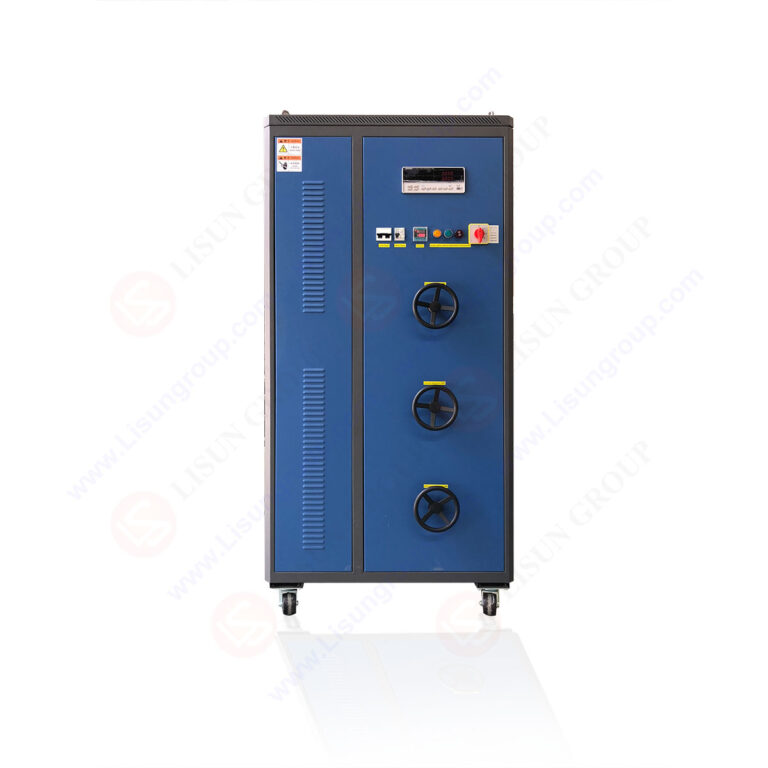
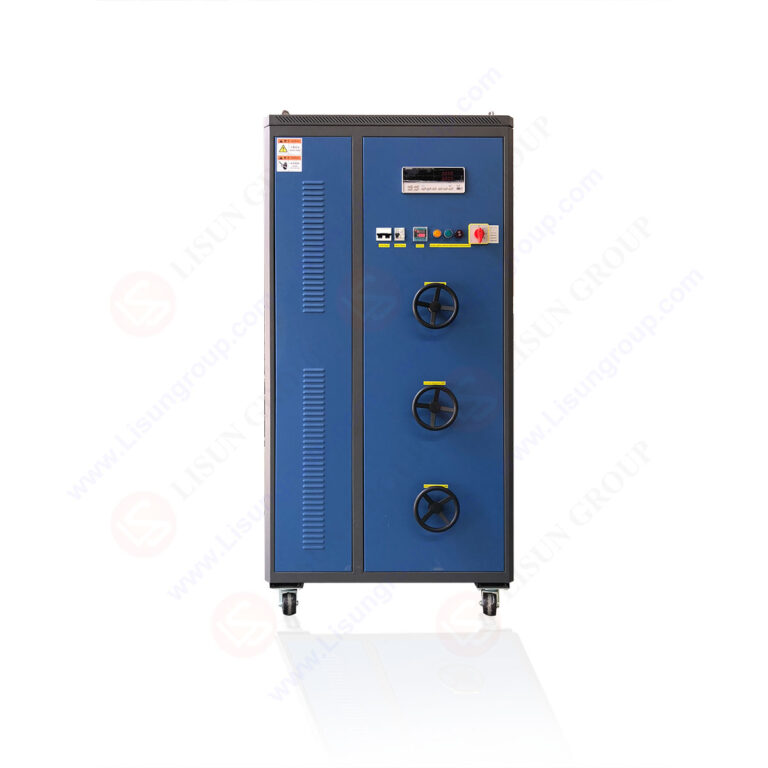
To fulfill the stringent demands of IP testing within a UL 153 compliance framework, manufacturers and testing laboratories require instrumentation of proven fidelity. The LISUN JL-XC Series waterproof test chambers represent a engineered solution for this critical verification phase. These chambers are designed to perform a comprehensive range of IPX1 through IPX8 tests, aligning with IEC 60529, ISO 20653, and other derivative standards referenced by safety certifications.
The operational principle of the JL-XC Series is based on the precise mechanical reproduction of water ingress conditions. For spray tests (IPX3/IPX4), an oscillating tube or spray nozzle assembly distributes water at a defined flow rate and pressure over the test sample. For jet tests (IPX5/IPX6), a dedicated nozzle delivers a high-velocity water stream at a specified distance. For immersion tests (IPX7/IPX8), the chamber facilitates controlled submersion to prescribed depths and times, often incorporating provisions for pressure variation to simulate deep water conditions. The system’s core advantages lie in its calibrated control systems for water pressure, flow rate, temperature, and oscillation period, ensuring each test is executed within the tight tolerances mandated by the standards.
Technical Specifications & Competitive Advantages:
- Modular Test Capability: A single JL-XC system can typically be configured for multiple IP ratings, eliminating the need for disparate, dedicated setups for spray, jet, and immersion testing. This streamlines laboratory workflow and reduces capital expenditure.
- Precision Control: Digital management of critical parameters (e.g., pressure to ±1%, flow rate via calibrated meters) guarantees reproducibility, a cornerstone of credible compliance data.
- Broad Sample Compatibility: The chamber size and fixture design accommodate a wide array of products beyond luminaires, including automotive electronics (sensors, connectors), household appliances (electric kettles, trimmers), telecommunications enclosures, and medical device housings.
- Data Integrity: Integrated monitoring and logging functions provide auditable test records, essential for certification submissions and quality audits.
Cross-Industry Applications for Waterproof Testing Protocols
The necessity for validated waterproof integrity transcends the lighting industry. The principles and equipment used for UL 153 luminaire testing are directly applicable to a vast spectrum of electrical and electronic equipment. In Automotive Electronics, components like LED headlamps, control units, and battery management systems must withstand high-pressure washer jets (IPX6/6K) and temporary immersion. Household Appliances such as hair dryers, electric toothbrushes, and outdoor power tools require splash and jet resistance. Telecommunications Equipment, including outdoor routers and 5G small cells, demand robust sealing against rain. Medical Devices used in clinical settings (e.g., infusion pumps, diagnostic tools) may need splash resistance for cleaning and disinfection. Aerospace and Aviation Components installed in exterior or wash-down zones require validation against severe water exposure. In each case, the use of a standardized, reliable platform like the JL-XC Series ensures that the safety and performance claims related to environmental resilience are technically substantiated, supporting broader compliance with safety standards specific to each industry.
Synthesizing Standards for Comprehensive Product Safety
Ultimately, product safety is an integrated construct. A portable luminaire’s compliance with UL 153 is a multifaceted achievement, resting upon the concurrent satisfaction of electrical, thermal, mechanical, and environmental criteria. Waterproof testing is not an isolated check-box but a vital stress test that validates the integrity of the enclosure and, by extension, the ongoing safety of the internal electrical assembly under real-world conditions. Investing in precise, versatile, and standards-compliant test equipment such as the LISUN JL-XC Series is a strategic decision that enhances the rigor of the development process, reduces time-to-market by preventing retesting, and fundamentally underpins the manufacturer’s commitment to product safety and reliability. It represents the point where engineering design meets empirical validation, ensuring that the safeguards built into a product will perform as intended throughout its service life.
FAQ Section
Q1: Can the JL-XC Series test to both IP spray ratings (IPX3/IPX4) and high-pressure jet ratings (IPX5/IPX6)?
Yes, the JL-XC Series is designed as a modular, integrated system. It typically includes separate, calibrated nozzles and a pressure pump system that can be configured to meet the exact requirements of IEC 60529 for both oscillating tube/spray tests (IPX3/X4) and the more powerful jet tests (IPX5/X6). The transition between test types is engineered to be straightforward, often involving nozzle changes and parameter selection via the control interface.
Q2: How does waterproof testing relate to the “Rainproof” marking under UL 153?
UL 153 includes specific construction and testing requirements for luminaires marked as “Rainproof.” These requirements involve a specialized spray test. While the UL 153 rain test is a specific protocol, the underlying need to verify enclosure integrity against water ingress is the same. Many manufacturers use IP Code testing (e.g., IPX3 or IPX4) as a more universally recognized and rigorous method to validate and often exceed the baseline “Rainproof” requirement, providing a stronger competitive and safety claim. The JL-XC Series can perform the precise spray conditions needed to support such validation.
Q3: For an IPX7 immersion test, does the JL-XC chamber control water depth and time automatically?
Yes. For IPX7 (immersion up to 1 meter for 30 minutes) and IPX8 (as per manufacturer-specified depth and time, often greater), the JL-XC chambers are equipped with control systems to manage the immersion process. This includes programmable timers and, in models designed for IPX8, mechanisms to control and monitor the pressure corresponding to the immersion depth, ensuring a fully automated and repeatable test cycle.
Q4: Beyond luminaires, what types of components from the electrical components industry would require this testing?
Waterproof testing is critical for any sealed electrical enclosure. In the electrical components sector, this includes industrial-grade switches and sockets, junction boxes, wiring harness connectors, sensor housings, and circuit breakers intended for outdoor, marine, or wash-down industrial environments. Verifying their IP rating ensures long-term reliability and prevents failures due to corrosion or short circuits.
Q5: What is the significance of water temperature control during testing, and does the JL-XC Series offer this?
IEC 60529 specifies that for IPX1 through IPX6 tests, the temperature of the water should be at least 5°C and not more than 25°C different from the test sample’s temperature prior to testing. This is to prevent thermal shock that could cause non-representative seal failure or condensation inside the sample. More advanced test standards may specify tighter tolerances. The JL-XC Series often includes water temperature conditioning and monitoring systems to maintain test water within a specified range, ensuring tests are conducted under controlled, repeatable, and standard-compliant conditions.