blog
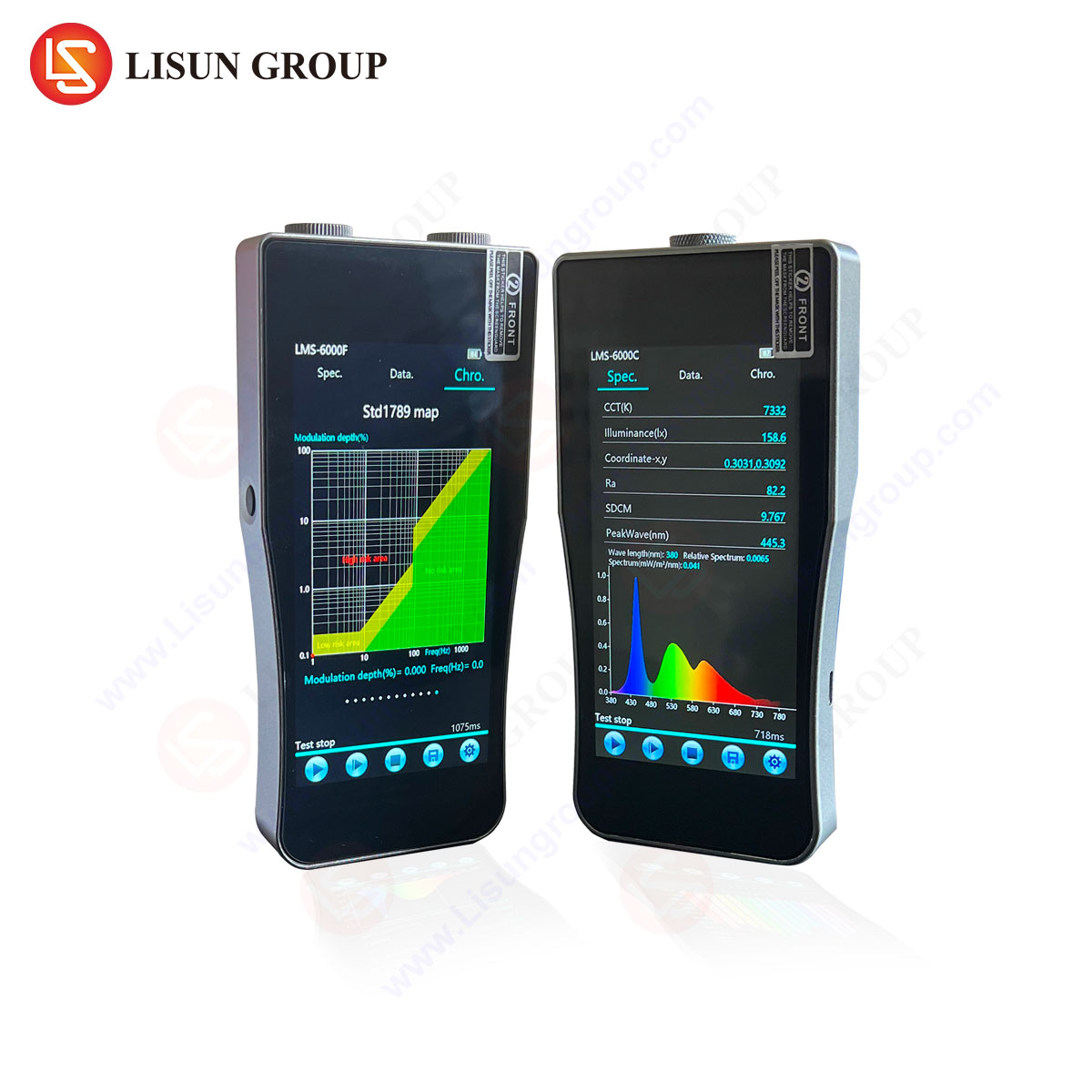
1. Wprowadzenie do natężenia światła w fotometrii Natężenie światła jest podstawową wielkością fotometryczną, która definiuje moc światła emitowanego przez źródło w czasie rzeczywistym.


1. Wprowadzenie do natężenia światła w fotometrii Natężenie światła jest podstawową wielkością fotometryczną, która definiuje moc światła emitowanego przez źródło w czasie rzeczywistym.
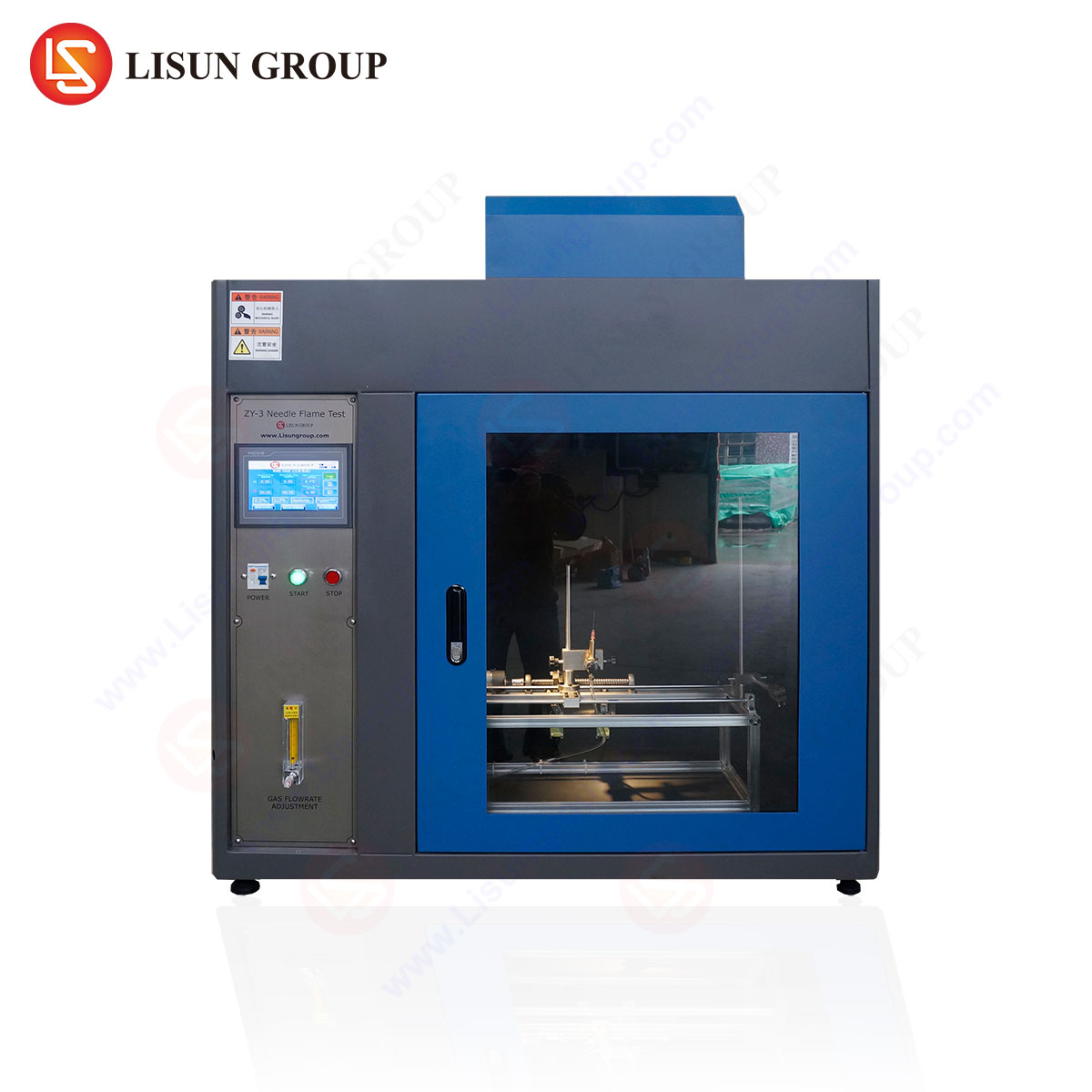
Wprowadzenie do igłowej próby płomieniowej w ocenie bezpieczeństwa materiałów Palność materiałów stosowanych w sprzęcie elektrycznym i elektronicznym jest krytycznym czynnikiem bezpieczeństwa, wymagającym
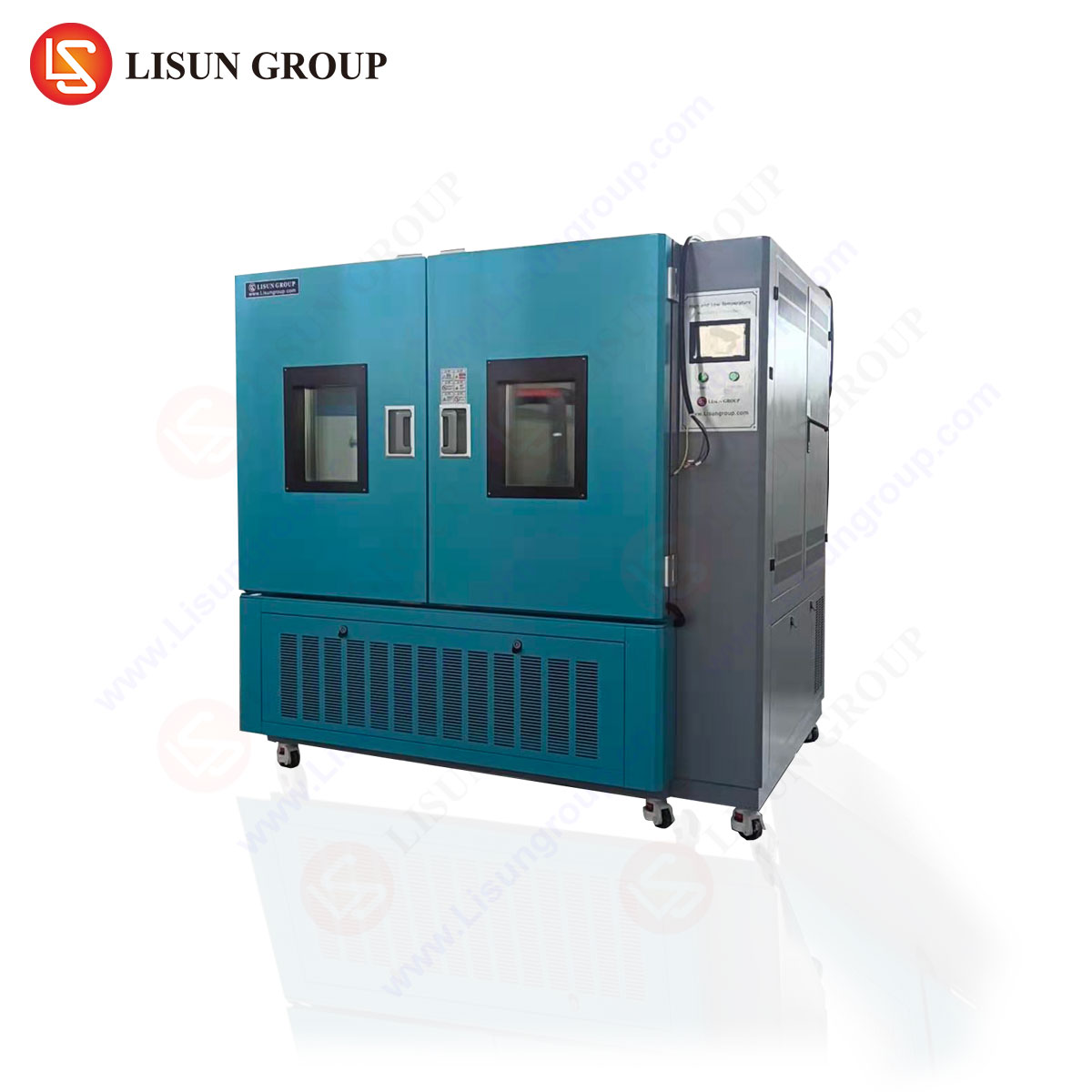
Wprowadzenie do komór wysokotemperaturowych Komory wysokotemperaturowe to wyspecjalizowane urządzenia do testów środowiskowych zaprojektowane do symulacji ekstremalnych warunków termicznych w celu walidacji produktu. Komory te zapewniają
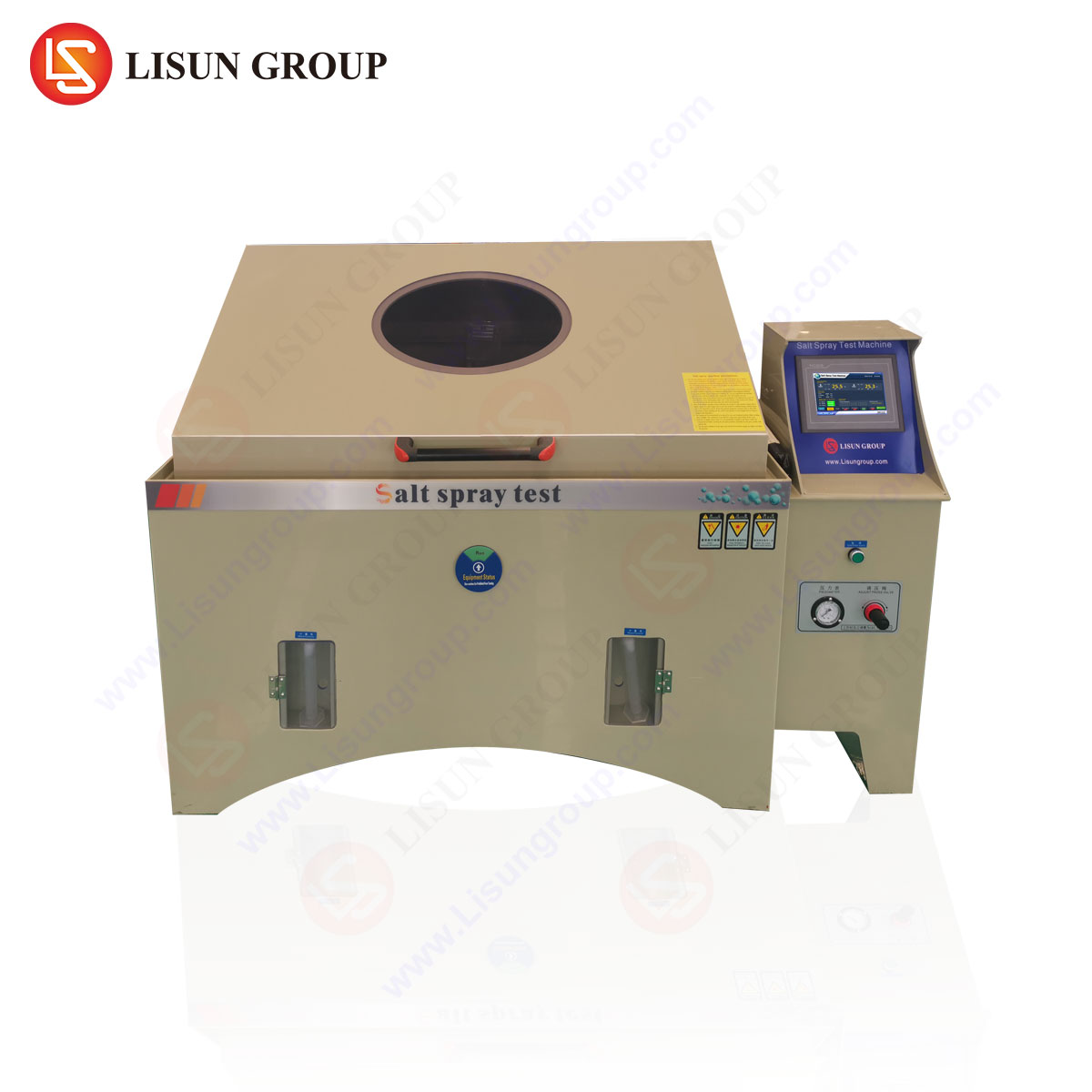
Introduction to Salt Contamination Testing Salt contamination testing is a critical evaluation method used to assess the corrosion resistance of materials and components exposed to
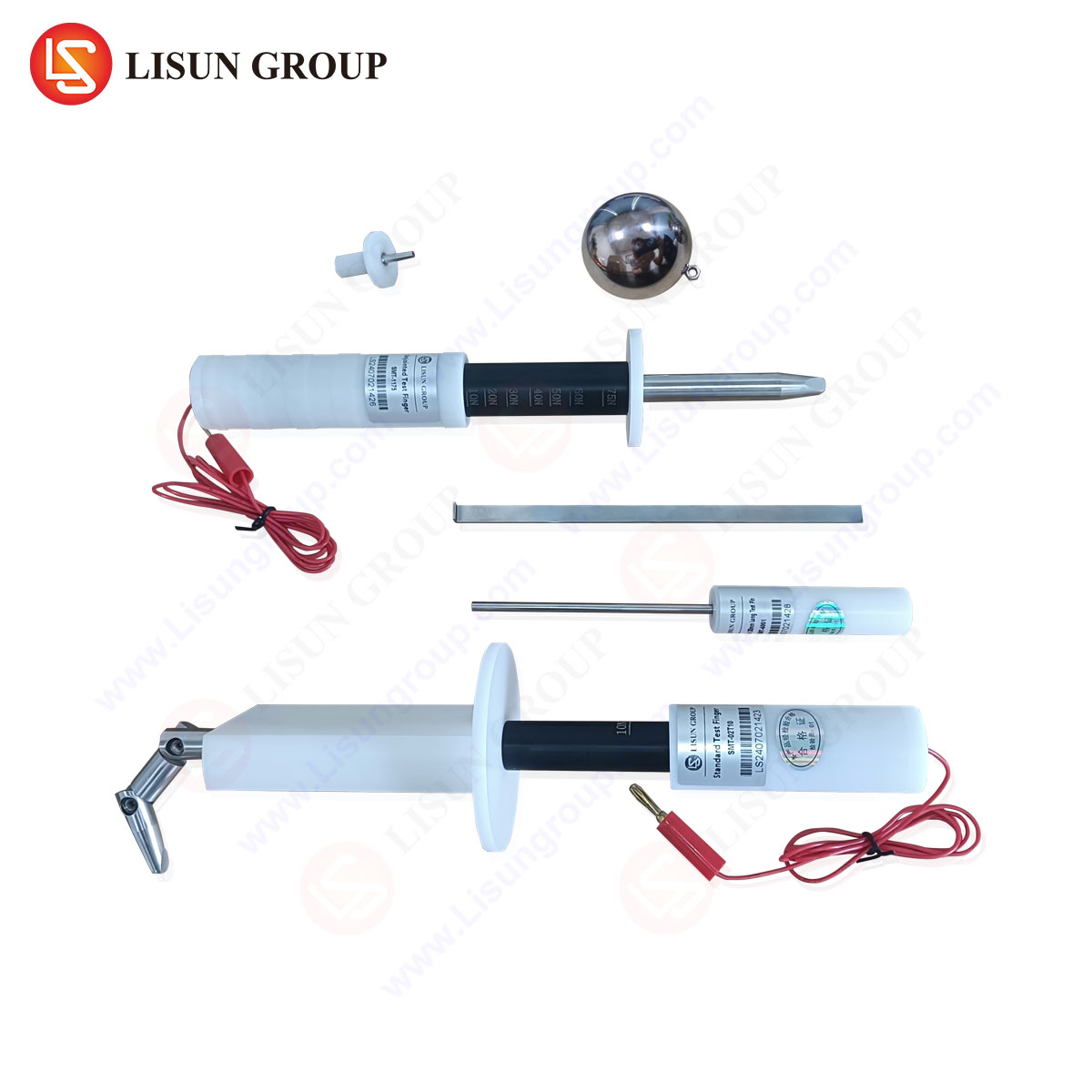
Introduction to Articulate Probes in Compliance Testing Articulate probes, including the LISUN Test Finger, Test Probe, and Test Pin, are critical instruments in evaluating the
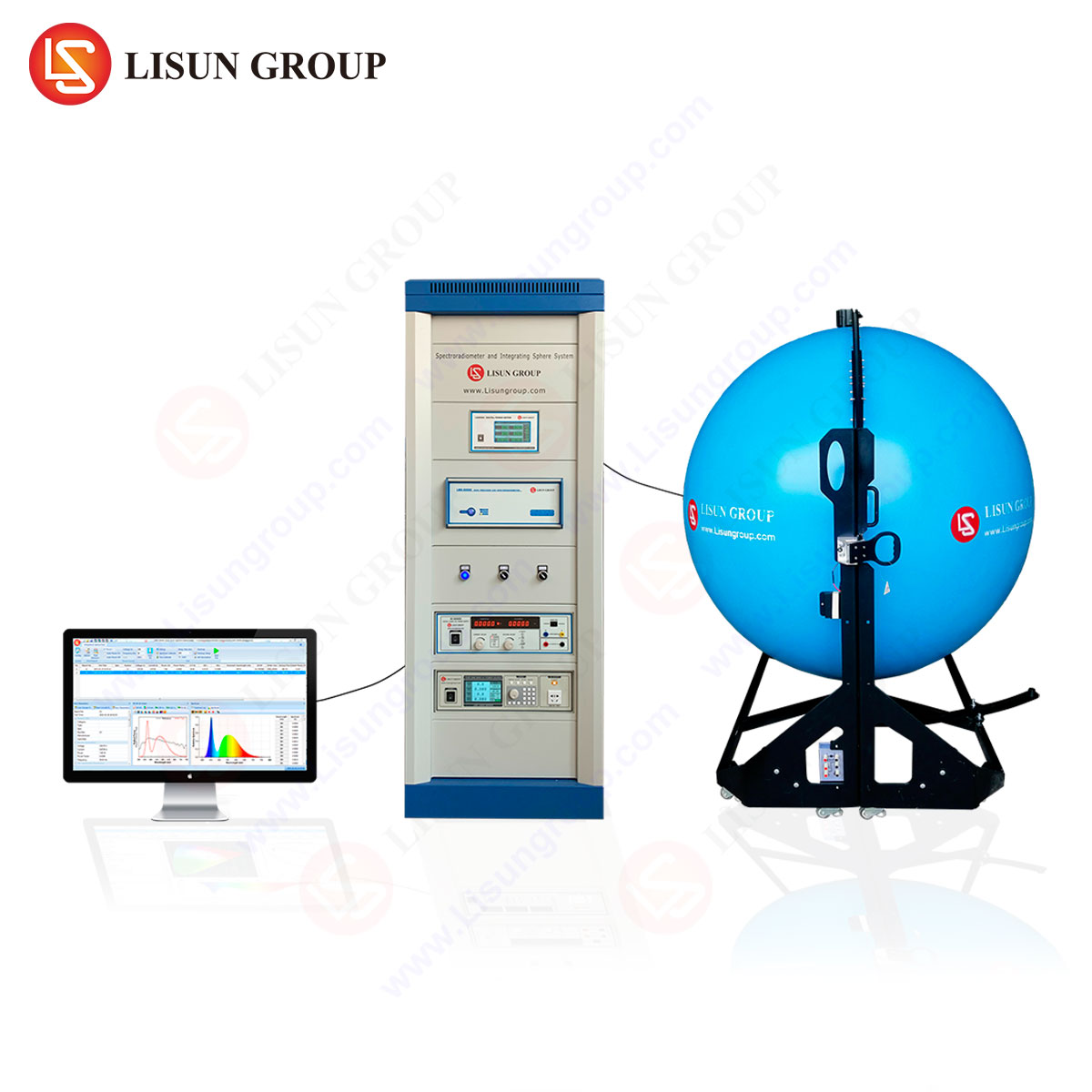
Introduction Integrating spheres are critical instruments in photometric and radiometric testing, providing uniform light diffusion for precise measurements of luminous flux, colorimetric properties, and spectral

Introduction to Environmental Testing for Particulate Resistance In industries where electronic and mechanical components are exposed to abrasive or contaminant-laden environments, resistance to sand and
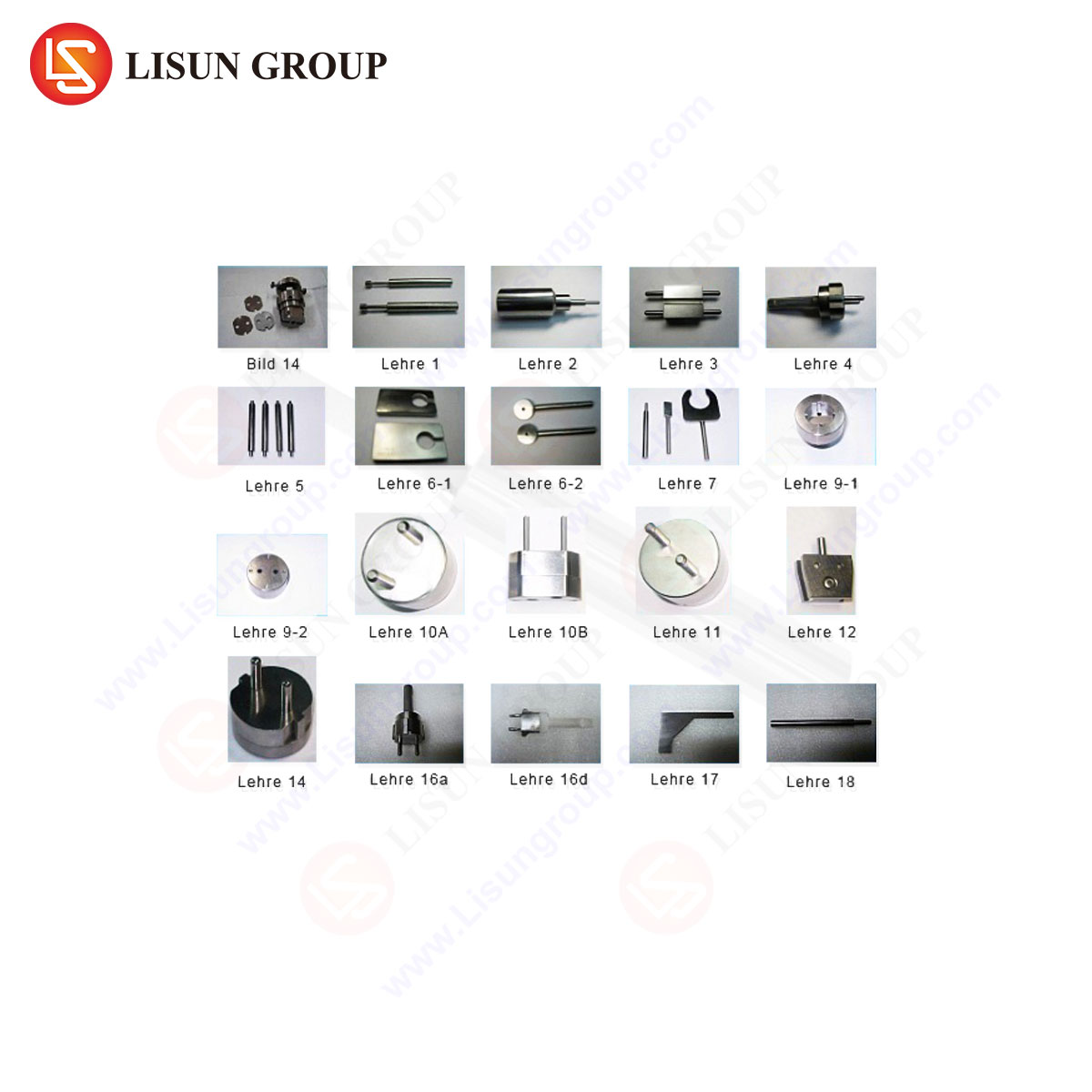
Introduction to AS/NZS 3112 Compliance Testing The AS/NZS 3112 standard governs the design, construction, and testing of plugs and socket-outlets in Australia and New Zealand,
Wprowadzenie do testowania piasku i pyłu Testowanie piasku i pyłu jest krytyczną metodą oceny środowiskowej zaprojektowaną w celu oceny odporności produktów na cząstki stałe.
 EN
EN  ES
ES  RU
RU  PT
PT  TR
TR  AR
AR  DE
DE  PL
PL  IT
IT  FR
FR  KO
KO  JA
JA  ID
ID