блог
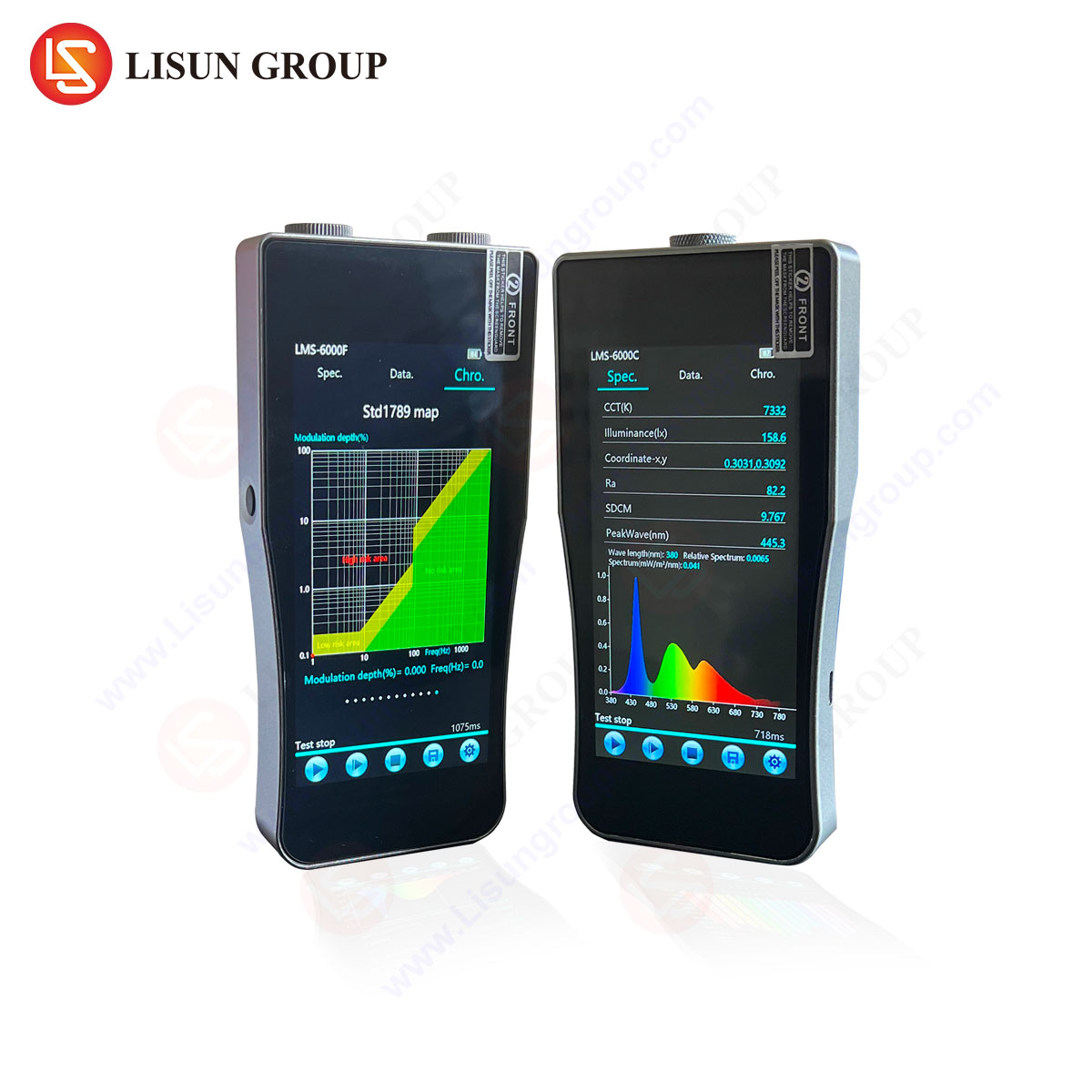
1. Introduction to Luminous Intensity in Photometry Luminous intensity is a fundamental photometric quantity that defines the power of light emitted by a source in


1. Introduction to Luminous Intensity in Photometry Luminous intensity is a fundamental photometric quantity that defines the power of light emitted by a source in
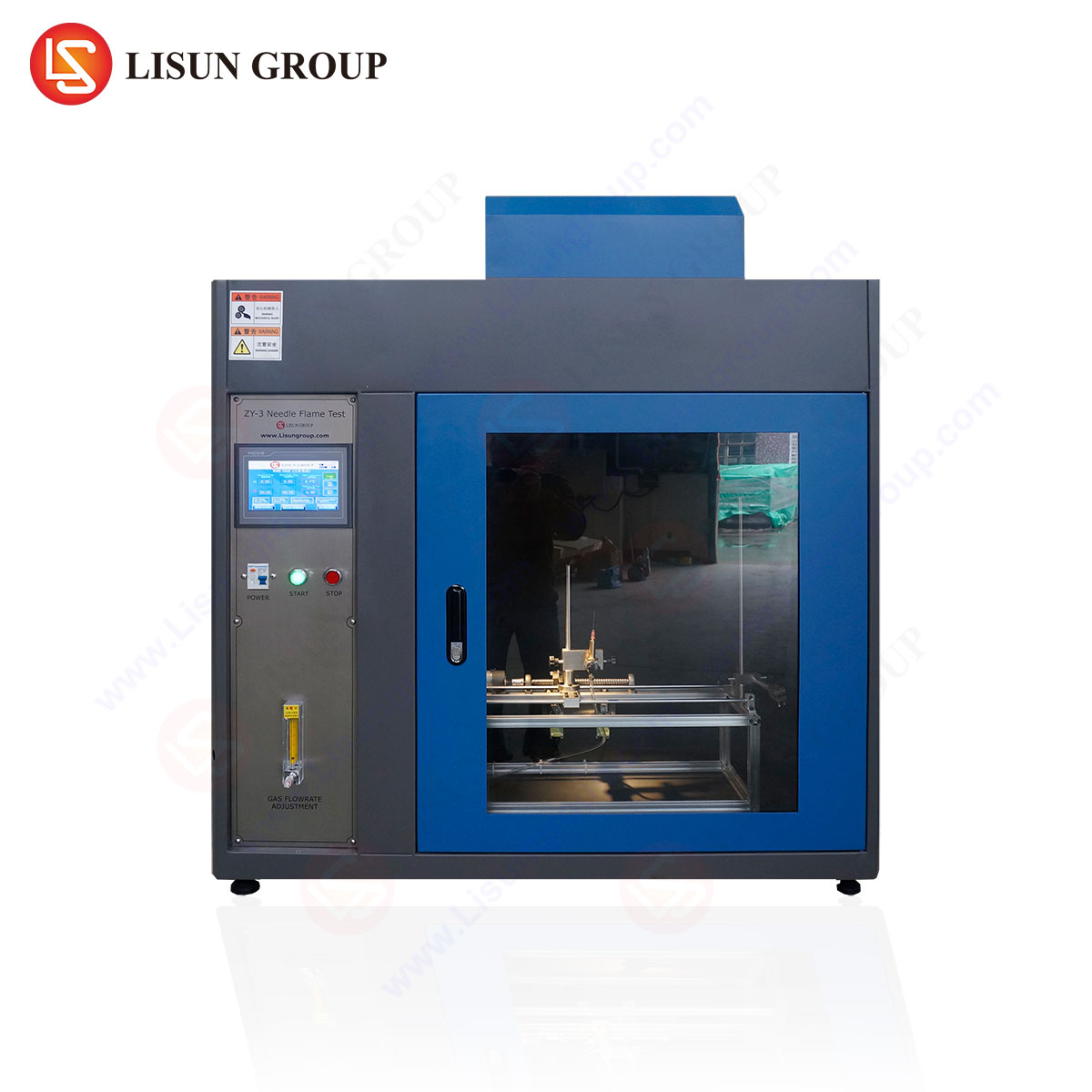
Introduction to Needle Flame Testing in Material Safety Evaluation The flammability of materials used in electrical and electronic equipment is a critical safety consideration, necessitating
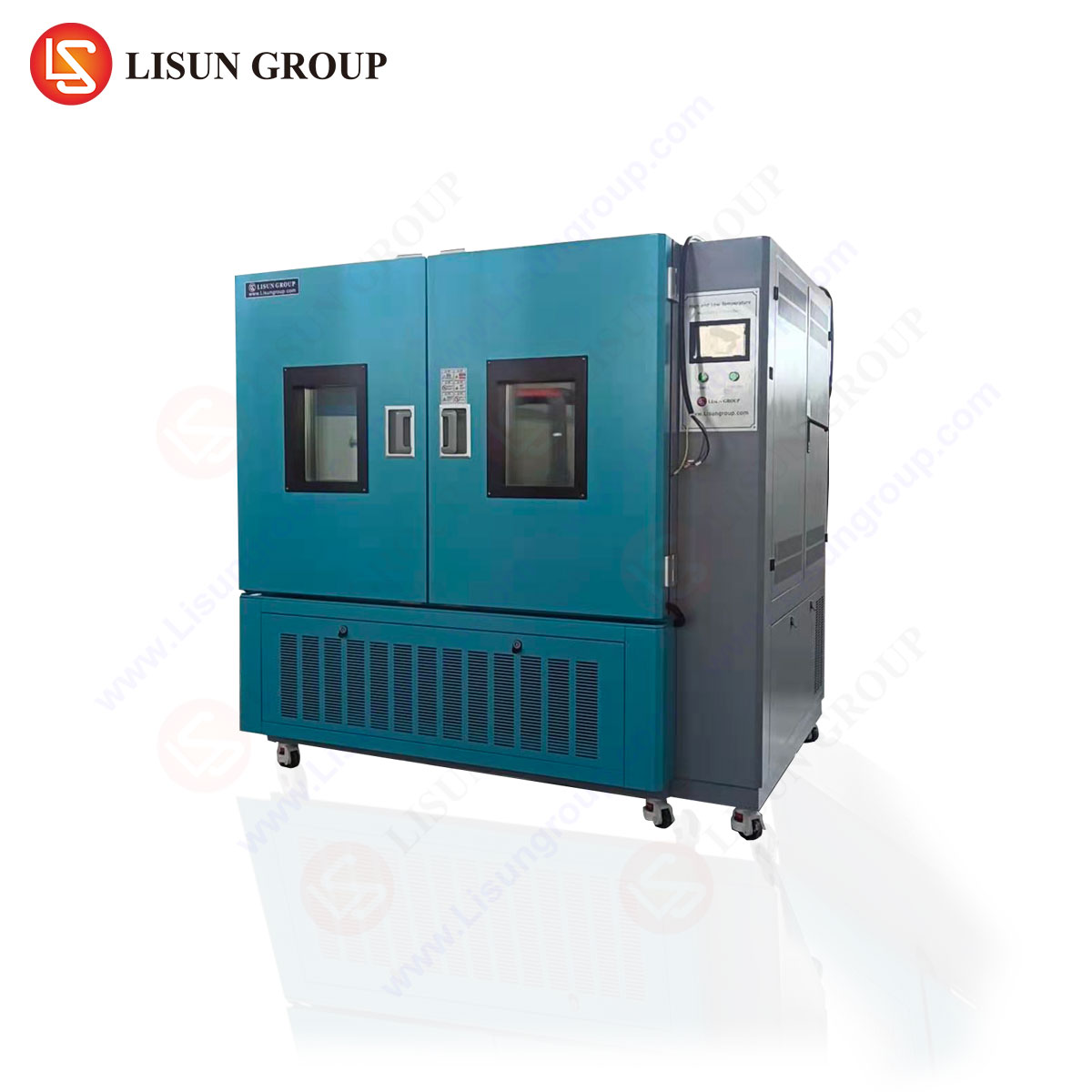
Introduction to High Temperature Chambers High temperature chambers are specialized environmental testing devices designed to simulate extreme thermal conditions for product validation. These chambers ensure
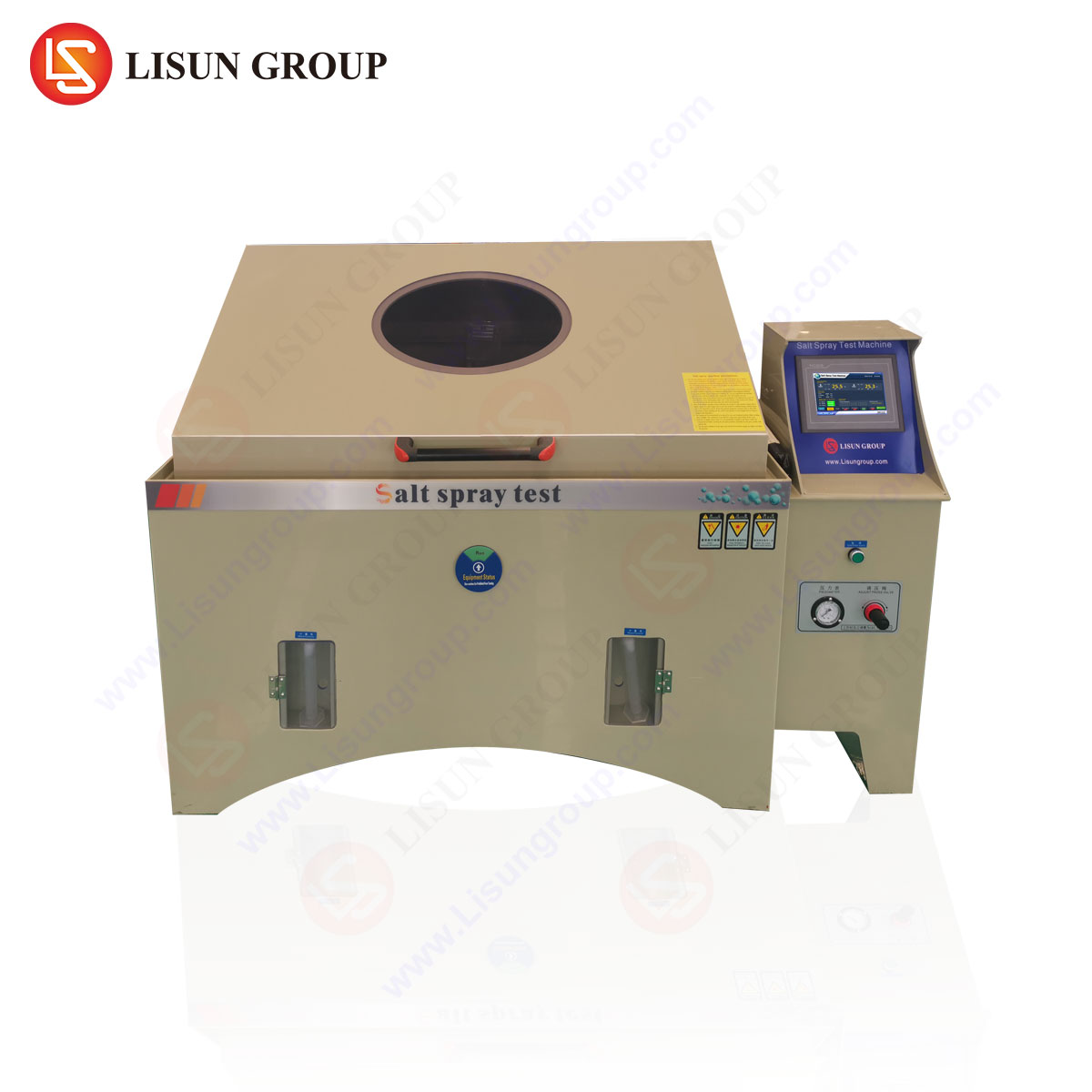
Introduction to Salt Contamination Testing Salt contamination testing is a critical evaluation method used to assess the corrosion resistance of materials and components exposed to
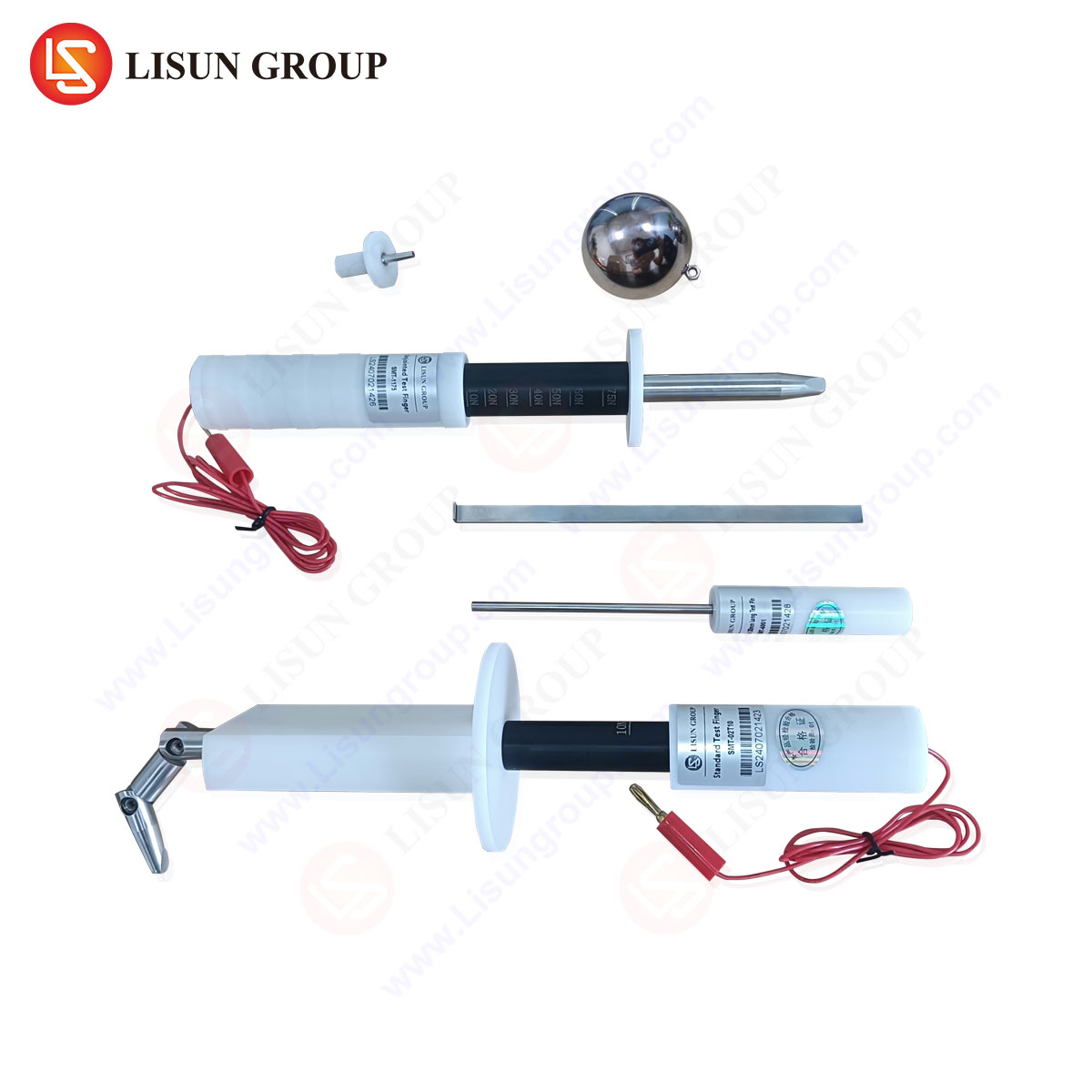
Introduction to Articulate Probes in Compliance Testing Articulate probes, including the LISUN Test Finger, Test Probe, and Test Pin, are critical instruments in evaluating the
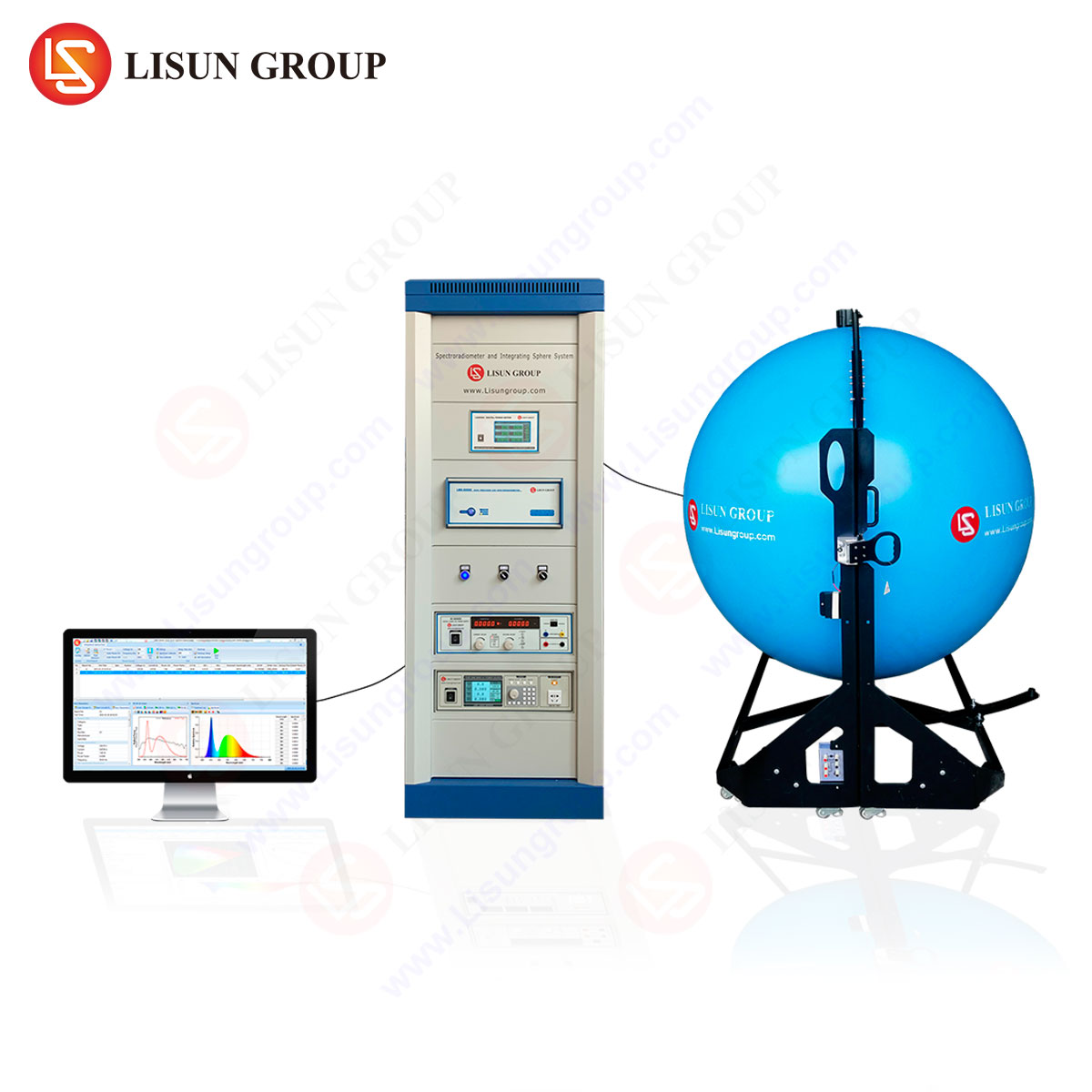
Введение Интегрирующие сферы являются важнейшими инструментами в фотометрических и радиометрических испытаниях, обеспечивая равномерное рассеивание света для точных измерений светового потока, колориметрических свойств и спектральных характеристик.
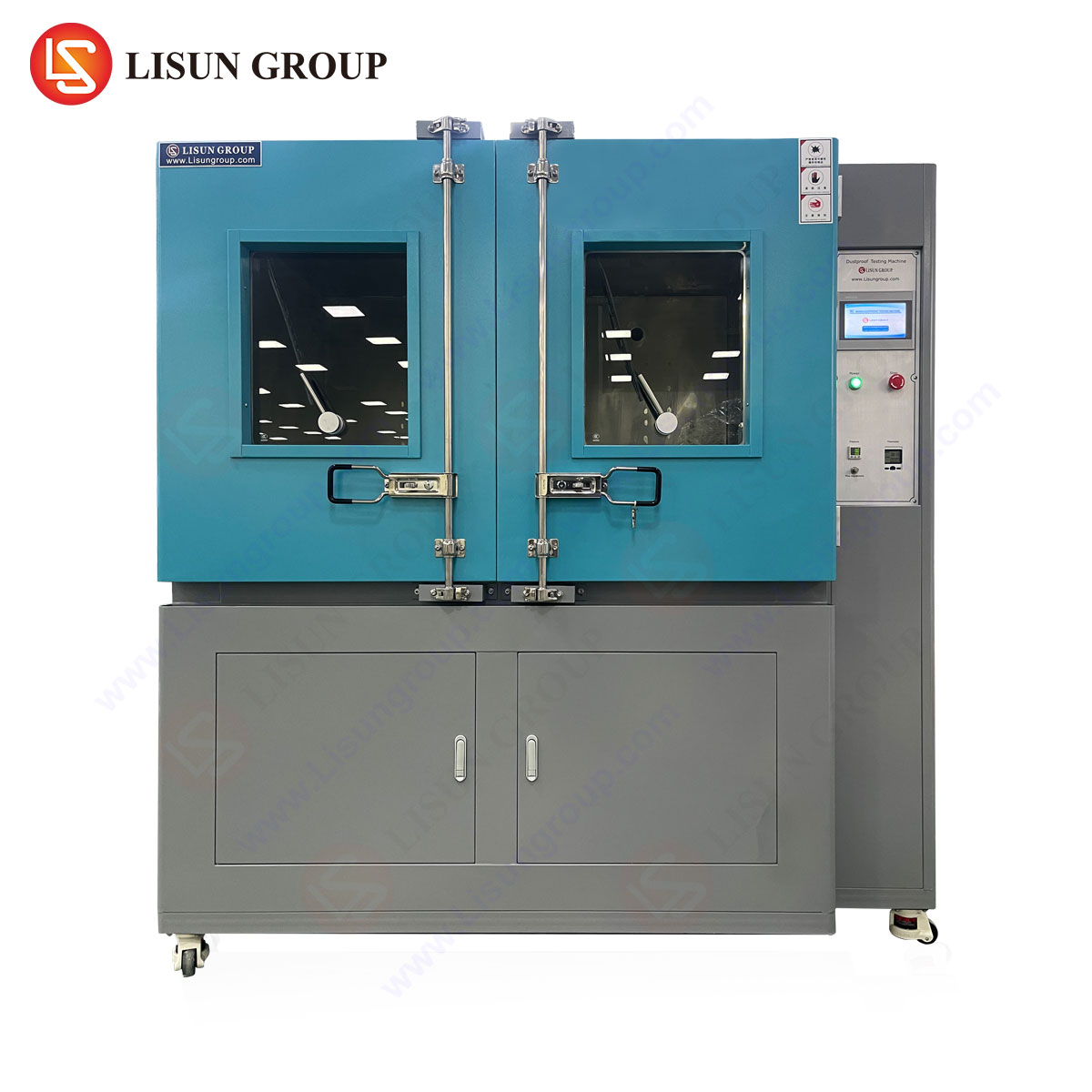
Introduction to Environmental Testing for Particulate Resistance In industries where electronic and mechanical components are exposed to abrasive or contaminant-laden environments, resistance to sand and
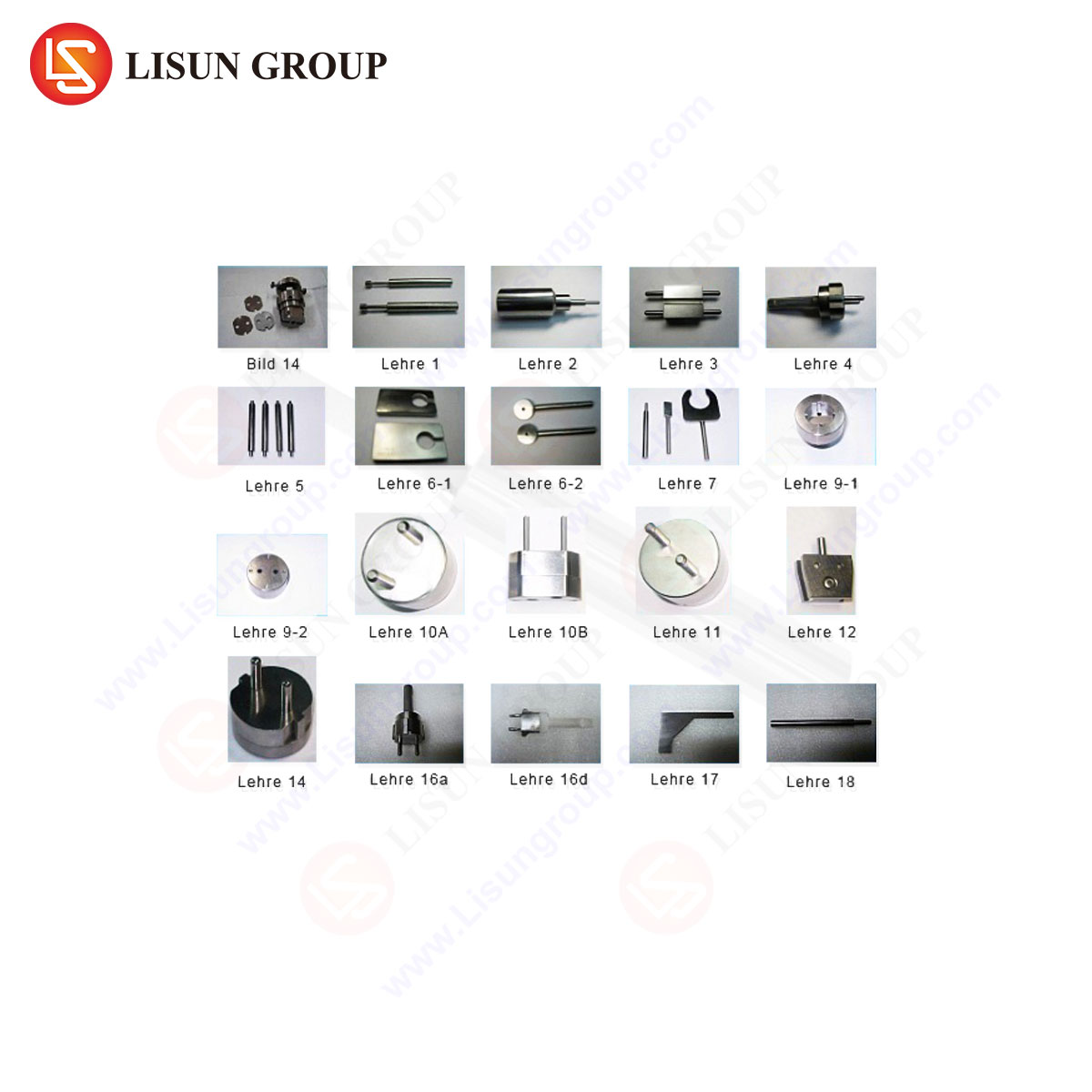
Introduction to AS/NZS 3112 Compliance Testing The AS/NZS 3112 standard governs the design, construction, and testing of plugs and socket-outlets in Australia and New Zealand,
Introduction to Sand and Dust Testing Sand and dust testing is a critical environmental evaluation method designed to assess the resilience of products against particulate
 EN
EN  ES
ES  RU
RU  PT
PT  TR
TR  AR
AR  DE
DE  PL
PL  IT
IT  FR
FR  KO
KO  JA
JA  ID
ID